Supreme Court Considers Limiting EPAs Climate Change Power
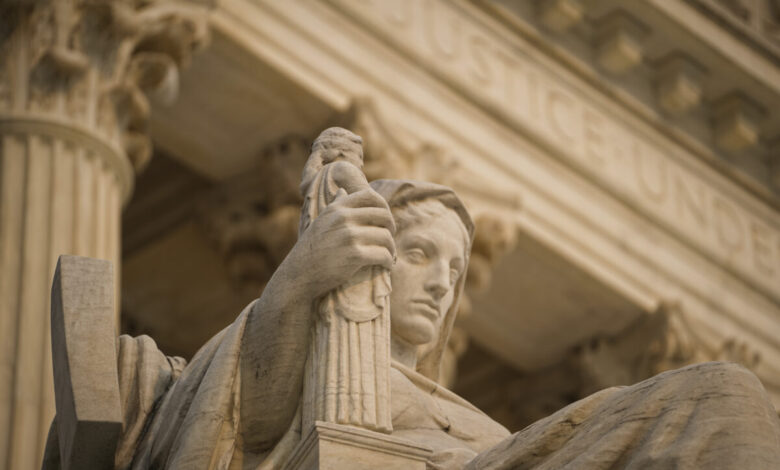
Supreme court considers limiting e p a s ability to address climate change – Supreme Court Considers Limiting EPA’s Climate Change Power: The fate of the Environmental Protection Agency’s (EPA) authority to regulate greenhouse gas emissions hangs in the balance as the Supreme Court considers a case that could significantly impact the nation’s climate change policy.
This case, which centers on the Clean Air Act, has ignited a heated debate between environmental advocates and industry representatives, raising questions about the EPA’s historical role and its future ability to address the urgent threat of climate change.
At the heart of the matter is the question of whether the EPA has the authority to regulate greenhouse gas emissions from power plants under the Clean Air Act. The court’s decision could have far-reaching consequences for the nation’s climate change strategy, potentially limiting the EPA’s ability to implement stricter emissions standards and impacting the country’s commitments to international climate agreements.
Public Opinion and Political Response
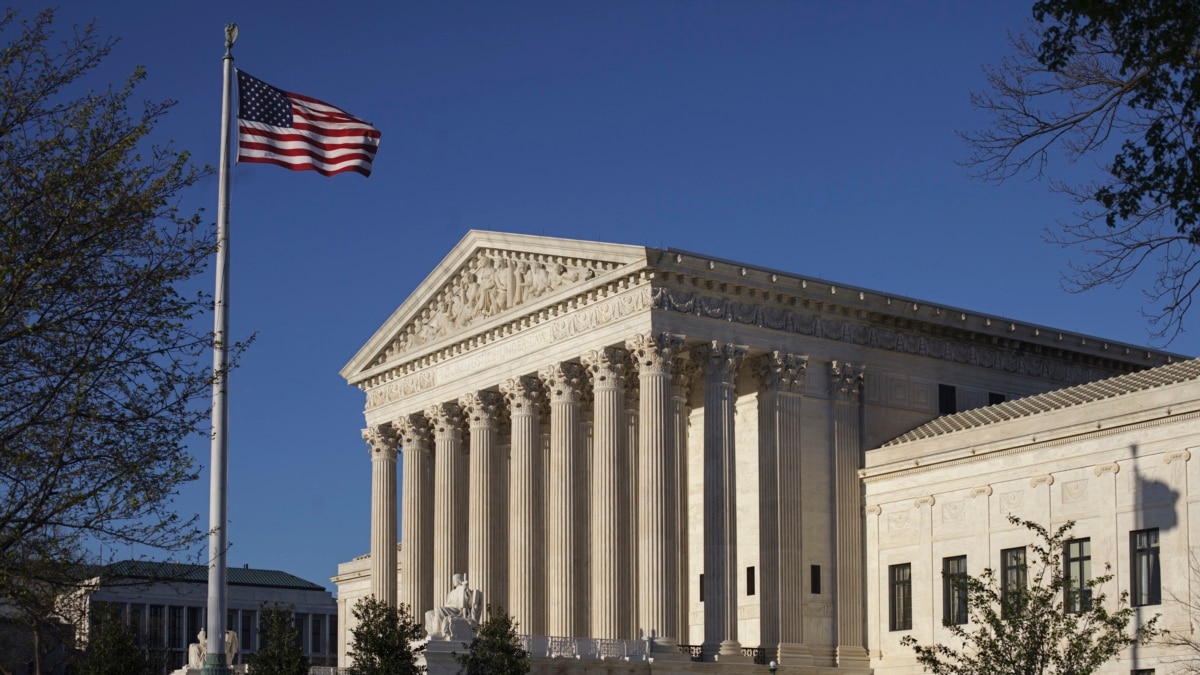
The Supreme Court’s decision on the EPA’s authority to regulate greenhouse gas emissions has sparked a vigorous debate, with various stakeholders expressing their viewpoints and concerns. Public opinion, environmental groups, industry representatives, and political leaders have all weighed in on the matter, shaping the potential for legislative action in response to the ruling.
The Supreme Court’s potential decision to limit the EPA’s ability to address climate change is a major concern for many, especially as we see the devastating effects of global warming. It’s a reminder that the future of our planet is intertwined with complex legal and political battles.
While we grapple with this issue, it’s also important to consider the factors that influence the value of Bitcoin, a digital currency that is increasingly gaining traction. Understanding the market forces that affect Bitcoin’s price, like those discussed in this article on which factors affect the value of bitcoins note these points , can help us navigate the complexities of the digital economy.
The Supreme Court’s decision, along with the evolving nature of Bitcoin’s value, highlights the need for informed and proactive approaches to both environmental and financial challenges.
Public Opinion on the Supreme Court’s Decision
The Supreme Court’s decision has divided public opinion, with varying levels of support and opposition. A recent poll conducted by the Pew Research Center found that 63% of Americans believe the government should do more to address climate change, while 35% believe the government is doing enough or too much.
The Supreme Court’s potential limitation of the EPA’s power to address climate change is a significant development, and it’s interesting to see how corporations are responding to this evolving landscape. Meanwhile, Fanatics, a company known for its sports merchandise, has been bolstering its leadership team by adding a Softbank executive and the former Airbnb marketing chief to its board of directors, as seen in this article fanatics adds softbank executive former airbnb marketing chief to board of directors.
This move suggests a focus on strategic growth and expansion, potentially driven by the need to adapt to a changing economic and regulatory environment, including the potential impact of climate change policies.
The poll also revealed a partisan divide, with Democrats overwhelmingly supporting government action on climate change (87%) compared to Republicans (34%).
The Supreme Court’s consideration of limiting the EPA’s power to address climate change feels like a step backward, especially when you see what’s happening in the world. Take Shanghai’s “zero-COVID” policy, for example, which has been a complete disaster, as documented in this article.
It’s a stark reminder that rigid, inflexible policies can have devastating consequences, and the Supreme Court’s potential decision could have similar ramifications for our ability to combat climate change.
Stakeholder Reactions
- Environmental Groups: Environmental groups have been highly critical of the Supreme Court’s decision, arguing that it undermines the EPA’s ability to effectively regulate greenhouse gas emissions. They have expressed concerns that the decision will lead to increased pollution and exacerbate the climate crisis.
For example, the Sierra Club has called the decision “a major setback for public health and the environment,” while the Natural Resources Defense Council has stated that it “will have devastating consequences for our climate and public health.”
- Industry Representatives: Industry representatives, on the other hand, have generally welcomed the Supreme Court’s decision, arguing that it provides greater certainty for businesses and reduces regulatory burdens. The U.S. Chamber of Commerce, for instance, has praised the decision as a “victory for American businesses” and a “major step towards restoring the balance between environmental protection and economic growth.”
- Political Leaders: The Supreme Court’s decision has also sparked a political response, with both Democrats and Republicans weighing in on the issue. President Biden has criticized the decision, calling it “a major setback in our efforts to combat climate change.” He has also pledged to continue working with Congress to address climate change through legislation.
Republican leaders, on the other hand, have generally supported the decision, arguing that it limits the EPA’s overreach and protects the interests of businesses and consumers.
Potential for Legislative Action, Supreme court considers limiting e p a s ability to address climate change
The Supreme Court’s decision has increased the pressure on Congress to take action on climate change. Some lawmakers have called for legislation to explicitly grant the EPA the authority to regulate greenhouse gas emissions, while others have proposed alternative approaches, such as carbon pricing mechanisms or investments in renewable energy.
The outcome of these legislative efforts remains uncertain, but the Supreme Court’s decision has undoubtedly shifted the political landscape and raised the stakes for climate policy.
The Future of Climate Change Regulation: Supreme Court Considers Limiting E P A S Ability To Address Climate Change
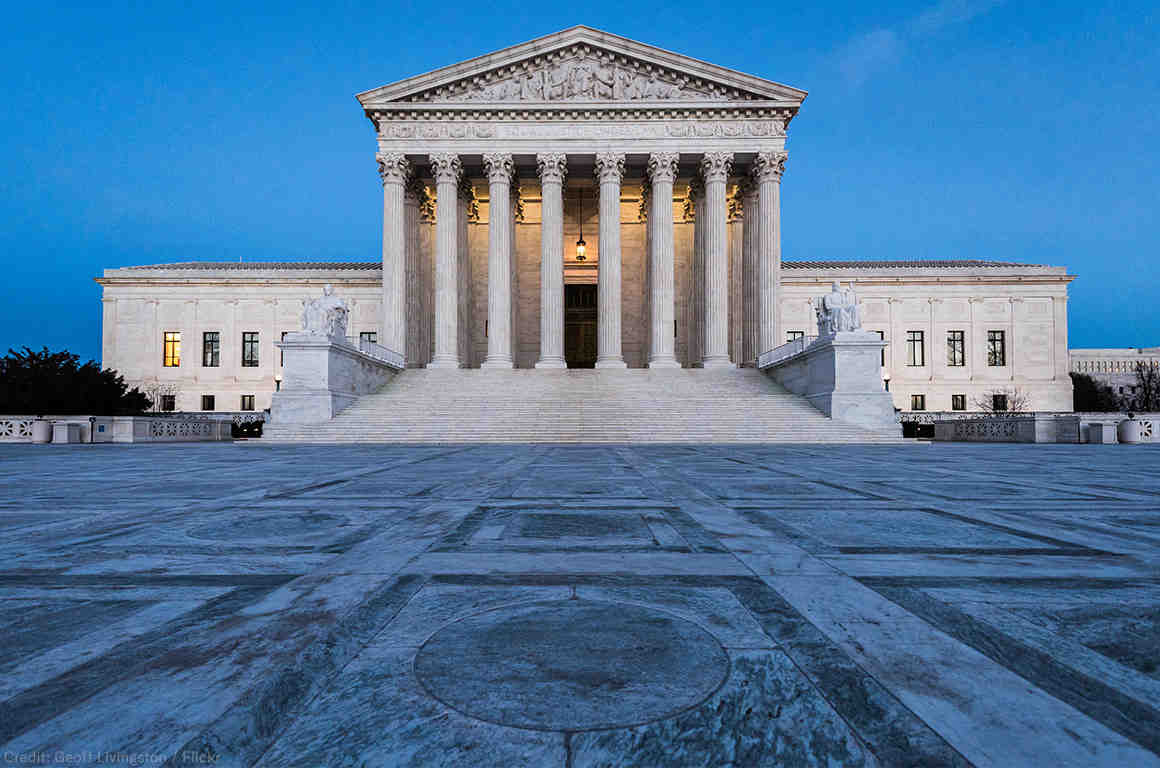
The Supreme Court’s decision on the EPA’s authority to regulate greenhouse gas emissions has significant implications for the future of climate change regulation in the United States. The court’s ruling, which limited the EPA’s ability to use its broad authority under the Clean Air Act to address climate change, could have far-reaching consequences for the nation’s efforts to mitigate climate change.
Hypothetical Scenario and Future Regulations
Imagine a scenario where the Supreme Court’s decision leads to a significant decrease in federal regulations on greenhouse gas emissions. This could create a patchwork of regulations across different states, potentially leading to increased pollution in some areas and hindering progress towards national climate goals.
The lack of a strong federal framework could also discourage investment in clean energy technologies and make it harder for businesses to comply with environmental standards.
Alternative Approaches to Addressing Climate Change
In the absence of robust federal regulation, alternative approaches to addressing climate change will need to be explored. These could include:
- Increased State and Local Action:States and local governments could play a more prominent role in regulating greenhouse gas emissions. They could implement their own climate policies, such as renewable energy standards, carbon pricing mechanisms, and energy efficiency regulations. Examples include California’s cap-and-trade program and New York’s ambitious clean energy goals.
- Market-Based Mechanisms:Market-based mechanisms, such as carbon pricing, could be used to incentivize emissions reductions. Carbon pricing, through cap-and-trade programs or carbon taxes, can create a financial incentive for businesses to reduce their emissions. Examples include the Regional Greenhouse Gas Initiative (RGGI) in the Northeast and the European Union’s Emissions Trading System.
- Technological Innovation:Investing in research and development of clean energy technologies, such as solar, wind, and energy storage, can accelerate the transition to a low-carbon economy. Government support for innovation can foster the development and deployment of new technologies that reduce greenhouse gas emissions.
- International Cooperation:International cooperation is essential for addressing climate change, as it is a global issue. Countries can work together to reduce emissions, share best practices, and provide financial assistance to developing countries to support their climate efforts. Examples include the Paris Agreement, which aims to limit global warming to well below 2 degrees Celsius.
Role of State and Local Governments
State and local governments are increasingly taking the lead in addressing climate change. They have the authority to implement their own regulations and policies, such as:
- Renewable Energy Standards:States can set targets for the percentage of electricity generated from renewable sources, such as solar and wind power.
- Building Energy Codes:Local governments can implement building codes that require energy efficiency standards for new construction and renovations.
- Transportation Policies:Cities can promote public transportation, walking, and cycling, and incentivize the adoption of electric vehicles.
- Climate Action Plans:Many cities and counties have developed comprehensive climate action plans that Artikel their goals and strategies for reducing greenhouse gas emissions.
Ultimate Conclusion
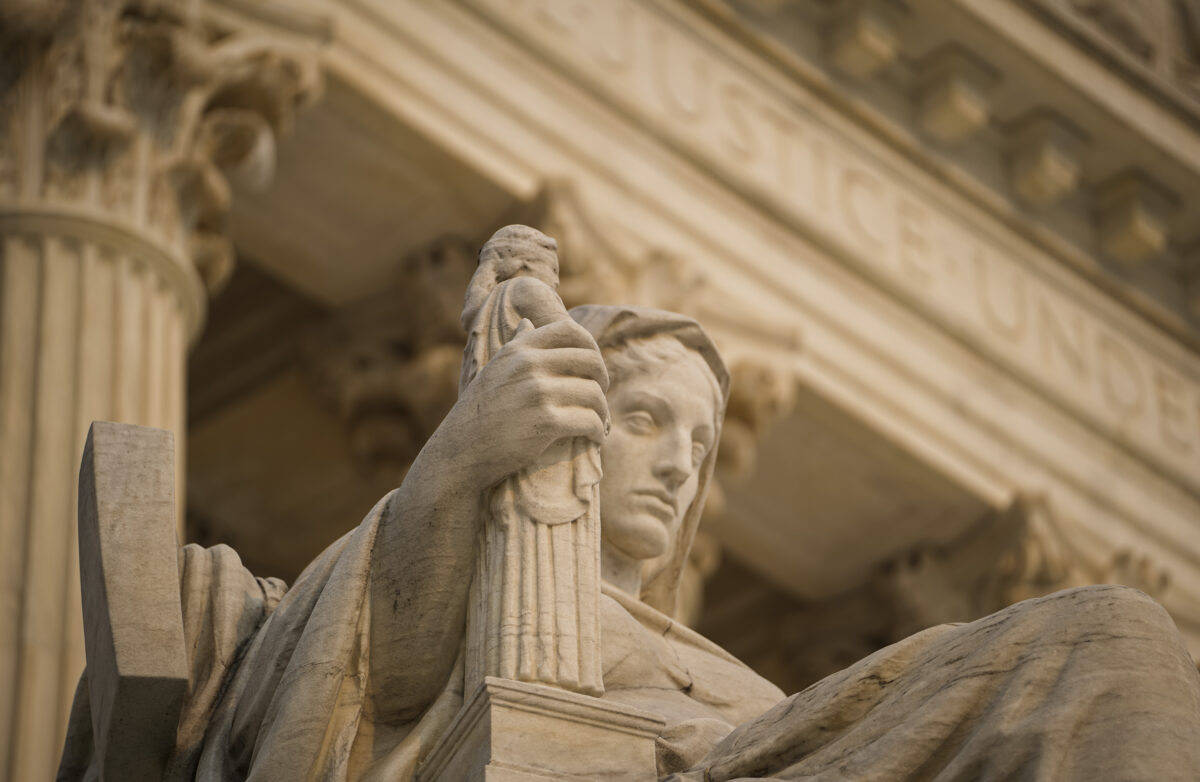
The Supreme Court’s decision on this case will have profound implications for the future of climate change regulation in the United States. The court’s ruling could either strengthen or weaken the EPA’s authority to address this critical issue. The outcome will likely shape the debate for years to come, influencing how the nation tackles the challenges of climate change and the development of clean energy technologies.
Whether the court chooses to uphold or limit the EPA’s power, the decision will undoubtedly have a lasting impact on the environment and the nation’s efforts to combat climate change.