States Sending Stimulus Checks: Inflation Relief
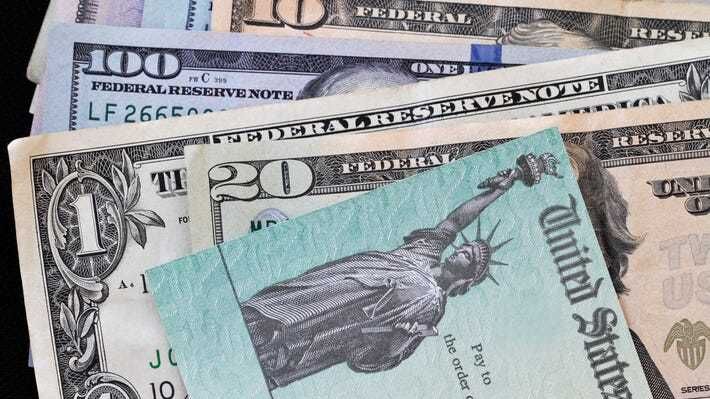
As stimulus checks for inflation here are the states planning to send money to residents takes center stage, we’re seeing a wave of financial assistance aimed at easing the burden of rising costs. From California to Georgia, several states are stepping in to help residents navigate the current economic climate.
These direct payments, often referred to as “stimulus checks,” aim to provide targeted relief to individuals and families struggling with inflation.
But what’s driving this trend? Are these checks a sustainable solution, or just a temporary Band-Aid? We’ll delve into the reasons behind these programs, explore their potential impact on the economy, and examine the arguments for and against this approach.
States Sending Stimulus Checks
As inflation continues to impact the cost of living, several states are stepping in to provide financial relief to their residents. This blog post will explore the states currently planning to send stimulus checks, the amounts, eligibility criteria, intended purposes, and the anticipated timelines for distribution.
States Offering Stimulus Checks
Several states are planning to send stimulus checks to residents, aiming to provide financial relief and address the rising cost of living. Here’s a list of states and the key details of their stimulus programs:
- California:The Golden State Stimulus II program sent payments of up to $1,100 to eligible residents in 2022. While there is no active program currently, California residents can expect another round of payments in 2023.
- Colorado:The state of Colorado has sent out $750 stimulus checks to residents as part of the Colorado Cash Back program. The checks were sent to eligible residents who filed their 2021 taxes by June 30, 2022.
- Georgia:Georgia residents received a one-time payment of $300 in 2022. The stimulus checks were distributed to residents who filed their 2021 taxes by April 18, 2022.
- Idaho:Idaho residents received a $75 tax rebate in 2022. The rebate was sent to residents who filed their 2021 taxes by April 15, 2022.
- Illinois:The state of Illinois is sending out stimulus checks of $50 to $400, depending on income and filing status, as part of the “Illinois Family Relief Plan.” The checks are being sent to eligible residents who filed their 2021 taxes by April 18, 2022.
- Maine:Maine residents received a $850 stimulus check in 2022. The checks were sent to eligible residents who filed their 2021 taxes by October 31, 2022.
While states grapple with inflation and consider sending out stimulus checks, a different kind of support is unfolding for Ukrainian children who have found refuge in the US. These young refugees, separated from their families by the ongoing war, are finding unlikely sponsors who are stepping up to provide them with a safe and loving environment during this challenging time.
It’s a heartwarming reminder of the power of compassion, even amidst global crises and economic hardship.
- Massachusetts:Massachusetts residents received a one-time payment of $250 in 2022. The checks were sent to eligible residents who filed their 2021 taxes by October 17, 2022.
- New Jersey:New Jersey residents received a one-time payment of $500 in 2022. The checks were sent to eligible residents who filed their 2021 taxes by October 31, 2022.
- New Mexico:New Mexico residents received a one-time payment of $750 in 2022. The checks were sent to eligible residents who filed their 2021 taxes by May 31, 2022.
With inflation still high, many states are looking for ways to help their residents. Some are offering stimulus checks or tax rebates, while others are focusing on programs to address the rising cost of living. It’s a complex issue, and the best way to understand it is to look at the big picture.
For instance, did you know that according to 7 facts about the state of edtech in schools , technology is playing an increasingly important role in education? This can have a big impact on how we address economic challenges, so it’s worth keeping in mind as we explore the various ways states are trying to help their residents cope with inflation.
- New York:New York residents received a one-time payment of $250 in 2022. The checks were sent to eligible residents who filed their 2021 taxes by October 31, 2022.
- Oregon:Oregon residents received a one-time payment of $600 in 2022. The checks were sent to eligible residents who filed their 2021 taxes by October 31, 2022.
- Pennsylvania:Pennsylvania residents received a one-time payment of $650 in 2022. The checks were sent to eligible residents who filed their 2021 taxes by November 30, 2022.
- Rhode Island:Rhode Island residents received a one-time payment of $750 in 2022. The checks were sent to eligible residents who filed their 2021 taxes by October 31, 2022.
- South Carolina:South Carolina residents received a one-time payment of $800 in 2022. The checks were sent to eligible residents who filed their 2021 taxes by October 31, 2022.
- Vermont:Vermont residents received a one-time payment of $750 in 2022. The checks were sent to eligible residents who filed their 2021 taxes by October 31, 2022.
Eligibility Criteria for Stimulus Checks
The eligibility criteria for receiving stimulus checks vary from state to state. In most cases, the eligibility requirements are based on income, residency, and filing status. For example, in California, the Golden State Stimulus II program was available to residents who had a 2020 adjusted gross income of less than $75,000.
With inflation still a major concern, some states are taking action to provide relief to residents. While many are focused on tax rebates, Sen Kevin Cramer would like to see a more targeted approach, perhaps focusing on families with young children.
Ultimately, any form of financial assistance will be welcomed by those struggling with rising costs, and we’ll be keeping an eye on how these initiatives play out in the coming months.
Intended Purpose of Stimulus Checks, Stimulus checks for inflation here are the states planning to send money to residents
The primary purpose of these stimulus checks is to provide financial relief to residents struggling with the rising cost of living. These checks can be used for a variety of expenses, including rent, groceries, utilities, and other essential needs.
Timeline for Stimulus Check Distribution
The timeline for distributing stimulus checks varies depending on the state. In some states, the checks have already been sent out, while in others, the distribution is still ongoing. It is important to check with your state’s government website for the latest information on stimulus check distribution.
Reasons for Stimulus Checks
States across the U.S. are implementing stimulus programs, sending direct payments to residents. These programs aim to provide financial relief and boost local economies, reflecting a growing trend of state-level intervention in economic challenges.
Motivations for Stimulus Checks
The rationale behind these state-level stimulus programs varies, reflecting the unique economic conditions and priorities of each state. Some states are motivated by a desire to provide immediate financial relief to residents struggling with inflation and rising costs of living.
Others are focused on stimulating local economies by encouraging spending and supporting businesses.
Economic Challenges Addressed by Stimulus Checks
These stimulus programs aim to address a range of economic challenges, including:
- Inflation and Rising Costs of Living:Many states are experiencing high inflation rates, leading to increased costs for essential goods and services. Stimulus checks can help residents offset these costs and maintain their standard of living.
- Economic Recovery from the Pandemic:While the economy has begun to recover from the COVID-19 pandemic, many households and businesses are still facing economic challenges. Stimulus checks can provide a boost to spending and help accelerate economic recovery.
- Budget Surpluses:Some states are using stimulus checks as a way to distribute budget surpluses to residents. This approach aims to provide a direct benefit to taxpayers and stimulate economic activity.
- Addressing Specific Economic Issues:Certain states may be targeting specific economic issues with their stimulus programs. For example, a state facing high unemployment might direct stimulus checks to unemployed individuals to support their job search and re-entry into the workforce.
States, Reasons, and Key Challenges
The following table summarizes the reasons for stimulus checks in different states and the key economic challenges they aim to address:
| State | Reasons for Stimulus Checks | Key Economic Challenges |
|---|---|---|
| California | Inflation relief, economic recovery from the pandemic, budget surplus | High inflation, rising housing costs, income inequality |
| Colorado | Inflation relief, economic recovery from the pandemic, budget surplus | High inflation, rising housing costs, unemployment |
| Georgia | Inflation relief, economic recovery from the pandemic, budget surplus | High inflation, rising gas prices, unemployment |
| Maine | Inflation relief, economic recovery from the pandemic, budget surplus | High inflation, rising energy costs, unemployment |
| New Mexico | Inflation relief, economic recovery from the pandemic, budget surplus | High inflation, rising healthcare costs, unemployment |
Impact of Stimulus Checks
The recent wave of stimulus checks across various states aims to provide financial relief to residents grappling with rising inflation. These checks, while intended to boost spending and alleviate economic pressures, can have multifaceted impacts on the economy. It’s crucial to analyze their potential effects on inflation, long-term consequences, and overall economic health.
Potential Economic Impact
Stimulus checks can inject a significant amount of money into the economy, leading to a short-term boost in consumer spending. This increased spending can stimulate businesses, leading to higher production and employment. However, the effectiveness of these checks in driving long-term economic growth depends on various factors, such as the overall economic climate, consumer confidence, and the specific allocation of funds.
Impact on Inflation
Stimulus checks can potentially exacerbate inflation by increasing demand for goods and services without a corresponding increase in supply. This can lead to higher prices, further eroding the purchasing power of consumers. However, the extent of this impact depends on factors such as the size of the checks, the state of the economy, and the availability of goods and services.
Long-Term Consequences
The long-term consequences of stimulus checks can be complex and depend on how they are implemented and managed. If the checks are used to address short-term needs without addressing underlying economic issues, they may contribute to long-term economic instability. However, if they are used strategically to invest in infrastructure, education, or other areas that promote long-term economic growth, they can have a positive impact.
Positive and Negative Impacts
| Impact | Positive | Negative |
|---|---|---|
| Economic Growth | Increased consumer spending can stimulate businesses, leading to higher production and employment. | Short-term boost in spending may not translate into sustained economic growth. |
| Inflation | Checks can help alleviate economic pressures and boost spending, potentially mitigating deflationary pressures. | Increased demand without corresponding supply can exacerbate inflation, eroding purchasing power. |
| Government Debt | Checks can be funded through targeted tax increases or economic growth, reducing the overall impact on government debt. | Large-scale stimulus programs can contribute to higher government debt, potentially leading to future economic challenges. |
| Long-Term Economic Stability | Checks can be used to invest in infrastructure, education, or other areas that promote long-term economic growth. | If not used strategically, checks can contribute to long-term economic instability by addressing short-term needs without addressing underlying economic issues. |
Public Response and Criticism
The distribution of stimulus checks, while intended to provide economic relief, has sparked a range of reactions from the public, encompassing both support and criticism. Opinions vary widely, with some praising the financial assistance while others raise concerns about the program’s effectiveness and potential unintended consequences.
Public Opinion on Stimulus Checks
Public opinion regarding stimulus checks is diverse, reflecting the complex economic realities and political landscape. Surveys and polls offer insights into the prevailing sentiment:
- A 2023 poll by the Pew Research Center found that 63% of Americans approve of the government sending stimulus checks to help people cope with inflation, highlighting a significant level of public support for such measures.
- However, the same poll also revealed that 34% of Americans disapprove of stimulus checks, suggesting a notable minority who oppose the program.
- Opinions often diverge along partisan lines, with Democrats generally more supportive of stimulus checks than Republicans.
Criticisms and Concerns
While the intent of stimulus checks is to alleviate financial strain, critics raise various concerns about their effectiveness and potential drawbacks:
- Ineffectiveness:Some argue that stimulus checks may not effectively address the root causes of inflation, such as supply chain disruptions or rising energy costs, and may merely provide temporary relief without tackling the underlying issues.
- Increased Inflation:Critics contend that stimulus checks could exacerbate inflation by injecting more money into the economy, leading to higher prices for goods and services.
- Moral Hazard:Some argue that stimulus checks may create a moral hazard, disincentivizing individuals from seeking employment or engaging in productive activities, as they rely on government assistance.
- Government Spending:Critics express concerns about the substantial cost of stimulus programs, arguing that it adds to the national debt and could lead to future economic instability.
- Fairness:There are concerns about the fairness of distributing stimulus checks to all residents, regardless of their income or financial situation, arguing that it could benefit those who do not need the assistance while neglecting those in greater need.
Arguments for and Against Stimulus Checks
The debate surrounding stimulus checks revolves around competing economic philosophies and policy priorities. A table outlining key arguments and their sources provides a comprehensive overview:
| Argument | Source |
|---|---|
| For Stimulus Checks | |
| Stimulus checks provide immediate relief to households struggling with inflation, boosting consumer spending and supporting the economy. | “Stimulus Checks Can Help Address Inflation, But There Are Limits,” The Conversation, 2023 |
| Government intervention is necessary to mitigate the negative economic impacts of inflation and protect vulnerable populations. | “The Case for Stimulus Checks,” The New York Times, 2023 |
| Against Stimulus Checks | |
| Stimulus checks may not be effective in addressing the root causes of inflation and could exacerbate price increases. | “Stimulus Checks Won’t Solve Inflation, They’ll Make It Worse,” The Wall Street Journal, 2023 |
| Government spending on stimulus programs contributes to the national debt and could lead to future economic instability. | “The Dangers of Stimulus Checks,” The Washington Post, 2023 |
Alternatives to Stimulus Checks
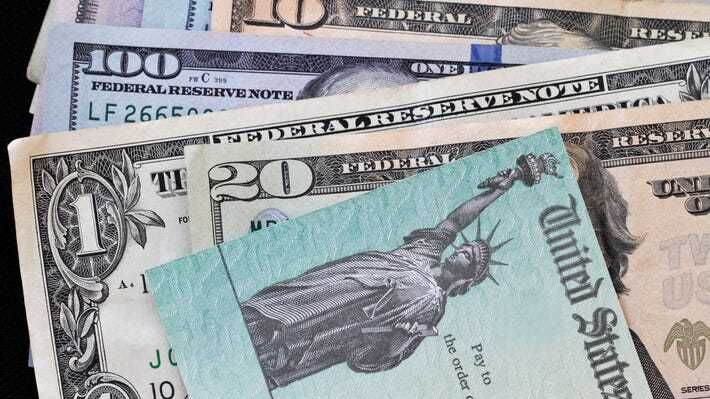
While stimulus checks offer immediate financial relief, they are not the only solution to address economic challenges. Alternative approaches can provide a more sustainable and targeted impact on the economy.
Alternative Economic Policies
Alternative economic policies aim to stimulate the economy by addressing specific challenges and promoting long-term growth. These policies often focus on increasing employment opportunities, boosting investment, and enhancing productivity.
- Investing in Infrastructure:Investing in infrastructure projects such as roads, bridges, and public transportation can create jobs, improve transportation efficiency, and stimulate economic activity. For example, the Biden administration’s infrastructure bill aims to create millions of jobs and modernize the nation’s infrastructure.
- Tax Credits and Incentives:Tax credits and incentives can encourage businesses to invest, hire new employees, and adopt innovative technologies. For instance, the Research and Development Tax Credit provides incentives for businesses to invest in research and development activities, leading to technological advancements and economic growth.
- Education and Workforce Development Programs:Investing in education and workforce development programs can enhance the skills of the workforce, improve productivity, and create a more competitive economy. For example, government-funded vocational training programs can equip individuals with the skills needed for in-demand jobs, addressing skill gaps and promoting employment.
- Support for Small Businesses:Small businesses are crucial for economic growth and job creation. Providing financial assistance, tax breaks, and regulatory relief can help small businesses thrive and contribute to the economy. For example, the Paycheck Protection Program (PPP) during the COVID-19 pandemic provided forgivable loans to small businesses, helping them retain employees and stay afloat.
Effectiveness of Different Economic Policies
The effectiveness of different economic policies depends on various factors, including the specific economic conditions, the design and implementation of the policy, and the time horizon. Some policies may be more effective in stimulating short-term economic growth, while others may have a greater impact on long-term economic development.
- Fiscal Policy:Fiscal policy refers to the use of government spending and taxation to influence the economy. Expansionary fiscal policy, such as increased government spending or tax cuts, can stimulate demand and boost economic growth in the short term. However, excessive government spending can lead to higher debt levels and potential inflation.
- Monetary Policy:Monetary policy is used by central banks to control the money supply and interest rates. Lower interest rates can encourage borrowing and investment, stimulating economic activity. However, excessive monetary easing can lead to inflation and asset bubbles.
- Supply-Side Economics:Supply-side economics focuses on stimulating economic growth by reducing taxes, deregulation, and promoting free trade. These policies aim to increase productivity, investment, and job creation. However, critics argue that supply-side policies can lead to increased income inequality and environmental degradation.
Drawbacks of Alternative Approaches
While alternative approaches offer potential benefits, they also have drawbacks.
- Time Lags:Some economic policies, such as infrastructure projects, may take time to implement and have a noticeable impact on the economy. This delay can be problematic in situations where immediate economic relief is needed.
- Political Challenges:Implementing economic policies can be politically challenging, especially when they involve significant changes in government spending or regulations. Different political parties may have different views on the best economic policies, leading to gridlock and delays.
- Unintended Consequences:Economic policies can have unintended consequences, such as inflation, job losses, or increased inequality. It is crucial to carefully consider the potential drawbacks and risks associated with any economic policy before implementation.
Economic Policies: Pros and Cons
| Policy | Pros | Cons |
|---|---|---|
| Investing in Infrastructure | Creates jobs, improves transportation efficiency, stimulates economic activity | High upfront costs, potential for delays in implementation |
| Tax Credits and Incentives | Encourages investment, job creation, and innovation | Potential for tax avoidance, may not reach intended beneficiaries |
| Education and Workforce Development Programs | Enhances skills, improves productivity, reduces skill gaps | Long-term investment, may not immediately address unemployment |
| Support for Small Businesses | Promotes job creation, economic growth, and innovation | May not reach all small businesses, potential for misuse of funds |
| Fiscal Policy (Expansionary) | Stimulates demand, boosts economic growth | Higher debt levels, potential for inflation |
| Monetary Policy (Lower Interest Rates) | Encourages borrowing and investment | Potential for inflation, asset bubbles |
| Supply-Side Economics | Increases productivity, investment, and job creation | Increased income inequality, environmental degradation |
Wrap-Up: Stimulus Checks For Inflation Here Are The States Planning To Send Money To Residents
While stimulus checks might offer immediate relief, they raise important questions about long-term economic sustainability. The debate over their effectiveness and potential unintended consequences is likely to continue as states grapple with the challenges of inflation and economic recovery.
Ultimately, the success of these programs hinges on a careful balance between providing immediate support and fostering long-term economic stability.