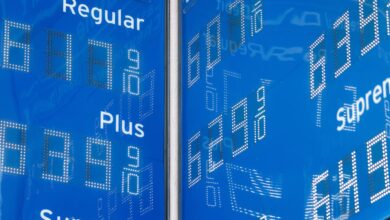
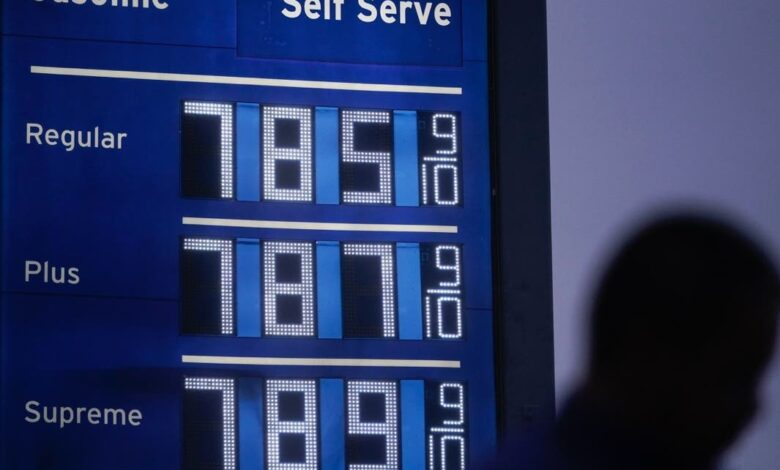
Soaring Gas Prices Fuel Conspiracy Theories About Biden and EVs
Soaring gas prices spawn conspiracy theories about biden administration and electric vehicles, a potent mix of economic anxiety and political polarization. The recent surge in fuel costs has sparked a wave of discontent, with many Americans questioning the causes and seeking answers.
Amidst this turmoil, conspiracy theories have emerged, casting doubt on the Biden administration’s policies and promoting narratives that often lack factual basis. This article delves into the heart of this phenomenon, exploring the various conspiracy theories circulating online and analyzing their impact on public discourse and policy debates.
The rise in gas prices has become a focal point for discontent, fueling anxieties about the economy and everyday living. This frustration has manifested in various forms, from social media discussions to protests. As gas prices continue to climb, the search for explanations has led some to embrace conspiracy theories, often targeting the Biden administration as the culprit.
The Rise of Gas Prices and Public Sentiment
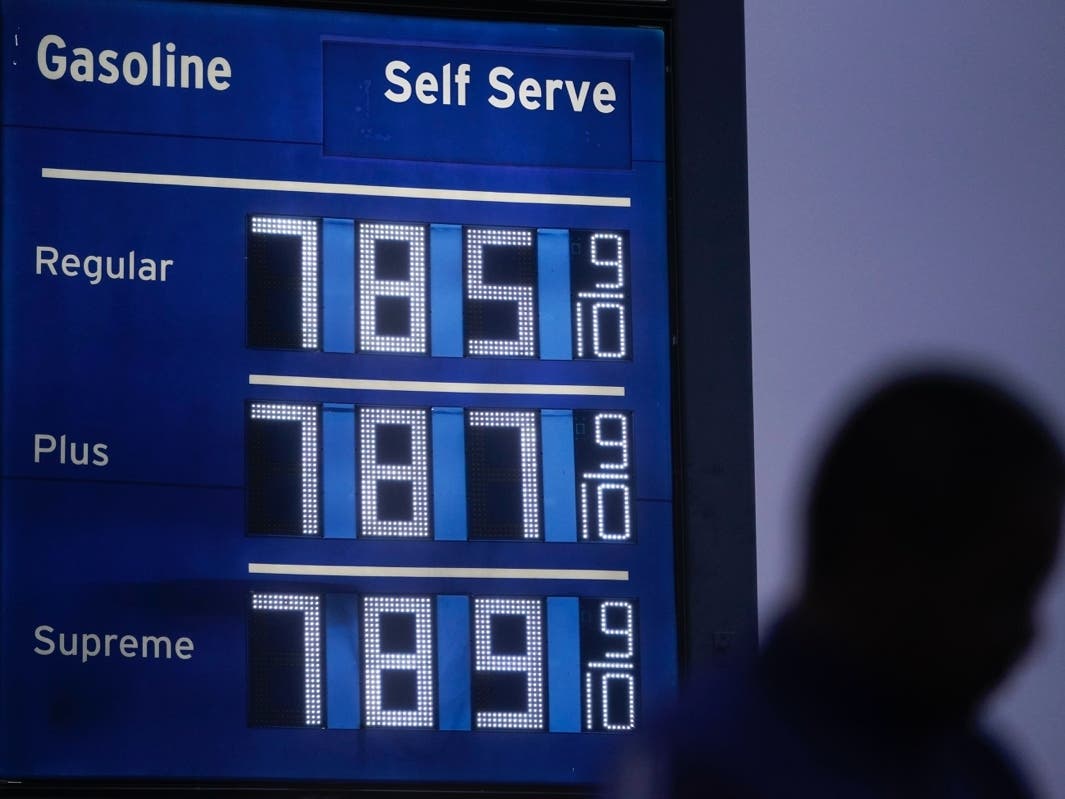
The recent surge in gas prices has become a significant economic and social issue, impacting public sentiment and fueling anxieties about the future. This phenomenon is not a recent occurrence, as gas prices have been on a steady climb since the beginning of 2021.
However, the sharp rise in 2022, reaching record highs, has exacerbated the situation and triggered widespread public reactions.
The Impact of Rising Gas Prices on Public Sentiment
Rising gas prices have had a tangible impact on the everyday lives of individuals, leading to a surge in economic anxieties and dissatisfaction. This sentiment is reflected in various ways, from public discussions to protests and social media interactions.
- Increased Financial Burden:The most immediate impact of rising gas prices is the increased financial burden on individuals and households. Higher fuel costs directly translate to reduced disposable income, impacting spending on other essential goods and services. This financial strain can lead to increased stress and anxiety about managing household budgets.
- Reduced Consumer Spending:The increased cost of transportation has a ripple effect on consumer spending. As individuals allocate more of their income towards fuel, they have less money available for other goods and services, leading to a potential slowdown in economic activity.
- Impact on Businesses:Businesses, particularly those reliant on transportation, have also been affected by rising gas prices. Increased fuel costs can lead to higher operating expenses, affecting profitability and potentially forcing businesses to raise prices for consumers.
Public Reactions to Rising Gas Prices
The public’s reaction to rising gas prices has been multifaceted, ranging from frustration and anger to calls for action.
- Protests and Demonstrations:In several countries, including the United States, there have been protests and demonstrations organized to express public dissatisfaction with rising gas prices. These demonstrations often target government policies and call for measures to address the issue.
- Social Media Discussions:Social media platforms have become a forum for public discussion and debate about gas prices. Online communities have emerged, sharing information, opinions, and frustrations about the issue. These platforms provide a platform for individuals to voice their concerns and engage in collective action.
It’s fascinating how soaring gas prices have sparked a wave of conspiracy theories about the Biden administration and the push for electric vehicles. Some believe the administration is intentionally driving up prices to force people into electric cars. While this is certainly a hot topic, it’s interesting to note that the FBI is also investigating Hunter Biden’s business dealings, as evidenced by the recent subpoena of his paternity documents, including tax returns, as reported by this article.
Whether these two seemingly unrelated events are connected is a question for speculation, but it certainly adds another layer to the ongoing political discourse.
- Political Pressure:Rising gas prices have also led to increased political pressure on governments to address the issue. Politicians are facing calls to implement policies that can alleviate the burden on consumers and businesses. This pressure can lead to debates about fuel subsidies, tax breaks, and alternative energy sources.
Conspiracy Theories Targeting the Biden Administration
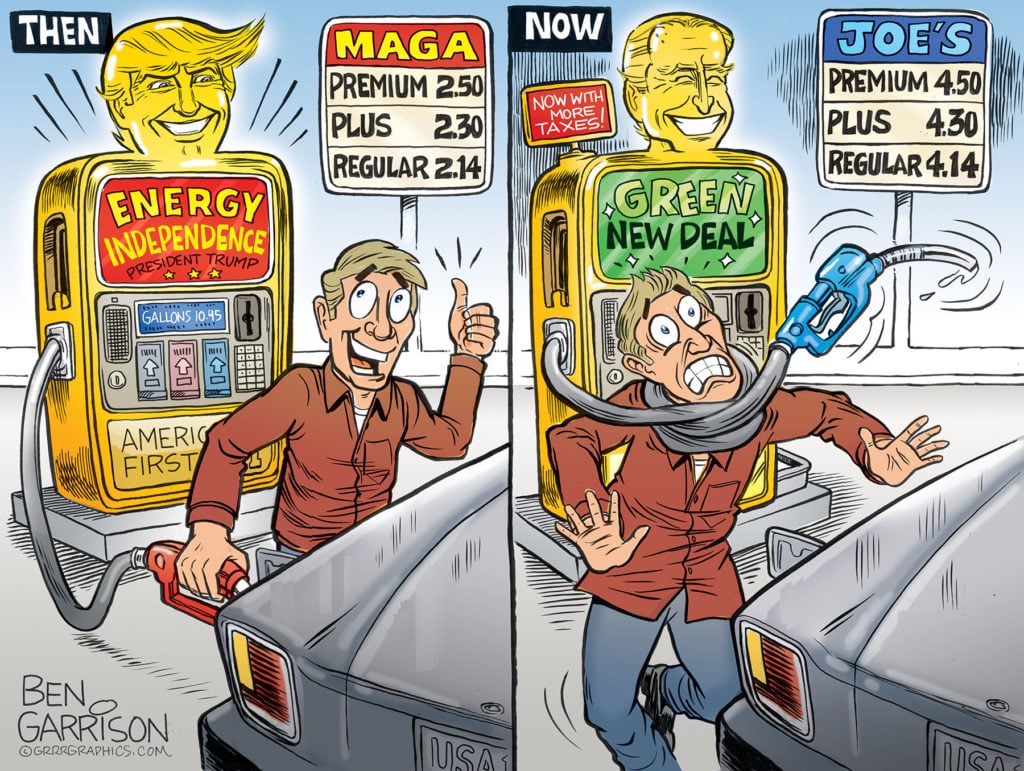
The surge in gas prices following President Biden’s inauguration has fueled a wave of conspiracy theories alleging that the Biden administration is deliberately manipulating fuel costs. These theories, often spread through social media and conservative media outlets, paint a picture of a government intentionally causing economic hardship for political gain.
Motivations and Arguments Behind the Theories
These theories often stem from a deep distrust of the government and a perception that the Biden administration is actively hostile to the fossil fuel industry. Proponents of these theories argue that the administration’s policies, such as the cancellation of the Keystone XL pipeline and the emphasis on renewable energy, are intentionally designed to drive up gas prices and force Americans to adopt electric vehicles.
“The Biden administration is deliberately trying to cripple the oil and gas industry, and the rising gas prices are a direct result of their policies.”
Analysis of the Evidence, Soaring gas prices spawn conspiracy theories about biden administration and electric vehicles
While it’s true that the Biden administration has implemented policies aimed at transitioning away from fossil fuels, the evidence linking these policies directly to the rise in gas prices is weak.
- The rise in gas prices is a global phenomenon, driven by factors such as increased demand, supply chain disruptions, and geopolitical tensions, particularly the war in Ukraine. These factors are largely independent of any specific policy implemented by the Biden administration.
- The Keystone XL pipeline, while a significant project, would have had a limited impact on the overall supply of oil in the United States. Its cancellation, therefore, cannot be solely blamed for the rise in gas prices.
- The Biden administration’s emphasis on renewable energy is a long-term strategy aimed at reducing greenhouse gas emissions and achieving energy independence. It is not a short-term solution designed to manipulate gas prices.
Common Conspiracy Theories
Here are some of the most common conspiracy theories linking the Biden administration to rising gas prices:
- The Biden administration is intentionally releasing oil from the Strategic Petroleum Reserve to drive down prices in the short term, while creating a long-term shortage that will lead to even higher prices.
- The Biden administration is manipulating the market by restricting oil production and drilling permits, artificially inflating prices.
- The Biden administration is deliberately pushing for electric vehicles, which are seen as a threat to the oil and gas industry, and using the high gas prices as a way to force people to switch to EVs.
The Electric Vehicle Push and Conspiracy Theories
The Biden administration’s commitment to promoting electric vehicles (EVs) has become a focal point of conspiracy theories surrounding the rise in gas prices. While the administration’s policies are aimed at addressing climate change and reducing dependence on fossil fuels, some individuals believe these policies are intentionally designed to drive up gas prices and force Americans into adopting EVs.
Connections Drawn by Conspiracy Theorists
Conspiracy theorists often draw connections between the Biden administration’s EV initiatives and the surge in gas prices, suggesting a deliberate strategy to manipulate the market. These theories often lack evidence and rely on speculation and selective interpretation of events.
- One common argument claims that the administration’s policies, such as tax credits for EV purchases and investments in EV charging infrastructure, are creating an artificial demand for EVs, leading to higher gas prices. The logic behind this claim is that increased demand for EVs translates to a decrease in demand for gasoline, which drives up prices.
- Another theory suggests that the administration is intentionally limiting oil and gas production to artificially inflate prices, making EVs a more attractive alternative. This theory often points to the administration’s policies on oil and gas leases on public lands, suggesting a deliberate effort to restrict domestic energy production.
The recent spike in gas prices has sparked a flurry of conspiracy theories, with some blaming the Biden administration and others pushing for a faster transition to electric vehicles. But while the focus remains on the here and now, it’s interesting to see what solutions are being explored for the long-term.
For example, farmers in England are experimenting with burying burnt wood in their fields to capture CO2 , which could have implications for both climate change and the future of transportation. Ultimately, it’s clear that the search for sustainable solutions is becoming increasingly urgent, and the future of our energy landscape remains uncertain.
Arguments Presented by Conspiracy Theorists
Conspiracy theorists often argue that the Biden administration’s push for EVs is motivated by a desire to control the energy sector, reduce American dependence on foreign oil, or even implement a “Great Reset” that would fundamentally change the global economic system.
These theories often draw on broader political and ideological agendas, casting the EV push as part of a larger, sinister plan.
The skyrocketing gas prices have become a hotbed for conspiracy theories, with some blaming the Biden administration’s push for electric vehicles. It’s easy to get caught up in the blame game, but it’s important to remember that we can’t control everything.
Instead, we can focus on what we can control, like our own emotional intelligence. That’s where the Tom Hanks rule comes in – a reminder to be kind and understanding, even when things are tough. Learning how emotionally intelligent people use this rule to get more out of work and life can help us navigate these challenging times with more grace and resilience.
Maybe then, we can move beyond the conspiracy theories and find solutions that benefit everyone, even as we grapple with the complexities of soaring gas prices and the transition to electric vehicles.
- Some conspiracy theorists believe that the government is intentionally manipulating the energy market to force Americans into adopting EVs, which they see as a way to control the population and limit individual freedom. They often cite the potential for government surveillance and control through smart grids and other technologies associated with EVs.
- Others argue that the EV push is part of a globalist agenda to weaken the United States and establish a one-world government. They often point to the involvement of international organizations like the World Economic Forum and the United Nations in promoting sustainable development goals, including the transition to electric vehicles.
The Role of Media and Social Media in Spreading Conspiracy Theories: Soaring Gas Prices Spawn Conspiracy Theories About Biden Administration And Electric Vehicles
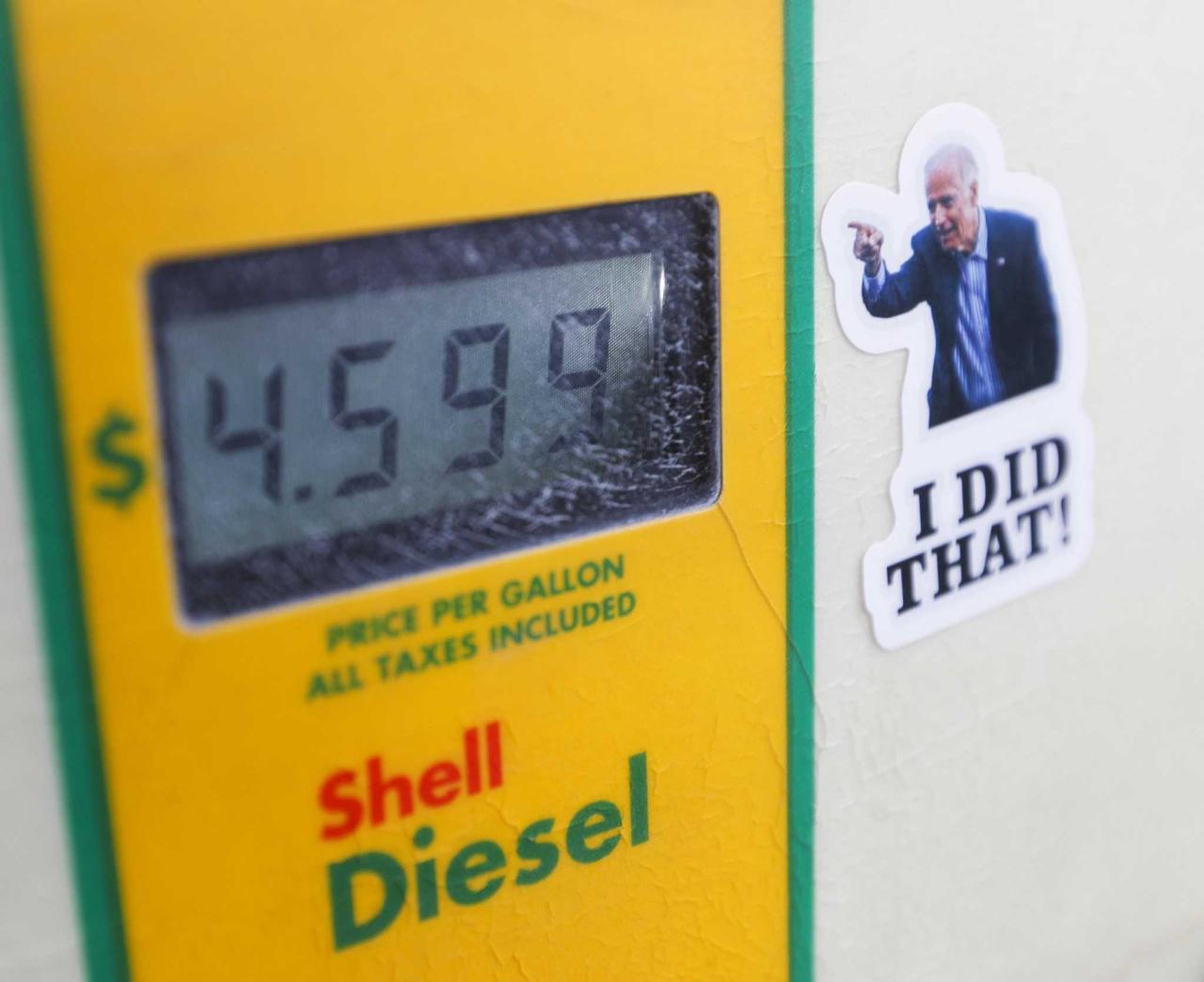
The recent surge in gas prices and the Biden administration’s push for electric vehicles have become fertile ground for conspiracy theories. These theories, often fueled by misinformation and disinformation, have spread rapidly through traditional media and social media platforms, impacting public perception and trust in government.
The Amplification of Conspiracy Theories by Media and Social Media Platforms
The spread of conspiracy theories is often facilitated by media outlets and social media platforms that prioritize sensationalism and engagement over accuracy and factual reporting.
- Sensational Headlines and Clickbait:Many media outlets, particularly online publications, utilize sensational headlines and clickbait tactics to attract readers. These headlines often exaggerate or distort the truth, making conspiracy theories seem more plausible and appealing to a wider audience.
- Echo Chambers and Filter Bubbles:Social media algorithms, designed to personalize content based on user preferences, can create echo chambers and filter bubbles. These algorithms can trap users in a cycle of information that reinforces their existing beliefs, even if those beliefs are based on misinformation or conspiracy theories.
- Lack of Fact-Checking and Verification:The speed at which information spreads on social media platforms often outpaces the ability of fact-checking organizations and media outlets to verify its accuracy. This can lead to the rapid dissemination of false or misleading information, further fueling the spread of conspiracy theories.
- Influencer Marketing and Viral Content:Influencers and social media personalities can significantly impact public opinion. When these individuals promote conspiracy theories, they can reach large audiences and contribute to their widespread acceptance.
The Impact of Misinformation and Disinformation on Public Perception and Trust in Government
The spread of misinformation and disinformation about gas prices and electric vehicles can have a significant impact on public perception and trust in government.
- Erosion of Trust in Government:Conspiracy theories often portray government actions as malicious or self-serving, undermining public trust in government institutions and officials. This can lead to decreased civic engagement and a reluctance to accept government policies.
- Polarization of Public Opinion:Misinformation and disinformation can contribute to the polarization of public opinion, creating divisions between those who believe in conspiracy theories and those who rely on factual information. This can make it challenging to find common ground and address pressing societal issues.
- Increased Susceptibility to Manipulation:Individuals who are exposed to misinformation and disinformation may become more susceptible to manipulation and propaganda. This can make them vulnerable to exploitation by political actors or other groups seeking to influence public opinion.
Wrap-Up
The spread of conspiracy theories surrounding soaring gas prices and electric vehicles has significant implications for public discourse and policy-making. These theories erode trust in institutions, complicate policy debates, and potentially hinder progress towards sustainable energy solutions. It is crucial to critically evaluate information, engage in constructive dialogue, and rely on credible sources to navigate the complex landscape of energy policy and public sentiment.