Small Metros: Cheaper Living, Fewer Jobs?
Small metros might have cheaper living but not a lot of job opportunities, making them a tempting option for budget-conscious individuals and families. The allure of lower housing costs, cheaper transportation, and affordable groceries can be incredibly appealing, especially when compared to the sky-high prices of major cities.
However, this cost difference comes with a trade-off: limited job opportunities. While smaller cities often offer a slower pace of life and a strong sense of community, the lack of diverse industries can make it challenging to find a fulfilling career.
The question then becomes: is the lower cost of living worth the potential sacrifice in career growth? This is a complex question with no easy answer, as it depends on individual priorities and circumstances. For some, the trade-off might be worth it, especially if they are willing to embrace a more entrepreneurial mindset or are open to working remotely.
For others, the lack of career opportunities might be a dealbreaker, pushing them to seek employment in larger cities.
The Importance of Remote Work: Small Metros Might Have Cheaper Living But Not A Lot Of Job Opportunities

The conversation about small metros often revolves around their affordability and lack of job opportunities. But what if we could change that equation? Remote work, a growing trend fueled by technology, has the potential to transform small metros into thriving hubs for talent and innovation.
It’s tempting to think that moving to a smaller city could ease the financial burden, with lower rent and cost of living. But the reality is that many smaller metros lack the robust job markets of larger cities, which can make it tough to find a well-paying position.
This can be especially challenging for families, who often face the added pressure of childcare costs. It’s interesting to see Meghan Markle speaking out about the new child care initiative , highlighting the immense financial strain placed on families. Ultimately, balancing the need for affordability with the need for career opportunities remains a major challenge for those seeking a more balanced lifestyle outside of major metropolitan areas.
Attracting Remote Workers
Remote work offers small metros a unique opportunity to attract talent seeking a lower cost of living. The allure of affordable housing, lower taxes, and a slower pace of life can be highly appealing to remote workers, particularly those in high-cost urban areas.
Sure, small metros can be a great option for those seeking a more affordable lifestyle, but the lack of job opportunities can be a major drawback. It’s a bit like the situation with Twitter and Elon Musk – despite his antics, Twitter remains committed to the deal.
It seems both parties are willing to overlook the challenges and potential pitfalls in pursuit of a greater goal. Similarly, those looking to make a move to a smaller city need to weigh the pros and cons carefully, especially considering the job market.
This influx of skilled professionals can diversify local economies, boost local businesses, and create new opportunities for growth.
Industries Well-Suited for Remote Work
Many industries are well-suited for remote work, offering small metros a chance to attract talent in fields like:
- Technology:Software development, web design, data analysis, and cybersecurity are all highly adaptable to remote work. This sector offers significant potential for small metros to establish themselves as tech hubs.
- Creative Services:Graphic design, writing, editing, and marketing are creative fields that can thrive in remote environments. Small metros can attract creative professionals seeking a more affordable and inspiring setting.
- Financial Services:Many financial services jobs, such as accounting, financial analysis, and customer service, can be effectively performed remotely. This opens up opportunities for small metros to become centers for financial expertise.
The Future of Small Metros
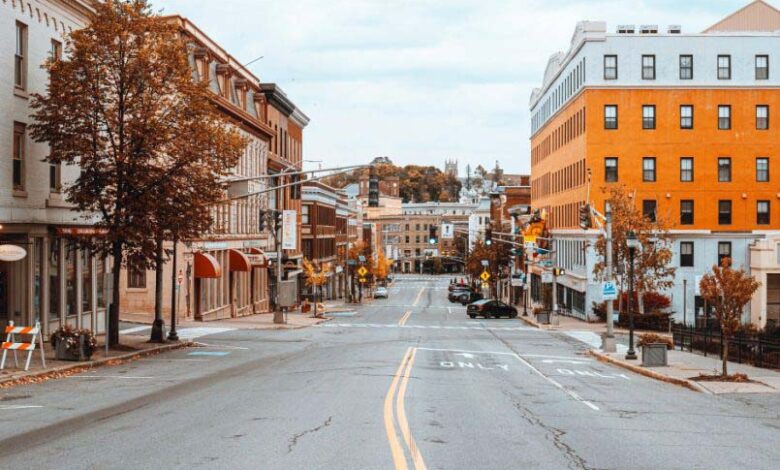
Small metros, often overlooked in the hustle and bustle of big cities, are quietly experiencing a renaissance. While they may lack the job opportunities of bustling metropolises, they offer a unique blend of affordability, community, and a slower pace of life.
This is attracting a new wave of residents, particularly those seeking a more balanced lifestyle. But what does the future hold for these burgeoning towns and cities?
Small Metro Trends and Their Impact, Small metros might have cheaper living but not a lot of job opportunities
The changing landscape of small metros presents both opportunities and challenges. Here’s a closer look at some key trends and their potential impact:
| Small Metro Trend | Positive Impact | Negative Impact | Potential Solutions |
|---|---|---|---|
| Remote Work Adoption | Increased economic activity, attracting remote workers and businesses. | Limited local job opportunities for non-remote workers. | Developing local businesses and supporting entrepreneurship, investing in skills training programs. |
| Urban Flight | Population growth, increased demand for housing and services. | Strain on infrastructure, potential for gentrification. | Planning for sustainable growth, affordable housing initiatives, preserving local character. |
| Focus on Quality of Life | Attracting residents seeking a more balanced lifestyle, improved community engagement. | Limited access to certain amenities, potential for isolation. | Investing in public spaces, promoting community events, fostering local arts and culture. |
| Emphasis on Sustainability | Reduced environmental impact, improved public health. | Potential for higher costs associated with sustainable practices. | Incentivizing green businesses, investing in renewable energy, promoting sustainable transportation options. |
Several small metros have already taken proactive steps to capitalize on these trends. For example, Asheville, North Carolina, has become a hub for remote workers and entrepreneurs, attracting new residents and businesses with its vibrant arts scene and natural beauty.
Similarly, Boise, Idaho, has experienced significant growth due to its affordability, outdoor recreation opportunities, and thriving tech sector. These examples demonstrate the potential for small metros to thrive despite limited job opportunities.
Summary
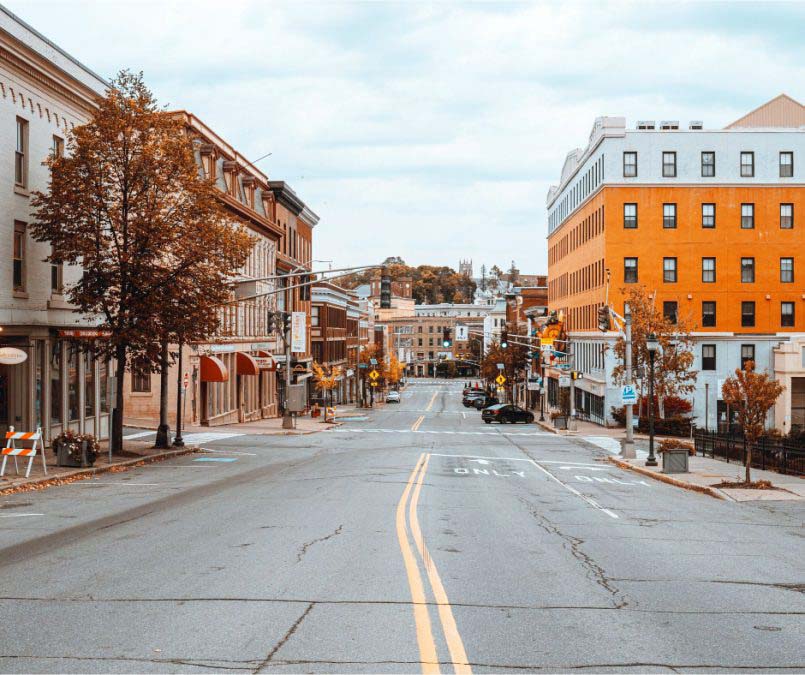
Ultimately, the decision of whether to live in a small metro or a major city comes down to personal priorities. While small metros offer a lower cost of living, they often lack the same job market diversity as larger cities.
However, with the rise of remote work, the equation is changing. Small metros are becoming increasingly attractive to remote workers seeking a more affordable lifestyle without sacrificing career opportunities. As the landscape of work continues to evolve, small metros are poised to become even more appealing, offering a unique blend of affordability, community, and the potential for career growth.
It’s tempting to think that smaller metros offer a cheaper life, but the reality is that while the cost of living might be lower, job opportunities can be scarce. This is a reality that Idaho Governor Brad Little might be facing as he gears up for the general election after a contentious primary where he defeated his own lieutenant governor, a victory that highlights the complex political landscape of the state.
Ultimately, the decision of whether to prioritize affordability or career prospects is a personal one, and it’s something that individuals must carefully consider when choosing where to settle.