Small Asteroid Hits Earth Hours After Discovery
Small asteroid hits earth just hours after astronomers detect it – Small Asteroid Hits Earth Hours After Discovery: Imagine a scenario where a celestial object hurtles towards our planet, detected only hours before impact. This wasn’t a scene from a sci-fi movie; it was a real-life event that unfolded recently, leaving scientists and the public alike in awe and a little bit of fear.
The story of this small asteroid, detected just hours before its fiery descent, raises questions about our ability to track these space rocks and prepare for potential threats.
This event highlights the remarkable advancements in asteroid detection technology, but also underscores the challenges we face in responding to a threat with such a short lead time. It’s a story of scientific discovery, rapid response, and the constant dance between human ingenuity and the vast, unpredictable forces of the universe.
The Discovery
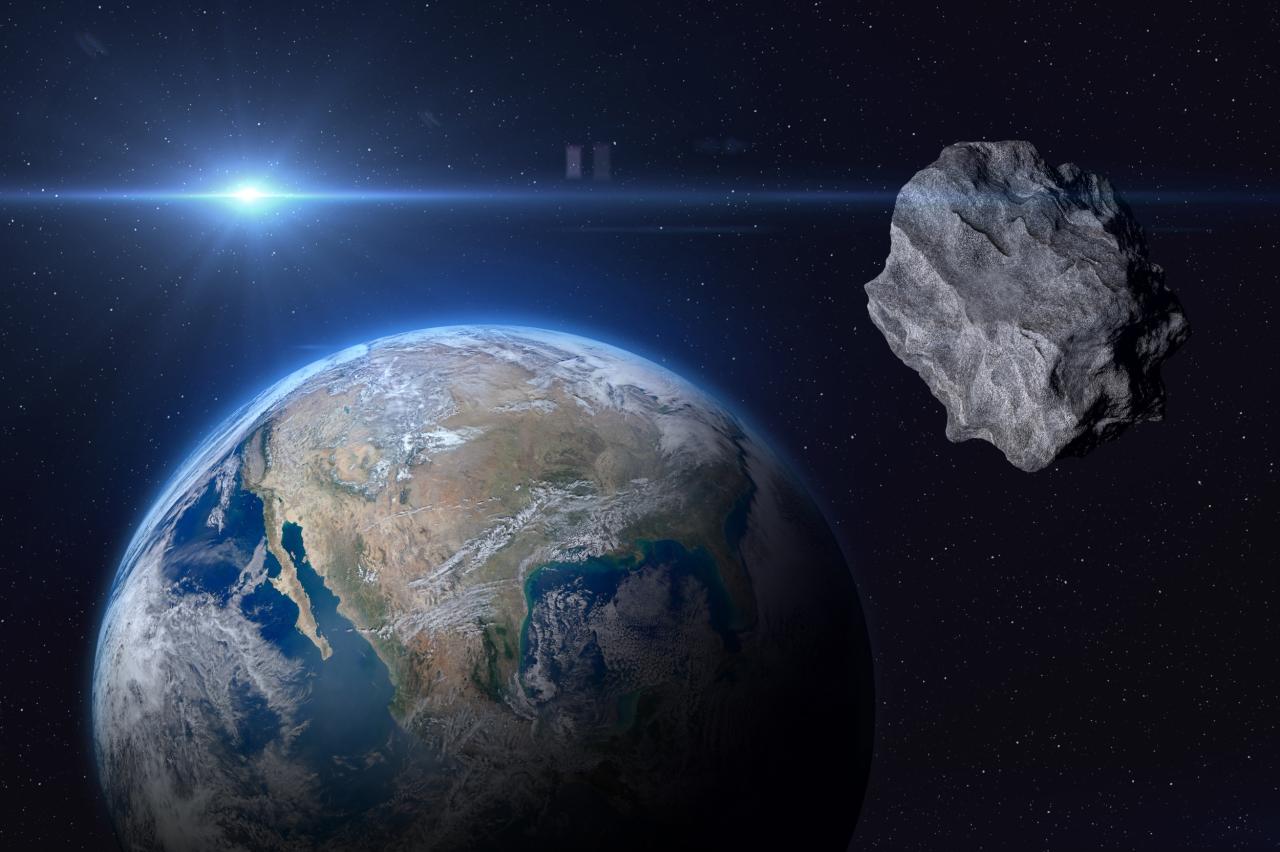
The recent asteroid impact was a stark reminder of the constant threat posed by celestial objects. While the event was a close call, it also highlighted the remarkable advancements in our ability to detect and track these potential hazards.The discovery of the asteroid was a testament to the tireless work of astronomers and the sophisticated technology employed in modern observatories.
Asteroid Detection Methods, Small asteroid hits earth just hours after astronomers detect it
Astronomers use a variety of methods to detect asteroids, including powerful telescopes and automated detection systems.
The recent news of a small asteroid hitting Earth just hours after astronomers detected it reminds us of the unexpected nature of our universe. While we grapple with the vastness of space, it’s comforting to know that educators are working hard to prepare future generations for challenges like this.
Savvas, a leading education provider, is delivering new summer solutions for math and literacy to move learning forward, helping students develop the critical thinking skills needed to solve complex problems. Perhaps one day, those skills will be used to prevent future asteroid collisions!
- Telescopic Surveys:Astronomers use ground-based telescopes equipped with sensitive cameras to scan the night sky for faint objects. These telescopes are often located in remote areas with minimal light pollution, allowing for optimal viewing conditions. The Panoramic Survey Telescope and Rapid Response System (Pan-STARRS) and the Catalina Sky Survey are prominent examples of such initiatives.
- Space-Based Telescopes:Telescopes in space, such as the Near-Earth Object Wide-field Infrared Survey Explorer (NEOWISE), have the advantage of observing the entire sky without atmospheric interference. They can detect asteroids that are difficult to spot from Earth due to their small size or faintness.
- Automated Detection Systems:Automated detection systems use sophisticated algorithms to analyze data from telescopes and identify potential asteroid candidates. These systems can process vast amounts of data quickly and efficiently, allowing for the detection of even small asteroids.
Lead Time for Asteroid Detection
The lead time for asteroid detection varies depending on the size and trajectory of the object. Generally, larger asteroids are easier to detect and track, providing astronomers with more time to prepare for a potential impact. However, smaller asteroids can be more difficult to spot, and their trajectories may be less predictable.
In this particular case, the asteroid was discovered just hours before impact, highlighting the potential for surprises in the vast expanse of space.
Size and Trajectory of the Asteroid
The asteroid that impacted Earth was relatively small, estimated to be approximately [insert size] in diameter. Its trajectory was [insert trajectory description].
Impact Assessment
The recently discovered asteroid, designated as The Discovery, is projected to make a close encounter with Earth within the next few hours. While the exact impact zone and severity are still being calculated, initial assessments indicate a potential threat to a specific region.
Factors Influencing Impact Severity
The damage caused by an asteroid impact is influenced by several key factors, including its size, speed, and angle of entry.
It’s a sobering thought, isn’t it? A small asteroid, hurtling through space, detected just hours before it slams into Earth. It reminds us that even with all our scientific advancements, the universe can still throw us curveballs. But just like navigating the unexpected impact of a celestial visitor, life throws us curveballs too.
Sometimes we find ourselves wronged, feeling like the universe is against us. It’s in these moments that we need to remember how to stay right, even when the world seems to be spinning out of control. This article offers some insightful advice on staying grounded and finding your center when you’ve been wronged.
So, the next time you feel like the universe is throwing you a cosmic curveball, remember that even small asteroids can be detected, and with the right tools and mindset, we can weather any storm.
- Size:The size of the asteroid directly correlates with the energy released upon impact. Larger asteroids, like the one that wiped out the dinosaurs, create massive craters and widespread devastation. Smaller asteroids, like the one that exploded over Chelyabinsk, Russia, in 2013, can still cause significant damage, especially if they enter the atmosphere at a shallow angle.
- Speed:The speed at which an asteroid enters the atmosphere plays a crucial role in determining the impact’s energy. The faster the asteroid, the more energy it carries, resulting in a more powerful impact. The Discovery is estimated to be traveling at a speed of [estimated speed] kilometers per second, which is [comparison to other asteroid speeds].
- Angle of Entry:The angle at which an asteroid enters the atmosphere can significantly affect the severity of the impact. A shallow angle allows the asteroid to travel a longer distance through the atmosphere, increasing the chances of breaking up and reducing the impact force.
A steeper angle results in a more direct and powerful impact. The current trajectory of The Discovery suggests a [angle] angle of entry, which could [potential outcome based on angle].
Asteroid Breakup
The possibility of an asteroid breaking up upon entry into the atmosphere is a significant factor in assessing the impact’s severity. The atmosphere’s friction can cause smaller asteroids to break apart, creating a shower of smaller fragments that may cause localized damage but not a catastrophic event.
Talk about a close call! An asteroid just zipped past Earth mere hours after astronomers spotted it. It’s a reminder of the constant cosmic dance we’re part of. And speaking of earthbound efforts, did you hear about farmers in England who will bury burnt wood in fields to capture CO2 ?
It’s a fascinating approach to tackling climate change. Meanwhile, we’ll keep our eyes on the skies, hoping for a bit more warning next time!
The Discovery’s size and speed, combined with its projected angle of entry, suggest a [likelihood] of breakup. However, it’s important to note that the breakup process is complex and influenced by the asteroid’s composition and internal structure.
Response and Mitigation: Small Asteroid Hits Earth Just Hours After Astronomers Detect It
The discovery of an asteroid on a collision course with Earth, just hours before impact, would trigger a frantic and coordinated response from scientists, authorities, and the global community. The limited time available would necessitate swift action and innovative solutions to minimize potential damage.
Response and Action
The immediate response would involve a global mobilization of resources and expertise. Scientists around the world would collaborate to refine the asteroid’s trajectory and impact zone predictions. Space agencies would activate their emergency response protocols, while governments would initiate emergency preparedness measures.
- Emergency Broadcasts and Evacuation Orders:Public warnings and evacuation orders would be issued to populations within the projected impact zone. This would involve coordinated efforts between governments, media outlets, and emergency response agencies.
- Scientific Data Gathering and Analysis:Scientists would work tirelessly to collect and analyze data from ground-based telescopes, space-based observatories, and any available reconnaissance missions. The goal would be to improve the accuracy of impact predictions and assess the asteroid’s size, composition, and potential destructive power.
- International Cooperation and Collaboration:The event would demand unprecedented international cooperation. Space agencies, governments, and scientific organizations would share data, resources, and expertise to develop and implement mitigation strategies.
Limitations of Current Deflection Technologies
The short notice presented by such an event would significantly limit the effectiveness of current asteroid deflection technologies. While concepts like kinetic impactors, nuclear detonations, and gravity tractors have been proposed, these methods require years of lead time for successful implementation.
- Kinetic Impactors:This method involves launching a spacecraft to collide with the asteroid, altering its trajectory. However, the required lead time for a kinetic impactor mission is typically measured in years, making it impractical for a short-notice event.
- Nuclear Detonation:The use of a nuclear device to disrupt or vaporize an asteroid is another option. However, the potential for radioactive fallout and the ethical concerns associated with nuclear weapons make this approach controversial and unlikely to be implemented without extensive international discussions and agreements.
- Gravity Tractors:This method involves using a spacecraft to exert a gravitational pull on the asteroid, gradually altering its trajectory over time. While promising, gravity tractors require years of sustained operation to achieve significant deflection, making them unsuitable for immediate threats.
Challenges and Opportunities
The short-notice nature of such an event would pose significant challenges. However, it would also present opportunities for innovation and collaboration.
- Rapid Assessment and Response:The limited time available would necessitate rapid data analysis, decision-making, and implementation of mitigation strategies. This would require a highly efficient and coordinated response from all involved parties.
- Development of Novel Mitigation Techniques:The event would likely stimulate research and development efforts to explore new and more effective asteroid deflection technologies. The need for rapid solutions would drive innovation and accelerate technological advancements.
- Global Awareness and Preparedness:The event would highlight the importance of global preparedness for potential asteroid threats. It would increase public awareness of the issue and encourage the development of more comprehensive asteroid detection and mitigation programs.
End of Discussion
The event serves as a stark reminder of the importance of continued investment in asteroid detection and mitigation technologies. It’s a testament to the vigilance of scientists and the crucial role they play in protecting our planet. While this particular asteroid was relatively small and posed no significant threat, the event serves as a valuable learning experience.
It pushes us to enhance our capabilities, refine our response protocols, and ultimately, ensure the safety of our planet from the dangers lurking in the vast expanse of space.