Russians Have Lost More Troops Than Afghan War
Russians have already lost approximately one third or greater troops than afghan war – Russians have already lost approximately one third or greater troops than the Afghan War, a grim statistic that underscores the severity of the ongoing conflict. This staggering figure begs the question: what are the implications for Russia’s military and its ability to wage war?
The historical context of the Soviet-Afghan War, a decade-long conflict that saw heavy casualties and ultimately contributed to the Soviet Union’s collapse, provides a stark reminder of the potential consequences of prolonged military engagements.
Analysts are scrutinizing the available data, attempting to understand the factors contributing to the high number of casualties. Military strategy, equipment, and training are all being examined, as experts seek to explain the disparity between the estimated losses in Afghanistan and the current conflict.
The impact of these casualties on Russia’s military capabilities is a critical concern, as the loss of experienced personnel and the strain on resources could have far-reaching implications for future operations.
Historical Context
The current conflict in Ukraine has sparked widespread comparisons to the Soviet-Afghan War, particularly in terms of the scale of casualties. While it is still too early to determine the exact number of Russian military personnel killed in Ukraine, estimates suggest that the losses have already surpassed those experienced during the decade-long Afghan War.
It’s hard to believe, but Russia’s already lost more troops in Ukraine than they did in the entire Afghan war. This staggering number is a testament to the brutal nature of the conflict, but it also raises concerns about the growing influence of christian nationalism on the rise in some GOP campaigns.
This ideology often promotes militarism and a sense of exceptionalism, which could fuel further aggression and conflict. As we see the devastating consequences of Russia’s war in Ukraine, it’s crucial to remember the human cost of these conflicts and the dangers of unchecked nationalism.
This raises important questions about the historical significance of the Soviet-Afghan War and its lasting impact on Soviet military doctrine.
The Soviet-Afghan War and Its Impact on Soviet Military Doctrine
The Soviet-Afghan War, which lasted from 1979 to 1989, was a brutal and protracted conflict that had a profound impact on the Soviet Union. The war not only resulted in significant casualties but also exposed weaknesses in Soviet military doctrine and strategy.
The war demonstrated the challenges of fighting a protracted insurgency in a mountainous and rugged terrain. The Afghan mujahideen, armed and supported by the United States and other Western powers, were able to effectively utilize guerrilla tactics and blend seamlessly with the local population, making it difficult for the Soviet forces to distinguish between combatants and civilians.
This contributed to the high number of civilian casualties and the erosion of public support for the war within the Soviet Union.The war also highlighted the limitations of Soviet military technology in counterinsurgency operations. The Soviet military, heavily reliant on mechanized forces and heavy artillery, proved to be ill-suited to fighting in the mountainous terrain of Afghanistan.
The mujahideen, on the other hand, were able to effectively utilize light weapons and portable anti-tank missiles, which proved highly effective against Soviet armor.The Soviet-Afghan War ultimately contributed to the decline of the Soviet Union. The war was a costly and unpopular endeavor that drained the Soviet economy and undermined public confidence in the regime.
The war also contributed to the rise of Islamic fundamentalism in Afghanistan, which had a significant impact on regional stability and global security.
Timeline of the Soviet-Afghan War
The Soviet-Afghan War was a complex and multifaceted conflict with numerous key battles and events. Here is a timeline highlighting some of the most significant moments:
- December 1979:Soviet forces invade Afghanistan, launching Operation Storm-333, with the stated aim of supporting the Afghan government against anti-communist insurgents. This marked the beginning of the Soviet-Afghan War.
- 1980-1985:The war intensifies as the Afghan mujahideen, backed by the United States and other Western powers, gain ground. The Soviet Union faces increasing casualties and public opposition to the war.
- 1986:The Soviet Union launches Operation Magistral, a large-scale offensive aimed at securing key roads and supply routes in Afghanistan. The operation resulted in heavy casualties for both sides but failed to achieve its strategic objectives.
- 1987:The Soviet Union begins to withdraw troops from Afghanistan, with the first withdrawal taking place in May 1987. This was a sign of the Soviet Union’s growing recognition of the unwinnable nature of the war.
- February 1989:The last Soviet troops withdraw from Afghanistan, marking the end of the Soviet-Afghan War. The withdrawal was a symbolic defeat for the Soviet Union and a major victory for the Afghan mujahideen.
Casualty Estimates and Data Analysis
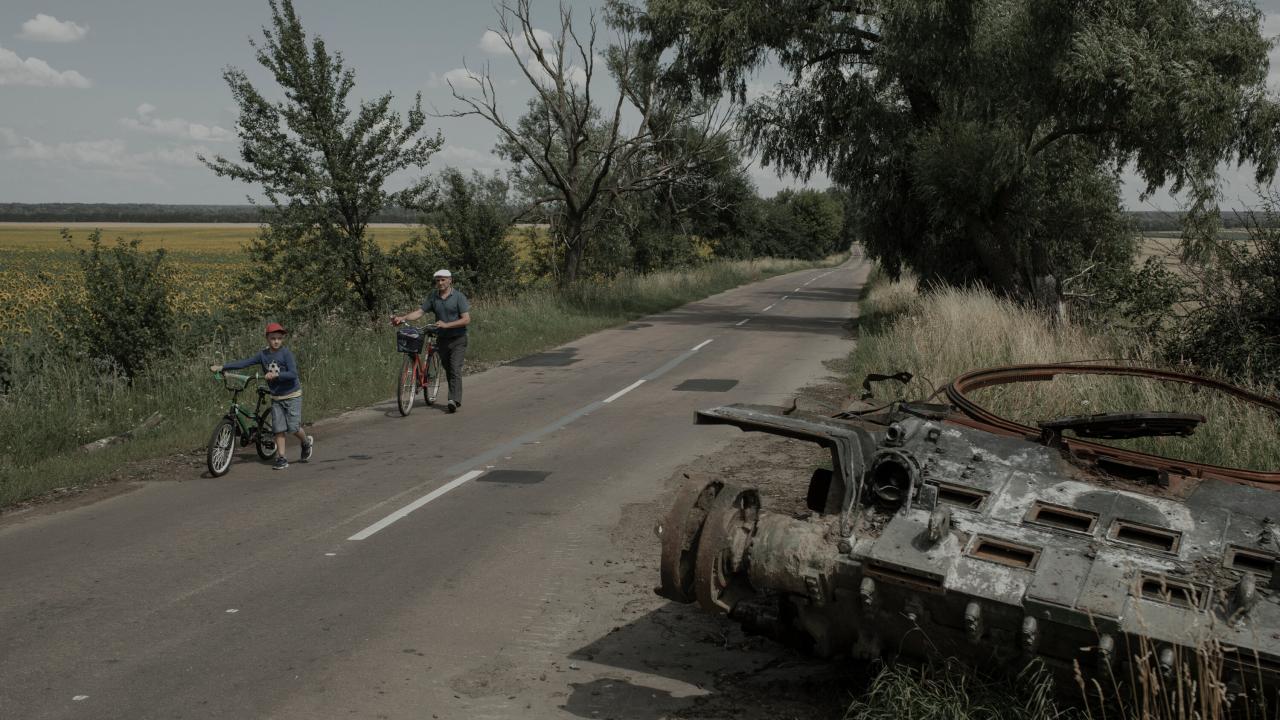
Accurately assessing the number of casualties in the Ukraine conflict is a complex and challenging task. Both sides have a vested interest in shaping the narrative, leading to varying levels of transparency and reliability in their respective casualty figures. Independent verification is often difficult due to the ongoing nature of the conflict and restrictions on access to information.
Casualty Estimates from Both Sides
The reliability of casualty estimates from both Russia and Ukraine is subject to significant scrutiny. Russia has been criticized for underreporting its losses, while Ukraine has been accused of exaggerating its figures for strategic purposes. Independent verification of casualty numbers is extremely challenging due to the ongoing conflict and limitations on access to battlefields.
- Russia:Russia has been criticized for its lack of transparency regarding its military losses. Official statements often contradict independent estimates, and there have been allegations of censorship and suppression of information. While Russia acknowledges some losses, it has been accused of downplaying the true extent of its casualties.
It’s hard to fathom the scale of the losses Russia is enduring in Ukraine, especially when you consider that they’ve already lost more troops than they did in the entire Afghan war. It’s a stark reminder of the human cost of conflict, and it’s a tragedy for all involved.
While the world grapples with this grim reality, there are also stories of hope and resilience emerging. A recent announcement that digital health platform Parallel Learning has secured $20 million in Series A funding is a testament to the power of innovation and its ability to make a positive impact.
It’s a reminder that even in the darkest of times, there is always light to be found, and that progress can be made, even in the face of unimaginable challenges.
- Ukraine:Ukraine has also been accused of exaggerating its casualty figures, potentially for strategic reasons, including seeking increased international support and aid. While Ukraine provides regular updates on its losses, the reliability of these figures is subject to debate.
Data Analysis of Russian Military Losses
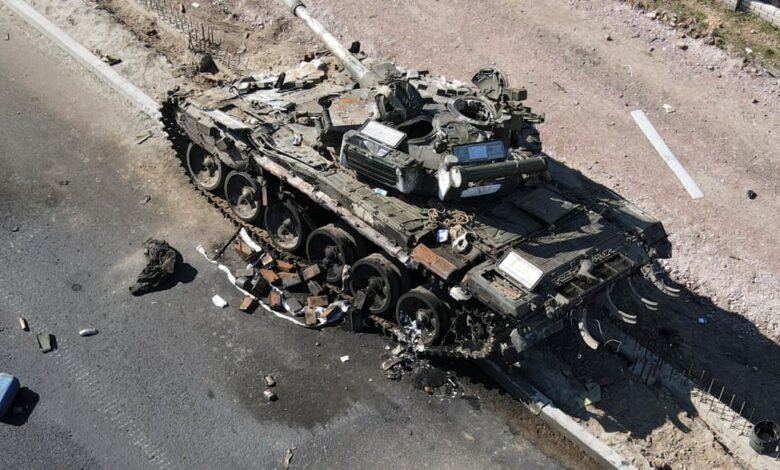
Available data suggests that Russian military losses in Ukraine have surpassed those incurred during the Afghan War. While precise figures are difficult to obtain, independent estimates indicate that Russia has suffered tens of thousands of casualties, including significant numbers of killed and wounded.
- Comparison to Afghan War:The estimated number of Russian soldiers killed in the Afghan War is between 15,000 and 20,000. Current estimates suggest that Russian casualties in Ukraine have already exceeded this number, with some estimates reaching over 30,000 killed.
- Factors Contributing to High Casualties:Several factors contribute to the high number of casualties in the Ukraine conflict, including:
- Poorly Planned and Executed Invasion:Russia’s initial invasion plan was poorly conceived and executed, resulting in significant tactical setbacks and heavy losses.
- Ukrainian Resistance:The Ukrainian military, bolstered by Western support, has mounted a fierce and determined resistance, inflicting heavy casualties on Russian forces.
- Modern Warfare:The conflict involves the use of modern weapons and technologies, increasing the lethality of combat and contributing to higher casualty rates.
- Lack of Proper Training and Equipment:Some reports suggest that Russian forces have been deployed with inadequate training and equipment, making them more vulnerable in combat.
Impact on Russian Military Capabilities: Russians Have Already Lost Approximately One Third Or Greater Troops Than Afghan War
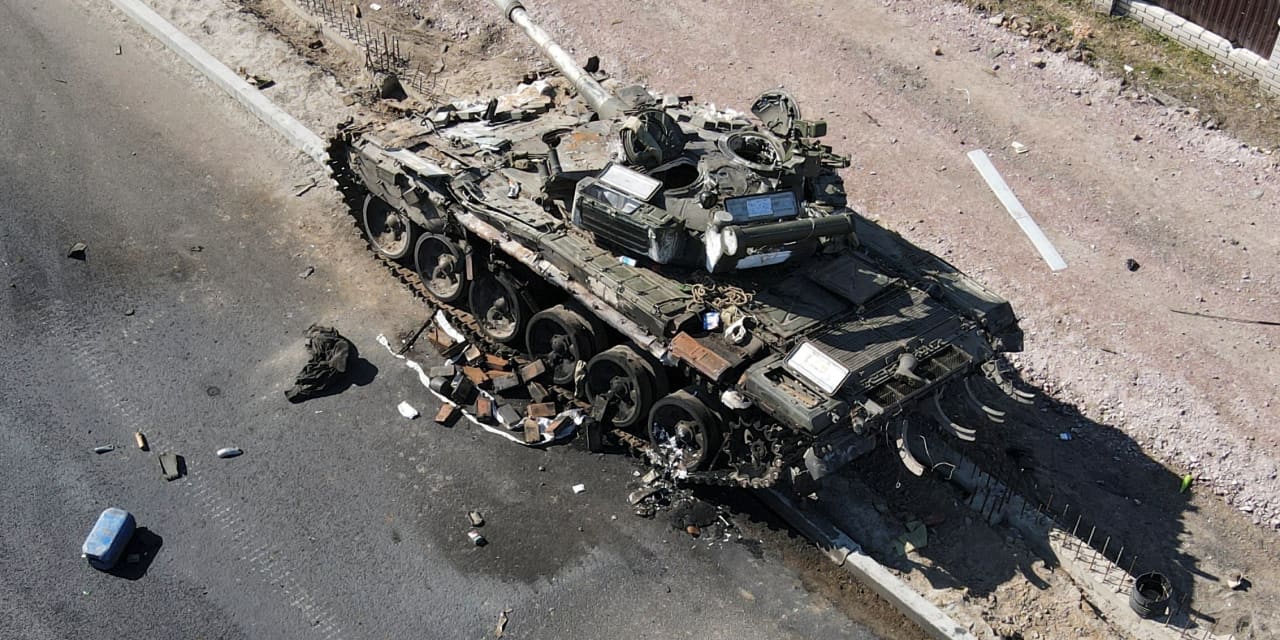
The heavy casualties sustained by the Russian military in Ukraine have significant implications for its long-term ability to wage war. The loss of experienced personnel, the strain on military resources, and the disruption to training and recruitment all contribute to a weakened military force.
Impact on Military Personnel
The sheer scale of Russian casualties in Ukraine has a profound impact on the military’s human capital. The loss of experienced personnel, particularly officers and non-commissioned officers, weakens the military’s command and control structure, operational expertise, and overall combat effectiveness.
The depletion of manpower also strains the military’s ability to sustain operations and maintain a constant presence in multiple theaters.
Impact on Military Resources
The heavy reliance on conscripts and the depletion of experienced personnel have strained the Russian military’s resources. The need to replenish manpower necessitates increased recruitment and training, placing a significant burden on the military’s logistical infrastructure and training facilities. Moreover, the extensive use of advanced weaponry and equipment in Ukraine has depleted stocks, raising concerns about the military’s ability to sustain future conflicts.
Potential Consequences for Future Military Operations
The heavy casualties in Ukraine have exposed vulnerabilities in the Russian military’s capabilities. The loss of experienced personnel, the strain on resources, and the disruption to training and recruitment all contribute to a weakened military force. This has implications for future military operations.
For instance, the Russian military’s ability to conduct large-scale offensive operations, particularly those requiring sustained combat operations, could be significantly hampered. Additionally, the military’s ability to maintain a constant presence in multiple theaters could be compromised.
International and Domestic Reactions
The unprecedented scale of Russian casualties in Ukraine has sparked significant reactions from both international leaders and organizations, as well as within Russia itself. The potential impact on domestic public opinion and political discourse is a major concern, given the historical significance of military losses in shaping Russian society and politics.
International Reactions
The international community has expressed deep concern over the reported high casualty figures among Russian troops in Ukraine. Many world leaders and organizations have condemned the invasion of Ukraine and called for an end to the conflict.
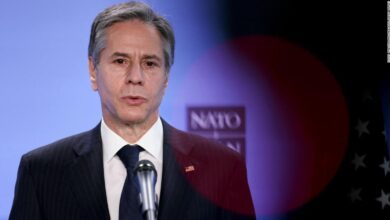
- NATOhas repeatedly condemned Russia’s aggression and provided military aid to Ukraine. NATO Secretary General Jens Stoltenberg has stated that the “brutal war” in Ukraine is “a tragedy for the Ukrainian people” and “a threat to European security.”
- The European Unionhas imposed severe sanctions on Russia, including economic and financial measures, targeting key sectors and individuals. EU leaders have also expressed concern about the humanitarian crisis unfolding in Ukraine and have called for an immediate ceasefire.
- The United Stateshas provided substantial military and financial assistance to Ukraine, including advanced weaponry and intelligence support. President Joe Biden has condemned the invasion as a “violation of international law” and a “grave threat to the international order.”
Domestic Reactions in Russia
The Russian government has been cautious in its reporting of casualties, often downplaying the true extent of losses. However, the high number of deaths has undoubtedly impacted domestic public opinion and political discourse within Russia.
- Pro-war sentimenthas been evident in some segments of Russian society, particularly among those who support the invasion and believe in the Kremlin’s narrative of a “special military operation” to liberate Ukraine from “Nazi rule.”
- Anti-war sentimenthas also emerged, particularly among families of fallen soldiers and those who are increasingly aware of the true cost of the conflict. While open dissent is increasingly risky in Russia due to strict censorship and legal restrictions, there have been reports of protests and public expressions of grief over the losses.
- The potential for a backlashagainst the government, particularly if the war drags on and casualties continue to mount, is a significant concern. Historically, Russia has seen periods of political instability and social unrest following major military defeats or setbacks.
Impact on Russian Public Opinion and Political Discourse, Russians have already lost approximately one third or greater troops than afghan war
The war in Ukraine has undoubtedly had a significant impact on Russian public opinion and political discourse.
- Increased censorship and propaganda: The Russian government has intensified its efforts to control information and narratives surrounding the war, restricting independent media and silencing dissenting voices. This has created a highly polarized information environment, where pro-war propaganda dominates public discourse.
- Growing awareness of the war’s true cost: Despite the government’s attempts to control the narrative, the increasing number of casualties and the economic hardship associated with the war are gradually penetrating the information blockade. This is leading to a growing awareness of the war’s true cost and its impact on ordinary Russians.
- Potential for social unrest: As the war continues, the potential for social unrest and a backlash against the government increases. The war’s economic and social impact, coupled with the mounting casualties, could lead to a decline in public support for the conflict and the Kremlin’s policies.
It’s hard to wrap your head around the sheer scale of the losses Russia is facing in Ukraine. We’re talking about a casualty rate that’s already exceeding what they experienced in the entire Afghan War. It’s a sobering reminder that the human cost of conflict is always immense.
And it brings to mind a recent call from Education Secretary Miguel Cardona in a visit to Los Angeles, where he urged colleges to do more to address the housing crisis facing students. It’s a reminder that even as we grapple with global conflict, we also need to prioritize the well-being of those in our own communities, especially those who are most vulnerable.
Future Implications
The staggering number of casualties suffered by Russia in Ukraine has far-reaching implications for the conflict’s trajectory and Russia’s future. These losses, exceeding those in the Afghanistan War, have significantly weakened the Russian military and cast a long shadow over its strategic capabilities.
The conflict’s outcome and its impact on Russia’s domestic and international standing remain uncertain, but the potential scenarios are fraught with consequences.
Potential Scenarios for Conflict Resolution
The heavy losses sustained by Russia raise questions about the potential scenarios for conflict resolution and their implications for Russia’s future.
- Negotiated Settlement:A negotiated settlement, potentially involving concessions from both sides, is one possibility. However, the current animosity and lack of trust between Russia and Ukraine make such a scenario challenging. Russia’s demands for territorial gains and Ukraine’s determination to regain control of its occupied territories present significant obstacles to any agreement.
- Stalemate:A prolonged stalemate, where neither side can achieve a decisive victory, is another possibility. This scenario would likely result in continued fighting and humanitarian suffering, while also putting significant strain on both economies. The potential for escalation and regional instability also looms large.
- Russian Withdrawal:A Russian withdrawal from Ukraine, either due to military setbacks or domestic pressure, is a possibility. However, such a scenario would likely be accompanied by significant political and economic consequences for Russia, including potential sanctions and isolation.
Final Conclusion
The magnitude of Russia’s losses in this conflict has sent shockwaves throughout the international community. The potential impact on Russia’s military, its domestic political landscape, and the future course of the conflict are all subject to intense debate. As the situation unfolds, it is crucial to remain informed and consider the implications of this grim reality.
The question of whether Russia can sustain these losses and achieve its objectives remains a key point of contention.