Elect More Liberals: Biden & Democrats Need Manchins Advice
Opinion elect more liberals biden and democrats need to trumpet manchins advice to save democracy – Elect More Liberals: Biden & Democrats Need Manchin’s Advice to Save Democracy. This statement might seem radical, but it’s a call to action echoing through the halls of American politics. As the nation grapples with political polarization and the threat to democratic institutions, the question of how to move forward looms large.
This blog explores the current political landscape, the role of moderate Democrats, and the crucial need to mobilize voters in order to preserve the future of American democracy.
The 2020 election and the January 6th insurrection revealed the fragility of American democracy. The polarization between Democrats and Republicans has reached a fever pitch, fueled by misinformation and partisan media. This divide has made it increasingly difficult for the government to function effectively, leaving many Americans feeling disillusioned and disenfranchised.
The Role of Moderate Democrats
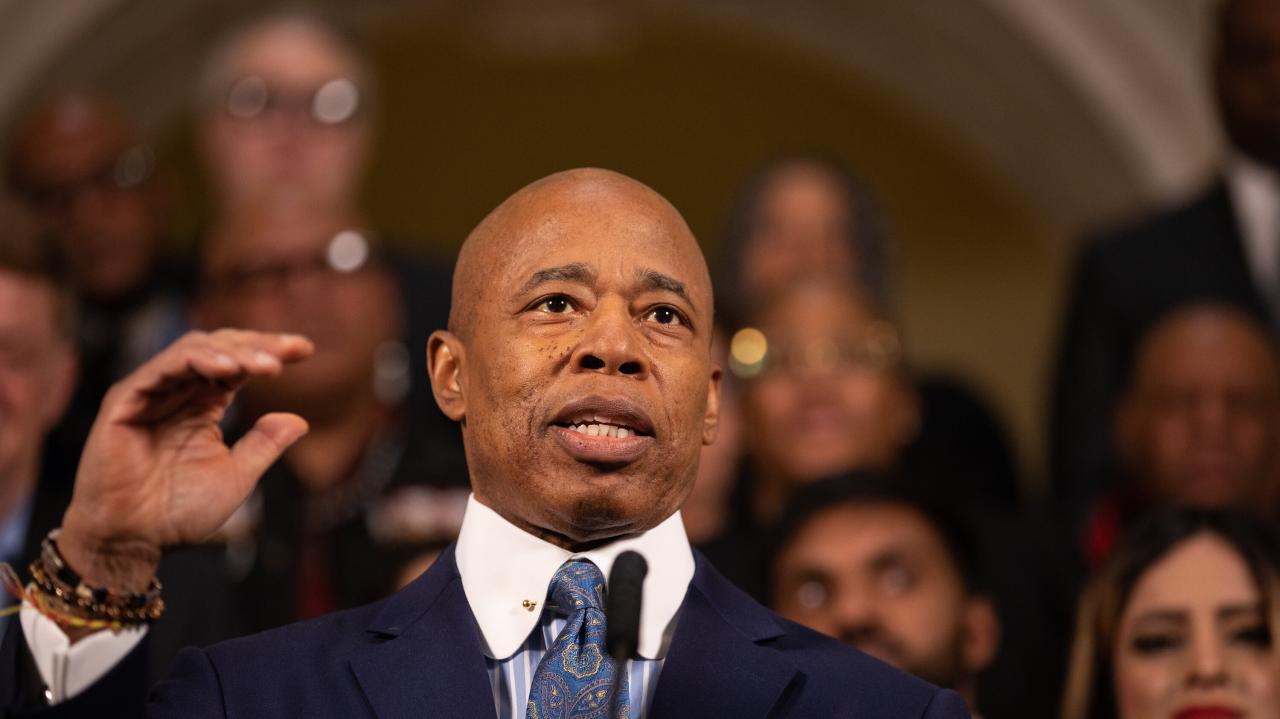
Moderate Democrats, often referred to as “centrists,” play a significant role in shaping the political landscape, particularly within the Democratic Party. Their views and actions often diverge from those of more liberal Democrats, leading to internal debates and influencing the party’s ability to pass legislation.
It’s clear that we need more liberal voices in government if we want to see real progress on issues like climate change and voting rights. Biden and the Democrats need to take a page from Manchin’s playbook and focus on finding common ground, even if it means compromising on some of their ideals.
Sometimes, even the most hardened political battles can be softened with a little bit of culinary creativity, like this delicious pajeon recipe that breathes new life into wilted vegetables. Just like Manchin’s advice, it’s about finding a way to make something good out of what you have, even when it’s not perfect.
We need to find that same spirit of compromise and collaboration in our political discourse if we want to truly save democracy.
Impact of Moderate Democrats on Legislation
Moderate Democrats’ influence on the Democratic Party’s legislative agenda is significant, particularly in the current political climate. Their support is crucial for passing legislation, as the party often holds a slim majority in Congress. For example, Senator Joe Manchin’s opposition to key provisions of President Biden’s Build Back Better Act, including climate change initiatives and expanded social safety net programs, ultimately led to its failure.
Moderate Democrats’ Views and Actions
Moderate Democrats often prioritize bipartisanship and compromise, seeking to find common ground with Republicans on key issues. This approach can lead to more moderate legislation, but it can also frustrate more liberal Democrats who believe that the party should push for more progressive policies.
For instance, Senator Kyrsten Sinema’s opposition to eliminating the filibuster, a procedural rule in the Senate that requires 60 votes to pass most legislation, has been criticized by some liberal Democrats who argue that it hinders the party’s ability to pass its agenda.
The Importance of Mobilizing Voters
In the realm of American politics, voter turnout plays a pivotal role in determining the outcome of elections. The ability to mobilize voters, particularly within the Democratic base, is crucial for securing electoral victories and advancing progressive policies. A high voter turnout translates to a stronger mandate for the party’s agenda and increased leverage in shaping public policy.
Factors Influencing Voter Turnout
Understanding the factors that influence voter turnout is essential for crafting effective mobilization strategies. Demographics, party affiliation, and political engagement are key drivers of voter participation.
- Demographics:Age, race, ethnicity, and socioeconomic status can significantly impact voter turnout. Younger voters, for example, tend to have lower turnout rates than older voters. Similarly, racial and ethnic minorities often face barriers to voting, such as voter ID laws and limited access to polling places.
The debate over electing more liberals is a heated one, but I think we can all agree that Biden and the Democrats need to listen to Manchin’s advice on saving democracy. If we want to preserve our institutions, we need to focus on building consensus and finding common ground.
This isn’t just about politics, it’s about the future of our country. And while we’re talking about the future, have you considered starting an e-commerce business in retirement? It’s a great way to stay engaged and make some extra money, and there are plenty of resources available to help you get started, like this article on 10 reasons why this is a great idea.
Just remember, a healthy democracy needs engaged citizens, and that means being active in our communities, whether it’s through political participation or starting a new business. We all have a role to play.
- Party Affiliation:Voters who strongly identify with a particular party are more likely to cast ballots. Partisan loyalty can be a powerful motivator for voter participation, especially in close elections.
- Political Engagement:Individuals who are politically engaged, such as those who follow current events, participate in political discussions, and volunteer for campaigns, are more likely to vote. Political engagement fosters a sense of civic duty and responsibility, encouraging voters to participate in the electoral process.
Strategies for Increasing Voter Turnout
To effectively mobilize voters, Democrats must employ a multifaceted approach that addresses the unique needs and motivations of different segments of the electorate.
- Voter Registration Drives:Simplifying the voter registration process and conducting widespread registration drives can increase the number of eligible voters. This can involve partnerships with community organizations, churches, and schools to make registration accessible and convenient.
- Get-Out-the-Vote Efforts:Targeted get-out-the-vote campaigns, utilizing phone banking, door-to-door canvassing, and social media outreach, can effectively remind voters about election dates and encourage them to cast their ballots. These campaigns should be tailored to the specific demographics and interests of target voters.
- Early Voting and Absentee Voting:Expanding access to early voting and absentee voting options can make voting more convenient and accessible for individuals with busy schedules or limited mobility. This can also reduce the likelihood of long lines and voting delays on Election Day.
- Grassroots Mobilization:Engaging volunteers and mobilizing grassroots activists can play a vital role in voter turnout efforts. These individuals can reach out to their networks, organize community events, and spread the word about the importance of voting.
The Future of Democracy in the United States
The United States, long lauded as a beacon of democracy, is facing a critical juncture. The very fabric of its democratic institutions is under strain, with a confluence of challenges threatening to erode the principles of free and fair elections, citizen participation, and the rule of law.
The Challenges Facing American Democracy
The challenges to American democracy are multifaceted and interconnected. They include voter suppression, gerrymandering, and political polarization, all of which have a profound impact on the integrity and future of democratic institutions.
I’m starting to think that if we want to truly save democracy, we need to elect more liberals. Biden and the Democrats need to take a page from Manchin’s book and focus on practical solutions that can garner bipartisan support.
But, stories like the one about the Columbia graduate student brutally beaten in Manhattan make it clear that we’re facing a crisis of violence and fear in our society. We need to find a way to address these issues head-on, and that means uniting the country around a common purpose, not dividing it further.
- Voter Suppression: Voter suppression refers to efforts to make it harder for certain groups of people to vote, often targeting minority communities, low-income individuals, and young voters. This can take various forms, including strict voter ID laws, cuts to early voting and same-day registration, and purging voter rolls.
For example, the Supreme Court’s 2013 decision in Shelby County v. Holderweakened the Voting Rights Act of 1965, allowing states with a history of racial discrimination to implement voting restrictions without federal oversight. This has led to a resurgence of voter suppression efforts across the country.
- Gerrymandering: Gerrymandering is the manipulation of electoral district boundaries to favor a particular political party or group. This practice can result in unfair elections, where one party consistently wins a disproportionate number of seats despite receiving fewer votes overall.
For example, in North Carolina, Republicans used gerrymandering to secure a supermajority in the state legislature, despite receiving only 49% of the statewide vote. This gives them significant control over redistricting, ensuring their continued dominance.
- Political Polarization: Political polarization refers to the increasing divide between the two major political parties in the United States. This divide has been exacerbated by factors such as partisan media, social media echo chambers, and the rise of identity politics.
This polarization has made it increasingly difficult for elected officials to find common ground and work together to address pressing issues. It also fuels distrust in government and institutions, leading to a decline in civic engagement.
The Role of Communication and Messaging: Opinion Elect More Liberals Biden And Democrats Need To Trumpet Manchins Advice To Save Democracy
In the current political landscape, effective communication and messaging are paramount to shaping public opinion and influencing political discourse. Democrats need to strategically craft their message to resonate with voters and build a compelling narrative that aligns with their values and aspirations.
Strategies for Effective Communication
Effective communication strategies are essential for Democrats to connect with voters and advocate for their policies.
- Emphasize Shared Values:Democrats should focus on common ground with voters by highlighting shared values such as economic security, healthcare access, and environmental protection. Framing policies in terms of these values can resonate with a broader audience.
- Use Clear and Concise Language:Complex political jargon can alienate voters. Democrats should employ clear and concise language that is easily understood by the average person.
- Utilize Multiple Communication Channels:Reaching diverse audiences requires utilizing various communication channels. This includes traditional media like television and newspapers, as well as social media platforms, community events, and door-to-door canvassing.
- Engage in Local Outreach:Democrats should prioritize local outreach efforts, engaging with communities directly to understand their concerns and tailor their message accordingly. This grassroots approach can build trust and strengthen connections with voters.
Crafting a Messaging Strategy, Opinion elect more liberals biden and democrats need to trumpet manchins advice to save democracy
Democrats need a compelling communication strategy that emphasizes the importance of democracy and the need to elect more liberals.
- Highlight the Threats to Democracy:Democrats should articulate the dangers posed by authoritarianism and the erosion of democratic norms. This message should be clear and urgent, emphasizing the need to protect democratic institutions and values.
- Emphasize the Benefits of Liberal Policies:Democrats should showcase the tangible benefits of their policies, such as expanding access to affordable healthcare, investing in education, and promoting economic fairness. This message should focus on how these policies improve people’s lives and create a more just and equitable society.
- Connect with Voters on a Personal Level:Democrats should personalize their message, highlighting how their policies directly impact individuals and families. This can involve sharing stories of people who have benefited from liberal policies or highlighting the struggles of those who are being left behind by current systems.
Ultimate Conclusion
The future of American democracy hangs in the balance. It’s time for Democrats to heed Manchin’s advice and focus on building a broader coalition of support. This means reaching out to moderate voters, emphasizing common ground, and finding solutions that benefit all Americans.
By embracing a more pragmatic approach, Democrats can overcome the partisan gridlock and ensure a future where democracy thrives.