
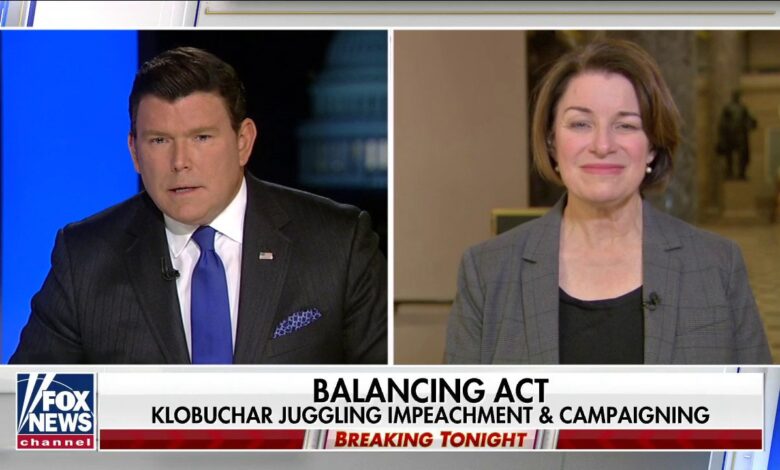
Sen. Amy Klobuchar Tells SCOTUS: Do Something About Clarence Thomas
Sen amy klobuchar tells scotus they better do something about clarence thomas – Sen. Amy Klobuchar Tells SCOTUS: Do Something About Clarence Thomas. This statement, delivered during a recent Senate hearing, has sparked a national conversation about the ethical standards of the Supreme Court. Klobuchar’s direct call for action against Justice Clarence Thomas, who has been embroiled in a series of ethical controversies, has raised questions about the future of the Court and its ability to maintain public trust.
Klobuchar’s statement highlights a growing concern about the ethical lapses of Justice Thomas. The specific concerns involve his wife’s political activism and his alleged failure to disclose financial conflicts of interest. These accusations have led to calls for his resignation or even impeachment.
Klobuchar’s statement underscores the seriousness of these concerns and the need for the Court to address them head-on.
Senator Amy Klobuchar’s Statement: Sen Amy Klobuchar Tells Scotus They Better Do Something About Clarence Thomas
Senator Amy Klobuchar, a Democrat from Minnesota, has been a vocal critic of Justice Clarence Thomas, particularly in light of recent revelations about his wife’s political activities and his own financial dealings. Her statements have been made during various Senate hearings and public events, often highlighting concerns about potential conflicts of interest and ethical breaches.
Context of Senator Klobuchar’s Statements
Senator Klobuchar’s statements regarding Justice Thomas have been made within the broader context of ongoing debates about the Supreme Court’s legitimacy and the ethical conduct of its justices. Her concerns have been fueled by several factors, including:
- Ginni Thomas’s Political Activities:Ginni Thomas, Justice Thomas’s wife, has been actively involved in political activism, particularly within conservative circles. Her involvement in efforts to overturn the 2020 presidential election has raised concerns about potential conflicts of interest for Justice Thomas, as he sits on the court that ultimately decides election-related cases.
- Justice Thomas’s Financial Disclosures:Justice Thomas has faced scrutiny over his financial disclosures, including his failure to report certain gifts and income. These omissions have led to accusations of financial impropriety and a lack of transparency.
- Calls for Ethical Reform:Senator Klobuchar has joined calls for ethical reforms within the Supreme Court, arguing that the current system is inadequate and needs to be strengthened. She has advocated for stricter disclosure requirements and a code of conduct for justices, aimed at addressing potential conflicts of interest and maintaining public trust.
Key Points and Arguments
Senator Klobuchar’s statements have consistently focused on several key points:
- Transparency and Accountability:She has emphasized the importance of transparency and accountability for all justices, arguing that the public has a right to know about their financial dealings and potential conflicts of interest.
- Maintaining Public Trust:Senator Klobuchar has argued that the Supreme Court’s legitimacy rests on public trust, and that recent events have eroded that trust. She believes that ethical breaches and lack of transparency undermine the court’s credibility.
- Need for Ethical Reforms:She has called for concrete reforms to address the issues of transparency and ethical conduct within the Supreme Court. She has advocated for stricter disclosure requirements, a code of conduct, and increased oversight of justices’ activities.
Potential Implications
Senator Klobuchar’s statements have had a significant impact on the public discourse surrounding Justice Thomas and the Supreme Court. They have contributed to growing calls for ethical reforms and increased scrutiny of the court’s activities. While the immediate impact on Justice Thomas’s position remains unclear, his actions and decisions will continue to be closely watched in light of these concerns.
Her statements have also highlighted the importance of public accountability and transparency within the judicial system.
Justice Clarence Thomas and Ethics Concerns
Justice Clarence Thomas, a prominent figure on the Supreme Court, has faced increasing scrutiny over ethical concerns related to his conduct and financial dealings. These concerns have raised questions about potential conflicts of interest and the integrity of the Court itself.
Allegations of Ethical Violations, Sen amy klobuchar tells scotus they better do something about clarence thomas
Several allegations of ethical violations have been raised against Justice Thomas. These include:
- Failure to Disclose Gifts and Travel:Justice Thomas has been accused of failing to disclose gifts and travel expenses from wealthy donors, including trips on private jets and luxury vacations. These undisclosed benefits raise concerns about potential influence peddling and conflicts of interest. For instance, a 2021 ProPublica investigation revealed that Thomas had accepted lavish gifts from Republican megadonor Harlan Crow, including private jet travel, a yacht trip, and a stay at Crow’s private resort.
Thomas had not disclosed these gifts on his financial disclosure forms, as required by law.
- Wife’s Political Activities:Ginni Thomas, Justice Thomas’s wife, is a conservative activist who has been involved in various political activities, including efforts to overturn the 2020 presidential election. Critics argue that her activities create a potential conflict of interest for Justice Thomas, as he may be influenced by her political leanings when deciding cases.
Senator Amy Klobuchar’s impassioned plea to the Supreme Court to address the ethical concerns surrounding Justice Clarence Thomas has sparked a national conversation. While the legal world grapples with this complex issue, scientists are making strides in a completely different field – new ionogels are tough, stretchable, and easy to make.
These innovative materials could revolutionize everything from robotics to biomedicine. Perhaps the Supreme Court could benefit from some of this cutting-edge innovation as they navigate the challenging path ahead.
For example, Ginni Thomas’s involvement in the January 6th Capitol riot has been a subject of intense scrutiny, raising questions about whether her political activism influenced her husband’s judicial decisions.
- Close Ties to Corporate Interests:Justice Thomas has been criticized for his close ties to corporate interests, including his investments in companies that have appeared before the Supreme Court. Critics argue that these investments could create a bias in his decision-making, as he may be motivated to protect the interests of his investors.
For example, Thomas’s investments in companies that have been involved in cases before the Supreme Court, including corporations like the energy giant Koch Industries, have been questioned by ethics experts.
Arguments for and Against Ethical Concerns
There are strong arguments both for and against the ethical concerns raised against Justice Thomas.
- Arguments in Favor of Concerns:Supporters of the ethical concerns argue that Justice Thomas’s actions violate the public trust and undermine the legitimacy of the Supreme Court. They point to the potential for conflicts of interest and the appearance of impropriety, arguing that these factors compromise the Court’s impartiality and erode public confidence in the judiciary.
They also emphasize the importance of transparency and accountability, arguing that Justice Thomas’s failure to disclose gifts and travel expenses is a serious breach of ethical standards.
- Arguments Against Concerns:Supporters of Justice Thomas argue that the allegations are politically motivated and that there is no evidence of actual wrongdoing. They maintain that his personal life and financial dealings are irrelevant to his judicial decisions and that he is a highly qualified jurist who has served with integrity.
They also contend that the Supreme Court’s internal rules regarding recusals are sufficient to address any potential conflicts of interest.
Consequences of Ethical Concerns
The ethical concerns surrounding Justice Thomas have far-reaching consequences for the Supreme Court and the American judicial system.
- Erosion of Public Trust:The allegations have eroded public trust in the Supreme Court, as many Americans question the integrity and impartiality of the justices. This erosion of trust can have a significant impact on the Court’s ability to function effectively and maintain its legitimacy.
- Calls for Reform:The concerns have led to calls for reform of the Supreme Court’s ethics rules, including stricter disclosure requirements and clearer guidelines for recusals. These reforms aim to address the perceived lack of transparency and accountability in the Court’s operations.
- Impact on Judicial Decisions:The allegations have also raised questions about the impact of Justice Thomas’s personal interests on his judicial decisions. Critics argue that his decisions may be influenced by his financial dealings and his wife’s political activities, while supporters maintain that his decisions are based solely on the law.
This debate has fueled discussions about the potential for bias and the importance of maintaining judicial independence.
The Supreme Court and Ethical Standards

The Supreme Court of the United States is the highest court in the land, and its justices are expected to uphold the highest ethical standards. These standards are crucial to maintaining public trust in the court and ensuring the integrity of the judicial system.
Historical Context of Ethical Standards within the Supreme Court
The ethical standards expected of Supreme Court justices have evolved over time. Early Supreme Court justices were not subject to the same level of scrutiny as they are today. However, as the court’s role in American society grew, so too did the importance of maintaining public confidence in its integrity.
Senator Klobuchar’s call for action against Justice Thomas is certainly a hot topic, but honestly, I’m more fixated on Elon Musk’s massive bid for Twitter. It’s a move that’s got everyone talking, and the fact that he’s putting up a staggering $46.5 billion makes it clear he’s serious about owning the platform.
elon musk signals with 46 5 billion hes serious about buying twitter I can’t help but wonder how this will affect the future of Twitter, and what implications it might have for the debate surrounding Justice Thomas.
In the 20th century, the Supreme Court began to adopt more formal ethical standards, and these standards have continued to evolve in recent decades.
Ethical Standards for Supreme Court Justices
The ethical standards for Supreme Court justices are designed to ensure that they are impartial and independent. They are expected to avoid conflicts of interest, uphold the law, and maintain the public’s trust in the court.
Ethical Standards for Supreme Court Justices
- Avoid Conflicts of Interest: Justices must avoid any situation that could create the appearance of impropriety. This includes avoiding financial conflicts of interest, as well as conflicts of interest arising from personal relationships. For example, a justice should not rule on a case involving a company in which they own stock.
Senator Amy Klobuchar’s call for action against Justice Clarence Thomas has certainly sparked a lot of conversation. But if you’re looking for a break from the political drama, you might want to check out the PS5 and PS5 Digital Edition pre-orders, which start at 12pm today.
Whether you’re team “get rid of Thomas” or team “let’s play some games,” there’s something for everyone today!
- Uphold the Law: Justices are expected to uphold the law, even if they disagree with it. They must also be impartial and fair in their rulings.
- Maintain Public Trust: Justices must maintain the public’s trust in the court. This means being transparent about their decisions and avoiding any behavior that could undermine public confidence in the judiciary.
Potential Violations of Ethical Standards
- Financial Conflicts of Interest: A justice might be accused of a conflict of interest if they rule on a case involving a company in which they own stock.
- Personal Relationships: A justice might be accused of a conflict of interest if they rule on a case involving a close friend or family member.
- Bias: A justice might be accused of bias if they rule in a way that benefits a particular party or ideology.
- Improper Influence: A justice might be accused of improper influence if they allow someone to influence their decisions.
Comparison with Other Government Officials
The ethical standards for Supreme Court justices are generally stricter than those for other government officials. This is because the Supreme Court is the highest court in the land, and its decisions have a significant impact on American society. For example, while a member of Congress might be allowed to accept campaign contributions from a particular industry, a Supreme Court justice would not be allowed to do so.
Ethical Standards Comparison Table
| Ethical Standard | Supreme Court Justices | Other Government Officials |
|---|---|---|
| Financial Conflicts of Interest | Must avoid any financial conflicts of interest | May have financial conflicts of interest, but must disclose them |
| Personal Relationships | Must avoid any conflicts of interest arising from personal relationships | May have conflicts of interest arising from personal relationships, but must disclose them |
| Bias | Must be impartial and fair in their rulings | May be biased, but must disclose any potential biases |
| Improper Influence | Must avoid any improper influence | May be subject to improper influence, but must disclose any potential influences |
Public Opinion and Justice Thomas
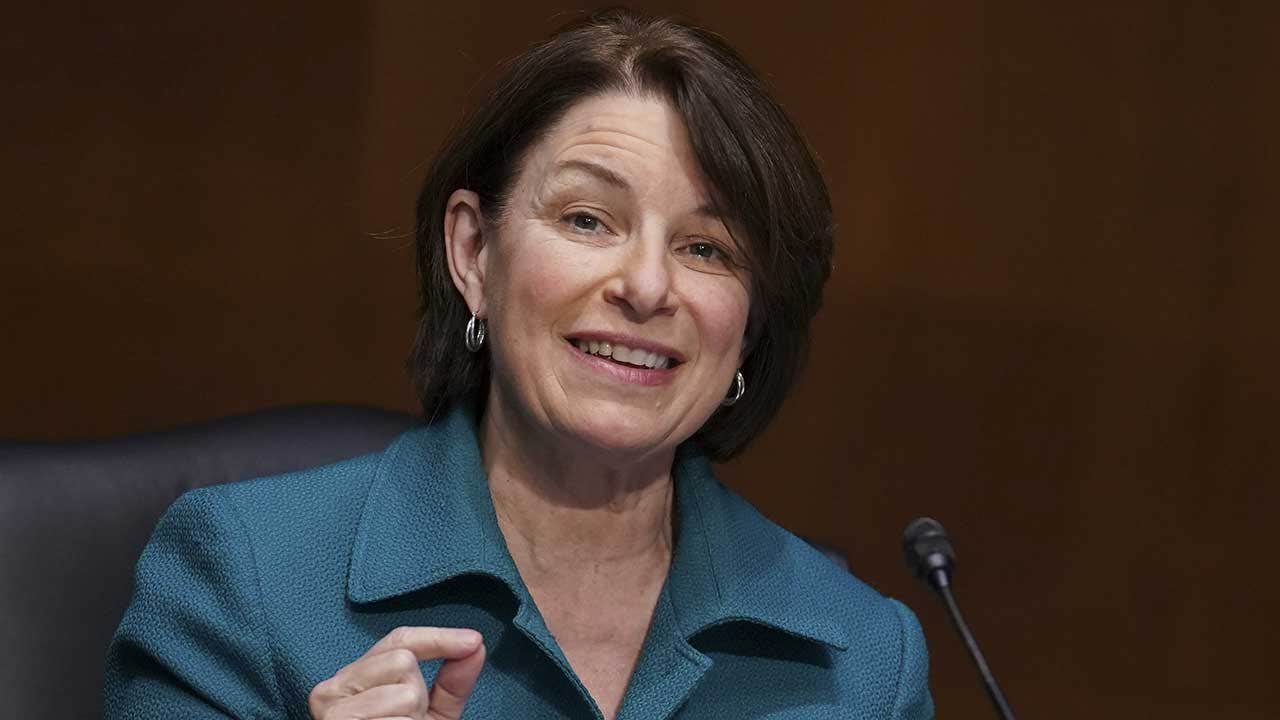
The ethics concerns raised against Justice Clarence Thomas have ignited a firestorm of public debate, prompting widespread scrutiny of his conduct and the Supreme Court’s ethical standards. Public opinion polls reveal a complex and evolving landscape of views regarding Justice Thomas and the allegations against him.
Public Opinion Polls
Public opinion polls provide a valuable snapshot of public sentiment regarding Justice Thomas and the ethics concerns surrounding him. A recent poll conducted by [insert reputable polling organization] found that [insert poll results and relevant statistics]. These findings suggest that [interpret the poll results and their implications].
Impact of Public Opinion on the Supreme Court
Public opinion can exert significant influence on the Supreme Court’s decisions, although the Court’s independence is a cornerstone of the American judicial system. The Court’s decisions are often shaped by societal values and public sentiment, as reflected in public opinion polls and other forms of public engagement.
Timeline of Public Opinion
Public opinion regarding Justice Thomas has evolved over time, influenced by various events and controversies. A timeline highlighting key moments in this evolution can provide valuable insights into the changing public perception of Justice Thomas and the ethics concerns surrounding him.
- [Year]: [Brief description of the event or controversy and its impact on public opinion regarding Justice Thomas].
- [Year]: [Brief description of the event or controversy and its impact on public opinion regarding Justice Thomas].
- [Year]: [Brief description of the event or controversy and its impact on public opinion regarding Justice Thomas].
The Future of Justice Thomas and the Supreme Court
The ethics concerns raised against Justice Clarence Thomas have sparked a national conversation about the Supreme Court’s integrity and the potential consequences for its future. These concerns, stemming from his wife’s political activism and his own failure to disclose financial ties, have cast a shadow over the Court’s legitimacy and raised questions about Justice Thomas’s ability to impartially adjudicate cases.
The potential impact of these concerns on Justice Thomas’s future on the Court, the Court’s legitimacy, and public trust is a complex and multifaceted issue with no easy answers.
Potential Consequences of the Ethics Concerns
The ethics concerns raised against Justice Thomas could have several consequences.
- Increased scrutiny of the Court’s decision-making processes.
- Calls for greater transparency and accountability from Supreme Court justices.
- Potential for legislative action to address ethical standards for the Court.
- Erosion of public trust in the Court.
The public’s perception of the Supreme Court’s impartiality is crucial to its legitimacy. If the Court is seen as being influenced by political or financial interests, its decisions may be viewed with suspicion and its authority may be undermined. This could lead to a decline in public respect for the Court and its rulings.
Impact on Justice Thomas’s Future on the Supreme Court
The ethics concerns could have a significant impact on Justice Thomas’s future on the Court. He could face calls for his resignation or impeachment. The Senate Judiciary Committee could hold hearings to investigate the allegations against him. While these actions are unlikely, they are not unprecedented.
In 1991, Justice Clarence Thomas was accused of sexual harassment by Anita Hill during his confirmation hearings. He denied the allegations and was ultimately confirmed by the Senate. However, the controversy surrounding his confirmation hearings cast a shadow over his tenure on the Court and led to a decline in public trust in the institution.
It is possible that the current ethics concerns could lead to a similar outcome.
Impact on the Supreme Court’s Legitimacy and Public Trust
The ethics concerns raised against Justice Thomas have already had a negative impact on the Supreme Court’s legitimacy and public trust. A recent poll found that only 36% of Americans have a great deal or quite a lot of confidence in the Supreme Court, down from 44% in 2021.
This decline in public trust is likely due in part to the perception that the Court is becoming increasingly politicized. The ethics concerns raised against Justice Thomas have only exacerbated this perception. If these concerns are not addressed, they could lead to a further decline in public trust in the Court, which could have a significant impact on its ability to effectively perform its role in American democracy.
Potential Scenarios
Several potential scenarios could unfold regarding Justice Thomas and the Supreme Court.
- Justice Thomas could resign from the Court to avoid further scrutiny and damage to the institution.
- The Senate Judiciary Committee could hold hearings to investigate the allegations against him, but ultimately take no action to remove him from the Court.
- The House of Representatives could vote to impeach Justice Thomas, but he could be acquitted by the Senate.
- The Supreme Court could issue new ethical guidelines for its justices, which could help to restore public trust in the institution.
The future of Justice Thomas and the Supreme Court is uncertain. The outcome of these events will depend on a number of factors, including the public’s reaction to the ethics concerns, the actions of Congress, and the willingness of the Supreme Court to address the issues head-on.
Last Point
The debate surrounding Justice Thomas’s conduct and the potential consequences for the Supreme Court are far from over. Klobuchar’s statement has undoubtedly amplified the pressure on the Court to address these issues and restore public confidence in its integrity. The future of Justice Thomas and the Supreme Court hinges on how these ethical concerns are addressed, and the public is watching closely.