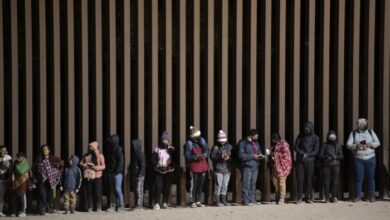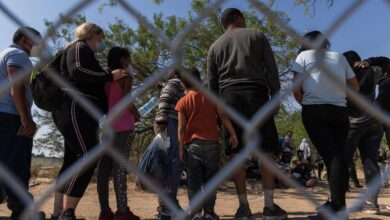
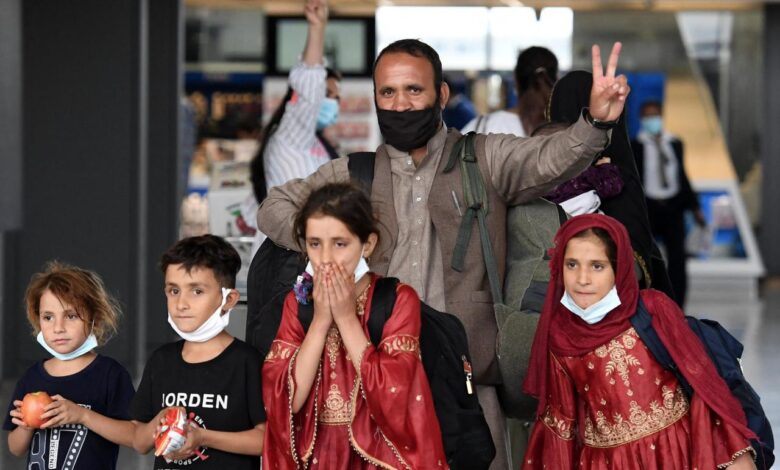
Afghan Evacuees: In Limbo, Congress Can Help
Afghans evacuated to the u s are living in limbo heres how congress could help – Afghan Evacuees: In Limbo, Congress Can Help. The fall of Kabul and the chaotic evacuation left thousands of Afghans stranded in the U.S., facing a new set of challenges. While they escaped the turmoil in their homeland, they now navigate the complexities of a new culture, language, and unfamiliar systems.
The road to rebuilding their lives is long and arduous, marked by uncertainty and a sense of being in limbo. Many struggle to access essential services like healthcare, education, and employment, while navigating the complicated path to permanent residency or citizenship.
Their stories are a testament to the resilience of the human spirit, but also a stark reminder of the ongoing needs of those displaced by conflict.
The U.S. government, along with various organizations, has been working tirelessly to provide support to Afghan evacuees. However, the sheer scale of the crisis demands a comprehensive and long-term approach, one that requires a coordinated effort from all levels of government, including Congress.
This article delves into the current situation of Afghan evacuees, explores the critical role of Congress in providing assistance, and highlights the importance of community involvement in fostering a welcoming and supportive environment.
The Evacuation and its Aftermath
The chaotic evacuation of Afghanistan in August 2021 left thousands of Afghans stranded in the U.S., facing a daunting future. The sudden transition from their homeland to a new country brought with it a multitude of challenges, requiring them to navigate unfamiliar territory, both literally and figuratively.
It’s heartbreaking to see Afghan refugees stuck in limbo, waiting for the support they desperately need. While Congress grapples with how to help, it’s a stark reminder that even the most established systems can be vulnerable to unpredictable events, like the recent crypto crash triggered by a trash-talking crypto bro.
We need a more robust system for helping those in need, and perhaps this crisis can be a catalyst for creating more resilient solutions.
Navigating a New Culture and Language, Afghans evacuated to the u s are living in limbo heres how congress could help
The cultural and linguistic differences between Afghanistan and the U.S. posed significant hurdles for Afghan evacuees. Many arrived with limited English proficiency, making communication a major obstacle in everyday life. Accessing essential services, such as healthcare, education, and employment, became more difficult without fluency in the local language.
Moreover, adapting to American customs and societal norms was a challenging process. For instance, understanding social cues, navigating public transportation, and even simple tasks like grocery shopping could be overwhelming for those unfamiliar with American culture.
Families Adjusting to Life in a New Country
For families, the challenges were amplified. Children, particularly those who had experienced trauma during the evacuation, struggled to adjust to a new school system and make friends. Parents faced the pressure of providing for their families in a new environment, often while grappling with their own grief and uncertainty.
Finding affordable housing, securing employment, and accessing healthcare were all major concerns for Afghan families trying to rebuild their lives.
The Emotional and Psychological Impact of Displacement and Loss
The trauma of displacement and loss had a profound impact on the mental and emotional well-being of Afghan evacuees. Many had witnessed violence and conflict firsthand, and the abrupt departure from their homeland left them feeling uprooted and disoriented. The uncertainty surrounding their future, the separation from loved ones left behind, and the challenges of navigating a new culture could lead to anxiety, depression, and post-traumatic stress disorder (PTSD).
Living in Limbo
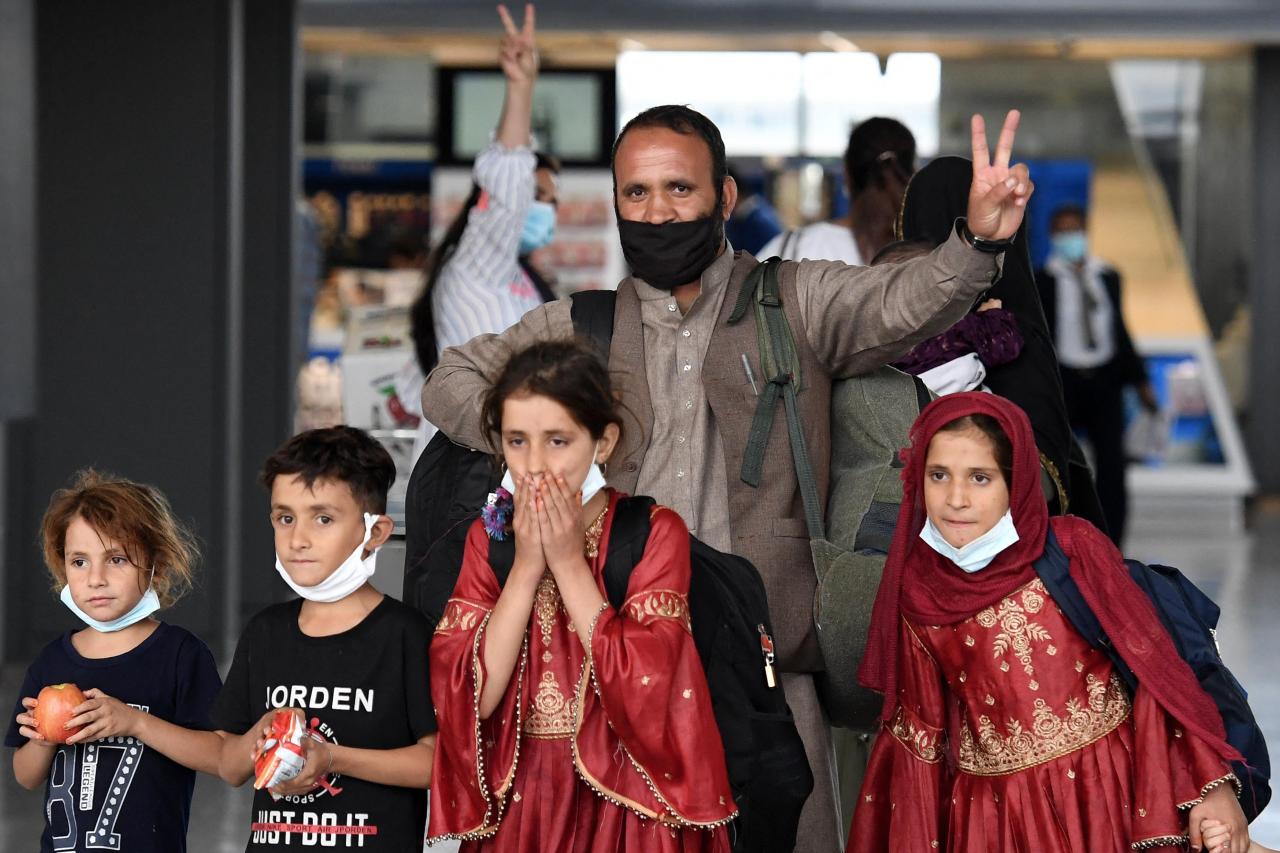
The chaotic evacuation of Afghanistan in 2021 left thousands of Afghans stranded in the United States, many of whom are still grappling with the uncertainties of their new lives. While they have escaped the turmoil in their homeland, they face a new set of challenges as they navigate the complexities of American society and seek a path to a stable future.
Challenges Faced by Afghan Evacuees
The transition to life in the U.S. has been fraught with difficulties for many Afghan evacuees. They are often confronted with language barriers, cultural differences, and a lack of familiarity with American customs and laws. Accessing essential services, such as healthcare, education, and employment, has proven to be a significant hurdle.
Healthcare
Many Afghan evacuees have limited or no access to healthcare. They may lack health insurance, struggle to understand the American healthcare system, or face cultural barriers that prevent them from seeking medical care. A 2022 report by the Center for American Progress found that only 40% of Afghan evacuees had health insurance, compared to 91% of the general population.
Education
Afghan children are often forced to adapt to a new educational system that is vastly different from what they are accustomed to. They may face language barriers, cultural differences, and a lack of access to quality education. A 2023 report by the U.S.
Department of Education found that only 30% of Afghan evacuee children were enrolled in school, compared to 90% of the general population.
Employment
Finding employment in the U.S. can be challenging for anyone, but it is particularly difficult for Afghan evacuees. They may lack work authorization, face discrimination due to their ethnicity or religion, or struggle to translate their skills and experience into the American job market.
A 2022 survey by the National Immigration Forum found that only 20% of Afghan evacuees were employed, compared to 60% of the general population.
Obstacles to Permanent Residency and Citizenship
The path to permanent residency and citizenship is a long and complex process for Afghan evacuees. They must navigate a bureaucratic system that is often overwhelming and confusing. They may also face delays and roadblocks due to the backlog of immigration cases.
Special Immigrant Visas (SIVs)
Many Afghan evacuees entered the U.S. on humanitarian parole, which is a temporary status that does not grant them permanent residency or citizenship. They must apply for a Special Immigrant Visa (SIV) to gain legal permanent residency. However, the SIV program is plagued by delays and bureaucratic hurdles.
The plight of Afghan refugees in the U.S. highlights a complex issue of resettlement and support. It’s a reminder of how misinformation can spread, much like the harmful conspiracy theories surrounding the Sandy Hook shooting, which have unfortunately been linked to threats against national security, as detailed in this article: the sandy hook shooting and how conspiracy theories affect national security.
While the focus is on helping Afghan families rebuild their lives, it’s crucial to address the root causes of such anxieties and provide clear, accurate information to combat the spread of misinformation that can have dangerous consequences.
Asylum
Another pathway to legal status is asylum. Afghan evacuees who can demonstrate a well-founded fear of persecution in their home country may be eligible for asylum. However, the asylum process is lengthy and complex, and it can be difficult to prove eligibility.
Stories of Afghan Evacuees
The struggles of Afghan evacuees are often overlooked in the broader narrative of the evacuation. Here are a few stories that illustrate the challenges they face:
“I came to the U.S. with nothing but the clothes on my back. I lost my home, my job, and my entire life in Afghanistan. I am struggling to find a job and a place to live. I feel like I am in limbo, waiting for my future to be decided.”
Fahim, an Afghan evacuee
“My children are not able to go to school because they don’t speak English. They are falling behind their classmates and losing hope. I am worried that they will never be able to catch up.”
Zahra, an Afghan evacuee
“I am terrified of returning to Afghanistan. My family and I are stuck in limbo. We don’t know what our future holds.”
It’s heartbreaking to see the Afghan refugees stuck in limbo, waiting for their lives to start anew in the U.S. Congress needs to step up and provide more support, especially with cases like the one involving four suspended Secret Service employees duped by fake federal agents highlighting the vulnerability of our systems.
These events underscore the need for robust security measures and a comprehensive plan to help these refugees rebuild their lives and contribute to our society.
Omar, an Afghan evacuee
Congressional Actions and Responsibilities
The arrival of Afghan evacuees in the United States marked a pivotal moment in the ongoing humanitarian crisis. While the initial evacuation effort was commendable, the transition to a stable life in a new country has proven challenging for many Afghans.
Congress has a crucial role to play in ensuring their successful integration and well-being.
Providing Financial Support and Resources
The financial burden of resettlement is significant for Afghan evacuees. Many arrived with limited resources and face immediate needs for housing, food, clothing, and healthcare. Congress can provide essential financial support through a variety of measures:
- Increase Funding for Resettlement Programs:Congress should allocate sufficient funds to organizations like the U.S. Refugee Resettlement Program (USRRP) to expand their capacity to provide essential services to Afghan evacuees.
- Direct Financial Assistance:Direct cash assistance can provide immediate relief to Afghan evacuees, enabling them to meet basic needs and stabilize their lives. This can be distributed through existing programs or new initiatives tailored specifically to their needs.
- Job Training and Employment Programs:Afghan evacuees often possess valuable skills and experience but require support to navigate the American job market. Congress can fund programs that provide job training, language instruction, and job placement assistance.
Streamlining the Path to Permanent Residency and Citizenship
The lengthy process of obtaining permanent residency and citizenship can be a major obstacle for Afghan evacuees seeking stability. Congress can take steps to streamline this process:
- Expedited Processing:Congress should prioritize the processing of applications for permanent residency and citizenship for Afghan evacuees. This can involve increasing staffing levels at immigration agencies and streamlining bureaucratic procedures.
- Waiver of Certain Requirements:Congress can consider waiving certain requirements, such as English proficiency or financial sponsorship, for Afghan evacuees who have demonstrated their commitment to the United States.
- Special Immigration Status:Congress can create a special immigration status specifically for Afghan evacuees, granting them a clear pathway to permanent residency and citizenship.
Last Recap: Afghans Evacuated To The U S Are Living In Limbo Heres How Congress Could Help
The journey of Afghan evacuees in the U.S. is a complex one, marked by both challenges and hope. While the immediate focus is on providing essential support and resources, the long-term goal is to ensure their successful integration into American society.
This requires a concerted effort from Congress, government agencies, and local communities. By working together, we can create a future where Afghan evacuees have the opportunity to rebuild their lives and contribute to the fabric of American society. Their resilience, determination, and the shared values of humanity offer a powerful reminder that even in the face of adversity, hope and progress are possible.