
Russias Attack Rallies a Divided Nation: The United States
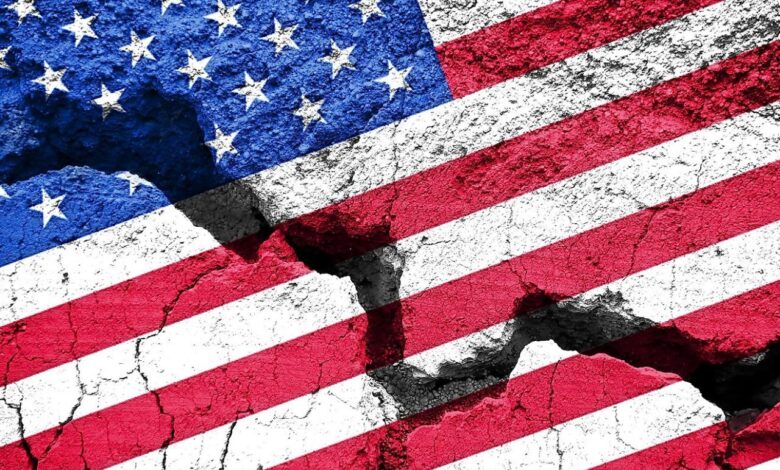
Russias attack rallies a divided nation the united states – Russia’s Attack Rallies a Divided Nation: The United States – the phrase itself evokes a complex tapestry of emotions and reactions. It paints a picture of a nation grappling with internal strife, forced to confront a shared external threat.
The recent events have exposed the deep divisions within American society, prompting a reevaluation of national identity and priorities. This attack has become a catalyst, pushing the United States to confront its vulnerabilities and reexamine its role on the global stage.
This attack has sparked a heated debate, igniting discussions about national security, foreign policy, and the very fabric of American unity. The impact is far-reaching, reverberating through the political landscape, the economy, and the lives of ordinary Americans. As we delve into the complexities of this situation, we’ll explore how the attack has reshaped the United States and its place in the world.
The Impact of Russia’s Attack on U.S. Domestic Unity: Russias Attack Rallies A Divided Nation The United States
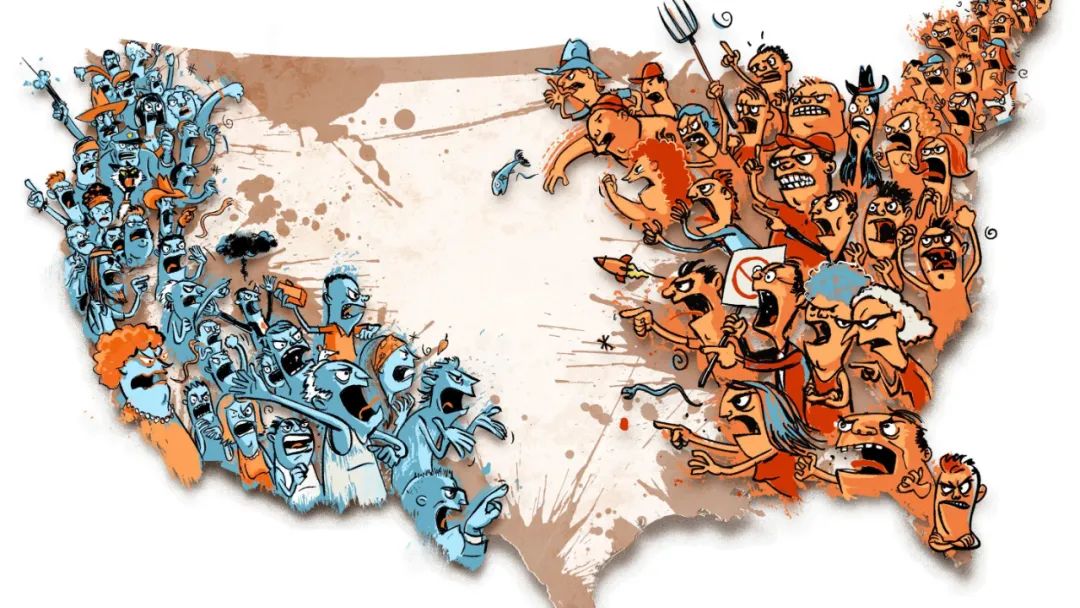
The recent attack by Russia has had a significant impact on the United States, both in terms of foreign policy and domestic politics. While the country has historically been divided on a range of issues, the attack has exacerbated existing tensions and fueled new divisions.
This has manifested in a variety of ways, including shifts in public opinion, changes in political discourse, and a heightened sense of polarization.
The Historical Context of U.S. Political Divisions
The United States has a long history of political divisions, dating back to its founding. The country has been divided over issues such as slavery, civil rights, and economic policy. These divisions have often been exacerbated by political campaigns and media coverage, which can contribute to a sense of polarization and mistrust between different groups.
The attack by Russia has further intensified these divisions, as it has become a focal point for political debate and has been used by both sides to advance their own agendas.
The Impact of the Attack on Public Opinion
The attack has had a significant impact on public opinion in the United States. A poll conducted by the Pew Research Center found that 72% of Americans believe that the attack was a serious threat to the United States. This includes a majority of both Democrats and Republicans.
However, there are significant differences in how these two groups view the attack. Democrats are more likely to view the attack as a direct threat to the United States, while Republicans are more likely to view it as a threat to the country’s global standing.
The Influence of the Attack on Political Discourse
The attack has also had a significant influence on political discourse in the United States. The attack has become a major talking point in the media and in political circles. Both Democrats and Republicans have used the attack to advance their own agendas.
Democrats have used the attack to call for a more assertive foreign policy, while Republicans have used it to criticize the administration’s handling of the situation. This has contributed to a further sense of polarization and has made it more difficult to find common ground on issues related to the attack.
Different Perspectives on the Attack within the U.S. Political Spectrum
There are a variety of different perspectives on the attack within the U.S. political spectrum. Some people believe that the attack was a direct attack on the United States and that the country should respond with military force. Others believe that the attack was not a direct attack on the United States and that the country should respond with diplomacy and sanctions.
Still others believe that the attack was a false flag operation designed to provoke a war between the United States and Russia.
Examples of the Impact of the Attack on the U.S. Political Landscape
The attack has had a number of tangible impacts on the U.S. political landscape. For example, the attack has led to increased spending on defense and security. It has also led to a renewed focus on cybersecurity and intelligence gathering.
The attack has also contributed to a growing sense of distrust between the United States and Russia.
It’s fascinating how Russia’s attack has rallied a divided nation like the United States. We’ve seen a surge in unity, but also a renewed focus on economic disparities. The current situation has many people asking why, with so much wealth concentrated in the hands of a few, we don’t see more action on taxing the super-rich, especially when we have articles like this one discussing the growing interest in wealth taxes.
It’s a complex issue, but it’s certainly one that’s at the forefront of many minds as we navigate these challenging times.
The U.S. Response to Russia’s Attack
The United States responded swiftly and decisively to Russia’s attack, implementing a multifaceted strategy that aimed to deter further aggression, support Ukraine, and hold Russia accountable for its actions. This response encompassed immediate measures, long-term policies, and coordinated efforts with allies.
It’s fascinating how Russia’s attack on Ukraine has brought the United States together, at least on the surface. Beneath the shared concern, though, the same divisions remain. It’s a stark contrast to the recent news about a senator hammering Dollar General and Dollar Tree over their working conditions , where the focus is on economic inequality and labor rights.
These disparate issues, while seemingly unconnected, highlight the complex tapestry of American society and the challenges it faces in uniting its diverse population.
Immediate Response
The U.S. government’s immediate response was characterized by swift condemnation, economic sanctions, and military support. The United States, alongside its allies, imposed severe economic sanctions targeting key sectors of the Russian economy, including its financial institutions, energy industry, and defense sector.
These sanctions were designed to cripple Russia’s ability to finance its war effort and exert significant pressure on its government. Additionally, the U.S. provided substantial military aid to Ukraine, including weapons, ammunition, and intelligence support. This assistance aimed to bolster Ukraine’s defenses and enable it to resist Russian aggression.
Long-Term Strategies and Policies
Beyond immediate measures, the U.S. adopted long-term strategies and policies aimed at deterring future aggression, strengthening alliances, and promoting global stability. These included:
- Reinforcing NATO:The U.S. increased its military presence in Eastern Europe and strengthened its commitment to NATO, bolstering the alliance’s deterrence capabilities and reassuring its members. This involved deploying additional troops, equipment, and resources to NATO’s eastern flank, demonstrating a resolute commitment to collective defense.
- Supporting Ukraine’s Reconstruction:The U.S. pledged substantial financial assistance to help Ukraine rebuild its infrastructure, economy, and institutions devastated by the war. This long-term commitment aimed to support Ukraine’s recovery and promote its stability and resilience.
- Countering Russian Disinformation:The U.S. government actively countered Russian disinformation campaigns aimed at undermining international support for Ukraine and promoting narratives favorable to Moscow. This involved exposing false narratives, highlighting credible information, and strengthening media literacy initiatives.
Comparison with Other Countries’ Responses
The U.S. response to Russia’s attack was largely in line with those of other Western countries, reflecting a shared commitment to international law and the defense of Ukraine’s sovereignty. Many European countries, including those bordering Russia, provided significant military aid, economic assistance, and humanitarian support to Ukraine.
Russia’s invasion of Ukraine has undoubtedly rallied a divided nation, the United States, around a common cause. It’s a reminder that even in the face of stark political differences, shared values and a sense of global responsibility can unite us.
And while we grapple with the complexities of international relations, it’s important to remember the importance of supporting domestic industries like agriculture, especially those striving for sustainable practices. Take, for instance, the cannabis industry, where farmers are actively pushing back against the use of chemically-made THC, as outlined in this insightful article: cannabis farmers not high on chemically made thc.
Just like the global stage demands unity and cooperation, so too does our own nation need to support responsible practices across all sectors. Perhaps the resilience and unity we see in the face of international conflict can inspire similar collaboration and progress within our own borders.
The European Union imposed stringent economic sanctions against Russia, echoing the U.S. approach. However, some countries, particularly those outside the West, adopted more neutral stances or expressed concerns about the potential for escalation.
Coordination with Allies
The U.S. response to Russia’s attack was characterized by close coordination with its allies, particularly those within NATO and the European Union. This coordination involved regular consultations, information sharing, and joint actions to maximize the impact of their collective response.
The U.S. worked closely with its allies to impose sanctions, provide military aid, and implement other measures aimed at deterring Russian aggression and supporting Ukraine.
Economic and Social Consequences of the Attack
The attack on the United States by Russia has had a profound impact on the American economy and society, with both short-term and long-term consequences. The economic impact has been felt both domestically and internationally, while the social consequences have been far-reaching, affecting public safety, civil liberties, and the very fabric of American society.
Economic Impact of the Attack
The attack has had a significant impact on the U.S. economy, both domestically and internationally. Domestically, the attack has led to a sharp increase in energy prices, as the United States has been forced to reduce its reliance on Russian oil and gas.
This has resulted in higher costs for consumers and businesses, and has also put pressure on the Federal Reserve to raise interest rates in order to combat inflation. The attack has also disrupted supply chains, as many businesses rely on Russia for raw materials and finished goods.
This has led to shortages and higher prices for consumers. Internationally, the attack has led to a decline in global trade and investment. Investors have become more risk-averse, and are less likely to invest in countries that are seen as being unstable.
This has led to a decline in the value of the U.S. dollar, and has made it more expensive for American businesses to borrow money.
Social Consequences of the Attack
The attack has also had a significant impact on U.S. society, with consequences for public safety, civil liberties, and social cohesion. The attack has led to an increase in fear and anxiety among Americans, particularly those who live in areas that are considered to be vulnerable to attack.
This has led to an increase in demand for security services, and has also made it more difficult for law enforcement to maintain order.The attack has also led to a debate about the balance between security and liberty. The government has taken steps to increase security measures, such as increasing surveillance and restricting travel.
These measures have raised concerns about the erosion of civil liberties.
Long-Term Effects of the Attack
The attack is likely to have long-term effects on the U.S. economy and society. The economic impact of the attack is likely to be felt for years to come, as businesses adjust to the new reality of a more volatile global economy.
The social consequences of the attack are also likely to be long-lasting, as Americans grapple with the new security challenges and the potential for future attacks.
Examples of the Attack’s Impact on Ordinary Americans
The attack has had a real impact on the lives of ordinary Americans. For example, many Americans have seen their energy bills increase significantly since the attack, as the price of gasoline and heating oil has risen sharply. This has put a strain on family budgets, and has forced some Americans to cut back on other expenses.
The attack has also led to increased security measures at airports and other public places, which has made travel more inconvenient and time-consuming.
The Role of International Cooperation
In the face of a major international crisis, such as a large-scale attack on a nation, the importance of international cooperation cannot be overstated. This cooperation is vital for a multifaceted response, encompassing immediate humanitarian aid, coordinated security measures, and long-term reconstruction efforts.
International cooperation offers several key advantages: it allows for the pooling of resources, expertise, and capabilities; facilitates the sharing of intelligence and information; and helps to build a united front against the aggressor. It also promotes accountability and transparency, which are essential for ensuring that the response to the crisis is effective and legitimate.
Challenges to International Cooperation
Despite the undeniable benefits of international cooperation, numerous challenges can hinder its effectiveness.
One significant challenge is the diversity of interests and priorities among nations. Countries may have differing views on the nature of the crisis, the appropriate response, and the desired outcomes. This can lead to disagreements and delays in decision-making.
- For example, some countries may prioritize immediate humanitarian assistance, while others may focus on security measures. These differing priorities can make it difficult to reach a consensus on a unified approach.
- Furthermore, political tensions and historical rivalries between nations can further complicate cooperation. Countries may be reluctant to share information or resources with rivals, even when it is in their collective interest.
Another challenge is the lack of a clear and effective mechanism for coordinating international efforts. In the absence of a strong and centralized authority, it can be difficult to ensure that all actors are working together effectively and efficiently.
Successful Examples of International Cooperation
Despite the challenges, there have been several instances of successful international cooperation in responding to crises.
- Following the 2004 Indian Ocean tsunami, the international community mobilized a massive humanitarian response, providing aid and support to affected countries. This effort involved the coordinated efforts of governments, international organizations, and non-governmental organizations.
- The response to the 2010 Haiti earthquake also demonstrated the effectiveness of international cooperation. The international community provided immediate assistance, deployed peacekeeping forces, and supported long-term reconstruction efforts.
Framework for Enhanced International Cooperation, Russias attack rallies a divided nation the united states
To enhance international cooperation in the face of future crises, several key elements are crucial.
Firstly, a clear and comprehensive framework for coordination is essential. This framework should Artikel roles and responsibilities, decision-making processes, and mechanisms for communication and information sharing.
- This framework should be developed in advance of a crisis, allowing for a more efficient and effective response when it occurs.
- Secondly, building trust and understanding among nations is crucial. This can be achieved through regular dialogue, joint exercises, and capacity-building programs.
- Thirdly, a robust mechanism for monitoring and evaluating the effectiveness of international cooperation is essential. This will help to identify areas for improvement and ensure that resources are being used efficiently and effectively.
The Future of U.S.-Russia Relations
The attack has cast a long shadow over U.S.-Russia relations, significantly impacting the trajectory of their future interactions. The implications are multifaceted, ranging from a profound erosion of trust to a potential shift in global power dynamics.
Challenges and Opportunities for Rebuilding Trust and Cooperation
The attack has created a deep chasm of mistrust between the two nations. The path to rebuilding trust will be arduous and require a fundamental shift in the current adversarial relationship. The challenges are substantial, including:
- Addressing the Root Causes of Conflict:Both sides must engage in open dialogue to identify and address the underlying issues driving the current tensions. This includes issues like security concerns, ideological differences, and competing interests in various regions.
- Rebuilding Confidence:Trust is not easily restored. It requires concrete actions and a commitment to transparency and accountability. This could involve implementing arms control agreements, engaging in joint efforts to combat shared threats like terrorism, and promoting cultural exchange programs.
- Navigating the Domestic Political Landscape:Both countries face domestic political pressures that can make cooperation challenging. It will be crucial for leaders to prioritize national interests over partisan agendas to create an environment conducive to dialogue and compromise.
Despite the challenges, opportunities for rebuilding trust and cooperation do exist. These include:
- Shared Interests:The U.S. and Russia share common interests in areas like climate change, nuclear non-proliferation, and pandemic preparedness. Focusing on these shared interests can create a foundation for collaboration and build trust.
- Economic Interdependence:The global economy is increasingly interconnected, and both countries have a vested interest in promoting stability and cooperation. Expanding economic ties, particularly in areas like energy and technology, could provide incentives for collaboration.
- The Role of International Organizations:International organizations like the United Nations and the Organization for Security and Co-operation in Europe can serve as platforms for dialogue and cooperation. Engaging in multilateral diplomacy can help to build trust and address common concerns.
A Potential Future Scenario
One possible scenario for the future of U.S.-Russia relations involves a gradual but sustained process of de-escalation and rapprochement. This scenario would involve:
- A Period of Strategic Restraint:Both sides would exercise caution and avoid actions that could further escalate tensions. This would involve reducing military deployments, refraining from provocative rhetoric, and engaging in diplomatic channels to resolve disputes.
- Focused Cooperation on Shared Interests:Both countries would prioritize cooperation on areas of common interest, such as climate change, nuclear non-proliferation, and pandemic preparedness. This would demonstrate a commitment to finding common ground and building trust.
- Increased Economic Interdependence:Both countries would seek to expand economic ties, creating incentives for cooperation and reducing the potential for conflict. This could involve joint ventures, investments, and trade agreements.
This scenario would not necessarily lead to a complete return to the Cold War-era détente, but it would represent a significant improvement in relations, reducing the risk of conflict and promoting stability.
Strategies for Improving U.S.-Russia Relations
Several strategies could be implemented to improve U.S.-Russia relations in the future. These include:
- Promoting Dialogue and Diplomacy:Sustained and open dialogue between the two countries is crucial. This can involve regular meetings between high-level officials, track-two diplomacy involving experts and academics, and increased cultural exchange programs.
- Addressing Security Concerns:Both countries need to address their security concerns in a transparent and constructive manner. This could involve arms control agreements, confidence-building measures, and joint efforts to combat terrorism and transnational threats.
- Strengthening International Institutions:International organizations like the United Nations and the Organization for Security and Co-operation in Europe play a vital role in promoting dialogue and cooperation. Strengthening these institutions and ensuring their effectiveness is essential for improving U.S.-Russia relations.
Ultimate Conclusion
In the wake of this attack, the United States stands at a crossroads. The challenges are undeniable, but so are the opportunities. The nation’s ability to bridge its internal divides and respond effectively to this crisis will shape its future trajectory.
By fostering international cooperation, promoting dialogue, and prioritizing national unity, the United States can emerge from this period of turmoil stronger and more resilient. The path forward requires a commitment to shared values, a willingness to learn from the past, and a vision for a more secure and prosperous future.