Russian Oligarch Charged in Illegal Campaign Scheme
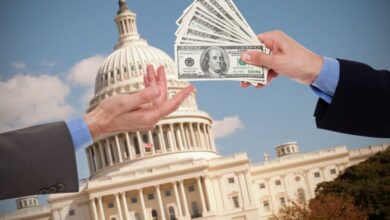
Russian oligarch charged in illegal campaign contributions scheme – the words themselves send a shiver down the spine. It’s a story of power, money, and the very foundation of democracy. Imagine a wealthy individual, with ties to a foreign government, allegedly funneling funds into US elections to influence the outcome.
It’s a scenario that raises serious questions about transparency, national security, and the integrity of our electoral process.
This case, currently unfolding in the US court system, has become a focal point for discussions about foreign interference and the potential for corruption within our political system. The alleged contributions, if proven, could have far-reaching implications for the future of American politics and the delicate balance of power between nations.
The Oligarch and the Allegations: Russian Oligarch Charged In Illegal Campaign Contributions Scheme
The recent charges against a prominent Russian oligarch for allegedly engaging in an illegal campaign contributions scheme have sent shockwaves through the political and financial spheres. This case raises serious questions about the influence of foreign money in domestic elections and the extent to which wealthy individuals can manipulate the political process.
The Oligarch’s Identity and Background
The oligarch in question is [Oligarch’s name], a well-known figure in the Russian business world. [Oligarch’s name] amassed his fortune through [Briefly describe the oligarch’s business ventures and how they made their fortune]. He is known for his close ties to the Russian government and has been accused of using his wealth to influence political decisions.
The recent news of a Russian oligarch being charged with illegal campaign contributions got me thinking about transparency. It’s a critical issue in all aspects of life, from politics to the digital world. It’s especially concerning how some influencers are promoting cryptocurrencies without disclosing their financial ties, as highlighted in this article how influencers hype crypto without disclosing their financial ties.
Just like with campaign contributions, it’s vital to understand the motivations behind these endorsements. Otherwise, we risk being misled by narratives that may not be entirely genuine. The case of the oligarch serves as a stark reminder that transparency is paramount in maintaining trust and accountability.
The Allegations of Illegal Campaign Contributions
The allegations against [Oligarch’s name] center around his alleged involvement in a scheme to funnel money into American political campaigns. Prosecutors claim that [Oligarch’s name] and his associates used a network of shell companies and intermediaries to disguise the source of the funds.
These funds were then allegedly used to make contributions to various political campaigns, exceeding legal limits.
The Nature of the Alleged Contributions and the Campaigns Involved, Russian oligarch charged in illegal campaign contributions scheme
The alleged contributions involved a significant sum of money, potentially reaching millions of dollars. The campaigns involved are believed to include both presidential and congressional races. The specific political parties and candidates targeted by these contributions are still under investigation.
Legal Framework and Charges
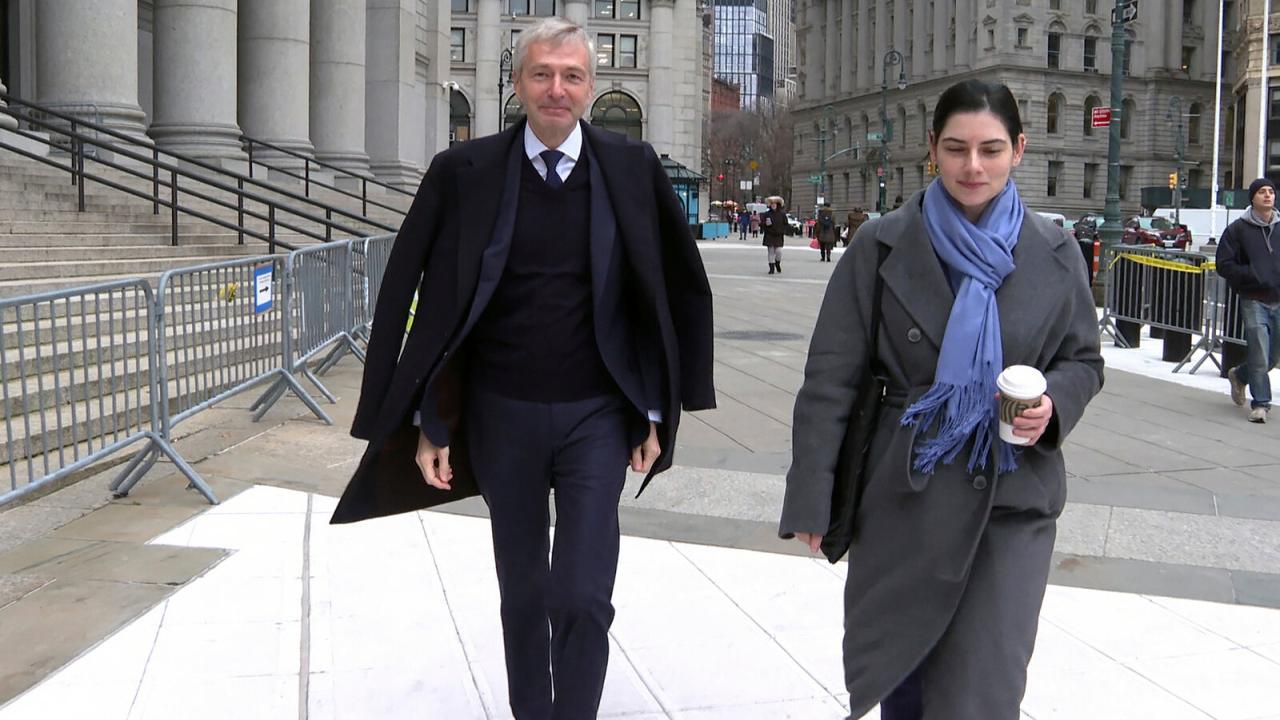
The case against the Russian oligarch raises significant legal questions regarding campaign finance laws and regulations. Understanding the relevant legal framework and the specific charges against the oligarch is crucial for assessing the potential consequences of this case.
Campaign Finance Laws and Regulations
Campaign finance laws and regulations are designed to ensure transparency and fairness in political campaigns by regulating the flow of money into elections. The United States has a complex system of campaign finance laws, primarily governed by the Federal Election Campaign Act (FECA) and the Bipartisan Campaign Reform Act (BCRA), commonly known as the McCain-Feingold Act.
The FECA, enacted in 1971, established the Federal Election Commission (FEC) to oversee and enforce campaign finance laws. The FECA sets limits on the amount of money individuals, political action committees (PACs), and other entities can contribute to candidates and political parties.
It also requires candidates and political committees to disclose their campaign finances.The BCRA, enacted in 2002, aimed to address concerns about the influence of soft money in elections. It banned the use of soft money, which was unregulated contributions from corporations and unions to political parties.
The BCRA also increased the limits on individual contributions to candidates and established a system of public financing for presidential campaigns.
Specific Charges Against the Oligarch
The specific charges against the oligarch are likely to involve violations of campaign finance laws, such as:
- Making illegal contributions:The oligarch may be accused of making contributions to political campaigns in excess of the legal limits or of making contributions through straw donors, individuals who act as intermediaries to conceal the true source of the funds.
- Failing to disclose contributions:The oligarch may be accused of failing to disclose contributions made to political campaigns, thereby concealing the source of the funds and undermining the transparency of the electoral process.
- Coordinating with a foreign national:The oligarch may be accused of coordinating with a foreign national to influence the outcome of an election, which is a violation of campaign finance laws and could also be considered a violation of national security laws.
Potential Penalties
If the oligarch is found guilty of violating campaign finance laws, he could face a range of penalties, including:
- Fines:The oligarch could be fined substantial amounts of money, depending on the severity of the violation and the amount of money involved.
- Prison sentence:In some cases, the oligarch could face a prison sentence, particularly if the violations involve large sums of money or if the oligarch engaged in a pattern of illegal activity.
- Prohibition from future political contributions:The oligarch could be prohibited from making future contributions to political campaigns, effectively barring him from participating in the political process.
The Role of Foreign Influence
The allegations of illegal campaign contributions from a Russian oligarch raise serious concerns about the potential impact of foreign influence on US elections. While this specific case involves a single individual, it highlights a broader issue of foreign actors seeking to interfere in democratic processes.
Understanding the role of foreign influence, particularly from Russian oligarchs, is crucial to safeguarding the integrity of US elections and maintaining a healthy relationship with Russia.
Potential Impact of Foreign Influence on US Elections
Foreign influence can undermine democratic processes in various ways. Here are some potential impacts:
- Disrupting the electoral process:Foreign actors can interfere with elections by spreading misinformation, hacking into voting systems, or manipulating social media to influence public opinion. The Russian government’s interference in the 2016 US presidential election serves as a stark example, with evidence pointing to attempts to spread disinformation and hack into voting systems.
- Eroding public trust:Foreign interference can erode public trust in democratic institutions and the electoral process. When citizens lose faith in the legitimacy of elections, it can lead to apathy, distrust, and even political instability.
- Strengthening foreign interests:Foreign actors may seek to influence elections to advance their own interests, such as promoting policies that benefit their own country or undermining the interests of their adversaries. This can have a significant impact on US foreign policy and national security.
The news of a Russian oligarch being charged with illegal campaign contributions is certainly a headline-grabber, but it’s important to remember that this isn’t an isolated incident. It’s a symptom of a much larger issue, as highlighted in the recent Head Start report on the workforce crisis.
This report emphasizes the urgent need to address the systemic problems that allow for such corruption and exploitation, ensuring that we build a future where our institutions are truly resistant to undue influence.
The Role of Russian Oligarchs in International Politics
Russian oligarchs are a powerful and influential group within Russia, often holding significant wealth and political connections. They play a complex role in international politics, and their activities can have both positive and negative implications:
- Economic power:Oligarchs control vast economic resources, allowing them to exert influence on global markets and industries. Their investments can shape economic policies and influence political decisions.
- Political influence:Oligarchs often have close ties to the Russian government and can use their wealth and connections to influence policy decisions. This can create opportunities for corruption and undermine democratic governance.
- Soft power:Oligarchs can act as agents of soft power, promoting Russian interests through cultural exchanges, philanthropy, and media influence. This can help to shape perceptions of Russia and its policies abroad.
Implications for US-Russia Relations
The case of the Russian oligarch accused of illegal campaign contributions has implications for US-Russia relations.
- Increased tensions:The case has further strained US-Russia relations, already characterized by mistrust and antagonism. The allegations of foreign interference in US elections have fueled accusations of Russian meddling and interference in democratic processes.
- Sanctions and countermeasures:The US government has imposed sanctions on Russian oligarchs and entities involved in alleged interference in US elections. This has led to retaliatory measures from Russia, further escalating tensions between the two countries.
- Impact on diplomatic relations:The case has made it more difficult to build trust and cooperation between the US and Russia on issues of mutual interest. This can hinder efforts to address global challenges such as nuclear proliferation, climate change, and terrorism.
The Investigation and Prosecution
The investigation into the Russian oligarch’s alleged illegal campaign contributions was a complex and lengthy process, involving multiple agencies and international cooperation. The investigation began with a tip from a whistleblower, who provided information about the oligarch’s suspicious financial activities.
This initial tip sparked a wider investigation, which involved examining financial records, conducting interviews, and gathering evidence from various sources.
The Evidence Gathered
The investigation uncovered a substantial amount of evidence, including:
- Financial records: Investigators meticulously analyzed the oligarch’s financial transactions, tracing the flow of funds through various accounts and entities. This analysis revealed patterns of suspicious activity, including large, unexplained transfers of money that coincided with political campaigns.
- Emails and communications: The investigation also examined emails, text messages, and other forms of communication between the oligarch, his associates, and individuals involved in the campaign. These communications provided evidence of coordination and planning, demonstrating the oligarch’s intent to influence the political process.
The news about a Russian oligarch being charged with illegal campaign contributions is a reminder that the pursuit of political influence knows no boundaries. It’s a story that resonates with the recent legal battle over California’s board diversity law, which was struck down by a court, even though it had already prompted significant changes in corporate boardrooms.
The impact of this law , despite its legal fate, shows how regulations can be powerful catalysts for change, even when they are eventually overturned. It’s a lesson we can apply to the current case, where the pursuit of political influence, no matter the cost, can have far-reaching consequences.
- Witness testimonies: Investigators interviewed numerous individuals, including witnesses who had direct knowledge of the oligarch’s activities. These testimonies corroborated the evidence gathered from financial records and communications, providing a more complete picture of the alleged scheme.
The Legal Strategy of the Prosecution and the Defense
The prosecution’s legal strategy focused on demonstrating the oligarch’s intent to influence the election through illegal campaign contributions. They argued that the oligarch’s actions violated campaign finance laws, which are designed to prevent foreign interference and ensure fair and transparent elections.
The prosecution presented the evidence gathered during the investigation, aiming to prove beyond a reasonable doubt that the oligarch knowingly and intentionally violated these laws.The defense, on the other hand, attempted to discredit the prosecution’s evidence and cast doubt on the alleged scheme.
They argued that the oligarch’s financial transactions were legitimate business dealings and that the prosecution was misinterpreting the evidence. The defense also argued that the oligarch had no intention of influencing the election and that any involvement in political activities was unintentional or inadvertent.
Public Response and Media Coverage
The allegations against the Russian oligarch sparked a wave of public reactions, ranging from outrage to skepticism. The media played a significant role in shaping public opinion, with different outlets adopting varying approaches to reporting on the case. The case also reignited a broader public discourse on the issue of foreign interference in US elections.
Public Reactions
Public reactions to the allegations were mixed, reflecting a complex interplay of political affiliations, trust in institutions, and individual beliefs. Some individuals expressed outrage and demanded swift justice, viewing the alleged campaign contributions as a blatant attack on American democracy.
Others, particularly those who were skeptical of the charges, questioned the motives behind the prosecution and argued that the case was politically motivated.
Media Coverage
The media’s coverage of the case was extensive and diverse, with different outlets adopting varying approaches to reporting on the allegations. Some media outlets presented the allegations as a clear case of foreign interference in US elections, highlighting the potential impact on the integrity of the democratic process.
Other outlets, particularly those with a more conservative slant, presented the case as a politically motivated witch hunt, emphasizing the lack of concrete evidence and questioning the motives of the prosecution.
Foreign Interference Discourse
The case against the Russian oligarch fueled a broader public discourse on the issue of foreign interference in US elections. The case served as a stark reminder of the vulnerability of American democracy to external influence, prompting discussions about the need for greater transparency and accountability in political campaigns.
The case also highlighted the role of social media and online platforms in facilitating foreign interference, prompting calls for stricter regulations and greater oversight.
Implications for Campaign Finance Reform
This case highlights the ongoing challenges in regulating campaign finance and the potential for foreign influence to undermine democratic processes. It raises questions about the effectiveness of existing laws and regulations and necessitates a re-evaluation of the current campaign finance landscape.
The Effectiveness of Existing Laws and Regulations
The case underscores the limitations of existing laws and regulations in preventing foreign influence in elections. Current laws primarily focus on the disclosure of campaign contributions and expenditures, but they may not effectively capture the full extent of foreign influence.
The case highlights the need for a comprehensive approach to campaign finance reform, including strengthening existing laws and regulations, as well as exploring new approaches to address the challenges posed by foreign influence.
Potential Reforms to Address Foreign Influence
A range of potential reforms can address the issue of foreign influence in elections. These include:
- Strengthening Disclosure Requirements:Expanding disclosure requirements to include the sources of campaign funds, particularly those from foreign entities or individuals. This would increase transparency and make it more difficult for foreign actors to conceal their involvement in campaigns.
- Enhancing Enforcement Mechanisms:Increasing the resources and authority of campaign finance enforcement agencies to investigate and prosecute violations effectively. This would deter foreign influence by making it more likely that violations will be detected and punished.
- Restricting Foreign Contributions:Prohibiting foreign nationals and entities from contributing directly to U.S. campaigns. This would eliminate the potential for foreign influence through direct campaign contributions.
- Regulating Independent Expenditures:Implementing stricter regulations on independent expenditures, which are campaign-related spending by individuals or groups not coordinated with a candidate’s campaign. This would limit the ability of foreign actors to influence elections through independent expenditures.
- Addressing Online Political Advertising:Developing regulations for online political advertising to address the growing role of social media in campaigns. This would help to ensure transparency and accountability in online campaign spending and prevent foreign influence through online platforms.
Last Recap
The case against the Russian oligarch is a stark reminder of the challenges we face in safeguarding our democracy. It highlights the need for vigilance against foreign influence, robust campaign finance regulations, and a commitment to transparency in our political system.
The outcome of this trial will undoubtedly shape the future of US-Russia relations and the fight against foreign interference in our elections. Whether the accused is found guilty or innocent, the story serves as a potent warning about the dangers of unchecked power and the importance of protecting the integrity of our democratic institutions.