Russia Considers Nationalizing Western Businesses After Ukraine Invasion
Russia considers nationalizing western businesses that have closed over ukraine invasion – Russia Considers Nationalizing Western Businesses After Ukraine Invasion – a move that has sent shockwaves through the global business community. As Western companies fled Russia in response to the invasion of Ukraine, citing ethical concerns and economic sanctions, the Kremlin announced its intention to seize control of these abandoned assets.
This bold move raises critical questions about the future of foreign investment in Russia, the potential impact on the Russian economy, and the implications for international relations.
The nationalization decree, which Artikels the legal framework for this process, is a significant departure from past practices. It marks a clear shift in Russia’s approach to foreign investment, potentially signaling a more assertive and nationalistic stance in the future.
While the Kremlin claims the move is necessary to protect Russian interests, critics argue that it could further isolate Russia from the global economy and deter future investment.
Background of the Situation
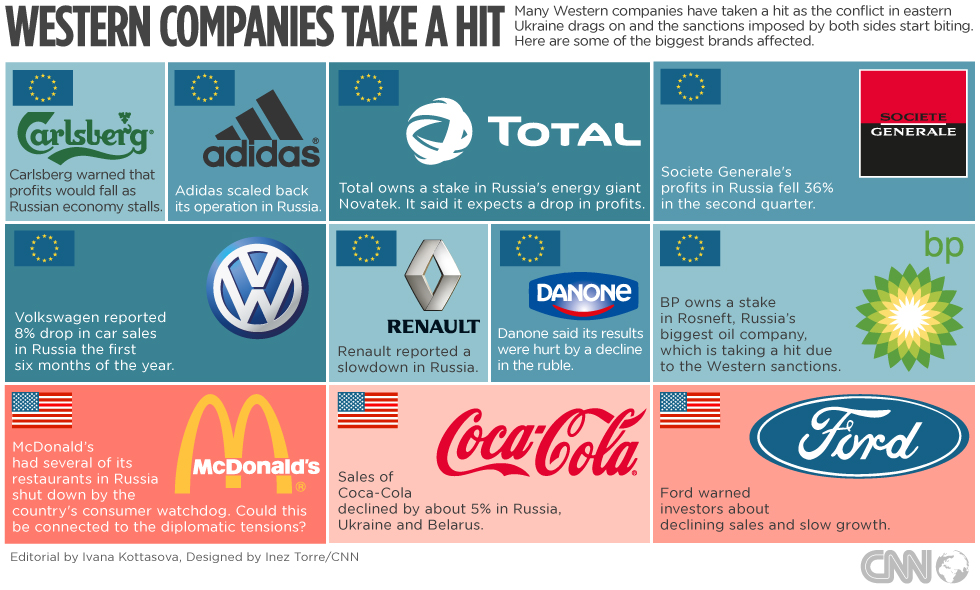
The decision by Western businesses to close their operations in Russia following the Ukraine invasion has been a significant development with far-reaching economic and political implications. This move has been driven by a complex interplay of factors, including international sanctions, reputational damage, and the ethical concerns associated with operating in a country engaged in an aggressive war.
Economic Implications of Business Closures
The withdrawal of Western businesses from Russia has had a significant impact on the Russian economy. These businesses represented a considerable portion of foreign investment and contributed significantly to the country’s GDP. Their departure has resulted in job losses, supply chain disruptions, and a decline in consumer choice.
Russia’s decision to nationalize Western businesses that have closed operations due to the Ukraine invasion raises serious questions about the future of foreign investment in the country. It’s a stark reminder of the risks associated with operating in a volatile political climate, and it echoes the concerns raised by Mitt Romney in a private speech where he warned of the extraordinary challenge to preserve American democracy.
In that speech , Romney highlighted the fragility of democratic institutions and the need for vigilance against threats both domestic and foreign. As the situation in Russia unfolds, it’s crucial to stay informed and consider the potential implications for global businesses and the future of international relations.
Moreover, the sanctions imposed on Russia have further restricted access to global markets and capital, exacerbating the economic challenges.
Political Implications of Business Closures
The closure of Western businesses in Russia has also had significant political implications. It has been seen as a sign of international condemnation of the Ukraine invasion and has contributed to Russia’s growing isolation on the global stage. The decision by businesses to withdraw has also been interpreted as a blow to the Russian government’s economic and political power.
Reasons for Business Withdrawal
Several key reasons have motivated Western businesses to withdraw from Russia. These include:
- International Sanctions:The imposition of sanctions by Western governments has made it difficult for businesses to operate in Russia, restricting access to financial markets and technology.
- Reputational Damage:Many businesses have faced pressure from customers, employees, and investors to distance themselves from Russia due to the war and the associated ethical concerns. Operating in Russia has become increasingly damaging to their reputation.
- Ethical Concerns:Businesses have been confronted with the ethical dilemma of operating in a country that is engaged in an aggressive war and has been accused of human rights violations. This has led many to conclude that continuing operations in Russia is incompatible with their values.
- Uncertainty and Risk:The ongoing war and the uncertainty surrounding its outcome have created a highly volatile business environment in Russia. The potential for further sanctions, economic instability, and political turmoil has made it difficult for businesses to justify the risks associated with operating in the country.
Russia’s Response
In a dramatic escalation of the economic conflict with the West, Russia has taken the unprecedented step of nationalizing the assets of Western companies that have withdrawn from the country following the invasion of Ukraine. This move, which has been widely condemned by international organizations and Western governments, raises serious questions about the future of foreign investment in Russia and the broader implications for the global economy.
Nationalization Decree, Russia considers nationalizing western businesses that have closed over ukraine invasion
The decree, signed by President Vladimir Putin on March 25, 2023, allows the Russian government to seize control of the assets of companies that have ceased operations in Russia due to the war in Ukraine. The decree covers a wide range of industries, including energy, finance, and manufacturing.
The decree applies to companies from “unfriendly” countries, a list that includes the United States, the European Union, and the United Kingdom.
Russia’s decision to consider nationalizing Western businesses that have closed operations in response to the Ukraine invasion raises complex ethical and legal questions. While the move is seen as a retaliatory measure, it’s crucial to remember that taking the moral high ground, even when wronged, is essential.
This article explores how to maintain integrity in the face of adversity, a principle that applies to both individuals and nations. Ultimately, the impact of Russia’s actions on the global economy and its relationships with Western countries remains to be seen.
Legal Framework and Procedures
The legal framework for nationalization in Russia is based on a complex web of laws and regulations, including the Civil Code, the Federal Law on Privatization, and the Federal Law on Foreign Investments. The nationalization process typically involves a series of steps, including the identification of the assets to be seized, the appointment of a special administrator to manage the assets, and the payment of compensation to the former owners.
The decree does not specify how compensation will be calculated or paid, raising concerns about the fairness and transparency of the process.
The news of Russia considering nationalizing Western businesses that have closed due to the Ukraine invasion is certainly a significant development. It raises questions about the future of these companies and the potential impact on the global economy. In a related field, an article on the science of coaching teachers edsurge news explores the importance of effective teacher training and development.
This is crucial in ensuring a high-quality education for all, especially during times of political and economic uncertainty. The situation in Russia highlights the need for resilience and adaptability in all sectors, including education, and the potential consequences of international conflict on business operations.
Comparison with Past Nationalization Instances
While this is not the first time Russia has resorted to nationalization, the current wave of nationalizations is unique in its scale and scope. Previous instances of nationalization in Russia have often been targeted at specific companies or industries, such as the nationalization of the oil giant Yukos in 2003.
The current decree, however, applies to a broad range of companies across various sectors, reflecting the government’s desire to maintain control over key industries and to counter the economic impact of Western sanctions.
Potential Impacts of Nationalization: Russia Considers Nationalizing Western Businesses That Have Closed Over Ukraine Invasion
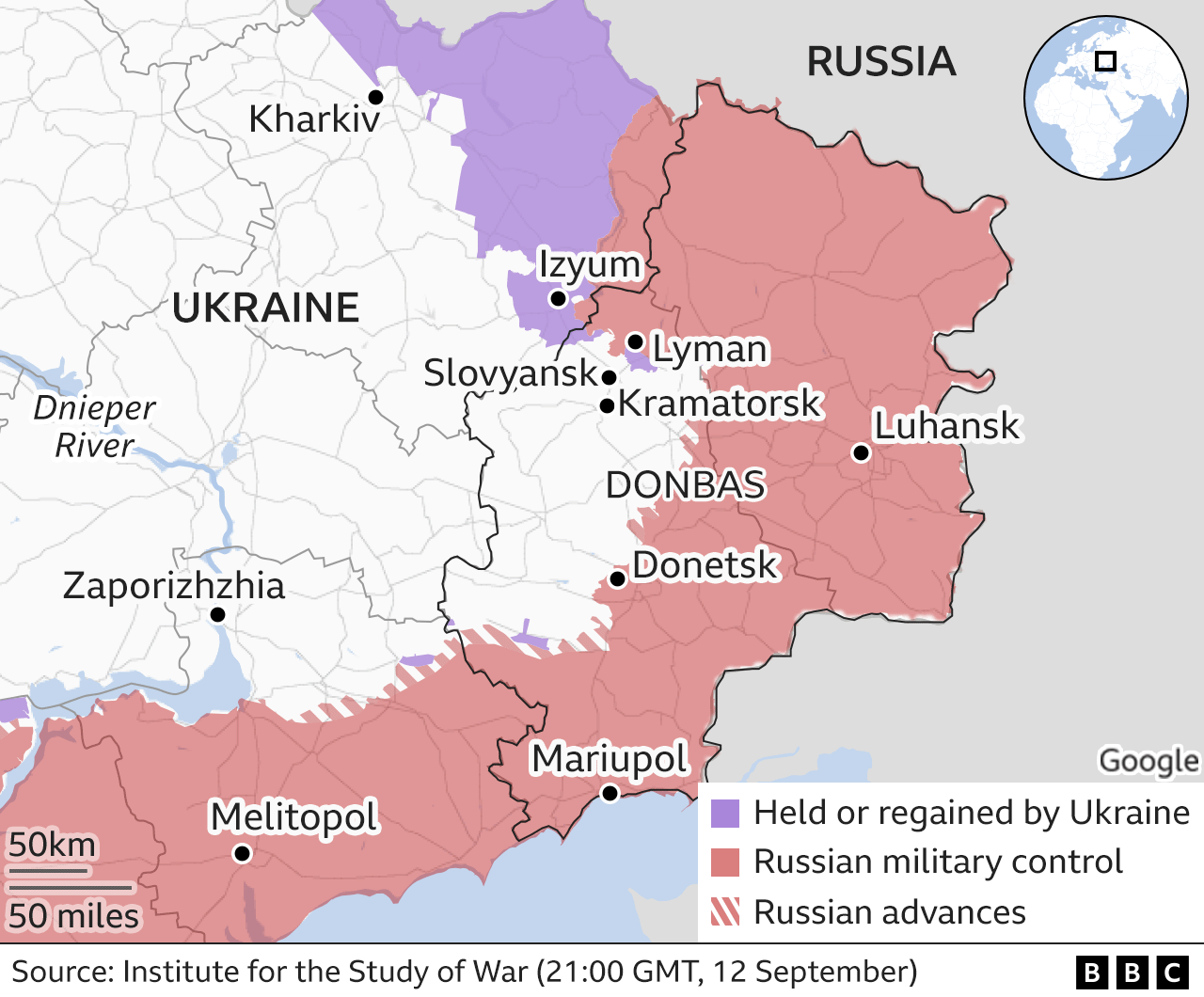
Nationalizing Western businesses in Russia is a complex issue with far-reaching consequences for the Russian economy, its relationship with the West, and the businesses themselves. While the move might appear to be a way for Russia to assert control and protect its interests, it could also lead to a series of unintended consequences.
Impact on the Russian Economy
The nationalization of Western businesses could have a significant impact on the Russian economy. The immediate effect might be a boost to state control and potentially a surge in employment as the government takes over operations. However, the long-term effects are likely to be negative.
- Foreign Investment:Nationalization would send a strong signal to foreign investors that their assets are not safe in Russia. This could lead to a significant decline in foreign investment, which is crucial for Russia’s economic growth and development. Examples of this can be seen in the exodus of foreign businesses from Russia in 2022 following the invasion of Ukraine, which led to a sharp decrease in foreign investment.
- Economic Isolation:The nationalization of Western businesses could further isolate Russia from the global economy. Western countries might impose sanctions or restrict trade, making it difficult for Russia to access essential goods and services. This could lead to shortages, price increases, and a decline in the standard of living.
The experience of Cuba, which has faced decades of US sanctions, serves as a stark example of the economic consequences of international isolation.
- Reduced Efficiency:State-owned enterprises often lack the same level of efficiency and innovation as private companies. This is because they are not subject to the same market pressures and are often hampered by bureaucracy. Nationalizing Western businesses could lead to a decline in productivity and competitiveness, further hindering Russia’s economic growth.
Impact on Foreign Relations
Nationalizing Western businesses would further damage Russia’s already strained relationship with the West. It would be seen as a hostile act and could lead to a significant escalation of tensions. Western countries might impose further sanctions or take other retaliatory measures, further isolating Russia and deepening the economic crisis.
The nationalization of Western businesses would be seen as a clear violation of international law and could trigger a wave of international condemnation.
Impact on Affected Businesses and Employees
The nationalization of Western businesses would have a significant impact on the companies themselves and their employees.
- Loss of Control:Western companies would lose control of their assets and operations in Russia. This could lead to a decline in standards, a loss of intellectual property, and a decrease in the value of their investments. The nationalization of Yukos Oil Company in 2003, which was followed by a series of legal battles and ultimately led to the company’s collapse, is a prime example of the negative consequences for businesses.
- Uncertainty for Employees:Employees of nationalized companies would face uncertainty about their future. They might lose their jobs, see their salaries reduced, or experience a decline in working conditions. This could lead to a loss of morale and a decline in productivity.
The nationalization of the Russian airline Aeroflot in 1992 resulted in significant workforce reductions and a decline in service quality, highlighting the potential impact on employees.
Epilogue
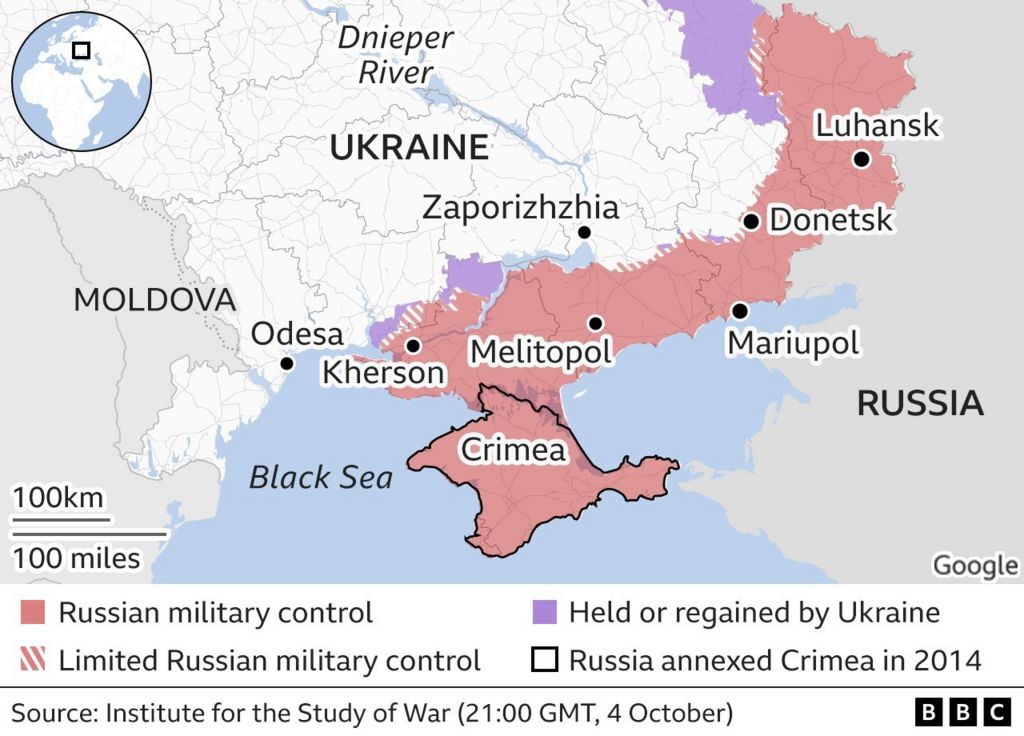
The situation surrounding the nationalization of Western businesses in Russia is complex and evolving rapidly. The potential consequences are far-reaching, with implications for both the Russian economy and global business relations. It remains to be seen how this unfolding drama will play out, but one thing is clear: the world is watching closely, and the ramifications of this move will be felt for years to come.