How High Oil Prices Threaten a California Plastic Container Business
How high oil prices threaten a California plastic container business is a pressing issue with far-reaching consequences. Oil is a key ingredient in plastic production, and its rising cost directly impacts the profitability of businesses that manufacture and sell plastic containers.
The implications extend beyond financial strain, impacting supply chains, consumer choices, and even the environmental sustainability of the industry.
The intricate relationship between oil prices and plastic container businesses is a complex one, with historical precedents and potential future ramifications. Understanding the dynamics of this relationship is crucial for stakeholders across the board, from manufacturers and retailers to consumers and policymakers.
Impact of Oil Prices on Plastic Production
The soaring oil prices are a major concern for California’s plastic container businesses, as they directly impact the cost of producing plastic. Oil is a crucial raw material in plastic production, and its price fluctuations significantly influence the cost of manufacturing plastic containers.
The Relationship Between Oil Prices and Plastic Container Prices
The relationship between oil prices and plastic container prices is undeniable. Oil is a primary ingredient in the production of plastic, and its price directly affects the cost of manufacturing plastic containers. As oil prices rise, the cost of producing plastic containers also increases, putting pressure on container businesses to adjust their pricing strategies.
The skyrocketing cost of oil is a major headache for California’s plastic container industry, driving up production costs and threatening to squeeze profit margins. It’s a stark reminder that even seemingly unrelated events can have far-reaching consequences. Meanwhile, in a completely different arena, top Texas Republicans call for more guns, fortified schools, and armed teachers after the recent attack , a response that highlights the starkly different priorities across the nation.
Back in California, the plastic container business is bracing for a turbulent year, hoping to navigate the volatile economic landscape.
Historically, the price of plastic containers has closely tracked the price of oil. This correlation can be observed in the historical data, which shows that when oil prices rise, the cost of plastic containers also increases. Similarly, when oil prices decline, the cost of plastic containers generally falls.
“The price of plastic containers is directly linked to the price of oil, as oil is the primary feedstock for plastic production. As oil prices fluctuate, the cost of producing plastic containers also changes.”
Types of Plastic Used in California Container Businesses
California’s container businesses use a variety of plastics, each with varying degrees of dependence on oil.
- Polyethylene (PE):One of the most commonly used plastics in container businesses, PE is derived from ethylene, which is produced from oil. It is used in various applications, including bottles, films, and packaging.
- Polypropylene (PP):Another popular plastic, PP is also derived from oil. It is known for its durability and is often used in containers for food and beverages, as well as in other packaging applications.
- Polyethylene Terephthalate (PET):A common choice for bottles and containers, PET is produced from petroleum-based raw materials. It is known for its clarity, strength, and recyclability.
The Impact of Oil Price Fluctuations on Plastic Container Businesses, How high oil prices threaten a california plastic container business
The volatility of oil prices presents significant challenges for plastic container businesses in California. When oil prices rise, container businesses face increased production costs, which can lead to:
- Price Increases:Container businesses may have to raise prices to maintain profitability, potentially affecting consumer demand.
- Reduced Profit Margins:Higher production costs can erode profit margins, making it more challenging for businesses to operate efficiently.
- Competition:Businesses may find it difficult to compete with other container manufacturers who may have access to cheaper raw materials or production methods.
| Year | Average Oil Price (per barrel) | Average Plastic Container Price (per pound) |
|---|---|---|
| 2010 | $79.48 | $0.85 |
| 2015 | $49.44 | $0.72 |
| 2020 | $40.90 | $0.65 |
| 2022 | $95.70 | $0.98 |
The data in the table demonstrates the strong correlation between oil prices and plastic container prices. In years when oil prices were higher, such as 2022, the average price of plastic containers also increased. Conversely, in years when oil prices were lower, such as 2020, the average price of plastic containers declined.
Supply Chain Challenges: How High Oil Prices Threaten A California Plastic Container Business
Rising oil prices pose a significant threat to the supply chain of plastic container businesses, potentially disrupting operations and increasing costs. This section explores the impact of high oil prices on raw material availability, transportation costs, and potential bottlenecks within the supply chain.
Impact on Raw Material Availability
The availability of raw materials, particularly petroleum-based resins, is directly affected by oil prices. As oil prices rise, the cost of producing these resins increases, making them less attractive for manufacturers. This can lead to a reduction in resin production, creating a shortage in the market.
The soaring oil prices are a double whammy for California’s plastic container business. Not only do they drive up the cost of raw materials, but they also make transportation more expensive, squeezing profit margins. It’s a stark reminder of the “Anna Karenina principle” of alliances, which argues that for a relationship to succeed, all parties involved must be happy – a principle that the current dynamic between Turkey and NATO, as discussed in this insightful analysis , clearly demonstrates.
The challenge for the California plastic container industry is to find ways to adapt to these economic pressures, whether through innovation, cost-cutting, or a shift in focus to more sustainable alternatives.
Additionally, some manufacturers might prioritize other products with higher profit margins, further limiting the supply of resins for plastic container production.
Transportation Costs
High oil prices directly impact transportation costs for plastic container businesses. The price of diesel fuel, used to power trucks and ships for transporting raw materials and finished products, rises in tandem with oil prices. This increase in fuel costs can significantly impact the overall cost of production and distribution, potentially making plastic containers less competitive in the market.
Potential Bottlenecks in the Supply Chain
High oil prices can lead to bottlenecks in the supply chain, impacting the timely delivery of raw materials and finished products. For instance, manufacturers may face delays in receiving resin deliveries due to reduced production or transportation constraints. Additionally, transportation companies might prioritize routes with higher profit margins, potentially delaying deliveries to plastic container businesses.
The rising cost of oil is a real concern for businesses like the California plastic container company I work for. We rely heavily on petroleum-based products, and the price hikes are squeezing our margins. It’s a reminder that even seemingly unrelated events, like the recent overturn of Roe v.
Wade, can have ripple effects across different industries. For example, the privacy concerns surrounding period-tracking apps, as discussed in this article roe v wade are period tracking apps still safe to use in the us , could impact consumer confidence and spending, further impacting businesses like ours.
This can lead to production delays and missed delivery deadlines, impacting customer satisfaction and overall business operations.
Comparison with Previous Periods of High Oil Prices
The current situation with high oil prices echoes previous periods of high energy costs. During the 2008 oil price spike, many plastic container businesses experienced similar challenges, including increased raw material costs, transportation disruptions, and supply chain bottlenecks. These challenges led to price increases for plastic containers, reduced production, and even business closures in some cases.
However, the current situation is unique due to factors like the ongoing global supply chain disruptions and the increased demand for plastics in various industries.
Financial Implications
The soaring oil prices pose a significant financial challenge for California plastic container businesses. These businesses, heavily reliant on petroleum-derived raw materials, face a direct impact on their production costs, profit margins, and overall financial stability.
Increased Production Costs
The primary input for plastic production is crude oil, which is refined into various petroleum-based feedstocks. As oil prices escalate, the cost of these feedstocks also rises, directly impacting the production cost of plastic containers. This increase in raw material costs can significantly strain a business’s budget, making it difficult to maintain profitability.
Reduced Profit Margins
Rising production costs can lead to reduced profit margins. The profit margin is the difference between the revenue generated from selling plastic containers and the cost of producing them. When production costs increase, profit margins shrink, putting pressure on a business’s financial performance.
Price Adjustments
To offset the increased production costs and maintain profitability, plastic container businesses may need to adjust their prices. This price adjustment can be challenging, as consumers may be sensitive to price increases. However, if the price adjustment is not sufficient to cover the increased costs, the business may experience a decline in profitability.
Strategies for Mitigating Financial Impact
Businesses can implement various strategies to mitigate the financial impact of high oil prices:
- Negotiate with suppliers:Establishing strong relationships with suppliers and negotiating favorable pricing terms can help businesses secure raw materials at more competitive prices.
- Explore alternative materials:Investigating alternative materials, such as recycled plastics or bio-based polymers, can offer cost-effective solutions.
- Optimize production processes:Implementing efficiency improvements in production processes can help minimize waste and reduce overall costs.
- Invest in technology:Utilizing advanced technologies, such as automation and process optimization software, can enhance production efficiency and reduce costs.
Passing on Increased Costs to Consumers
The ability to pass on increased costs to consumers depends on several factors, including market competition, consumer demand, and the price sensitivity of the target market. If the market is highly competitive, businesses may face difficulty raising prices without losing customers.
However, if demand for plastic containers is strong and consumers are willing to pay higher prices, businesses may be able to pass on the increased costs.
For example, in 2022, when oil prices surged to record highs, many plastic container manufacturers in California were able to pass on a portion of the increased costs to consumers. This was possible due to strong demand for their products and the lack of readily available alternatives. However, this was not the case for all businesses, and some had to absorb the increased costs, resulting in reduced profit margins.
Industry Responses
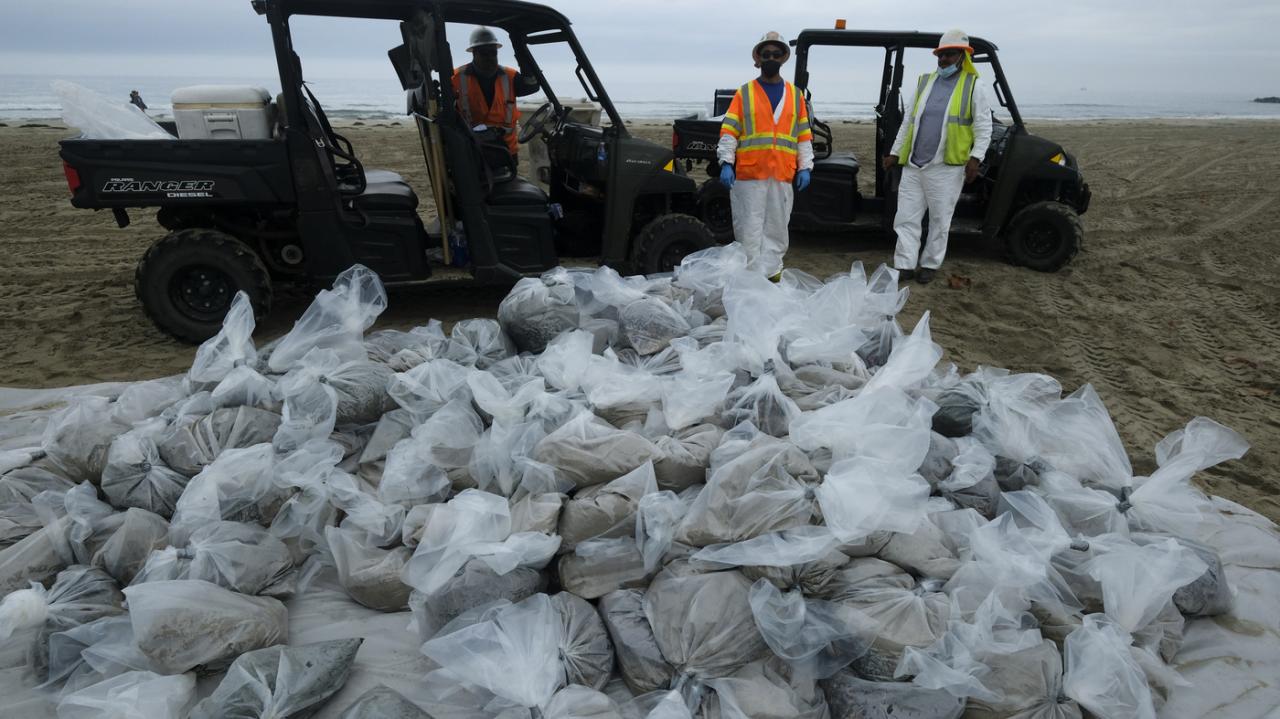
The California plastic container industry has faced a significant challenge due to the soaring oil prices. This has forced businesses to adapt and implement strategies to mitigate the impact on their operations and profitability. These responses range from adjustments in production methods and material sourcing to innovative packaging designs and exploring alternative materials.
Responses to High Oil Prices
The industry’s response to high oil prices has been multifaceted. Some companies have adopted strategies to reduce their reliance on oil-based materials, while others have focused on optimizing their production processes to minimize waste and improve efficiency.
- Shifting to Recycled Plastics:Many businesses have increased their use of recycled plastics, which reduces their dependence on virgin materials derived from oil. This strategy not only helps to lower costs but also aligns with sustainability goals. For instance, companies are now using post-consumer recycled (PCR) plastics in their containers, reducing their reliance on virgin materials.
- Exploring Alternative Materials:Some companies are exploring alternative materials, such as bioplastics derived from renewable sources like corn starch or sugarcane. These materials offer a sustainable alternative to traditional oil-based plastics, but their cost and performance characteristics can vary.
- Optimizing Production Processes:Companies are implementing lean manufacturing techniques to streamline their operations and reduce waste. This involves optimizing production processes, minimizing material usage, and improving efficiency.
- Developing Innovative Packaging Designs:Companies are developing innovative packaging designs that minimize the amount of plastic used while maintaining functionality and protecting the product. This can include using thinner walls, optimizing container shapes, and exploring alternative packaging formats.
- Collaborating with Suppliers:Businesses are working closely with their suppliers to secure stable and reliable sources of raw materials. This can involve negotiating long-term contracts or exploring alternative sourcing options.
Examples of Successful Businesses
Several businesses in the California plastic container industry have successfully navigated high oil price environments. These companies have implemented a combination of strategies, including:
- Company A:This company has successfully shifted its production to incorporate a higher percentage of recycled plastics. They have also implemented lean manufacturing practices and developed innovative packaging designs to minimize material usage.
- Company B:This company has invested in research and development to explore alternative materials, such as bioplastics. They have also partnered with suppliers to secure stable and reliable sources of raw materials.
- Company C:This company has focused on improving its production processes and minimizing waste. They have also adopted a circular economy approach, by designing their packaging for recyclability and reuse.
Long-Term Impacts on Sustainability and Competitiveness
The long-term impact of high oil prices on the California plastic container industry will depend on the effectiveness of the industry’s response. Businesses that embrace sustainable practices and adapt to changing market conditions are likely to thrive.
- Increased Sustainability:The industry’s focus on recycled plastics and alternative materials can lead to increased sustainability and reduced reliance on fossil fuels.
- Enhanced Competitiveness:Businesses that successfully adapt to high oil prices will be better positioned to compete in a global market.
- Innovation:The need to find cost-effective solutions will drive innovation and the development of new technologies and materials.
Consumer Impact
The escalating oil prices are not merely a concern for plastic container manufacturers; they ripple through the entire supply chain, ultimately impacting consumers. The higher production costs translate to increased prices for plastic containers, which could affect consumer purchasing decisions.
Furthermore, the potential for reduced product availability and shifts in consumer behavior due to these price hikes warrant careful consideration.
Increased Prices and Reduced Availability
The increased cost of oil, a key ingredient in plastic production, directly impacts the price of plastic containers. Manufacturers may pass these costs on to consumers, leading to higher prices for packaged goods. This price increase could affect consumer demand, particularly for non-essential items.
Additionally, if manufacturers face challenges procuring sufficient raw materials due to supply chain disruptions, product availability could be impacted. This scarcity could lead to higher prices or even temporary unavailability of certain products.
Shifting Consumer Behavior
Rising oil prices could also prompt consumers to reconsider their purchasing habits. Some consumers may choose to purchase fewer packaged goods or opt for alternative packaging options, such as reusable containers or products with minimal packaging. This shift in consumer behavior could impact the demand for plastic containers, forcing manufacturers to adapt their strategies.
Alternative Packaging Materials
The rising cost of oil and the environmental concerns associated with plastic have fueled interest in alternative packaging materials. Biodegradable materials derived from renewable sources, such as plant-based plastics and paper, are gaining traction. These materials offer a more sustainable alternative to traditional plastic, although they may come with their own challenges and limitations.
Environmental Impact of Plastic Containers vs. Alternatives
| Material | Environmental Impact |
|---|---|
| Plastic | High carbon footprint, long decomposition time, potential for microplastic pollution. |
| Paper | Renewable resource, biodegradable, but requires significant water and energy for production. |
| Biodegradable Plastics | Renewable resource, biodegradable, but production methods and decomposition time can vary. |
| Glass | Durable, recyclable, but heavy and prone to breakage. |
| Metal | Durable, recyclable, but energy-intensive to produce. |
Government Policies and Regulations
The impact of high oil prices on the plastic container industry has spurred a significant focus on government policies and regulations aimed at mitigating the effects and encouraging sustainable practices. Governments are actively seeking ways to balance economic interests with environmental concerns, ultimately shaping the future of the industry.
Incentives for Sustainable Practices
Governments can play a crucial role in promoting sustainable practices within the plastic container industry. By implementing a variety of incentives, businesses can be encouraged to adopt more environmentally friendly approaches. These incentives can include:
- Tax Credits:Offering tax credits for businesses that invest in recycling technologies, develop alternative packaging materials, or reduce their reliance on fossil fuels. For example, California’s “California Clean Energy Jobs Act” provides tax credits for businesses that invest in renewable energy sources and energy efficiency improvements.
- Grants:Providing grants to support research and development of sustainable packaging solutions, such as biodegradable plastics or alternative materials. The US Department of Energy’s “Bioenergy Technologies Office” offers grants for research and development of bio-based materials and processes.
- Government Procurement Policies:Prioritizing the purchase of products made with recycled materials or from sustainable sources. For example, the California Department of Resources Recycling and Recovery (CalRecycle) has implemented a “Green Purchasing Program” that encourages state agencies to purchase products made with recycled materials.
Examples of Successful Government Initiatives
Several regions have implemented successful government initiatives to address challenges related to oil prices and plastic production. These initiatives provide valuable insights for California’s plastic container industry:
- European Union’s Plastic Packaging Directive:This directive sets targets for recycling and reuse of plastic packaging, encouraging manufacturers to adopt circular economy principles. The directive has been successful in reducing plastic waste and promoting innovation in packaging design.
- China’s “National Sword” Policy:This policy restricted the import of plastic waste, forcing countries to focus on domestic recycling and waste management. The policy has led to a significant reduction in plastic waste exports and increased investment in recycling infrastructure.
Potential Challenges and Opportunities for Government Intervention
While government intervention can be beneficial, there are potential challenges and opportunities to consider:
- Balancing Economic Growth and Environmental Protection:Governments must carefully balance the need to support economic growth with the need to protect the environment. Incentives for sustainable practices must be designed to avoid placing undue burdens on businesses.
- Public Acceptance and Support:Government policies must be implemented in a way that is transparent and understandable to the public. Public acceptance and support are essential for the success of any government initiative.
- Innovation and Technological Advancements:Government policies should encourage innovation and technological advancements in the development of sustainable packaging solutions. This can be achieved through funding for research and development, as well as creating a favorable regulatory environment for new technologies.
Closure
The challenge of high oil prices for California’s plastic container businesses is multifaceted, requiring a multifaceted response. While the industry faces immediate financial pressures, there are opportunities for innovation, collaboration, and responsible practices. By adapting to changing market conditions, embracing sustainable solutions, and engaging in open dialogue, stakeholders can navigate these turbulent waters and create a more resilient and responsible future for the plastic container industry.