
Teachers Across the Country Demand Better Pay and Support
Teachers across the country are demanding better pay and support, and it’s a movement that’s gaining momentum. This isn’t just about money; it’s about recognizing the vital role educators play in shaping our future. From classroom burnout to crippling shortages, the challenges facing teachers are mounting, and they’re demanding a change.
This is a story about the tireless dedication of educators, the systemic issues they face, and the fight for a brighter future for our children and our schools.
The recent wave of teacher protests and demands for better pay and support is a reflection of a long-standing issue. For years, teachers have been grappling with increasing workloads, dwindling resources, and a lack of recognition for their contributions.
The current situation is not only affecting individual teachers but also impacting the quality of education for millions of students across the nation. This is a story about the systemic issues that are hindering our education system and the need for a fundamental shift in how we value and support our educators.
The Growing Demand for Teacher Support
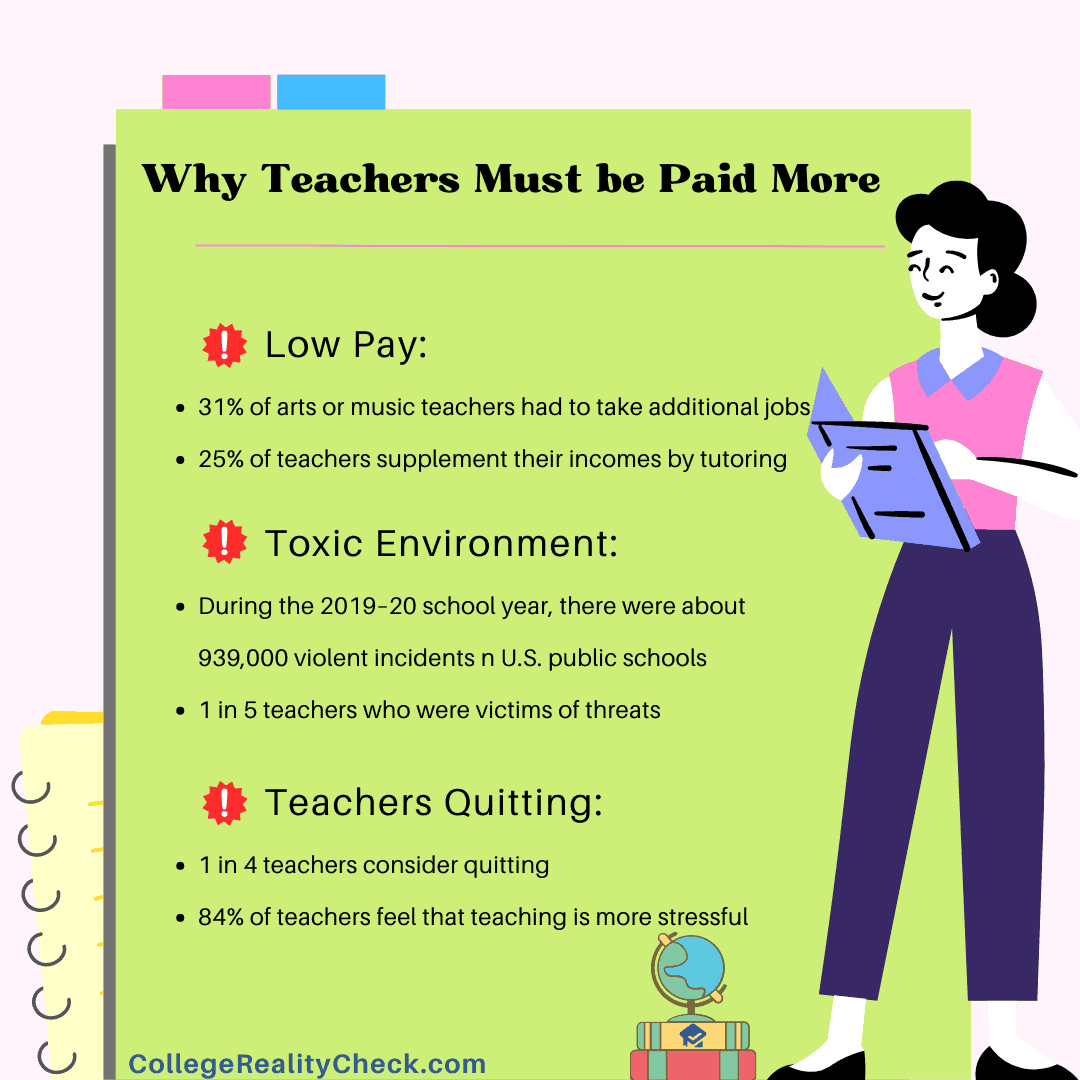
Across the nation, teachers are increasingly voicing their concerns about inadequate pay and insufficient support, leading to a growing movement demanding better working conditions. This wave of teacher activism reflects a culmination of long-standing issues that have reached a breaking point.
Historical Context of Teacher Compensation and Working Conditions
The historical context of teacher compensation and working conditions sheds light on the current situation. Traditionally, teaching has been viewed as a noble profession, but often with limited financial rewards. Over the years, teacher salaries have not kept pace with inflation, and working conditions have become increasingly challenging.
Issues Facing Teachers Across the Country
Teachers across the country are facing a multitude of issues that contribute to their dissatisfaction and demand for change. These issues include:
- Inadequate Compensation: Teacher salaries have stagnated in many states, leading to financial hardship for educators. Many teachers struggle to make ends meet, especially in high-cost areas.
- Increased Class Sizes: Larger class sizes place a significant burden on teachers, making it difficult to provide individualized attention and support to all students. This can lead to burnout and reduced teaching effectiveness.
- Lack of Resources: Teachers often lack the necessary resources, such as books, technology, and supplies, to effectively deliver their curriculum. This can hinder student learning and create frustration for teachers.
- High-Stakes Testing: The emphasis on standardized testing has created a culture of high-stakes accountability for teachers. This can lead to stress and anxiety, and may detract from a focus on holistic student development.
- Lack of Support: Teachers often feel isolated and unsupported by administrators and policymakers. This lack of support can contribute to feelings of frustration and disillusionment.
Teacher Dissatisfaction and Turnover
Teacher dissatisfaction and turnover rates are reaching alarming levels. A 2023 study by the National Education Association (NEA) found that:
- Nearly 50% of teachers reported feeling stressed or burned out.
- Over 30% of teachers indicated that they were considering leaving the profession within the next few years.
These statistics highlight the urgent need for meaningful change to support teachers and improve the teaching profession.
It’s inspiring to see teachers across the country demanding better pay and support. They deserve to be valued for the essential role they play in our society. It’s a reminder that we need to hold our elected officials accountable, especially when they engage in misleading campaigns like the one against North Carolina’s Democratic senate candidate Cheri Beasley, which was recently taken down by several TV stations due to complaints about its inaccuracies.
This situation highlights the need for transparency and accountability in political advertising. Ultimately, supporting our teachers and demanding ethical political practices go hand in hand.
The Impact of Teacher Shortages and Turnover
Teacher shortages and high turnover rates are a growing concern in education systems across the globe. These issues have significant implications for the quality of education, student learning, and the overall well-being of school communities.
Consequences for Student Learning
Teacher shortages directly impact student learning by creating larger class sizes, limiting access to specialized instruction, and increasing the burden on remaining teachers. Larger class sizes make it challenging for teachers to provide individual attention and support to each student.
This can lead to a decline in academic performance, particularly for students who require additional assistance. Additionally, teacher shortages can limit the availability of specialized teachers in subjects like science, math, and foreign languages. This can restrict students’ access to a diverse range of educational opportunities and limit their ability to develop their skills and interests.
Examples of Schools Struggling to Fill Positions
Many schools across the country are struggling to fill vacant teaching positions, particularly in high-need areas such as special education, STEM subjects, and rural communities. These shortages can lead to:
- Increased reliance on unqualified or under-qualified teachers
- Increased use of long-term substitutes or temporary teachers
- Disruption to the school schedule and curriculum
- Reduced student engagement and motivation
Economic and Social Implications
The shortage of teachers has significant economic and social implications. A well-educated workforce is crucial for economic growth and competitiveness. Teacher shortages can lead to a decline in the quality of education, which in turn can hinder economic development. Additionally, teacher shortages can exacerbate existing social inequalities.
Students in under-resourced schools are more likely to experience teacher shortages and lack access to quality education. This can perpetuate cycles of poverty and inequality.
Long-Term Impact on the Education System
Teacher shortages can have a long-term impact on the education system. A decline in the quality of education can lead to a decrease in student achievement, which can have negative consequences for individuals and society as a whole. Additionally, teacher shortages can create a cycle of decline, as fewer students are inspired to pursue careers in education.
It’s heartbreaking to see teachers across the country demanding better pay and support, especially when they’re already pouring their hearts and souls into educating our future generations. It’s a reminder that our society needs to prioritize its educators, just as we saw the devastating impact of misinformation and conspiracy theories in the wake of the Sandy Hook shooting , where unfounded claims eroded trust and hindered healing.
Supporting our teachers means supporting a safer, more informed future for all.
This can further exacerbate the problem of teacher shortages and lead to a decline in the overall quality of education.
Proposed Solutions and Strategies
Addressing the growing demands of teachers requires a multi-faceted approach that tackles issues of compensation, workload, and professional development. Solutions need to be tailored to the specific needs of individual schools and districts while considering the broader context of educational policy and funding.
Strategies for Teacher Compensation
A key factor in attracting and retaining quality teachers is competitive compensation. Several strategies can be employed to address teacher pay concerns.
| Solution | Benefits | Potential Drawbacks | Implementation Strategies |
|---|---|---|---|
| Salary Increases | Improved morale, increased retention, attraction of qualified candidates | Increased costs for school districts, potential for inequities between districts with varying funding levels | Negotiations with teacher unions, lobbying for increased state and federal funding for education |
| Performance-Based Pay | Incentivizes high performance, potentially improves student outcomes | Difficult to develop fair and accurate measures of teacher performance, potential for bias and inequities | Developing clear and objective performance criteria, providing professional development opportunities to support teacher growth |
| Career Ladders and Advancement Opportunities | Provides opportunities for professional growth and recognition, increased earning potential | Potential for bureaucratic hurdles and limited opportunities for advancement | Developing clear pathways for career advancement, providing mentorship and support for teachers seeking to advance |
Strategies for Reducing Teacher Workload
Excessive workload is a major contributor to teacher burnout and turnover. Addressing this issue requires a holistic approach that involves both administrative and instructional changes.
- Streamlining Administrative Tasks: Implementing technology solutions to automate tasks, reducing paperwork and unnecessary reporting requirements, and delegating tasks to support staff can free up teachers’ time for instruction and professional development.
- Reducing Meeting Time: Limiting the number and duration of meetings, focusing on relevant topics, and utilizing technology for virtual meetings can reduce time spent in non-instructional activities.
- Rethinking Curriculum and Instruction: Adopting project-based learning approaches, utilizing collaborative learning strategies, and integrating technology can reduce the need for repetitive and time-consuming tasks.
Strategies for Enhancing Professional Development
Continuous professional development is essential for teacher growth and effectiveness.
- Providing Relevant and Targeted Training: Offering professional development opportunities that are aligned with current research and best practices, tailored to individual needs and interests, and delivered in flexible formats can enhance teacher skills and knowledge.
- Creating Collaborative Learning Environments: Facilitating peer coaching, mentoring programs, and professional learning communities can foster a culture of collaboration and continuous learning.
- Supporting Teacher Leadership: Empowering teachers to take on leadership roles in curriculum development, professional development, and school improvement can enhance their skills and impact.
The Role of Policymakers and Stakeholders

The current teacher crisis demands a multifaceted approach, and policymakers play a crucial role in addressing teacher concerns and implementing reforms. They are responsible for creating and enacting policies that impact the education system, teacher compensation, working conditions, and overall support.
Furthermore, collaboration between educators, policymakers, and community members is essential to create a sustainable and effective education system.
It’s inspiring to see teachers across the country demanding better pay and support. They’re the backbone of our education system, and they deserve to be treated with respect and dignity. The recent rise in teacher activism highlights the dangers of the US myth of free speech, especially when it comes to criticizing those in power.
It’s time to acknowledge that true freedom of speech means having the resources and security to express oneself without fear of retaliation, as explored in this insightful article: twitter and the dangers of the us myth of free speech.
Ultimately, supporting our teachers means supporting their right to advocate for themselves and their students without fear of reprisal.
Policymakers’ Actions to Support Teachers
Policymakers have a significant responsibility to ensure that teachers are adequately supported and valued. This includes creating policies that address their concerns and provide them with the necessary resources to thrive in their profession.
- Increased Funding for Education:Policymakers can allocate more funding to schools to increase teacher salaries, provide professional development opportunities, and support innovative teaching methods. This investment directly impacts teacher morale, recruitment, and retention.
- Improved Teacher Compensation and Benefits:Competitive salaries, comprehensive benefits packages, and opportunities for advancement are crucial to attracting and retaining qualified teachers. Policymakers can implement policies that ensure teachers receive fair compensation and benefits that reflect their skills and contributions.
- Reduced Class Sizes:Smaller class sizes allow teachers to provide more individualized attention to students, leading to improved academic outcomes and reduced stress for teachers. Policymakers can allocate resources to reduce class sizes and ensure teachers have manageable workloads.
- Professional Development and Support:Policymakers should support ongoing professional development opportunities for teachers, allowing them to stay current with best practices, acquire new skills, and address emerging challenges.
- Increased Teacher Autonomy and Decision-Making:Empowering teachers to make decisions about their classrooms and curriculum fosters a sense of ownership and responsibility. Policymakers can create policies that allow teachers to have greater autonomy in their professional practice.
- Addressing Teacher Burnout and Stress:Policymakers can address the high levels of stress and burnout experienced by teachers by implementing policies that promote work-life balance, provide mental health resources, and create supportive school environments.
“Policymakers must recognize that investing in teachers is investing in the future of our children. We need to create an environment where teaching is a respected and rewarding profession, attracting and retaining the best talent.”
The Future of the Teaching Profession: Teachers Across The Country Are Demanding Better Pay And Support
The current wave of teacher demands for better pay and support has the potential to dramatically shape the future of the teaching profession. While these demands reflect the urgent need for change, they also offer a unique opportunity to reimagine education and create a more sustainable, fulfilling, and impactful profession for educators.
The Potential Impact of Teacher Demands, Teachers across the country are demanding better pay and support
The long-term impact of teacher demands on the future of the teaching profession will depend on how effectively policymakers and stakeholders respond to these concerns. A failure to address these demands could lead to a worsening teacher shortage, lower quality education, and a decline in the overall attractiveness of the teaching profession.
However, if these demands are met with meaningful and lasting change, the teaching profession could become more attractive, rewarding, and impactful, leading to a more diverse and qualified workforce.
Attracting and Retaining a More Diverse and Qualified Teaching Workforce
To attract and retain a more diverse and qualified teaching workforce, several key strategies must be implemented. These include:
- Increasing Teacher Salaries and Benefits:Competitive salaries and comprehensive benefits are essential to attracting and retaining talented individuals in the teaching profession. This includes addressing the issue of pay disparities across different regions and school districts.
- Providing Professional Development Opportunities:Continuous learning and growth are crucial for teacher satisfaction and effectiveness. Providing access to high-quality professional development programs, mentorship opportunities, and opportunities for leadership development can enhance the teaching profession and make it more appealing to prospective educators.
- Creating Supportive School Environments:A supportive school environment that values collaboration, innovation, and teacher well-being is essential for attracting and retaining high-quality educators. This includes providing adequate resources, reducing administrative burdens, and fostering a culture of respect and collaboration.
- Promoting Diversity and Inclusion:A diverse and inclusive teaching workforce is essential for providing equitable and effective education for all students. This involves creating pathways for individuals from diverse backgrounds to enter the teaching profession and fostering a welcoming and inclusive environment for all educators.
Emerging Trends and Challenges
The future of education will be shaped by several emerging trends and challenges:
- Technological Advancements:The increasing use of technology in education presents both opportunities and challenges. Educators will need to adapt to new technologies and integrate them effectively into their teaching practices. This will require ongoing professional development and support to ensure that teachers are equipped to leverage technology effectively.
- Personalized Learning:The shift towards personalized learning, where instruction is tailored to individual student needs, will require educators to develop new skills and approaches to teaching. This will involve using data to inform instruction, adapting teaching strategies to different learning styles, and providing individualized support to students.
- Social and Emotional Learning (SEL):The importance of social and emotional learning is increasingly recognized as crucial for student success. Educators will need to incorporate SEL into their teaching practices, promoting students’ emotional well-being, social skills, and self-regulation. This will require training and resources to equip teachers to effectively address these aspects of student development.
Visual Illustration of the Ideal Future for the Teaching Profession
Imagine a future where the teaching profession is highly valued, respected, and supported. Teachers are well-compensated, provided with comprehensive benefits, and given the resources and autonomy they need to succeed. They have access to ongoing professional development opportunities and are encouraged to innovate and collaborate with colleagues.
School environments are supportive, inclusive, and prioritize the well-being of both teachers and students. The teaching profession is seen as a respected and fulfilling career path, attracting a diverse and qualified workforce committed to providing high-quality education for all students.
Ultimate Conclusion
The future of education is at a crossroads. The demands for better pay and support for teachers are not just about addressing a current crisis, but about investing in a future where educators are valued, respected, and empowered to do their best work.
It’s a call for a systemic overhaul, one that acknowledges the critical role of teachers in shaping our society and ensures that they have the resources and support they need to thrive. The outcome of this movement will determine the future of education, not just for our children, but for generations to come.