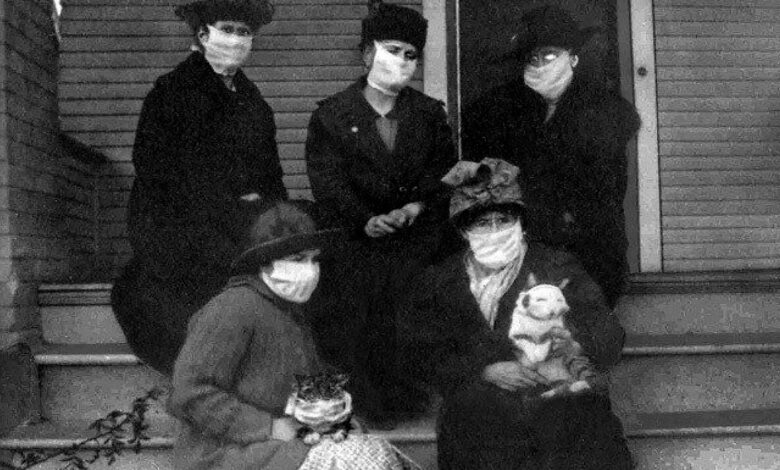
People, Not Science, Decide When a Pandemic Ends
People not science decide when a pandemic is over – People, Not Science, Decide When a Pandemic Ends: This statement might seem jarring, but it’s a stark reality. While scientific data and expert opinions are crucial, the decision to declare a pandemic over is often influenced by a complex interplay of factors beyond just the numbers.
This isn’t a condemnation of public health authorities, but rather a call for a deeper understanding of the forces that shape these decisions.
We’ve witnessed this dynamic throughout history, from the Spanish Flu to the current COVID-19 pandemic. Public sentiment, economic concerns, and political pressures all intertwine to create a tapestry of factors that ultimately decide when we move on from a global health crisis.
This article delves into the intricate relationship between science, politics, and public perception in pandemic declarations, highlighting the often-overlooked human element that shapes our collective response.
Political Influences and Decision-Making

Pandemics are not just scientific events; they are deeply intertwined with political realities. Political leaders play a crucial role in shaping pandemic declarations and responses, often influencing scientific recommendations and impacting public health policies.
It’s a frustrating reality that politics, not science, often dictates when a pandemic is declared over. We saw this with the recent COVID-19 pandemic, where the desire to return to “normal” trumped expert advice. And now, it seems, the same political forces are at play as we see Mitch McConnell’s worst nightmare come true as Biden annihilates the GOP for wanting to raise your taxes, as reported in this article.
The question remains: will we ever truly be able to separate politics from public health, or will we continue to be led by the whims of the loudest voices, not the wisest?
The Role of Political Leaders
Political leaders are responsible for making critical decisions during pandemics, including declaring a public health emergency, implementing containment measures, and allocating resources. Their decisions have a profound impact on the lives of citizens and the course of the pandemic.
- Public Health Declarations:Political leaders often play a key role in declaring a pandemic, which triggers a range of public health responses, including travel restrictions, quarantine measures, and social distancing guidelines.
- Policy Implementation:Governments implement policies based on scientific advice, but the political context can influence the specific measures taken and the timing of their implementation.
- Resource Allocation:Political leaders are responsible for allocating resources, such as funding for research, development of vaccines and treatments, and public health infrastructure, which can significantly impact the pandemic response.
Potential for Political Pressure
Political pressure can influence scientific recommendations and policy decisions, potentially leading to delays in implementing effective measures or prioritizing political interests over public health.
It’s frustrating to see how often political decisions, not scientific data, dictate the end of a pandemic. Take the recent recall of Jif and Smuckers peanut butter due to potential Salmonella contamination , for example. While the risk of contracting Salmonella is very real, the recall highlights how public health decisions can be influenced by factors beyond scientific evidence.
Ultimately, it’s the people who decide when a pandemic is “over,” even if the science suggests otherwise.
- Economic Considerations:Governments may prioritize economic concerns over public health measures, leading to delays in implementing lockdowns or restrictions that could have slowed the spread of the virus.
- Public Opinion:Political leaders may be swayed by public opinion, even if it contradicts scientific advice, leading to a weakening of public health measures.
- Political Gain:In some cases, political leaders may use pandemics to advance their own political agendas, potentially prioritizing short-term gains over long-term public health outcomes.
Examples of Political Influence
Numerous examples illustrate how political considerations have impacted pandemic policies.
It’s fascinating how often we see political decisions trumping scientific advice, especially when it comes to things like pandemic declarations. It’s a stark reminder that, ultimately, it’s people who decide when a crisis is over, not data points. Take, for example, the recent meeting of Eric Adams with New York City business leaders to discuss public safety, where economic concerns are likely to be at the forefront.
While the science may tell us one thing, the desire to get back to “normal” often dictates the timeline.
- The 2009 H1N1 Pandemic:The response to the 2009 H1N1 pandemic varied significantly across countries, with some governments implementing aggressive containment measures while others opted for a more relaxed approach. These differences were often attributed to political factors, including public opinion, economic concerns, and the political climate.
- The COVID-19 Pandemic:The COVID-19 pandemic has also witnessed a range of political responses, with some countries implementing strict lockdowns and mask mandates while others adopted a more laissez-faire approach. These differences have been linked to factors such as political ideology, public trust in government, and the perceived threat of the virus.
Ethical Considerations and Public Trust

The declaration of a pandemic is a weighty decision with far-reaching consequences. It not only impacts public health measures but also significantly influences public trust in institutions and the overall societal response. This section delves into the ethical considerations surrounding pandemic declarations and the vital role of public trust in navigating such crises.
The Importance of Public Trust
Public trust is essential for effective pandemic management. When people trust their leaders and public health authorities, they are more likely to comply with recommendations, such as wearing masks, social distancing, and getting vaccinated. This trust is built on a foundation of transparency, accountability, and ethical decision-making.
- Transparency:Public health officials must be transparent about their decision-making processes, including the data and evidence they are using to inform their recommendations. This transparency helps build trust by showing the public that decisions are being made based on sound scientific principles and not political or personal agendas.
- Accountability:Public health officials should be accountable for their actions and decisions. This means being open to scrutiny and criticism, and being willing to explain their decisions to the public. Accountability helps ensure that decisions are made in the best interests of the public and not for personal gain.
- Ethical Decision-Making:Ethical considerations must guide all pandemic-related decisions. This includes ensuring that decisions are made fairly and equitably, with a focus on protecting the most vulnerable members of society. Ethical decision-making helps to build trust by demonstrating that the public’s well-being is a top priority.
The Impact of Misinformation, People not science decide when a pandemic is over
Misinformation and disinformation can erode public trust and undermine public health efforts. During a pandemic, the rapid spread of inaccurate information can lead to confusion, fear, and distrust in official sources. This can have serious consequences for public health, as people may be less likely to follow recommended precautions or seek medical care.
- Examples:During the COVID-19 pandemic, misinformation about the virus and vaccines spread widely on social media. This misinformation led to vaccine hesitancy and a reluctance to follow public health guidelines, contributing to the spread of the virus and a higher number of cases and deaths.
Promoting Transparency and Accountability
To promote transparency and accountability in pandemic management, several measures can be implemented:
- Open Data and Communication:Public health authorities should make data and evidence used for decision-making readily available to the public. This includes sharing information about the virus, the effectiveness of interventions, and the progress of the pandemic.
- Independent Oversight:Establishing independent oversight bodies to review pandemic management decisions and ensure transparency and accountability. These bodies could include experts from various fields, such as public health, ethics, and law.
- Public Engagement:Engaging the public in the decision-making process through public forums, surveys, and other mechanisms. This allows for diverse perspectives and helps build trust by demonstrating that the public’s voice is being heard.
- Media Literacy:Promoting media literacy among the public to help them identify and critically evaluate information from various sources. This includes teaching people how to recognize misinformation and disinformation, and how to find reliable sources of information.
Closure: People Not Science Decide When A Pandemic Is Over
Ultimately, navigating the end of a pandemic requires a delicate balance between scientific data, societal needs, and political realities. It’s a complex equation with no easy answers, but one that demands open dialogue and transparency. By acknowledging the multifaceted nature of this decision-making process, we can foster a more informed and collaborative approach to pandemic management, ensuring that the decisions made reflect the best interests of public health and societal well-being.