
PBLWorks Partners with Kentucky Education to Scale Project-Based Learning
Pblworks partners with the kentucky department of education kde on a four year initiative to scale gold standard pbl across state – PBLWorks partners with the Kentucky Department of Education (KDE) on a four-year initiative to scale gold standard PBL across the state. This ambitious collaboration aims to transform Kentucky’s education system by empowering students with real-world learning experiences and equipping teachers with the tools and support they need to implement effective PBL.
The partnership represents a significant commitment to innovation and student success, leveraging PBLWorks’ expertise in designing and implementing high-quality PBL programs.
The initiative’s focus on scaling “Gold Standard” PBL is rooted in the belief that this approach can significantly enhance student engagement, critical thinking skills, and overall academic performance. Through teacher training, curriculum development, and ongoing support, the partnership aims to equip Kentucky educators with the knowledge and resources to effectively implement PBL across all grade levels and subject areas.
Kentucky Department of Education’s (KDE) Commitment
The Kentucky Department of Education (KDE) is dedicated to providing all Kentucky students with a high-quality education that prepares them for success in college, careers, and life. The KDE believes that Project-Based Learning (PBL) is a powerful approach to education that can help achieve this vision.PBL aligns with the KDE’s vision for education in Kentucky by fostering student engagement, critical thinking, and problem-solving skills.
PBL encourages students to take ownership of their learning and develop deeper understanding through real-world applications.
KDE’s Involvement in the Initiative
The KDE’s involvement in the four-year initiative to scale Gold Standard PBL across the state is a testament to its commitment to this approach. The KDE is providing significant resources and support to ensure the success of the initiative.The KDE has allocated substantial funding to support the implementation of PBL in Kentucky schools.
This funding is used to provide professional development for teachers, develop curriculum resources, and support the creation of PBL learning communities.The KDE is also providing ongoing support to teachers and schools through coaching, mentoring, and technical assistance. The KDE has assembled a team of experts in PBL to provide guidance and support to educators throughout the state.
KDE’s Expectations for the Impact of the Partnership
The KDE expects this partnership with PBLWorks to have a significant positive impact on Kentucky’s education system. The KDE anticipates that the initiative will lead to:
- Improved student engagement and motivation
- Increased student achievement in academic subjects
- Enhanced development of 21st-century skills, such as critical thinking, problem-solving, collaboration, and communication
- A more equitable and inclusive learning environment for all students
The KDE expects that the implementation of Gold Standard PBL will equip Kentucky students with the skills and knowledge they need to succeed in a rapidly changing world. The KDE believes that PBL will play a vital role in preparing Kentucky students for college, careers, and a fulfilling life.
Scaling “Gold Standard” PBL: Pblworks Partners With The Kentucky Department Of Education Kde On A Four Year Initiative To Scale Gold Standard Pbl Across State
The Kentucky Department of Education (KDE) and PBLWorks are embarking on a four-year initiative to scale “Gold Standard” Project-Based Learning (PBL) across the state. This ambitious undertaking aims to transform Kentucky’s educational landscape by equipping students with essential 21st-century skills and fostering a deeper understanding of real-world challenges.
Key Characteristics of “Gold Standard” PBL
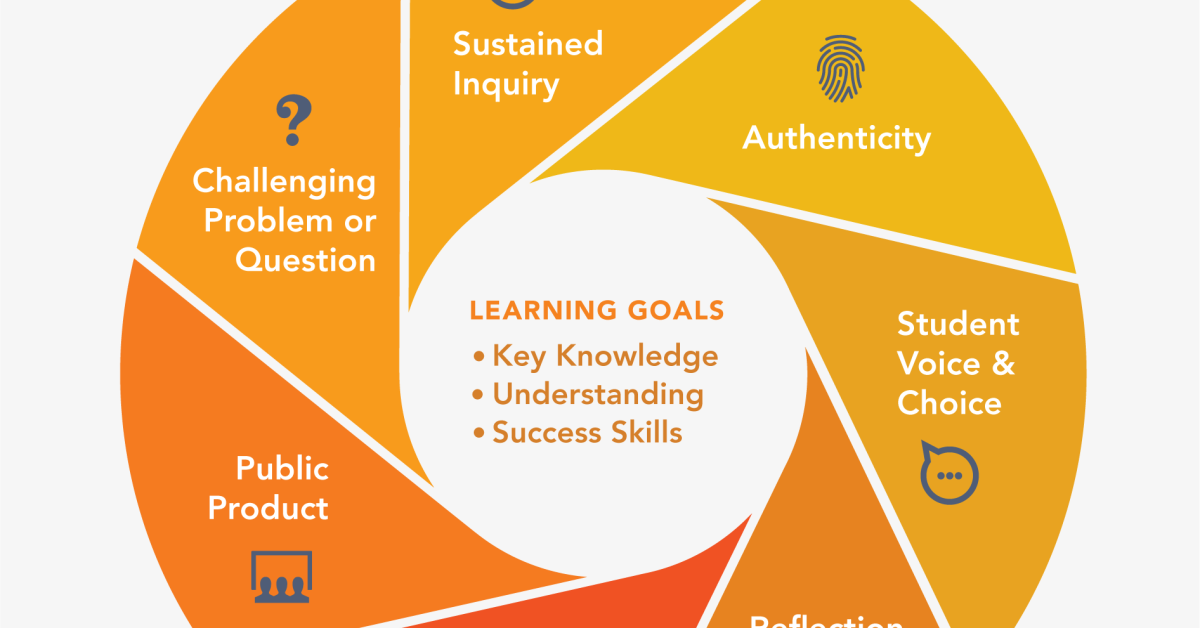
PBLWorks defines “Gold Standard” PBL as a student-centered approach to learning that goes beyond traditional classroom activities. It emphasizes deep engagement, authentic challenges, and collaborative problem-solving. “Gold Standard” PBL adheres to the following key principles:
- Challenging, Relevant, and Engaging Projects:Students work on complex, real-world projects that align with their interests and connect to their lives. These projects should be engaging, sparking curiosity and motivating students to delve deeper into the subject matter.
- Student Voice and Choice:Students have a significant role in shaping the direction of their projects. They are empowered to make choices, explore their interests, and take ownership of their learning.
- In-Depth Inquiry and Research:PBL encourages students to conduct research, gather information, and analyze data to gain a deeper understanding of the project’s context.
- Collaboration and Communication:Students work collaboratively in teams, developing their communication skills and learning to effectively interact with others.
- Authentic Products and Performances:Students create tangible products, perform tasks, or present their findings in ways that demonstrate their understanding and showcase their skills.
- Reflection and Feedback:Throughout the project, students engage in self-reflection, receive feedback from peers and teachers, and use this information to improve their work.
Scaling PBL Across the State
Scaling “Gold Standard” PBL across Kentucky involves a multi-faceted approach that focuses on teacher training, curriculum development, and ongoing support.
- Teacher Training:KDE and PBLWorks will provide comprehensive training programs for teachers to equip them with the knowledge, skills, and resources needed to implement “Gold Standard” PBL effectively. These programs will include workshops, online modules, and mentorship opportunities.
- Curriculum Development:PBLWorks will collaborate with KDE to develop high-quality, standards-aligned PBL units that can be easily implemented in classrooms across the state. These units will provide teachers with clear project guidelines, student activities, and assessment tools.
- Ongoing Support:KDE and PBLWorks will offer ongoing support to teachers through coaching, professional development opportunities, and access to online resources. This continuous support will help teachers navigate challenges, refine their PBL practices, and ensure the successful implementation of “Gold Standard” PBL in their classrooms.
Expected Impact of Scaling PBL
Scaling “Gold Standard” PBL across Kentucky is expected to have a profound impact on student learning outcomes and teacher practices.
- Student Learning Outcomes:PBL is designed to promote deep learning and enhance student engagement. Research suggests that students involved in PBL demonstrate significant improvements in critical thinking, problem-solving, communication, and collaboration skills. Additionally, they develop a deeper understanding of the subject matter and a stronger sense of ownership over their learning.
- Teacher Practices:“Gold Standard” PBL empowers teachers to become facilitators of learning, guiding students through inquiry-based projects and fostering their development of essential 21st-century skills. This shift in teaching practices encourages teachers to embrace a more student-centered approach, promoting active learning and collaborative environments in their classrooms.
It’s exciting to see PBLWorks partner with the Kentucky Department of Education on a four-year initiative to scale gold standard PBL across the state. This kind of collaboration is crucial for improving education, and it reminds me of the importance of transparency in other areas, like the crypto world, where it’s important to be aware of how influencers hype crypto without disclosing their financial ties, as highlighted in this article how influencers hype crypto without disclosing their financial ties.
Ultimately, whether it’s education or finance, a lack of transparency can be detrimental, and we should always strive for ethical and responsible practices.
Challenges and Opportunities
Scaling “Gold Standard” PBL across Kentucky presents both challenges and opportunities. While the potential benefits are significant, addressing potential roadblocks is crucial for a successful implementation.
Challenges in Scaling PBL
Implementing PBL at scale across an entire state like Kentucky requires careful consideration of potential challenges. These challenges can be broadly categorized as:
- Teacher Training and Support:Providing comprehensive training for teachers on the principles and practices of “Gold Standard” PBL is essential. This includes training on project design, assessment, and classroom management strategies specifically tailored for PBL. Additionally, ongoing support and mentorship are crucial to ensure teachers feel confident and equipped to implement PBL effectively.
- Resource Availability:Implementing PBL effectively requires access to adequate resources, including time, materials, and technology. Ensuring that schools have the necessary resources to support PBL implementation is critical. This may involve allocating additional funding, providing access to online resources, or creating partnerships with community organizations.
- Curriculum Alignment:Aligning PBL projects with Kentucky’s state standards and curriculum frameworks is essential. This involves ensuring that projects address learning objectives and provide students with the necessary knowledge and skills. Schools will need to develop a system for aligning PBL projects with existing curriculum and assessment frameworks.
- Parental and Community Engagement:Engaging parents and the community in PBL is essential for its success. This may involve communicating the benefits of PBL, providing opportunities for parents to participate in projects, and establishing partnerships with community organizations to support student learning.
- Assessment and Evaluation:Developing effective assessment strategies for PBL is crucial. Traditional assessments may not fully capture the depth and breadth of student learning in PBL. Schools will need to develop alternative assessment methods that measure student progress in project-based learning environments.
Additionally, it is important to establish clear metrics for evaluating the effectiveness of PBL implementation at the school and district level.
Strategies for Addressing Challenges
Several strategies can help address these challenges and ensure successful implementation of PBL across Kentucky:
- Collaborative Teacher Training:Implementing PBL effectively requires a collaborative approach to teacher training. This involves providing teachers with opportunities to learn from each other, share best practices, and collaborate on project design. Collaborative training can foster a sense of community among teachers and create a supportive environment for PBL implementation.
- Resource Allocation and Partnerships:Schools and districts should prioritize resource allocation to support PBL implementation. This may involve providing additional funding for project materials, technology, and professional development. Additionally, establishing partnerships with community organizations, businesses, and higher education institutions can provide access to valuable resources and expertise.
- Curriculum Development and Alignment:Kentucky’s Department of Education can play a key role in supporting curriculum alignment. This involves providing guidance on developing PBL projects that align with state standards and curriculum frameworks. Additionally, the KDE can create resources and tools that help schools and districts develop and implement PBL projects effectively.
It’s exciting to see PBLWorks partnering with the Kentucky Department of Education on a four-year initiative to scale gold standard PBL across the state. This kind of collaboration is crucial for creating a more engaging and effective learning environment for students.
It’s a stark contrast to the news of a retired general being investigated for undisclosed lobbying for Qatar, which raises serious questions about transparency and accountability. But back to PBLWorks, their work is an inspiring example of how we can make a real difference in education, and I’m hopeful that their partnership with KDE will lead to significant improvements in Kentucky schools.
- Communication and Engagement:Effective communication is essential for engaging parents and the community in PBL. Schools and districts should develop strategies for communicating the benefits of PBL to parents and the community. This may involve hosting parent workshops, showcasing student projects, and involving parents in project planning and implementation.
- Assessment and Evaluation:Developing effective assessment strategies for PBL is essential. Schools and districts should explore alternative assessment methods that measure student progress in project-based learning environments. This may include using portfolios, rubrics, and performance-based assessments. Additionally, the KDE can develop guidelines and resources for evaluating the effectiveness of PBL implementation at the school and district level.
Opportunities for Improving Education
This initiative presents several opportunities for improving education in Kentucky:
- Increased Student Engagement:PBL has been shown to increase student engagement and motivation. By providing students with opportunities to apply their knowledge and skills in real-world contexts, PBL can make learning more relevant and meaningful. This can lead to improved student achievement and a greater sense of ownership over their learning.
It’s exciting to see PBLWorks partnering with the Kentucky Department of Education (KDE) on this four-year initiative to scale gold-standard PBL across the state! It’s a huge step for student engagement and deeper learning. And while we’re on the topic of engaging young minds, check out this awesome list of 15 kid-recommended books for Diary of a Wimpy Kid fans – perfect for keeping those young readers hooked.
I’m confident that PBLWorks and KDE’s collaboration will make a real difference in Kentucky classrooms, inspiring a love of learning in students of all ages!
- Development of 21st-Century Skills:PBL provides students with opportunities to develop critical thinking, problem-solving, collaboration, and communication skills – essential for success in the 21st century. These skills are highly valued by employers and are crucial for navigating an increasingly complex and interconnected world.
- Personalized Learning:PBL can be tailored to individual student needs and interests. This allows students to explore topics that are relevant to their lives and passions. Personalized learning can lead to increased student motivation and achievement, as well as a greater sense of agency over their learning.
- Innovation and Creativity:PBL encourages students to think creatively and find innovative solutions to real-world problems. This can foster a culture of innovation and creativity in Kentucky schools, leading to new ideas and solutions for local and global challenges.
- Community Partnerships:PBL often involves partnerships with community organizations, businesses, and higher education institutions. These partnerships can provide students with access to real-world experiences, mentorship, and resources. They can also help schools build stronger connections with their communities, leading to increased support for education.
Impact and Evaluation
The success of this ambitious initiative hinges on effectively measuring its impact and ensuring that the investment in scaling PBL yields tangible results for Kentucky’s students. A comprehensive evaluation plan is essential to track progress, identify areas for improvement, and demonstrate the value of this partnership.The evaluation will be conducted through a multi-faceted approach, encompassing a variety of metrics and data collection methods.
This will provide a robust understanding of the initiative’s impact on various aspects of the educational landscape.
Data Collection and Analysis, Pblworks partners with the kentucky department of education kde on a four year initiative to scale gold standard pbl across state
- Student Achievement Data:Standardized test scores, including those for state assessments and national exams, will be collected and analyzed to assess student performance in core subjects like math, reading, and science. This data will help determine whether PBL implementation leads to improved academic outcomes.
- Student Engagement and Motivation:Surveys, interviews, and classroom observations will be used to gauge student engagement in PBL projects, their level of motivation, and their perceived learning gains. This qualitative data will provide valuable insights into the impact of PBL on students’ attitudes and perceptions toward learning.
- Teacher Implementation Data:Surveys, interviews, and focus groups with teachers will be conducted to assess the effectiveness of professional development programs, the challenges they face in implementing PBL, and their perceived impact of PBL on their teaching practices. This data will help inform the ongoing support and development of teachers.
- School-Level Data:Data will be collected from schools participating in the initiative to assess the impact of PBL on school culture, climate, and overall school performance. This may include measures of student attendance, graduation rates, and school-wide climate surveys.
The data collected will be analyzed using a variety of statistical and qualitative methods. This will involve comparing student performance data across different groups, identifying trends in student engagement and motivation, and analyzing teacher feedback to identify areas for improvement.
The evaluation will also consider external factors that may influence the outcomes of the initiative, such as socio-economic factors and school demographics.
Long-Term Impact
The success of this partnership has the potential to significantly impact Kentucky’s education system in the long term.
- Increased Student Engagement and Motivation:By fostering a more engaging and relevant learning environment, PBL has the potential to increase student motivation and engagement, leading to improved academic outcomes and a greater sense of ownership over their learning.
- Development of 21st-Century Skills:PBL projects naturally encourage the development of essential 21st-century skills such as critical thinking, problem-solving, collaboration, communication, and creativity. These skills are highly valued in today’s workforce and are essential for success in a rapidly changing world.
- Enhanced Teacher Professional Development:The partnership will provide teachers with ongoing professional development opportunities, equipping them with the skills and knowledge needed to effectively implement PBL. This will not only enhance their teaching practices but also create a more collaborative and innovative learning environment for teachers and students alike.
- Positive School Climate:PBL can contribute to a more positive school climate by fostering collaboration, communication, and respect among students and teachers. This can lead to a more inclusive and supportive learning environment that benefits all students.
The evaluation process will play a crucial role in ensuring that this initiative delivers on its promise of transforming Kentucky’s education system. By carefully collecting and analyzing data, the partners can identify areas for improvement, celebrate successes, and ultimately demonstrate the value of PBL as a powerful tool for student learning and development.
Last Word

The PBLWorks and KDE partnership represents a bold step towards a more engaging and effective education system in Kentucky. By scaling “Gold Standard” PBL across the state, the initiative promises to empower students, enhance teacher practices, and ultimately, create a brighter future for Kentucky’s students.
The commitment to data-driven evaluation and continuous improvement ensures that the initiative remains focused on achieving its goals and maximizing its impact on student learning outcomes.