Organic Agriculture Nightmare Tanks Sri Lankas Economy
Organic agriculture nightmare tanks sri lankas economy – Organic agriculture nightmare tanks Sri Lanka’s economy – a bold statement, yet one that sadly reflects the harsh reality faced by this island nation. In 2019, Sri Lanka embarked on an ambitious journey towards becoming a fully organic agricultural nation, driven by a desire for environmental sustainability and a perceived shift towards healthier food production.
However, this well-intentioned initiative quickly spiraled into an economic crisis, leaving the country grappling with food shortages, soaring prices, and a struggling agricultural sector.
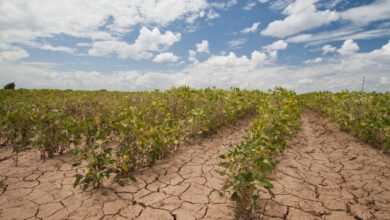
The government’s decision to ban chemical fertilizers and pesticides, a move intended to promote organic farming practices, resulted in a dramatic decline in crop yields. The reliance on organic methods, without adequate preparation and support, proved inadequate to sustain the country’s agricultural needs.
Farmers struggled to adapt to the new practices, and the lack of readily available organic alternatives led to a significant drop in agricultural output. This, in turn, triggered a cascade of economic consequences, impacting food security, inflation, and overall economic stability.
The Rise of Organic Agriculture in Sri Lanka
Sri Lanka’s decision to embrace organic agriculture in 2019 was a bold move, aiming to transform its agricultural sector and address concerns about chemical-based farming. This shift, driven by a combination of factors, had a significant impact on the country’s economy.
The Government’s Rationale for Organic Farming
The Sri Lankan government’s decision to transition to organic agriculture was motivated by a desire to enhance food security, improve public health, and protect the environment.
- The government believed that organic farming would reduce reliance on imported chemical fertilizers and pesticides, promoting self-sufficiency and reducing the country’s vulnerability to global price fluctuations.
- It aimed to improve soil health, water quality, and biodiversity, mitigating the negative environmental impacts associated with conventional agriculture.
- The government also emphasized the potential health benefits of organic food, promoting a safer and more nutritious food supply for the population.
Public Perception of the Organic Initiative
Public perception of the organic agriculture initiative was mixed. While some welcomed the move, emphasizing its potential benefits for health and the environment, others expressed concerns about its feasibility and potential economic consequences.
- Many farmers were apprehensive about the transition to organic farming, lacking access to training, resources, and markets for organic produce.
- Concerns about the potential impact on food production and the availability of affordable food were also raised.
- Despite these concerns, there was also significant public support for the initiative, particularly among environmentally conscious citizens.
Organic Farming Policies and Practices
The Sri Lankan government implemented several policies and practices to promote organic agriculture.
Sri Lanka’s experiment with organic agriculture, while well-intentioned, turned into a nightmare that crippled their economy. It’s a stark reminder that even the most noble ideals can falter without careful planning and execution. Elon Musk’s controversial return-to-office plan, as outlined in this article , highlights a key principle leaders must follow: clear communication and a well-defined strategy are essential for success, no matter how idealistic the goal.
Just like Sri Lanka’s organic agriculture program, poorly implemented plans can have disastrous consequences, even with the best intentions at heart.
- A ban on the importation and use of chemical fertilizers and pesticides was enforced, encouraging farmers to adopt organic farming methods.
- The government introduced subsidies and incentives to support farmers transitioning to organic practices, providing financial assistance for organic inputs and training.
- Extension services were expanded to provide farmers with technical guidance and support on organic farming techniques.
- The government also promoted the development of organic markets and certification programs to ensure the quality and authenticity of organic produce.
The Economic Impact of the Policy
Sri Lanka’s abrupt shift to organic agriculture in 2021, while driven by noble intentions, had unforeseen and severe economic repercussions. The policy’s implementation without proper planning and infrastructure led to a cascade of challenges, impacting agricultural production, food security, and the overall economy.
The Impact on Agricultural Production
The transition to organic farming required a significant shift in practices, including the use of natural fertilizers and pest control methods. However, Sri Lankan farmers, accustomed to conventional methods, faced difficulties adapting to these new practices. This led to a decline in crop yields, with many farmers reporting a substantial decrease in their harvest.
For instance, paddy production, a staple food crop, dropped by 20% in 2021, contributing to food shortages and rising prices.
- Rice Production:The country’s rice production plummeted by 20% in 2021, leading to a significant increase in rice imports. This resulted in a substantial financial burden on the government, further straining the already fragile economy.
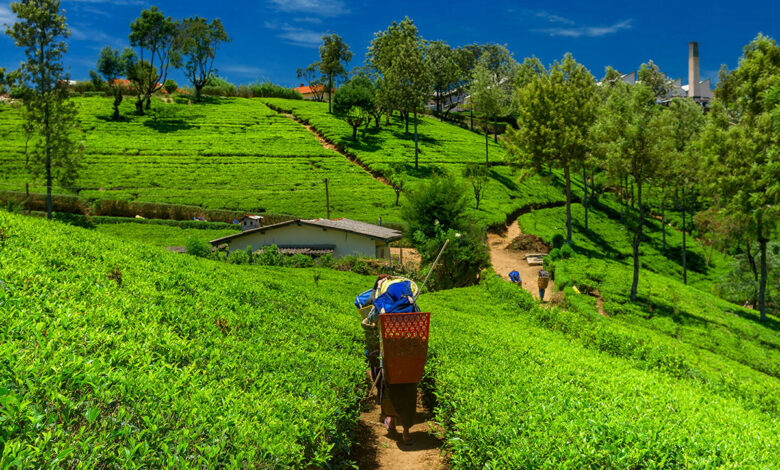
- Tea Production:The tea industry, a major export earner for Sri Lanka, also faced challenges due to the organic transition. The yield of tea, a crucial export commodity, decreased by 15% in 2021, leading to a decline in export revenue.
- Vegetable Production:The production of vegetables also experienced a significant drop, leading to increased food prices and reduced access to essential nutrients for many Sri Lankans.
The Impact on Food Prices
The decline in agricultural production led to a sharp increase in food prices. This was particularly evident in the case of rice, the staple food for the majority of the Sri Lankan population. The price of rice increased by over 50% in 2021, making it increasingly difficult for many households to afford basic necessities.
“The sharp rise in food prices had a disproportionate impact on low-income households, pushing many into poverty.”
This price surge also impacted other essential food items, such as vegetables, fruits, and dairy products. The overall impact on food inflation contributed significantly to the economic crisis, further exacerbating the financial hardship faced by many Sri Lankans.
Sri Lanka’s economic crisis, fueled by the disastrous implementation of organic agriculture, serves as a stark reminder of the dangers of ignoring expert advice and embracing unproven ideologies. It’s a cautionary tale that echoes the downfall of Vladimir Putin, who, blinded by his own propaganda, launched a disastrous invasion of Ukraine, a move that has isolated Russia and crippled its economy.
The Sri Lankan situation highlights the importance of evidence-based decision-making, a lesson that Putin, as evidenced by the article how putin became the victim of his own lies , seems to have missed. The consequences of these flawed decisions, both in Sri Lanka and in Russia, have been devastating, underscoring the importance of sound judgment and a willingness to listen to experts.
The Impact on Farmers’ Incomes
The transition to organic agriculture had a significant negative impact on farmers’ incomes. The decrease in crop yields, coupled with the rising cost of organic inputs, led to a decline in farm profitability. This resulted in a significant loss of income for many farmers, forcing some to abandon their farms and seek alternative employment opportunities.
- Loss of Income:The reduction in crop yields and the increased cost of organic inputs led to a significant decline in farmers’ incomes, pushing many into financial distress.
- Debt Burden:The financial strain on farmers led to an increase in debt, further exacerbating their economic difficulties.
- Migration:Faced with financial hardship, many farmers were forced to migrate to urban areas in search of alternative employment opportunities.
The Impact on Related Industries
The decline in agricultural production had ripple effects on related industries, such as food processing and export. The reduced supply of raw materials, particularly from the tea and rubber sectors, led to a decline in production and export revenue. This further impacted the overall economic performance of the country.
- Food Processing:The food processing industry faced challenges due to the reduced availability of raw materials, leading to a decline in production and employment.
- Exports:The decline in agricultural production, particularly in tea and rubber, resulted in a significant drop in export revenue, impacting the country’s foreign exchange reserves.
The Role of Chemical Fertilizers and Pesticides
Prior to the implementation of the organic agriculture policy, Sri Lankan agriculture heavily relied on chemical fertilizers and pesticides. These substances played a significant role in boosting crop yields and controlling pests and diseases, contributing to the country’s agricultural production and food security.
However, their widespread use also had substantial environmental and health consequences, leading to concerns about their long-term sustainability.
The Use of Chemical Fertilizers and Pesticides in Sri Lankan Agriculture
Sri Lankan farmers have traditionally used chemical fertilizers and pesticides to enhance crop production. The use of these substances became increasingly common in the 1960s and 1970s, driven by the Green Revolution, which aimed to increase agricultural productivity globally. The widespread adoption of these technologies contributed to significant increases in rice yields, a staple food in Sri Lanka.
However, this reliance on chemical inputs also had unintended consequences.
The Sri Lankan government’s sudden push for organic agriculture, while well-intentioned, has unfortunately led to a disastrous economic downturn. The lack of chemical fertilizers resulted in crop failures and skyrocketing food prices. It’s a stark reminder of the need for careful planning and a gradual transition when implementing significant policy changes.
Speaking of drastic changes, elon musk has an advice for jeff bezos check what – maybe he could offer some advice to the Sri Lankan government on how to recover from this agricultural nightmare.
The Rationale Behind the Ban on Chemical Fertilizers and Pesticides
The Sri Lankan government’s decision to ban chemical fertilizers and pesticides was driven by a combination of factors, including concerns about the environmental impact of these substances, their potential health risks, and the desire to promote sustainable agricultural practices.
Environmental Impacts of Chemical Fertilizers and Pesticides
The use of chemical fertilizers and pesticides has been linked to several environmental problems, including:
- Water Pollution:Chemical fertilizers and pesticides can leach into water bodies, contaminating groundwater and surface water sources. This can harm aquatic life and pose risks to human health.
- Soil Degradation:Excessive use of chemical fertilizers can lead to soil acidification, nutrient depletion, and reduced soil fertility. This can negatively impact crop yields and the overall health of the soil ecosystem.
- Biodiversity Loss:Pesticides can kill beneficial insects, pollinators, and other wildlife, disrupting the delicate balance of the ecosystem.
- Greenhouse Gas Emissions:The production and use of chemical fertilizers release nitrous oxide, a potent greenhouse gas that contributes to climate change.
Health Risks Associated with Chemical Fertilizers and Pesticides
Exposure to chemical fertilizers and pesticides can pose various health risks, including:
- Acute Poisoning:Direct contact with concentrated pesticides can cause acute poisoning, leading to symptoms such as nausea, vomiting, and respiratory problems.
- Chronic Health Effects:Long-term exposure to low levels of pesticides can have chronic health effects, including cancer, reproductive problems, and neurological disorders.
- Food Contamination:Pesticide residues can remain on crops, contaminating food and posing risks to human health.
Comparison of Chemical Fertilizer and Pesticide Use in Sri Lanka to Other Countries
Sri Lanka’s reliance on chemical fertilizers and pesticides was relatively high compared to other countries in the region. For example, according to the Food and Agriculture Organization of the United Nations (FAO), Sri Lanka’s fertilizer consumption per hectare of arable land was significantly higher than in neighboring countries like India and Bangladesh.
This high reliance on chemical inputs contributed to the country’s vulnerability to the negative impacts of these substances.
“Sri Lanka’s fertilizer consumption per hectare of arable land was significantly higher than in neighboring countries like India and Bangladesh.”
Lessons Learned and Future Directions: Organic Agriculture Nightmare Tanks Sri Lankas Economy
Sri Lanka’s experience with organic agriculture offers valuable lessons for policymakers, farmers, and researchers worldwide. While the policy’s initial intention was to promote sustainable practices and reduce reliance on imported fertilizers, the hasty implementation and lack of comprehensive planning led to unintended consequences.
This section delves into the key takeaways from Sri Lanka’s journey and explores potential strategies for future agricultural development in the country.
Key Lessons Learned, Organic agriculture nightmare tanks sri lankas economy
The Sri Lankan experience highlights the importance of a well-planned and gradual transition towards organic agriculture.
- Comprehensive Planning and Preparation:A well-defined strategy is crucial, encompassing research, infrastructure development, and farmer education. This involves identifying suitable crops, developing organic inputs, and providing adequate support to farmers.
- Gradual Transition:A sudden shift to organic agriculture can be disruptive, especially in a country with a large-scale agricultural sector. A gradual transition allows farmers to adapt their practices, build resilience, and mitigate potential yield losses.
- Research and Development:Investing in research and development is essential to address challenges associated with organic farming. This includes developing organic fertilizers and pest control methods, improving soil health, and optimizing crop yields.
- Farmer Education and Support:Providing farmers with adequate training and resources is crucial for successful organic agriculture adoption. This includes education on organic farming techniques, access to organic inputs, and financial assistance to offset the initial transition costs.
- Market Access and Price Stability:Ensuring market access for organic produce is vital. This includes establishing fair pricing mechanisms, developing marketing channels, and promoting consumer awareness about the benefits of organic food.
Challenges and Opportunities for Sustainable Agriculture
Sri Lanka faces several challenges in its pursuit of sustainable agriculture, including:
- Soil Degradation:Decades of intensive chemical fertilizer use have led to soil degradation, affecting soil fertility and water retention capacity. Reversing this trend requires adopting sustainable soil management practices, such as crop rotation, cover cropping, and organic fertilization.
- Climate Change:Sri Lanka is vulnerable to climate change impacts, including extreme weather events and changes in rainfall patterns. Developing climate-resilient agricultural practices is crucial to ensure food security and economic stability.
- Limited Access to Resources:Smallholder farmers often lack access to resources, such as land, water, and capital. Supporting these farmers through access to credit, land tenure security, and technical assistance is essential for promoting sustainable agriculture.
- Market Volatility:Fluctuations in global food prices can significantly impact Sri Lanka’s economy. Diversifying agricultural production, strengthening domestic markets, and exploring value-added processing can help mitigate price volatility.
Strategies for Improving Food Security and Economic Stability
Several strategies can contribute to improving food security and economic stability in Sri Lanka:
- Promoting Diversification:Encouraging the cultivation of a wider range of crops, including drought-resistant and high-value crops, can enhance resilience to climate change and market fluctuations.
- Strengthening Value Chains:Developing robust value chains, from production to processing and marketing, can increase farmers’ incomes and improve market access for organic produce.
- Investing in Infrastructure:Improving irrigation systems, storage facilities, and transportation networks can enhance agricultural productivity and reduce post-harvest losses.
- Empowering Smallholder Farmers:Providing smallholder farmers with access to credit, training, and technology can enable them to adopt sustainable practices and increase their productivity.
- Promoting Agro-ecological Farming:Integrating agroecological principles into farming practices can enhance soil fertility, biodiversity, and resilience to pests and diseases.
- Strengthening Research and Extension Services:Investing in agricultural research and development is crucial to address the challenges of sustainable agriculture. Extending knowledge and best practices to farmers through effective extension services is equally important.
Closing Notes
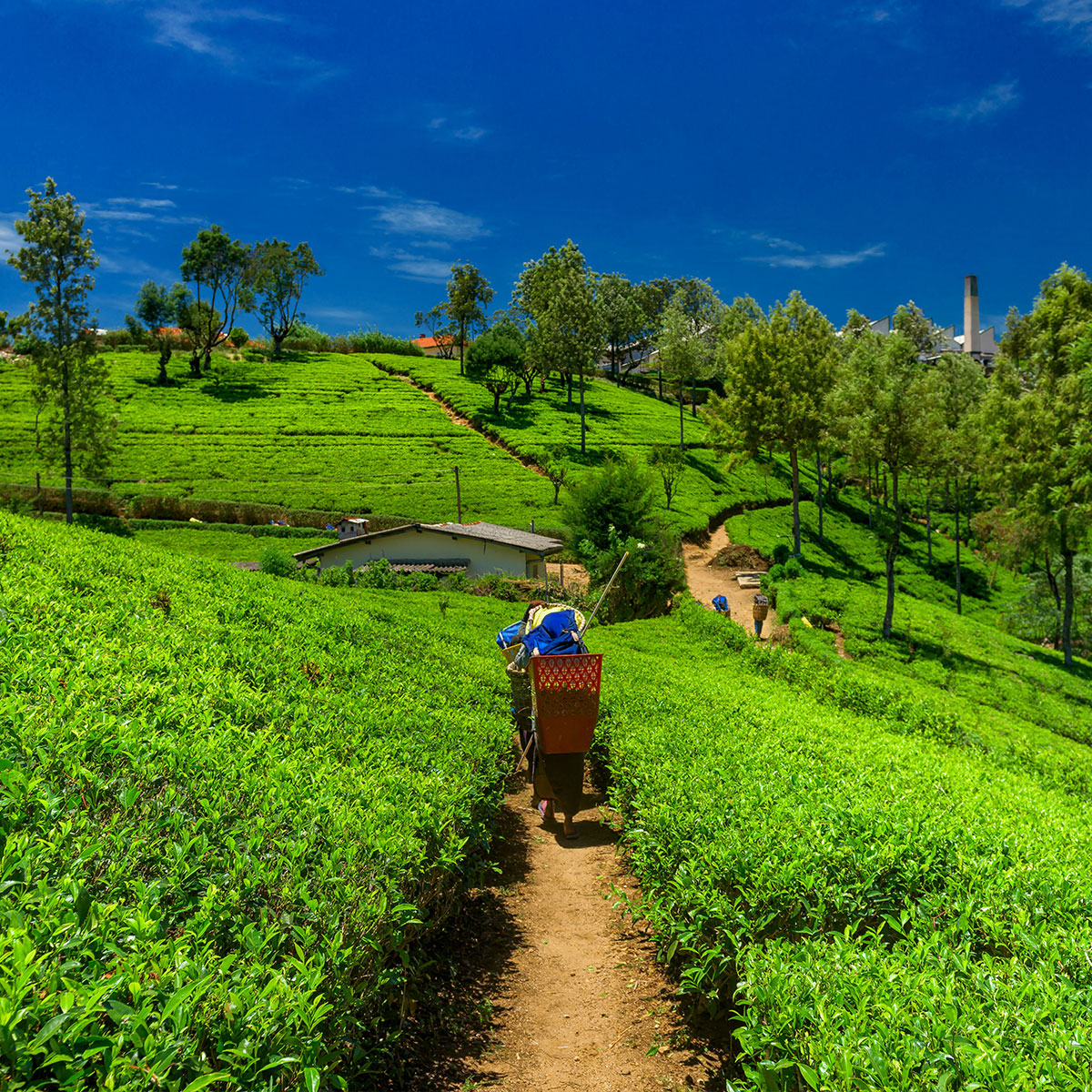
Sri Lanka’s organic agriculture experiment serves as a cautionary tale, highlighting the complexities of transitioning to sustainable agricultural practices. While the pursuit of a greener future is commendable, it requires careful planning, adequate resources, and a phased approach to ensure successful implementation.
The Sri Lankan experience underscores the need for a balanced approach, one that considers both environmental and economic factors to ensure sustainable agricultural development. Moving forward, Sri Lanka must learn from its past mistakes and implement strategies that promote both environmental sustainability and economic stability.
This requires a collaborative effort involving the government, farmers, and international organizations to ensure that the country’s agricultural sector can thrive in the long term.