
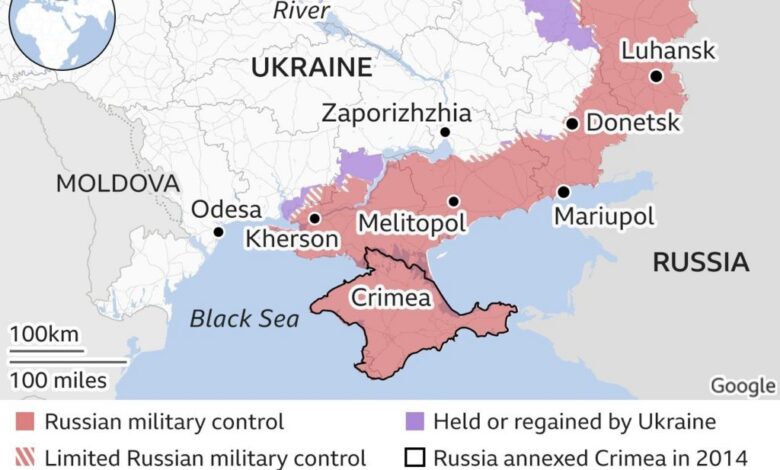
Tracking Ukraines Invasion on Google Maps
On google maps tracking the invasion of ukraine – Tracking Ukraine’s invasion on Google Maps has become a chilling reality, transforming the platform from a tool for navigation into a window into a brutal conflict. This digital battlefield, once used to find the nearest coffee shop, now reveals the stark realities of war: the movement of troops, the destruction of cities, and the desperate search for safety.
The invasion has pushed Google Maps beyond its traditional boundaries, highlighting its potential to provide real-time information and situational awareness in times of crisis. We see how this data is visualized on the platform, with maps, markers, and overlays revealing a dynamic picture of the conflict.
Yet, alongside this vital information, we also encounter the challenges and limitations of using Google Maps for tracking such a complex and evolving situation.
The Role of Google Maps in the Information Age
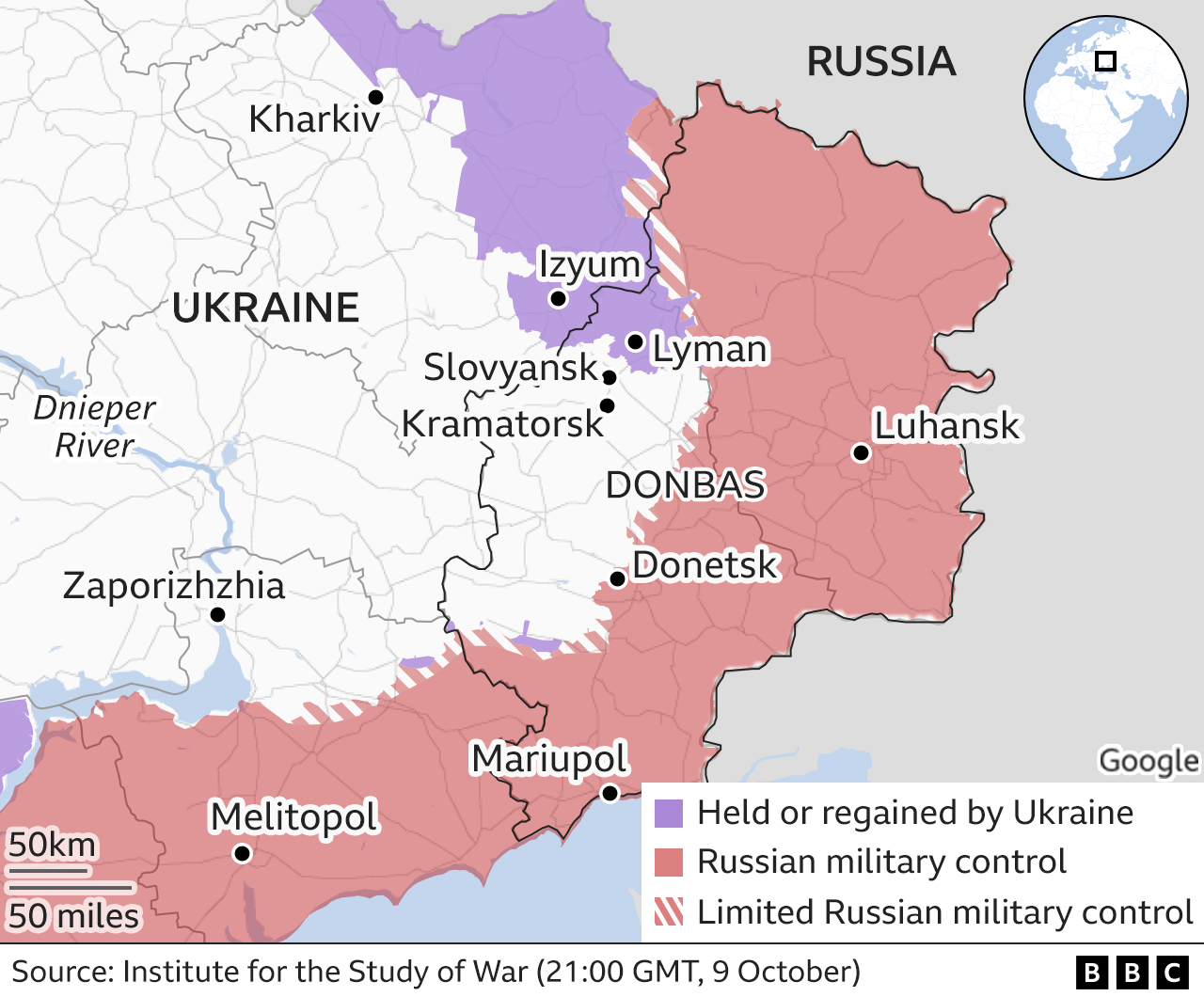
The rise of the internet and mobile technology has fundamentally changed the way we access and consume information. Among these advancements, Google Maps has emerged as a crucial tool for navigating the physical world, but its importance has transcended simple directions.
In times of conflict, Google Maps has become a vital source of information, offering real-time updates and situational awareness to those seeking to understand and navigate complex events.
Real-time Updates and Situational Awareness
Google Maps provides real-time updates on traffic, road closures, and other relevant information that can be critical during conflict. For example, during the invasion of Ukraine, Google Maps displayed real-time traffic data, allowing users to see which roads were congested or blocked, providing valuable insights into the movement of military forces and civilian displacement.
This real-time information helped individuals make informed decisions about their safety and travel plans.
Google Maps also provides users with access to satellite imagery and street-level views, offering a visual representation of the situation on the ground. This feature has been particularly useful in Ukraine, where satellite images have shown the extent of the destruction caused by Russian military strikes and the displacement of civilians.
It’s unsettling to watch the invasion of Ukraine unfold on Google Maps, seeing the lines of tanks and troops advance. It’s a stark reminder of the fragility of peace and the devastating impact of war. The conflict has had a ripple effect on global economies, with President Biden’s upcoming visit to the Port of Los Angeles highlighting the issue of inflation, which he’s calling a global problem, as reported here.
While the world focuses on the conflict in Ukraine, it’s important to remember the interconnectedness of global events and their impact on our everyday lives.
Comparison with Previous Conflicts
The use of Google Maps in the invasion of Ukraine has been compared to its use in previous conflicts, highlighting its growing importance as a tool for information dissemination and situational awareness. During the 2014 Gaza conflict, for instance, Google Maps was used to track the movement of Israeli military forces and to identify areas that were under heavy bombardment.
Similarly, during the Syrian Civil War, Google Maps was used to document the destruction of cities and to track the movements of refugees.
- One key difference between the use of Google Maps in the invasion of Ukraine and previous conflicts is the scale and intensity of its use. In Ukraine, Google Maps has become a central source of information for both civilians and journalists, who rely on it to understand the evolving situation and to report on the conflict.
- Another difference is the increased availability of real-time data, with Google Maps incorporating live updates from various sources, including user reports and social media feeds. This has allowed for a more dynamic and accurate picture of the situation on the ground.
Tracking the Invasion: On Google Maps Tracking The Invasion Of Ukraine
Google Maps, beyond its familiar role in navigating our daily lives, has become an unexpected but crucial tool in understanding and tracking the ongoing conflict in Ukraine. The platform’s real-time data, coupled with its user-friendly interface, provides a window into the unfolding events, offering insights into the war’s impact on infrastructure, logistics, and the movement of people.
Watching the invasion of Ukraine unfold on Google Maps is a chilling reminder of the real-world impact of conflict. It’s also a stark example of how technology can be used to both track and document events, which is why understanding defense mechanisms like what is a poison pill defense becomes even more crucial.
These measures, designed to deter hostile takeovers, are just as relevant in the digital age as they are in the physical world, where the stakes are high and the lines between reality and virtual representation are blurred.
Data Visualization
Google Maps visualizes the vast amount of data related to the invasion in several ways, offering a multi-faceted view of the conflict.
- Live Traffic Data:Google Maps utilizes real-time traffic data to show the flow of vehicles on major roads and highways. This data can be used to infer the movement of military convoys, identify potential bottlenecks, and analyze the impact of the conflict on transportation networks.
For example, observing a sudden drop in traffic on a particular road could indicate a military operation or a disruption in the flow of civilian vehicles.
- Satellite Imagery:Google Maps incorporates high-resolution satellite imagery, providing a visual record of the conflict’s impact on the landscape. This imagery can be used to track the destruction of infrastructure, monitor the deployment of troops, and identify changes in the terrain, such as the creation of defensive fortifications or the displacement of civilians.
For example, satellite imagery can show the destruction of bridges, the construction of trenches, and the movement of military equipment.
- User-Generated Content:Google Maps allows users to contribute photos, reviews, and other information. This user-generated content can provide valuable insights into the experiences of those living in or near the conflict zone. For example, photos and reviews can document the impact of the war on daily life, such as the closure of businesses, the shortage of supplies, and the psychological toll of the conflict.
- Marker and Overlay:Google Maps uses markers to highlight key locations related to the conflict, such as military bases, border crossings, and areas of heavy fighting. Overlays can be used to visualize data such as the locations of refugees, the extent of the damage caused by bombing, or the areas under control by different forces.
Impact on Ukrainian Citizens and International Community
Google Maps has become an indispensable tool for Ukrainian citizens and the international community in navigating the complex and challenging situation arising from the ongoing invasion. It has provided crucial information, enabling citizens to find safety and the international community to understand the unfolding crisis.
Navigation and Safety
Google Maps has been instrumental in helping Ukrainian citizens navigate their country, find shelter, and avoid danger.
- Many Ukrainians have relied on Google Maps to find the safest routes to evacuate their homes, especially in areas under heavy bombardment.
- The app’s real-time traffic data has allowed people to avoid dangerous areas and find alternative routes.
- Google Maps has also been used to locate and access shelters, hospitals, and other essential services.
Dissemination of Information
Google Maps has played a vital role in disseminating information about the invasion to the international community.
- The platform has been used to track the movement of Russian troops and provide real-time updates on the conflict’s progress.
- Citizens have used Google Maps to share images and videos of the destruction caused by the invasion, providing valuable insights into the situation on the ground.
- The app’s street view feature has allowed people around the world to see the impact of the war on Ukrainian cities and towns.
Humanitarian Aid and Civilian Casualties
Google Maps has also been used to track humanitarian aid efforts and civilian casualties.
It’s chilling to see the real-time updates on Google Maps, tracking the devastating impact of the invasion on Ukraine. But amidst the global crisis, it’s heartening to see leaders like Cardona taking a stand on issues closer to home.
In a recent visit to Los Angeles, he emphasized the crucial role colleges must play in addressing the housing crisis facing students, as reported here. This kind of focus on local challenges is just as important as the global response to conflict, and it reminds us that compassion and action are needed on multiple fronts.
- Organizations providing aid have used Google Maps to coordinate their efforts and reach those in need.
- The app has been used to identify areas where humanitarian assistance is most urgently required.
- Google Maps has also been used to track the location of civilian casualties, providing valuable information for humanitarian organizations and journalists.
Ethical Considerations and Data Security
The use of Google Maps data during the invasion of Ukraine raises significant ethical considerations and concerns regarding data privacy and security. While the platform provides valuable information for understanding the conflict, its real-time nature and potential for misuse necessitate careful examination.
Data Privacy and Security Risks, On google maps tracking the invasion of ukraine
The real-time tracking and information sharing capabilities of Google Maps present potential risks to data privacy and security.
- Location Data:The platform collects and stores user location data, which can be vulnerable to unauthorized access or exploitation. During conflict, this information could be used to target individuals or groups, potentially endangering their safety.
- Traffic and Activity Data:Google Maps tracks traffic patterns and user activity, revealing sensitive information about troop movements, infrastructure vulnerabilities, and civilian displacement. This data could be exploited by adversaries to gain strategic advantages.
- Misinformation and Propaganda:The platform’s reliance on user-generated content makes it susceptible to the spread of misinformation and propaganda. False or manipulated information could be used to influence public opinion or undermine trust in official sources.
Potential Biases and Misinformation
The use of Google Maps during the invasion of Ukraine is not without potential biases and misinformation.
- Algorithmic Bias:Google Maps algorithms may inadvertently perpetuate existing biases, such as those related to geographical location, ethnicity, or political affiliation. This could lead to skewed representations of the conflict or the targeting of specific groups.
- Selective Reporting:The platform’s reliance on user-generated content could lead to selective reporting or the omission of certain perspectives. This could result in a distorted understanding of the conflict.
- Propaganda and Manipulation:Adversaries may deliberately manipulate Google Maps data to spread propaganda or misinformation. This could be achieved through the creation of fake accounts, the posting of false information, or the manipulation of user reviews.
The Future of Google Maps in Conflict Zones
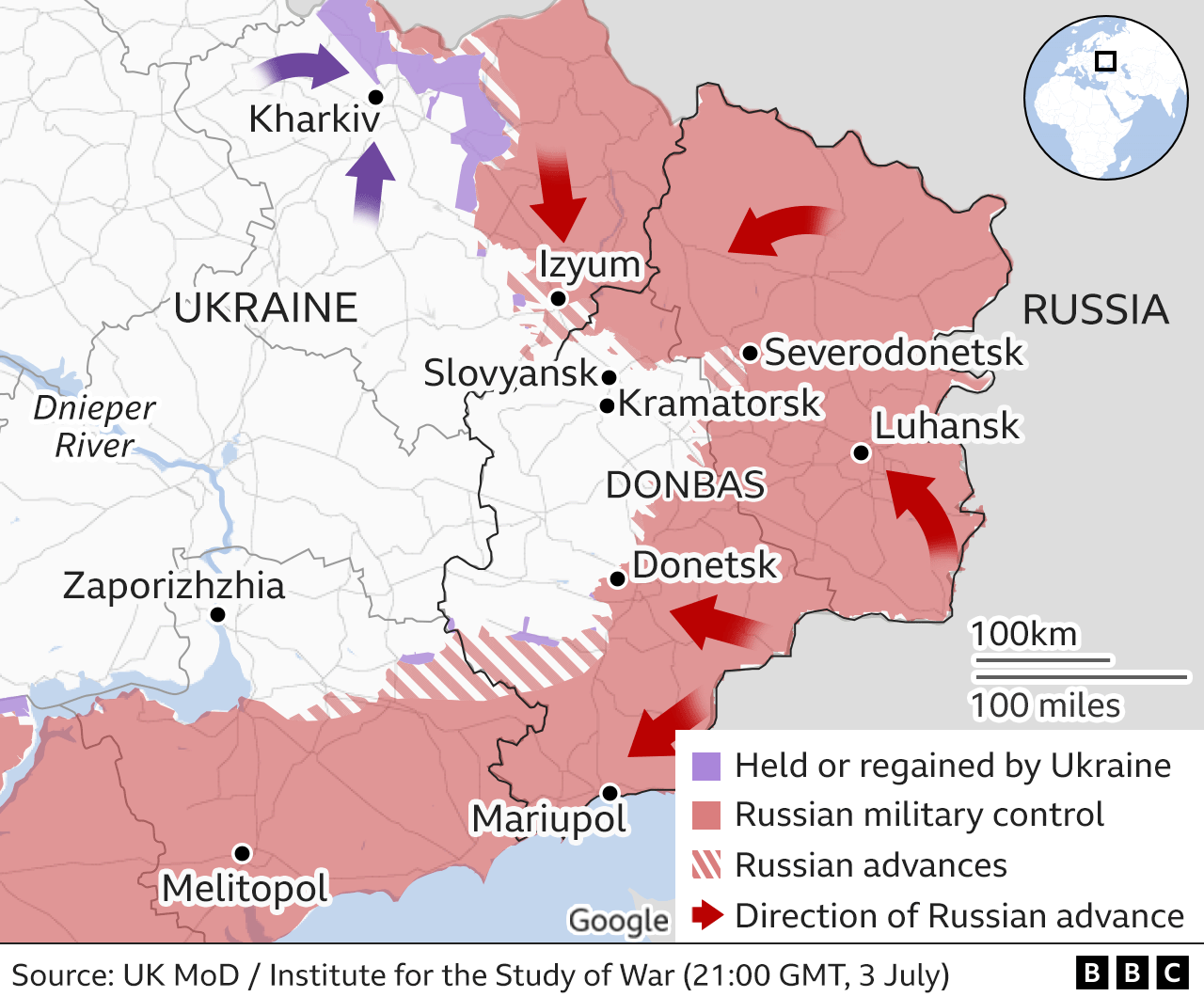
The unprecedented use of Google Maps during the invasion of Ukraine has sparked significant discussion about the role of digital mapping in future conflicts. The invasion highlighted both the potential benefits and risks associated with the widespread accessibility of detailed geographic information.
The Potential Impact of Google Maps on Future Conflicts
The use of Google Maps in the Ukrainian conflict has demonstrated its potential to significantly influence the course of future conflicts. It is crucial to understand how this technology might be utilized, both for good and bad, in future conflicts.
- Real-time Situational Awareness:The ability of Google Maps to provide real-time updates on troop movements, infrastructure damage, and other battlefield developments could give militaries a significant advantage. This could lead to more precise and effective military operations, potentially reducing civilian casualties.
For example, in the Ukrainian conflict, Google Maps data helped humanitarian organizations deliver aid to besieged areas by identifying safe routes and access points.
- Civilian Resistance:Google Maps has been instrumental in helping Ukrainian civilians resist the invasion. The platform has been used to organize resistance efforts, share information about Russian troop movements, and identify safe havens. This highlights the potential for Google Maps to empower civilian populations in future conflicts, enabling them to participate in their own defense.
- Propaganda and Disinformation:Google Maps can also be used to spread misinformation and propaganda. The platform’s ability to present visual information can be manipulated to create false narratives and influence public opinion. For instance, during the Ukrainian conflict, there were instances of fabricated images and videos being shared on Google Maps, designed to mislead observers about the situation on the ground.
Last Point
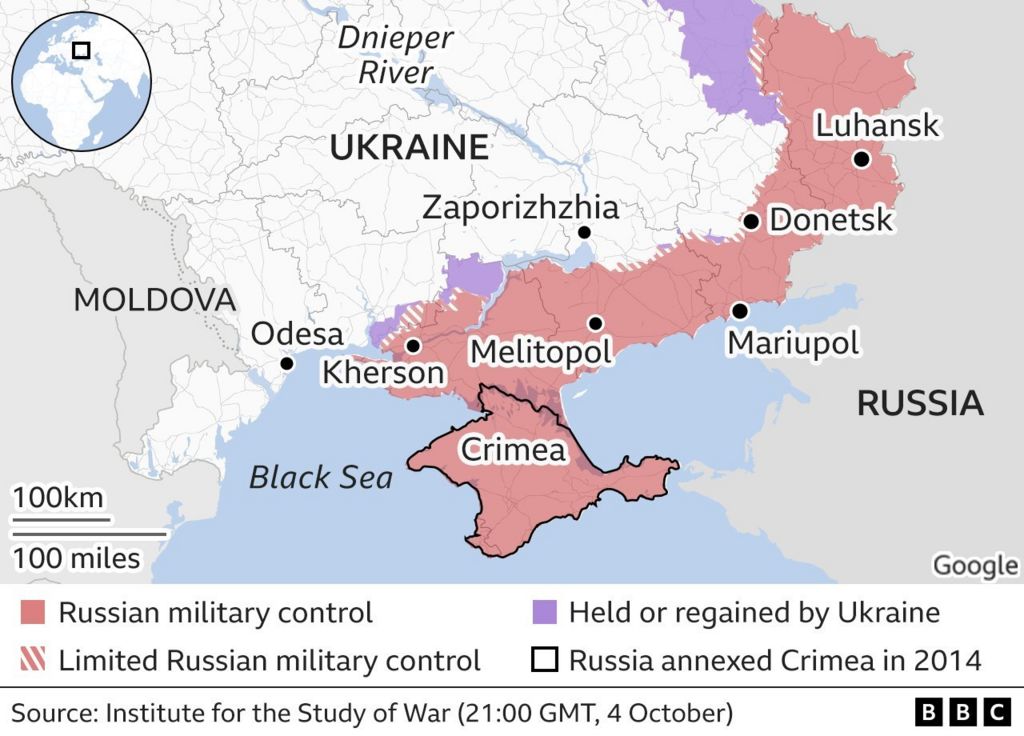
The invasion of Ukraine has fundamentally changed how we view Google Maps, transforming it from a tool for everyday life into a platform for understanding conflict. As we navigate this new landscape, we must consider the ethical implications of using Google Maps data in wartime, ensuring data privacy and security, and combating potential biases and misinformation.
The future of Google Maps in conflict zones remains uncertain, but its role in the Ukrainian conflict offers valuable lessons for how technology can be used to inform, connect, and potentially even promote peace in a world increasingly defined by conflict.