
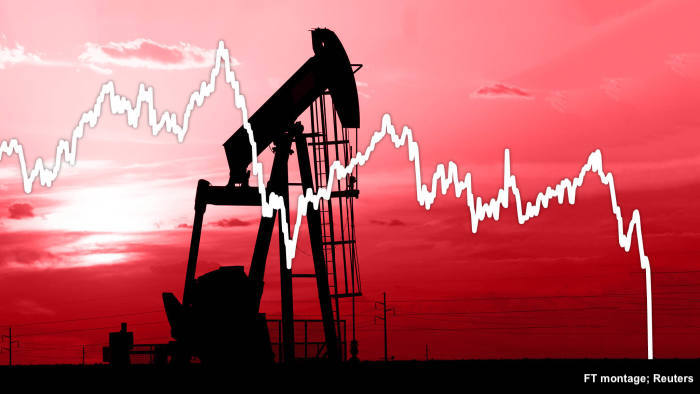
Oil Jumps Above $100, Asian Stocks Fall After Invasion
Oil jumps above 100 a barrel and asian stocks fall after invasion – Oil Jumps Above $100, Asian Stocks Fall After Invasion sets the stage for this enthralling narrative, offering readers a glimpse into a story that is rich in detail and brimming with originality from the outset. The invasion has sent shockwaves through global markets, driving oil prices to their highest point in years and causing Asian stock markets to plummet.
This event has ignited a complex web of economic, geopolitical, and humanitarian ramifications that will likely shape the world for years to come.
The immediate impact of the invasion is evident in the surge in oil prices, which have climbed above $100 per barrel. This is largely attributed to the fear of supply disruptions and the potential for sanctions on major oil-producing nations.
The decline in Asian stock markets reflects investor concerns about the economic fallout of the invasion and its potential to disrupt global trade and investment.
Global Market Reactions
The invasion of Ukraine has sent shockwaves through global financial markets, with immediate and potentially long-lasting consequences. The most significant impact has been on oil prices, which surged above $100 per barrel for the first time since 2014. Asian stock markets also experienced a sharp decline, reflecting investor concerns about the broader economic and geopolitical implications of the conflict.
Oil Price Surge
The invasion of Ukraine has exacerbated existing supply chain disruptions and heightened concerns about energy security, leading to a sharp increase in oil prices. The invasion has directly affected the supply of oil from Russia, a major oil producer and exporter.
The global markets are reeling from the fallout of the invasion, with oil prices soaring above $100 a barrel and Asian stocks taking a nosedive. It’s a reminder that even seemingly unrelated events can have a ripple effect, as we’ve seen with the recent select Jif products recalled for potential salmonella , which has impacted grocery store shelves and consumer confidence.
This volatile economic climate is likely to continue, so it’s more important than ever to stay informed and be prepared for the unexpected.
The potential for sanctions on Russian oil exports and the uncertainty surrounding future supply have fueled a surge in prices.
Asian Stock Market Decline
The invasion of Ukraine has led to a decline in Asian stock markets, driven by a combination of factors. Investor sentiment has been dampened by concerns about the economic impact of the conflict, including potential disruptions to global supply chains and the risk of a wider geopolitical escalation.
The decline in Asian stock markets reflects the interconnectedness of global financial markets and the sensitivity of investor confidence to geopolitical events.
Long-Term Effects on Global Financial Markets
The long-term effects of the invasion on global financial markets are uncertain and will depend on the duration and intensity of the conflict. However, the invasion is likely to have significant implications for global economic growth, inflation, and interest rates.
The potential for sanctions on Russia, coupled with the uncertainty surrounding energy supplies, could lead to higher inflation and slower economic growth. The invasion could also prompt central banks to raise interest rates more aggressively to combat inflation, which could further impact financial markets.
Economic Implications
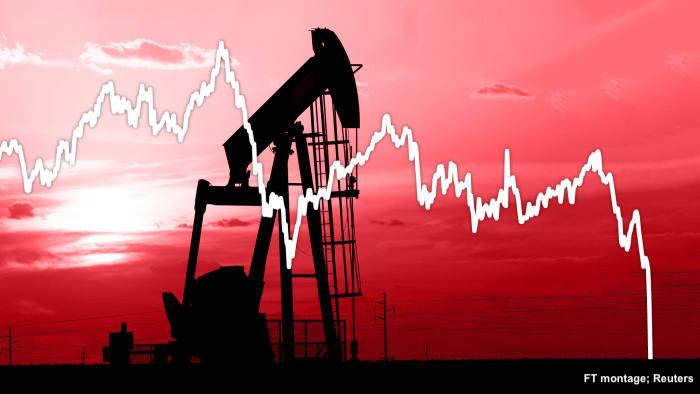
The invasion of Ukraine has sent shockwaves through global markets, with oil prices soaring above $100 a barrel and Asian stocks plummeting. The economic implications of this conflict are far-reaching and multifaceted, impacting industries, consumers, and global supply chains.
The global markets are in turmoil as oil prices soar above $100 a barrel, sending Asian stocks tumbling in the wake of the invasion. This volatile environment highlights the need for businesses to be agile and resilient. One key factor in navigating these turbulent times is retaining talent, and want to curb turnover the right tech can help by providing employees with the tools and support they need to thrive.
As the oil crisis unfolds, companies must prioritize employee engagement and well-being to weather the storm and emerge stronger on the other side.
Impact on Industries and Consumers
Rising oil prices have a significant impact on various industries and consumers.
The global markets are in a state of turmoil, with oil prices surging above $100 a barrel and Asian stocks plummeting following the invasion. It’s a stark reminder of the interconnectedness of our world and the ripple effects of conflict.
While we grapple with these economic uncertainties, it’s heartening to see bipartisan support emerging in the US for veterans exposed to burn pits, as highlighted in the recent legislation announced by senators here. This is a crucial step towards addressing the health concerns of those who served our country.
The ongoing geopolitical tensions are a serious concern, but seeing such unity in addressing the needs of our veterans provides a glimmer of hope in these challenging times.
- Transportation:The transportation sector is particularly vulnerable, as higher fuel costs translate directly into increased operating expenses for airlines, trucking companies, and shipping firms. This can lead to higher prices for consumers, as businesses pass on these costs. For example, airlines may increase ticket prices, and trucking companies may charge more for deliveries.
- Manufacturing:Manufacturing industries rely heavily on oil and gas for energy and raw materials. Rising oil prices can increase production costs, making it more expensive to manufacture goods. This can lead to higher prices for consumers or reduced profits for manufacturers.
For instance, the chemical industry, which uses oil as a feedstock, may see higher production costs, leading to higher prices for products like plastics and fertilizers.
- Agriculture:Agriculture is also impacted by rising oil prices, as it relies on oil-based fertilizers and pesticides. Increased fuel costs for farm machinery and transportation also contribute to higher input costs, ultimately affecting food prices.
Impact on Global Supply Chains and Commodity Markets
The invasion of Ukraine has disrupted global supply chains and commodity markets.
- Food Security:Ukraine and Russia are major exporters of wheat, barley, and sunflower oil, and the conflict has disrupted their production and export activities. This has led to concerns about global food security, with potential shortages and price increases.
- Energy Markets:The invasion has also exacerbated existing energy supply concerns, as Russia is a major oil and gas producer. The potential for sanctions on Russian energy exports has driven up oil prices, adding to global energy market volatility.
- Commodity Prices:The disruption in supply chains has also affected the prices of other commodities, such as metals and fertilizers, which are used in various industries.
Potential for Increased Inflation
The combination of rising oil prices, supply chain disruptions, and commodity market volatility is likely to fuel inflation worldwide.
- Cost-Push Inflation:Rising oil prices, higher input costs for manufacturers, and supply chain disruptions contribute to cost-push inflation, where businesses pass on increased costs to consumers in the form of higher prices.
- Demand-Pull Inflation:Increased uncertainty and potential economic slowdown could lead to consumers hoarding goods, further driving up prices.
- Central Bank Response:Central banks may be forced to raise interest rates to curb inflation, which could slow economic growth and potentially lead to a recession.
Geopolitical Ramifications
The invasion has ignited a global firestorm, sending shockwaves through the international community and prompting a complex web of geopolitical repercussions. Beyond the immediate humanitarian crisis, the invasion has triggered a series of events that could reshape the global power landscape and redefine alliances for years to come.
Escalating Tensions and Allied Responses
The invasion has significantly escalated tensions between the involved countries and their allies, pushing the world closer to a potential proxy conflict.
- The United States and its allies have imposed severe economic sanctions on the invading country, targeting its financial institutions, energy sector, and key individuals. These sanctions are intended to cripple the country’s economy and force it to withdraw its troops.
- The invasion has also prompted a surge in military deployments by NATO countries in Eastern Europe, as they seek to deter further aggression and reassure their allies.
- Furthermore, the invasion has triggered a global arms race, with countries scrambling to bolster their military capabilities in the face of perceived threats.
Energy Security and Alternatives
The invasion of Ukraine has sent shockwaves through the global energy market, highlighting the vulnerabilities of relying heavily on a single supplier, particularly for a crucial resource like oil. This event has accelerated the search for alternative energy sources and spurred a renewed focus on energy security.
Increased Investment in Renewable Energy
The invasion has prompted a global push for a faster transition to renewable energy sources, reducing reliance on fossil fuels.
- Government Policies:Several countries, including the European Union, have announced plans to accelerate the deployment of renewable energy, aiming to reduce dependence on Russian oil and gas. For example, the EU has set ambitious targets for renewable energy generation, aiming to reach 40% of its energy mix by 2030.
- Private Investment:The invasion has also driven increased private investment in renewable energy projects, with investors seeking to capitalize on the growing demand for clean energy. This includes investments in solar, wind, and geothermal energy projects, as well as in energy storage technologies.
- Technological Advancements:The rising costs of fossil fuels have also driven innovation in renewable energy technologies, making them more efficient and cost-effective. For example, advancements in solar panel efficiency and battery storage are making renewable energy more viable for large-scale deployment.
Energy Efficiency Measures, Oil jumps above 100 a barrel and asian stocks fall after invasion
The crisis has also highlighted the importance of energy efficiency measures, which can reduce demand for fossil fuels and enhance energy security.
- Building Retrofits:Investing in building insulation, energy-efficient appliances, and smart grids can significantly reduce energy consumption and reliance on fossil fuels. For instance, the European Union has set ambitious targets for building renovation, aiming to improve energy efficiency across its member states.
- Industrial Efficiency:Industries can adopt energy-saving technologies and practices to reduce their reliance on fossil fuels. This includes implementing process optimization, using energy-efficient equipment, and adopting circular economy principles.
- Transportation Electrification:Promoting the adoption of electric vehicles (EVs) and public transportation can significantly reduce reliance on oil and gas for transportation. The invasion has accelerated the transition towards EVs, with governments and automakers committing to increased production and infrastructure development.
Comparison of Energy Policies
The invasion has triggered a diverse range of responses from different countries, highlighting the varied energy policies and priorities across the globe.
- European Union:The EU has announced a series of measures to reduce its reliance on Russian energy, including a plan to phase out Russian gas imports by 2027. The EU is also investing heavily in renewable energy and energy efficiency measures.
- United States:The US has imposed sanctions on Russia and is working to increase its own energy production, including oil and gas. However, the US is also investing in renewable energy and energy efficiency measures, though at a slower pace than the EU.
- China:China is a major importer of Russian oil and gas, and its energy policy remains focused on securing energy supplies. However, China is also investing in renewable energy, aiming to reduce its reliance on fossil fuels in the long term.
Ultimate Conclusion: Oil Jumps Above 100 A Barrel And Asian Stocks Fall After Invasion
The invasion has triggered a global crisis with far-reaching consequences. The world is watching with bated breath as the situation unfolds, grappling with the economic, geopolitical, and humanitarian implications of this unprecedented event. The future remains uncertain, but one thing is clear: the invasion has shaken the global order and will continue to shape the world for years to come.