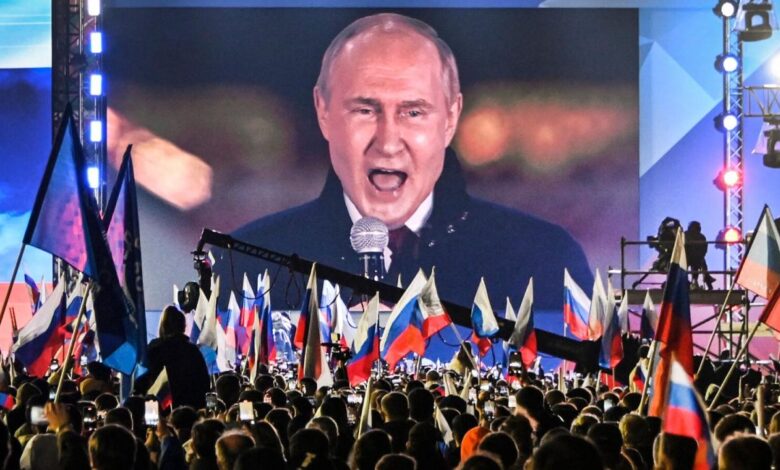
Putins Ukraine Goals: Not Going as Planned
No Putin is not actually achieving his goals in Ukraine. While he claimed the invasion was necessary to “denazify” and “demilitarize” Ukraine, the reality on the ground tells a different story. Despite initial expectations, Russia’s military campaign has faced significant setbacks, and the war has had devastating consequences for both countries.
This blog post will explore the discrepancies between Putin’s stated goals and the actual outcomes of the invasion. We’ll examine the military strategies employed, the economic and political impacts, and the growing dissent within Russia. We’ll also delve into the international response, including sanctions and military aid to Ukraine, and discuss the potential long-term consequences of this conflict for global security.
Putin’s Stated Goals
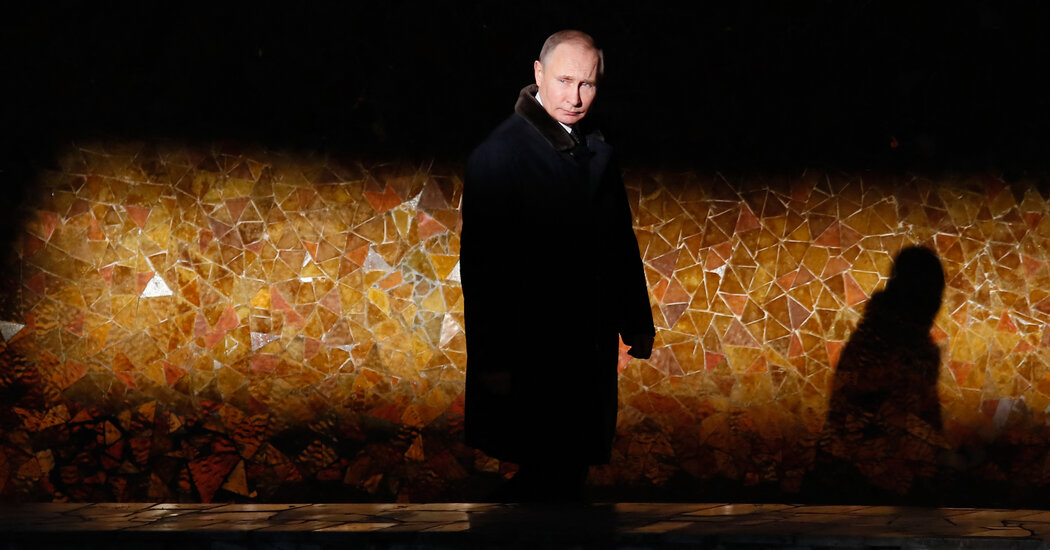
The Russian invasion of Ukraine, which began in February 2022, has been a significant event with global repercussions. Understanding the motivations behind the invasion is crucial to analyzing its impact and potential outcomes. While the true motivations behind the invasion remain a subject of debate, Putin has publicly articulated a set of goals for the military operation.
Putin’s Stated Goals
Putin’s stated goals for the invasion of Ukraine are multifaceted, encompassing military, political, and historical dimensions. These goals have been Artikeld in official statements, speeches, and media appearances. While the extent to which these stated goals represent the true motivations behind the invasion is debatable, understanding them is essential for comprehending the ongoing conflict.
- Demilitarization of Ukraine:Putin has repeatedly asserted that the invasion aims to demilitarize Ukraine, arguing that the country’s close ties to NATO pose a threat to Russia’s security. He has stated that Ukraine’s military capabilities need to be neutralized to prevent it from becoming a platform for NATO expansion.
For example, in a speech delivered on February 24, 2022, the day the invasion began, Putin stated, “The goal of this operation is to protect people who have been subjected to bullying and genocide for eight years by the Kyiv regime.” He also emphasized the need to “demilitarize and denazify Ukraine.”
- Denazification of Ukraine:Another stated goal is the denazification of Ukraine, which refers to the removal of what Putin describes as neo-Nazi elements within the Ukrainian government and society. Putin has repeatedly claimed that the Ukrainian government is controlled by neo-Nazis who pose a threat to Russian-speaking populations in eastern Ukraine.
This claim has been widely disputed by international observers, who argue that it is a false pretext for the invasion.
- Protection of Russian-speaking populations in Ukraine:Putin has also stated that the invasion aims to protect the rights and security of Russian-speaking populations in eastern Ukraine, particularly in the Donbas region. He has accused the Ukrainian government of persecuting these populations and has claimed that the invasion is necessary to prevent further violence against them.
It’s clear that Putin’s invasion of Ukraine has been a colossal miscalculation, failing to achieve his stated objectives. Much like a poorly designed website, the invasion has been plagued by unforeseen problems and a lack of clear goals. Adopting an iterative approach, like those outlined in implementing best practices for web design with iterative methodologies , could have helped Putin avoid this disastrous outcome.
Instead, his inflexible strategy has led to a prolonged and bloody conflict that has damaged Russia’s reputation and isolated it from the international community.
- Recognition of the independence of the Donetsk and Luhansk People’s Republics:In the days leading up to the invasion, Putin recognized the independence of the self-proclaimed Donetsk and Luhansk People’s Republics, which are located in eastern Ukraine. He has stated that these regions are part of Russia and that the invasion aims to protect their interests.
Putin’s war in Ukraine is a tragic mess, and it’s clear he’s not achieving his goals. He’s underestimated the Ukrainian people’s resilience and the international community’s resolve. Meanwhile, in the US, we’re seeing similar struggles with achieving goals.
For example, another California board diversity law was struck down , but it already had a big impact on companies’ hiring practices. It’s a reminder that progress, even if it’s temporary, can still have a lasting effect. Just like Ukraine, we need to keep pushing for change, even when it feels like we’re facing insurmountable obstacles.
- Prevention of NATO Expansion:A key motivation behind the invasion, according to Putin, is to prevent NATO’s expansion eastward. Putin has repeatedly expressed concern about NATO’s growing presence near Russia’s borders, arguing that it poses a threat to Russia’s security. He has stated that the invasion is necessary to stop NATO’s eastward expansion and to create a security buffer zone between Russia and the West.
In a speech delivered on February 21, 2022, Putin stated, “NATO’s expansion eastward is a direct threat to the security of Russia. We will not allow it to happen.”
Military and Strategic Objectives
Putin’s invasion of Ukraine was initially portrayed as a swift and decisive operation aimed at achieving specific military and strategic goals. However, the conflict has unfolded differently, with Russia facing unexpected challenges and setbacks.
Initial Expectations and Reality
Russia’s military strategy was predicated on a rapid and overwhelming offensive to seize key Ukrainian cities and establish control over the country. This strategy was based on the assumption of a swift collapse of Ukrainian resistance and minimal international intervention.
However, the invasion has been marked by significant resistance from Ukrainian forces, supported by substantial military aid from Western countries.
- Initial Assumption:A lightning-fast offensive would quickly overwhelm Ukrainian defenses, leading to the collapse of the Ukrainian government and the installation of a pro-Russian regime.
- Reality:Ukrainian forces, aided by Western weaponry and training, have mounted a fierce defense, slowing down the Russian advance and inflicting heavy casualties.
- Initial Assumption:The international community would remain largely passive, hesitant to intervene militarily and impose significant sanctions.
- Reality:The West has imposed unprecedented economic and financial sanctions on Russia, targeting key sectors of its economy and limiting its ability to finance the war effort.
Impact of International Sanctions and Military Aid
International sanctions have had a significant impact on Russia’s military capabilities. Restrictions on financial transactions, technology exports, and energy imports have hampered Russia’s ability to sustain its military operations.
- Financial Sanctions:The freezing of Russian assets and restrictions on financial transactions have severely limited Russia’s access to capital, making it difficult to fund the war effort.
- Technology Sanctions:Restrictions on exports of key technologies, including semiconductors and software, have disrupted Russia’s defense industry and its ability to maintain and upgrade its military equipment.
- Energy Sanctions:Restrictions on Russian energy exports have significantly reduced its revenue streams, putting pressure on its economy and ability to sustain the war effort.
Military aid from Western countries has been crucial in bolstering Ukraine’s defense capabilities. The provision of advanced weaponry, including anti-tank missiles, anti-aircraft systems, and drones, has significantly enhanced Ukraine’s ability to resist the Russian invasion.
- Anti-Tank Missiles:The supply of Javelin and NLAW anti-tank missiles has proven highly effective in disabling Russian armored vehicles and slowing down the Russian advance.
- Anti-Aircraft Systems:The provision of Stinger and Starstreak anti-aircraft systems has helped Ukraine defend its airspace against Russian air strikes.
- Drones:The deployment of drones, such as the Bayraktar TB2, has provided Ukraine with a significant advantage in reconnaissance and targeting capabilities.
Economic and Political Impacts: No Putin Is Not Actually Achieving His Goals In Ukraine
The war in Ukraine has had a profound impact on the economies of both Russia and Ukraine, as well as on the global political landscape. The conflict has led to widespread economic sanctions against Russia, disruptions in global supply chains, and a surge in energy prices.
It has also intensified geopolitical tensions between Russia and the West, with far-reaching consequences for international relations.
Economic Impact on Russia
The economic impact of the war on Russia has been significant. Western countries have imposed a wide range of sanctions, targeting key sectors of the Russian economy, including finance, energy, and technology. These sanctions have led to a sharp decline in the value of the ruble, a rise in inflation, and a decrease in foreign investment.
It’s clear that Putin’s invasion of Ukraine hasn’t gone according to plan, with the war dragging on longer than expected and Russia facing significant international backlash. While the situation in Ukraine remains complex, it’s interesting to see how businesses are adapting to the changing landscape.
For example, 2U, an education technology company, is continuing its consumer-centric pivot as reported in this recent article. It’s a reminder that even amidst global conflict, businesses need to remain agile and responsive to evolving consumer needs. Ultimately, the success of any strategy, whether in business or in geopolitical conflict, depends on understanding and adapting to changing circumstances.
The sanctions have also disrupted Russia’s access to international financial markets, making it difficult for the country to borrow money. The impact of these sanctions is expected to be long-lasting, with the potential to significantly damage the Russian economy.
Economic Impact on Ukraine
The war has had a devastating impact on the Ukrainian economy. The conflict has led to widespread destruction of infrastructure, businesses, and homes, displacing millions of Ukrainians and causing a sharp decline in economic activity.The Ukrainian government has been forced to rely heavily on international aid to fund its war effort and provide essential services to its citizens.
The World Bank estimates that Ukraine’s economy will contract by 45.1% in 2022, highlighting the severe economic consequences of the war.
Political Consequences for Putin’s Regime
The war in Ukraine has had a significant impact on the political landscape in Russia. The conflict has led to a crackdown on dissent and a tightening of control over the media, as the Kremlin seeks to control the narrative surrounding the war.The war has also sparked a wave of anti-war protests in Russia, although these have been met with a harsh response from the authorities.
The war has also led to a decrease in public support for Putin’s regime, although it remains to be seen whether this will translate into a significant challenge to his authority.
International Relations
The war in Ukraine has had a profound impact on international relations, leading to a deepening of the rift between Russia and the West. The conflict has led to a significant increase in military spending by NATO countries, as well as a strengthening of the alliance’s collective defense posture.The war has also raised questions about the future of the global security order, with many observers suggesting that the conflict marks a return to a more multipolar world, in which great powers compete for influence.
Perspectives of International Actors
The international community has condemned Russia’s invasion of Ukraine, with many countries imposing sanctions on Russia and providing military and financial support to Ukraine.The United States, the European Union, and NATO have all condemned the invasion and called for Russia to withdraw its forces from Ukraine.
The United Nations General Assembly has also voted to condemn the invasion, with 141 countries voting in favor of the resolution.However, some countries, such as China and India, have refrained from condemning Russia’s actions, highlighting the complex geopolitical landscape surrounding the conflict.
Public Opinion and Domestic Resistance
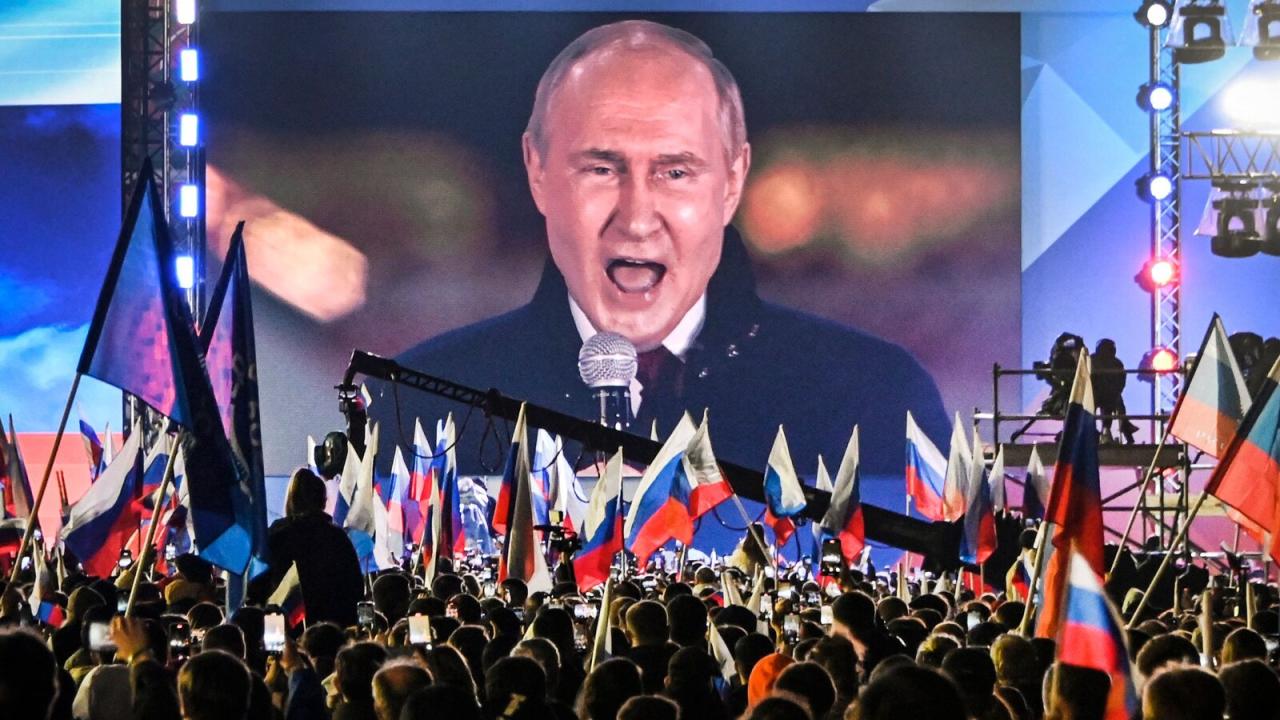
While the initial public support for the “special military operation” in Ukraine was high, with many Russians believing the official narrative of “denazification” and “liberation,” the reality of the war, its prolonged nature, and mounting casualties have eroded public support.
Public Support for the War
Public opinion polls, while subject to potential manipulation and censorship, provide some insight into the level of support for the war within Russia. Early polls conducted in the first few weeks of the invasion showed high levels of support, with some indicating that a majority of Russians approved of the military operation.
However, as the war has dragged on and the economic and social costs have become more apparent, public support has demonstrably declined.
- A poll conducted by the independent Levada Center in June 2023 found that only 38% of Russians approved of the war, while 57% disapproved. This marked a significant decline from the early months of the war.
- Other polls have shown similar trends, with a consistent decline in support for the war, indicating a growing weariness among the Russian population.
It is important to note that the accuracy and independence of these polls are questionable, as the Russian government has cracked down on independent media and NGOs, creating a climate of fear and self-censorship.
Forms of Dissent and Resistance
Despite the risks, dissent and resistance against the war have emerged within Russia. These forms of resistance range from individual acts of defiance to organized protests and public demonstrations.
- Individual acts of resistance include expressing anti-war sentiments online, sharing critical information, and participating in street protests.
- Organized protests have been met with swift and harsh repression by the Russian authorities.
- The Russian government has passed laws criminalizing the spread of “false information” about the war, which has effectively silenced critical voices and limited the flow of independent information.
While the scale of organized resistance remains limited due to the repressive environment, the growing dissatisfaction and weariness with the war are evident in the increasing number of individual acts of defiance.
Impact of Public Opinion and Resistance, No putin is not actually achieving his goals in ukraine
Public opinion and resistance have the potential to impact Putin’s decision-making in several ways.
- If public support for the war continues to decline, it could weaken Putin’s political standing and potentially lead to increased pressure for a negotiated settlement.
- The ongoing dissent and resistance, while currently limited, could embolden others to speak out against the war, creating a more challenging environment for Putin’s regime.
- However, it is also important to acknowledge that Putin has shown a willingness to crack down on dissent and maintain control, even at the cost of further isolating Russia from the international community.
The impact of public opinion and resistance on Putin’s decision-making remains uncertain, but it is a crucial factor to consider in understanding the dynamics of the war in Ukraine.
Closing Notes
The war in Ukraine is a complex and evolving situation. It’s clear that Putin’s initial goals have not been achieved, and the conflict continues to have far-reaching implications. Understanding the discrepancies between Putin’s ambitions and the reality on the ground is crucial for navigating this challenging geopolitical landscape.