New IPCC Report: People at the Heart of Climate Action
New ipcc report looks at neglected element of climate action people – The latest IPCC report takes a bold step, placing the human element at the forefront of climate action. This shift marks a significant departure from previous reports, which often focused primarily on scientific data and technological solutions. This time, the focus is on us – individuals, communities, and societies – and how our actions, choices, and vulnerabilities are intertwined with the climate crisis.
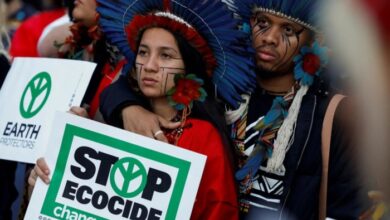
The report delves into the crucial role of human behavior in driving climate change, exploring the complex interplay of consumption patterns, energy use, and transportation choices. It also acknowledges the stark reality of climate injustice, highlighting how marginalized communities bear the brunt of climate impacts despite contributing the least to the problem.
The IPCC Report’s Focus on People
The latest IPCC report marks a significant shift in the discourse on climate action. While previous reports primarily focused on the scientific evidence of climate change and its impacts, this report places a strong emphasis on the human element, recognizing the crucial role of people in both driving and mitigating climate change.This report acknowledges that climate change is not just an environmental problem but a social, economic, and political one, profoundly impacting people’s lives, livelihoods, and well-being.
It emphasizes the need to prioritize human rights, equity, and justice in climate action, ensuring that no one is left behind.
The Importance of People-Centric Climate Action
The report highlights the importance of considering the diverse needs, vulnerabilities, and capacities of different communities in developing climate solutions. It emphasizes the need for inclusive and participatory approaches that empower communities and marginalized groups to actively participate in climate action.
This shift in focus recognizes that effective climate action requires understanding and addressing the social, economic, and political factors that contribute to climate change and its impacts.
Key Aspects of Climate Action Neglected or Under-Addressed, New ipcc report looks at neglected element of climate action people
The report identifies several key aspects of climate action that have been neglected or under-addressed in the past, including:
- Equity and Justice: The report emphasizes the need for a just transition to a low-carbon future, ensuring that the burdens and benefits of climate action are distributed fairly. This includes addressing the disproportionate impacts of climate change on marginalized communities and ensuring that their voices are heard in decision-making processes.
- Social and Economic Dimensions: The report recognizes that climate change has profound social and economic consequences, impacting livelihoods, food security, and migration patterns. It calls for climate policies that address these impacts and support sustainable development pathways that benefit all.
- Adaptation and Resilience: The report stresses the importance of adaptation measures to help communities cope with the unavoidable impacts of climate change. It highlights the need for effective adaptation strategies that are locally appropriate, culturally sensitive, and responsive to the needs of vulnerable communities.
- Behavioral Change: The report acknowledges the role of individual and collective behavior in driving climate change and highlights the need for promoting sustainable lifestyles and reducing consumption. It emphasizes the importance of education, awareness-raising, and behavioral interventions to foster positive change.
The Role of Human Behavior in Climate Change: New Ipcc Report Looks At Neglected Element Of Climate Action People
The IPCC report underscores the undeniable role of human activities in driving climate change. While natural factors have influenced the Earth’s climate throughout history, the current rate of warming is unprecedented and directly linked to human actions. This section delves into the key human behaviors that contribute to climate change, exploring their impact and highlighting potential solutions.
Consumption Patterns
Our consumption habits significantly contribute to climate change. The production and consumption of goods and services require vast amounts of energy and resources, leading to greenhouse gas emissions. For example, the fashion industry is responsible for about 10% of global carbon emissions, largely due to the production of synthetic fibers, energy-intensive manufacturing processes, and transportation.
Energy Use
The global energy system heavily relies on fossil fuels, which release carbon dioxide and other greenhouse gases when burned. The burning of coal, oil, and natural gas for electricity generation, transportation, and industrial processes is a major driver of climate change.
For instance, the transportation sector accounts for about 23% of global energy-related carbon dioxide emissions.
The latest IPCC report highlights a crucial aspect of climate action that’s often overlooked: people. We need to empower individuals and communities to be active participants in the fight against climate change. This reminds me of how Mayor Eric Adams is working to create a safer environment in New York City by fostering collaboration between city officials and business leaders, as seen in his recent meeting with business leaders to discuss public safety.
Just like public safety requires collective effort, tackling climate change demands a similar approach, with individuals and communities playing a vital role in shaping a sustainable future.
Transportation Choices
Our choices regarding transportation have a direct impact on greenhouse gas emissions. Cars, trucks, and airplanes release significant amounts of carbon dioxide and other pollutants into the atmosphere. The reliance on private vehicles for commuting and travel contributes to air pollution and climate change.
Shifting towards more sustainable transportation options, such as public transit, cycling, and walking, can help reduce emissions.
Food Production and Consumption
Food production, from farming to processing and transportation, is another major contributor to climate change. Animal agriculture, in particular, generates significant greenhouse gas emissions, primarily methane. Our dietary choices can have a substantial impact on climate change. For example, reducing meat consumption and adopting a more plant-based diet can contribute to reducing greenhouse gas emissions.
Deforestation
Forests play a crucial role in absorbing carbon dioxide from the atmosphere. However, deforestation, driven by agricultural expansion, logging, and urbanization, releases vast amounts of stored carbon back into the atmosphere. The loss of forests exacerbates climate change and reduces the Earth’s capacity to absorb greenhouse gases.
Waste Management
Waste generation and management practices have significant environmental impacts. Landfills release methane, a potent greenhouse gas, as organic waste decomposes. The production and disposal of plastic contribute to pollution and greenhouse gas emissions. Improving waste management practices, reducing waste generation, and promoting recycling can help mitigate climate change.
Addressing Climate Injustice and Equity
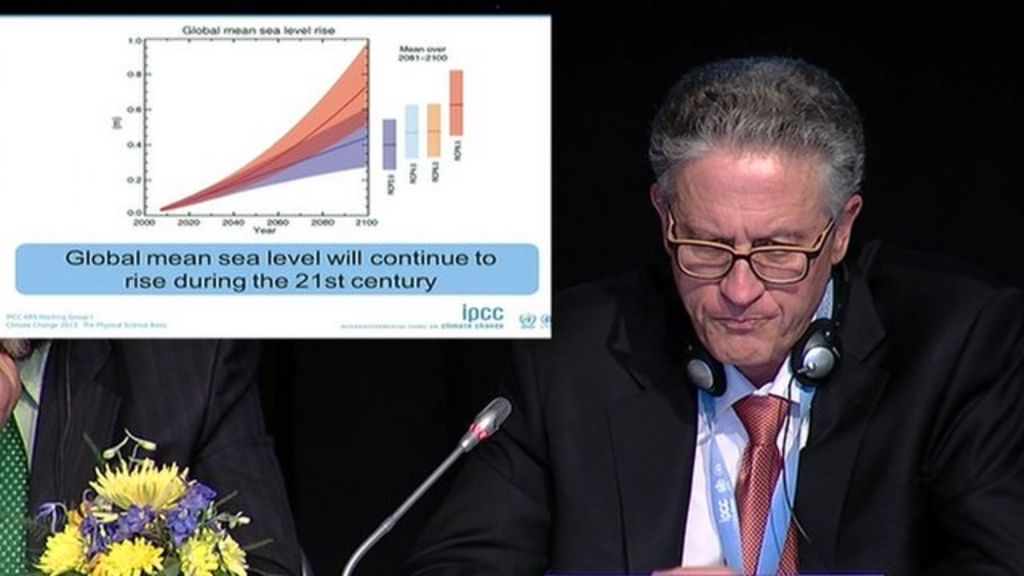
The IPCC report’s emphasis on human behavior underscores the critical role of social and economic factors in driving climate change. However, it also highlights a crucial aspect often overlooked: the unequal distribution of climate impacts, a phenomenon known as climate injustice.
The Impact of Climate Injustice on Vulnerable Communities
Climate change disproportionately affects marginalized communities, exacerbating existing inequalities and creating new ones. These communities, often lacking the resources and infrastructure to adapt to changing conditions, bear the brunt of climate-related disasters such as extreme weather events, sea-level rise, and droughts.
For instance, low-lying coastal communities in developing countries are particularly vulnerable to sea-level rise, facing displacement, loss of livelihoods, and increased risk of flooding.
Climate Change and Existing Inequalities
Climate change interacts with pre-existing social, economic, and political inequalities, amplifying their effects. For example, communities of color, Indigenous peoples, and low-income populations are often located in areas with higher exposure to environmental hazards and limited access to resources for adaptation.
Strategies for Equitable and Just Climate Action
Ensuring equitable and just climate action requires a shift in focus from simply mitigating climate change to addressing the root causes of climate injustice. This entails prioritizing the needs of vulnerable populations and ensuring their full participation in decision-making processes.
Empowering People for Climate Action
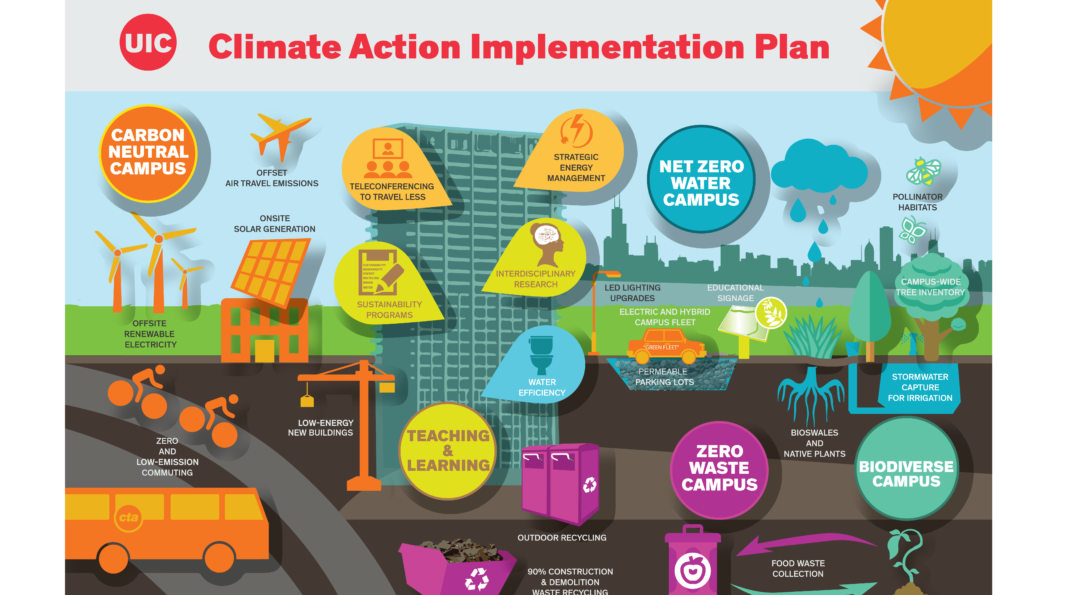
The IPCC report underscores the urgent need for transformative change, and this change can only be achieved through the collective action of individuals, communities, and governments. Empowering people to be active participants in climate action is crucial for building a sustainable future.
The Importance of Empowering People
Empowering people to take climate action is vital for several reasons:* Increased Participation and Ownership:When people feel empowered, they are more likely to participate in climate-friendly initiatives and feel a sense of ownership over the solutions.
Diverse Perspectives and Solutions
The new IPCC report highlights the crucial role of people in climate action, emphasizing the need for societal shifts towards sustainable practices. It’s a stark reminder that political battles, like the one in Idaho where Governor Brad Little defeated his own lieutenant governor in a contentious primary ( idaho gov brad little defeats his own lieutenant gov in contentious primary ), can distract from the urgent need for collaborative climate action.
Ultimately, addressing climate change requires not just policy changes but also a collective effort from individuals and communities to adopt sustainable lifestyles.
Empowering diverse communities brings a wide range of perspectives and innovative solutions to the table, leading to more effective and equitable approaches.
Increased Innovation and Action
When individuals and communities feel empowered, they are more likely to engage in innovation and develop creative solutions for climate change.
Addressing Climate Injustice
Empowering marginalized communities is essential for addressing climate injustice, as they are often disproportionately affected by climate change.
Barriers to Climate-Friendly Behaviors
There are several barriers that prevent individuals from engaging in climate-friendly behaviors:* Lack of Awareness and Information:Many individuals lack the knowledge and understanding about climate change and its impacts, limiting their ability to make informed decisions.
Financial Constraints
Climate-friendly options, such as purchasing electric vehicles or installing solar panels, can be expensive, posing a barrier for individuals with limited financial resources.
Lack of Infrastructure and Support
The absence of adequate infrastructure and support systems, such as public transportation or charging stations for electric vehicles, can make it challenging to adopt sustainable practices.
The new IPCC report highlights the crucial role of behavioral change in tackling climate change, emphasizing that individual actions are no longer a sideshow but a central element of the solution. This shift in perspective emphasizes the need for organizations to rethink their workspace and embrace sustainable practices.
One resource to consider is this article, council post three ways to transform your commercial office space in response to remote work , which offers practical strategies for creating more eco-friendly and collaborative work environments. By aligning individual and organizational efforts, we can build a more sustainable future.
Social Norms and Behaviors
Social norms and expectations can influence individual behavior, making it difficult to deviate from established patterns, even if those patterns are unsustainable.
Lack of Access to Technology and Resources
Individuals may lack access to the technology, resources, and information necessary to make informed decisions and adopt climate-friendly behaviors.
Successful Initiatives for Empowering Communities
Several initiatives have successfully empowered communities to address climate change:* Community-Based Renewable Energy Projects:These projects allow communities to own and operate renewable energy sources, providing clean energy and economic benefits. For example, the Vermont Community Solar Projecthas enabled communities to invest in solar energy and share the benefits, reducing their carbon footprint and increasing energy independence.
Citizen Science Initiatives
Citizen science initiatives empower individuals to contribute to scientific research by collecting data and monitoring environmental changes. For example, the Cornell Lab of Ornithology’s eBird projectallows birdwatchers to record sightings, contributing to research on bird populations and their response to climate change.
Community Gardens and Urban Farming
Community gardens and urban farming initiatives provide opportunities for individuals to grow their own food, reducing reliance on industrial agriculture and promoting sustainable food systems. The NYC GreenThumb programsupports community gardens across New York City, providing access to fresh food, green spaces, and educational opportunities.
Green Infrastructure Projects
Green infrastructure projects, such as rain gardens and green roofs, help manage stormwater runoff and mitigate the impacts of climate change. For example, the Philadelphia Green Streets Initiativehas transformed streets into green spaces, reducing stormwater flooding and improving air quality.
Transforming Systems for Climate Resilience
The latest IPCC report underscores the urgent need to shift from incremental changes to fundamental transformations across all systems to effectively address climate change. Climate resilience, the ability of individuals, communities, and systems to adapt to climate change impacts and thrive, is paramount.
This necessitates a systemic approach, involving governments, businesses, and civil society working collaboratively to drive these transformations.
The Role of Governments in Driving Climate Resilience
Governments play a pivotal role in shaping policy frameworks, providing financial incentives, and fostering innovation to build climate resilience. They can:
- Implement policies that incentivize the adoption of renewable energy sources, energy efficiency measures, and sustainable transportation systems. For instance, carbon pricing mechanisms, such as carbon taxes or cap-and-trade systems, can encourage businesses to reduce their emissions.
- Invest in climate-resilient infrastructure, such as flood defenses, drought-resistant water management systems, and early warning systems. The Netherlands, for example, has invested heavily in flood defenses, significantly reducing the risk of coastal flooding.
- Promote climate-smart agriculture practices, such as drought-resistant crops, efficient irrigation techniques, and sustainable land management. The Indian government’s “Pradhan Mantri Krishi Sinchai Yojana” program aims to enhance irrigation infrastructure and promote water-efficient farming practices.
The Role of Businesses in Driving Climate Resilience
Businesses have a critical role to play in driving climate resilience by integrating climate considerations into their operations, supply chains, and products. They can:
- Develop and implement climate-resilient business strategies, including risk assessments, adaptation plans, and green supply chains. Companies like Unilever, for example, have developed climate-resilient supply chains for key ingredients like palm oil, ensuring sustainability and resilience in the face of climate change.
- Invest in green technologies and innovations that reduce emissions, enhance energy efficiency, and improve climate resilience. Tesla’s electric vehicles, for instance, have significantly reduced carbon emissions in the transportation sector.
- Engage in climate-related disclosure and reporting, providing transparency about their climate risks, impacts, and mitigation efforts. The Task Force on Climate-Related Financial Disclosures (TCFD) has developed a framework for companies to report on their climate-related risks and opportunities.
The Role of Civil Society in Driving Climate Resilience
Civil society organizations, including NGOs, community groups, and faith-based organizations, can play a vital role in raising awareness, advocating for policy changes, and implementing climate resilience initiatives at the local level. They can:
- Educate communities about climate change impacts and solutions, empowering them to adapt and mitigate risks. Organizations like 350.org have successfully mobilized communities to advocate for climate action and divestment from fossil fuels.
- Support community-based adaptation initiatives, such as developing drought-resistant crops, restoring degraded ecosystems, and building community resilience to extreme weather events. The World Wide Fund for Nature (WWF) has implemented numerous community-based adaptation projects in vulnerable areas, enhancing resilience to climate change impacts.
- Monitor and hold governments and businesses accountable for their climate commitments, ensuring transparency and effective implementation of climate policies. Environmental advocacy groups, such as Greenpeace and Sierra Club, have been instrumental in holding governments and businesses accountable for their environmental commitments.
The Future of Climate Action
The IPCC report’s emphasis on people is a game-changer for climate action. It recognizes that climate change is not just an environmental problem but a social, economic, and political one, deeply intertwined with human well-being and equity. This shift in perspective opens up new avenues for addressing climate change, moving beyond technological solutions and focusing on the transformative power of human agency.
The Importance of Human-Centered Approaches
Human-centered approaches are crucial for building effective and sustainable climate solutions. They involve understanding the needs, values, and behaviors of diverse communities and incorporating their perspectives into policy and practice. This means recognizing the diverse impacts of climate change on different groups and ensuring that climate action is equitable, inclusive, and responsive to local contexts.
Key Challenges and Opportunities
Incorporating human-centered approaches into climate action presents both challenges and opportunities.
Challenges
- Overcoming Existing Power Dynamics:Addressing climate injustice requires challenging existing power structures and ensuring that marginalized communities have a voice in decision-making. This can be difficult, as powerful actors may resist changes that threaten their interests.
- Building Trust and Collaboration:Effective climate action requires building trust and collaboration among diverse stakeholders, including governments, businesses, civil society, and communities. This can be challenging, especially in contexts where there is a history of mistrust or conflict.
- Scaling Up Solutions:Successful human-centered approaches need to be scaled up to address the global nature of climate change. This requires finding ways to replicate and adapt successful initiatives across different contexts, while ensuring that they remain responsive to local needs.
Opportunities
- Harnessing the Power of Innovation:Human-centered approaches can unlock new avenues for innovation, leading to creative solutions that address the specific needs and challenges of different communities.
- Promoting Behavioral Change:By understanding the factors that influence people’s choices, climate action can be more effectively tailored to promote sustainable behaviors and lifestyles.
- Building Resilience:Human-centered approaches can empower communities to build resilience to climate change by fostering local knowledge and leadership, and promoting community-based adaptation strategies.
A Vision for Climate Action Driven by People
The future of climate action lies in a world where people are at the center. This vision involves:
- Empowering Communities:Communities should be empowered to take ownership of climate action, with access to resources, information, and support to implement solutions that are tailored to their specific needs and priorities.
- Building Inclusive Governance:Climate policy and decision-making should be inclusive, ensuring that all voices are heard and that marginalized communities are represented in the process.
- Promoting Sustainable Lifestyles:Climate action should be integrated into all aspects of life, promoting sustainable consumption patterns, green infrastructure, and climate-friendly technologies.
- Investing in Human Capacity:Investing in education, training, and capacity-building programs is essential to equip people with the knowledge and skills needed to participate effectively in climate action.
Ending Remarks
This new IPCC report is a powerful call to action, urging us to embrace a people-centered approach to climate change. It emphasizes the need for equitable solutions, empowering individuals and communities to become active participants in shaping a sustainable future.
By recognizing the interconnectedness of human well-being and the environment, we can foster a more resilient and just world, where climate action is not just a necessity, but a collective endeavor.