Putins War Strengthened NATO, Despite Its Pre-War Crisis
Nato was in crisis putins war made it even more powerful – NATO was in crisis, Putin’s war made it even more powerful. The alliance faced internal and external challenges before the war in Ukraine, with the rise of China and the perception of a declining US role causing friction. The withdrawal from Afghanistan further fueled concerns about NATO’s direction and effectiveness.
But the war in Ukraine has been a catalyst for a renewed sense of unity and purpose within NATO.
The war has forced NATO to confront the realities of a more aggressive and unpredictable Russia. In response, NATO has significantly increased its military presence in Eastern Europe, bolstered its defense spending, and solidified its commitment to collective defense.
The war has also pushed NATO to modernize its military capabilities and develop new strategies to deter future aggression.
NATO’s Pre-War Crisis: Nato Was In Crisis Putins War Made It Even More Powerful
The war in Ukraine has undeniably revitalized NATO, but it’s crucial to acknowledge the internal and external challenges the alliance faced before the conflict. These pre-existing vulnerabilities, while overshadowed by the current crisis, played a significant role in shaping the alliance’s trajectory.
Internal Challenges
NATO’s internal challenges stemmed from a combination of factors, including differing priorities among member states, concerns about the alliance’s strategic direction, and the rise of populism and nationalism in some member countries.
- Differing Priorities:Member states often had differing priorities regarding defense spending, military capabilities, and the allocation of resources. This divergence in priorities made it difficult for NATO to present a unified front on issues like defense planning and collective action. For example, some European members were hesitant to increase defense spending to meet the alliance’s target of 2% of GDP, while others were more willing to commit to a robust military presence.
- Strategic Direction:The alliance faced a lack of clarity regarding its strategic direction. The withdrawal from Afghanistan in 2021, coupled with the rise of China and the perception of a declining US role, further contributed to this uncertainty. Some members questioned the relevance of NATO in a post-Cold War world, while others advocated for a more assertive approach to address new security threats.
- Populism and Nationalism:The rise of populism and nationalism in some member countries posed a challenge to NATO’s cohesion. Some populist leaders expressed skepticism towards the alliance, questioning its value and advocating for greater autonomy in defense matters. This trend raised concerns about the potential for discord within the alliance and its ability to act decisively in times of crisis.
External Challenges
NATO faced external challenges that further complicated its pre-war situation. The rise of China and Russia as major geopolitical players, coupled with the perception of a declining US role, cast a shadow over the alliance’s future.
- Rise of China:The rapid rise of China as a global economic and military power presented a significant challenge for NATO. While China is not a direct military threat to the alliance, its growing influence in the Indo-Pacific region and its assertive foreign policy have raised concerns about its potential to challenge the existing global order.
It’s fascinating how Putin’s war, while initially seeming to weaken NATO, has actually galvanized the alliance. It’s a reminder that even in times of crisis, there’s always a need for innovation and progress, much like what we’re seeing with Apple starting to connect the dots for its next big thing.
The world is changing, and organizations and companies need to adapt to stay relevant. NATO’s newfound strength is a testament to this, and I’m curious to see how Apple’s innovations will impact the tech landscape.
This has prompted discussions within NATO about the need to develop a more comprehensive strategy for dealing with China’s rise.
- Russia’s Assertiveness:Russia’s increasing assertiveness, particularly in the post-Cold War era, was a major source of concern for NATO. Moscow’s annexation of Crimea in 2014 and its support for separatists in eastern Ukraine demonstrated its willingness to use force to achieve its geopolitical objectives.
This aggressive behavior prompted NATO to strengthen its military presence in Eastern Europe and increase its deterrence posture towards Russia.
- Perception of Declining US Role:The perception of a declining US role in global affairs, fueled by the Trump administration’s “America First” policy, contributed to the sense of uncertainty within NATO. Some members questioned the US commitment to collective defense and its willingness to defend its allies in the event of a conflict.
This uncertainty made it difficult for NATO to plan effectively and maintain a unified front.
Withdrawal from Afghanistan
The withdrawal from Afghanistan in 2021 further exacerbated NATO’s pre-war crisis. The chaotic and hasty nature of the withdrawal, coupled with the Taliban’s swift takeover of the country, raised serious questions about NATO’s ability to conduct long-term military operations and its strategic planning capabilities.
This event further fueled doubts about the alliance’s effectiveness and its commitment to its members.
Putin’s War and its Impact on NATO
The war in Ukraine has been a watershed moment for NATO, dramatically reshaping the alliance’s strategic landscape and rekindling a sense of urgency and purpose. While the alliance faced internal challenges and questions about its relevance prior to the invasion, Putin’s actions have unified member states and solidified NATO’s commitment to collective defense.
The War’s Impact on NATO’s Unity and Purpose, Nato was in crisis putins war made it even more powerful
The invasion of Ukraine has served as a stark reminder of the enduring threat posed by Russia and the importance of a strong and united NATO. The war has galvanized member states, prompting a renewed focus on collective defense and deterring further Russian aggression.
The alliance has demonstrated its solidarity by providing substantial military and financial support to Ukraine, imposing severe sanctions on Russia, and increasing its military presence in Eastern Europe. This collective response has strengthened NATO’s unity and reaffirmed its commitment to the security of its members.
The War’s Impact on NATO’s Military Capabilities and Strategic Planning
The war in Ukraine has highlighted the need for NATO to adapt its military capabilities and strategic planning to address the evolving security environment. The alliance is now focusing on enhancing its ability to deter and defend against Russian aggression, including by strengthening its military presence in Eastern Europe, investing in new technologies, and developing more robust plans for collective defense.
The war has also prompted NATO to re-evaluate its reliance on conventional weapons and to consider the potential for a more robust response to hybrid warfare and information warfare.
“The war in Ukraine has shown us that the security of Europe is indivisible. We must stand together to defend our shared values and interests.”
It’s been fascinating to watch how Putin’s war has galvanized NATO, turning a seemingly fractured alliance into a force to be reckoned with. It’s almost as if the crisis has brought a renewed sense of purpose and unity. Meanwhile, in the world of commerce, Fanatics is bolstering its leadership with some impressive talent, adding a SoftBank executive and the former Airbnb marketing chief to its board of directors, as reported in this article.
It’s clear that the world is undergoing a period of dramatic shifts, and these changes are reflected in both the political and business spheres.
Jens Stoltenberg, NATO Secretary General
Examples of NATO’s Strengthened Resolve
The war has spurred a number of concrete actions demonstrating NATO’s strengthened resolve. These include:
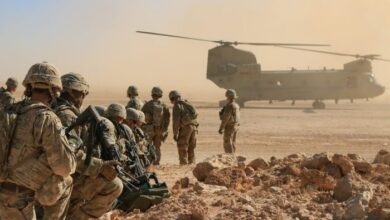
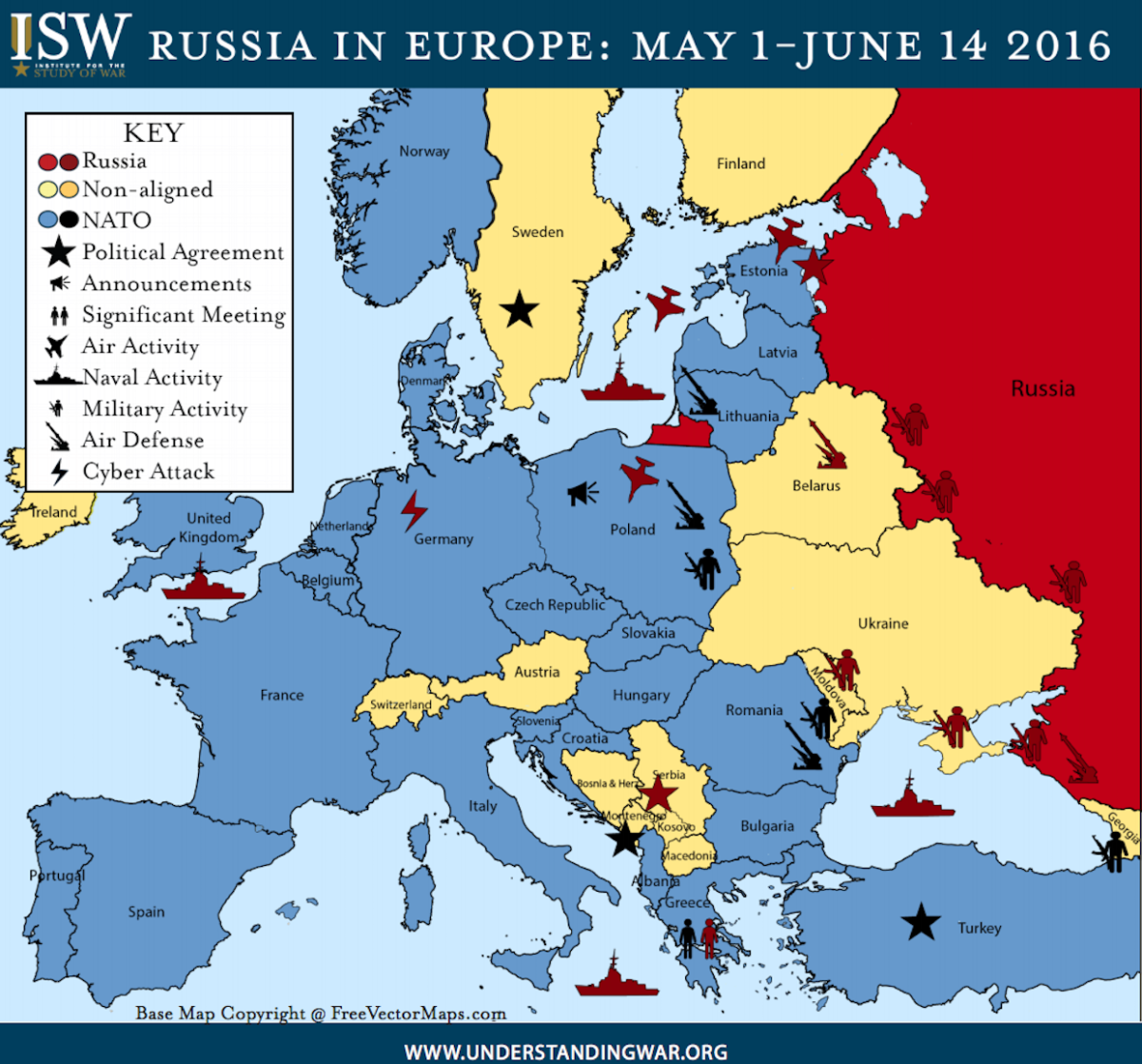
- Increased Military Presence in Eastern Europe:NATO has significantly increased its military presence in Eastern Europe, deploying more troops, equipment, and air power to the region. This includes the deployment of four new multinational battlegroups in Estonia, Latvia, Lithuania, and Poland, as well as the establishment of a new NATO command in Romania.
- Increased Defense Spending:Several NATO member states have announced increases in their defense budgets in response to the war in Ukraine. This commitment to increased defense spending reflects a growing recognition of the need for a strong and capable military to deter Russian aggression.
- New Strategic Concepts:NATO has adopted a new Strategic Concept that Artikels its future priorities and approaches to security. The concept emphasizes the need for a stronger defense posture, greater resilience, and increased cooperation with partners.
NATO’s Response to the Crisis
The war in Ukraine has been a defining moment for NATO, forcing the alliance to adapt and strengthen its posture in response to Russia’s aggression. The alliance has significantly increased its military presence in Eastern Europe, imposed severe sanctions on Russia, and provided substantial military and financial support to Ukraine.
These actions, while intended to deter further Russian aggression and support Ukraine’s defense, have also had significant strategic implications for the security landscape in Europe.
NATO’s Military Posture
NATO’s military posture has undergone a significant shift since the start of the war in Ukraine. The alliance has increased its troop deployments in Eastern Europe, expanded its military exercises, and strengthened its deterrence and defense capabilities.
Military Deployments and Spending
The following table provides a comparison of NATO’s military deployments and spending before and after the war in Ukraine:| Category | Before the War | After the War ||—|—|—|| Troop Deployments in Eastern Europe| | ||
Number of troops | | |
|
Location | | |
| Military Exercises| | ||
Number of exercises | | |
|
Scale and scope | | |
| Defense Spending| | ||
Total spending | | |
NATO was in crisis before Putin’s war, but his aggression has galvanized the alliance and shown the world the importance of collective defense. It’s a reminder that strong partnerships are crucial, just like in the business world where want to curb turnover the right tech can help build a more stable and productive environment.
The same principles of collaboration and resilience apply to international security, and Putin’s actions have ultimately strengthened NATO’s resolve.
|
Spending as a percentage of GDP | | |
Key Actions Taken by NATO
NATO has taken a range of actions in response to the war in Ukraine, including:
- Increased military presence in Eastern Europe:NATO has deployed additional troops, equipment, and airpower to its member states in Eastern Europe, including Poland, Romania, and the Baltic states. These deployments aim to deter any potential Russian aggression and provide reassurance to NATO allies in the region.
- Enhanced military exercises:NATO has significantly increased the frequency, scale, and scope of its military exercises in Eastern Europe. These exercises demonstrate the alliance’s resolve to defend its members and strengthen its collective defense capabilities.
- Sanctions against Russia:NATO has imposed a wide range of sanctions against Russia, targeting its economy, financial system, and key individuals. These sanctions aim to punish Russia for its aggression and deter future aggression.
- Military support for Ukraine:NATO has provided Ukraine with significant military and financial support, including weapons, ammunition, and training. This support aims to help Ukraine defend itself against Russian aggression.
Strategic Implications of NATO’s Expanded Military Presence
NATO’s expanded military presence in Eastern Europe has significant strategic implications:
- Deterrence:The increased military presence serves as a deterrent against any potential Russian aggression. The presence of NATO forces on Russia’s border sends a clear signal that any attack on a NATO member state will be met with a strong and coordinated response.
- Reassurance:The increased military presence provides reassurance to NATO allies in Eastern Europe, particularly those on Russia’s border. It demonstrates that NATO is committed to their security and is willing to defend them against any threat.
- Increased tensions:The expanded military presence has increased tensions with Russia. Russia views NATO’s expansion as a threat to its security and has responded with military exercises and rhetoric. This has led to a more volatile security environment in Europe.
- Long-term implications:The strategic implications of NATO’s expanded military presence are likely to be long-lasting. The alliance’s increased military posture in Eastern Europe is likely to become a permanent feature of the European security landscape, shaping the relationship between NATO and Russia for years to come.
The Future of NATO
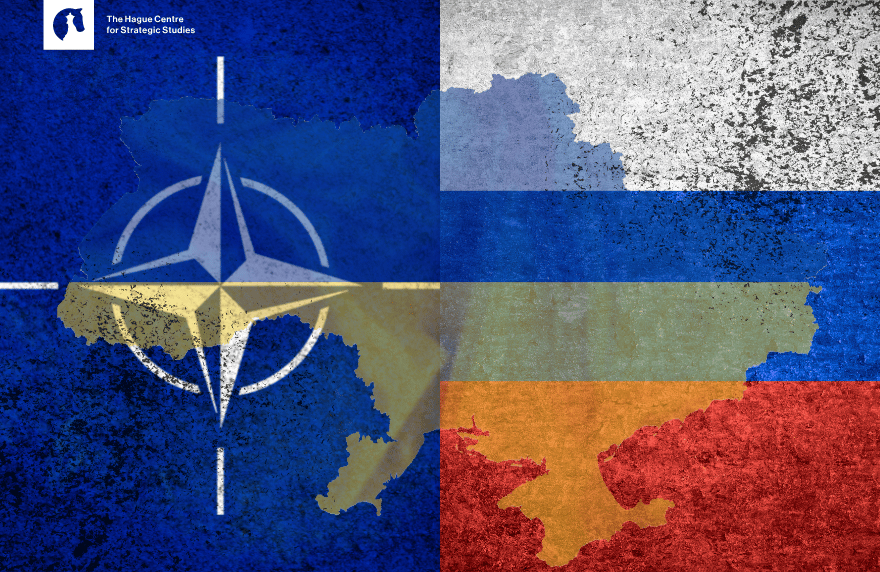
The war in Ukraine has had a profound impact on NATO, forcing the alliance to reassess its strategic priorities and adapt to a new security landscape. The conflict has highlighted the enduring relevance of NATO, as well as the need for the alliance to evolve and strengthen its capabilities.
The Long-Term Implications of the War on NATO’s Role in Global Security
The war has underscored the importance of collective defense and deterrence, leading to a renewed focus on strengthening NATO’s military posture and deterring potential aggression. NATO has significantly increased its military presence in Eastern Europe, deploying more troops and equipment to the region.
The alliance has also adopted a more assertive stance towards Russia, imposing tough sanctions and providing substantial military aid to Ukraine. This shift in NATO’s posture is likely to be permanent, reflecting a new era of heightened tensions with Russia.
Potential Challenges and Opportunities Facing NATO in the Post-War Era
The post-war era presents both challenges and opportunities for NATO. One major challenge is maintaining unity within the alliance, especially in the face of diverging national interests and perspectives on how to deal with Russia. The alliance will need to find ways to bridge these divides and ensure a cohesive response to future security threats.
NATO will also need to adapt to the evolving nature of warfare, including the growing role of cyberattacks, hybrid warfare, and information operations.
“NATO’s commitment to collective defense remains unwavering, and the alliance is prepared to defend every inch of its territory. However, the war in Ukraine has shown that the alliance must be prepared for a wider range of threats, including those that fall short of a full-scale invasion.”
Jens Stoltenberg, NATO Secretary General
Key Milestones in NATO’s Evolution Since the War Began
- February 2022:Russia invades Ukraine, prompting NATO to activate its collective defense clause for the first time since the Cold War.
- March 2022:NATO announces a major increase in its military presence in Eastern Europe, deploying additional troops and equipment to the region.
- June 2022:NATO leaders agree to a new Strategic Concept, outlining the alliance’s priorities for the next decade. The document highlights the threat posed by Russia and China, and calls for a more assertive posture by NATO.
- July 2022:NATO members agree to provide long-term military support to Ukraine, including weapons, training, and financial assistance.
- September 2022:Finland and Sweden formally apply for NATO membership, marking a significant expansion of the alliance.
- February 2023:NATO leaders meet in Brussels to discuss the ongoing war in Ukraine and the implications for the alliance’s future.
Last Point
The war in Ukraine has fundamentally reshaped the security landscape in Europe and beyond. NATO has emerged from the crisis stronger and more united, with a renewed focus on deterring aggression and protecting its members. However, the long-term implications of the war for NATO remain to be seen.
The alliance will need to navigate the challenges of a more multipolar world, manage its relationship with Russia, and address the evolving security threats posed by China.