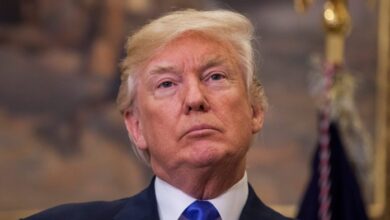
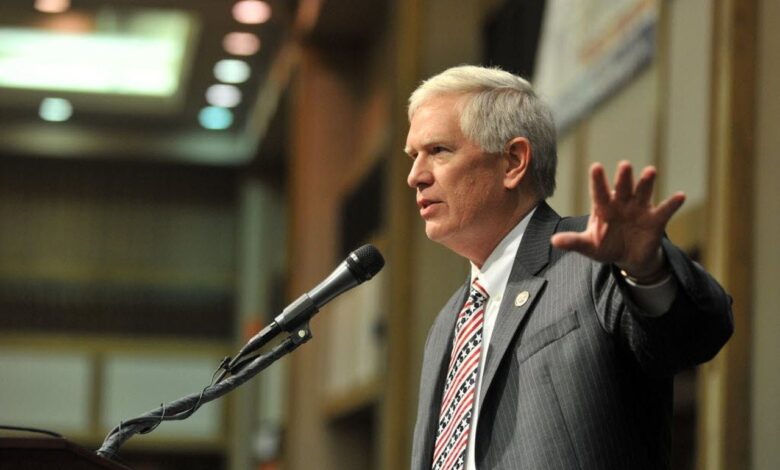
Mo Brooks Says Trump Demands 2020 Election Rescinded
Mo brooks says trump is still demanding presidential election be rescinded – Mo Brooks says Trump is still demanding the 2020 presidential election be rescinded, a statement that has sent shockwaves through the political landscape. This controversial claim, echoing Trump’s persistent allegations of widespread election fraud, has reignited a debate about the integrity of the democratic process and the power of the presidency.
The implications of this demand are far-reaching, raising questions about the rule of law, the legitimacy of the election results, and the future of American democracy itself.
Brooks’ statement, delivered during a rally in Alabama, served as a stark reminder of the deep divisions that persist within the Republican Party. While some Republicans have distanced themselves from Trump’s claims, others have doubled down on their support, creating a fractured political landscape where trust and truth are increasingly elusive.
Mo Brooks’ Statement
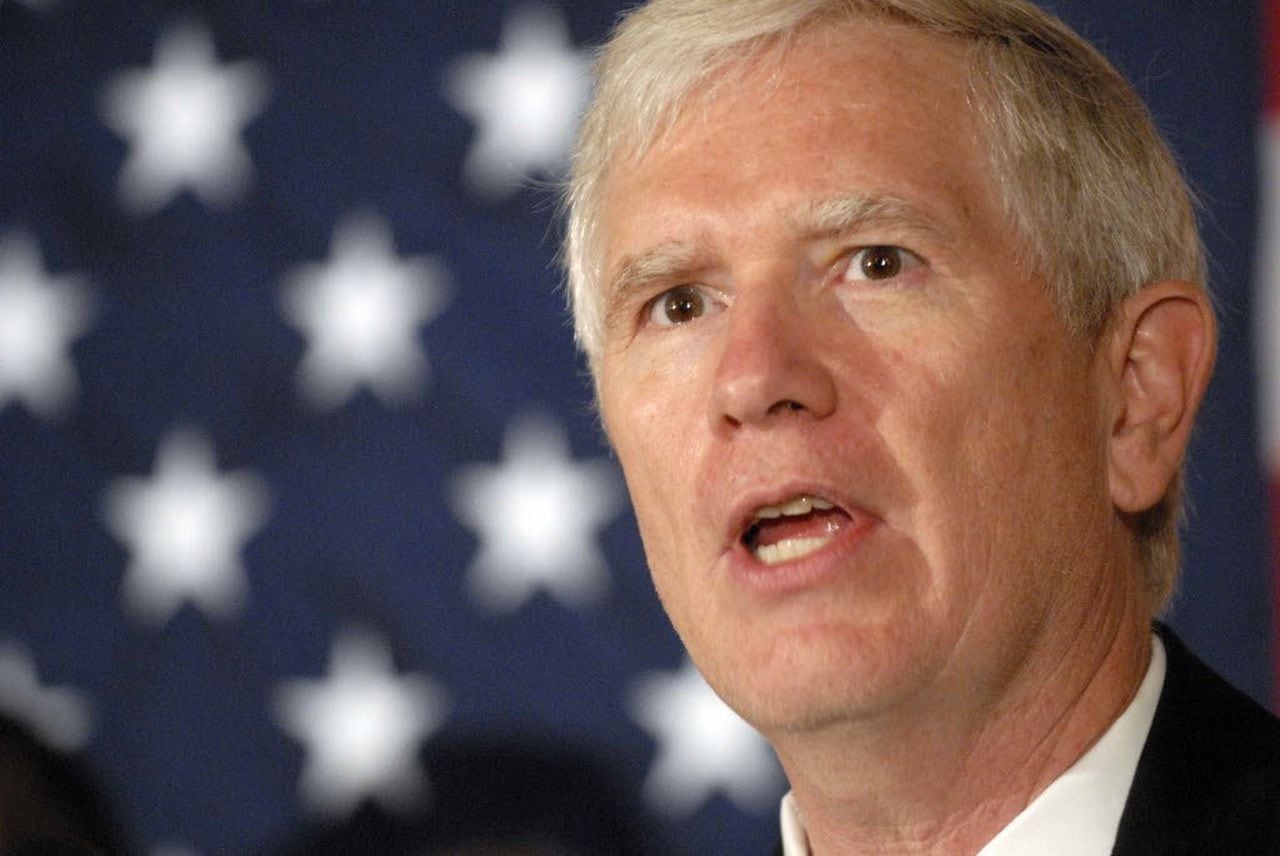
Mo Brooks, a Republican congressman from Alabama, made a statement on August 2, 2023, regarding former President Donald Trump’s demand for the 2020 presidential election to be rescinded. This statement came amidst a backdrop of ongoing legal challenges and political controversy surrounding the election results.
The Wording of Brooks’ Statement
Brooks, a staunch supporter of Trump, asserted that the former president still believes the 2020 election was “stolen” and that he continues to demand its rescission. Brooks’ statement was made during an interview with Fox News, where he stated, “President Trump has not changed his position on the 2020 election.
He still believes that the election was stolen, and he still demands that it be rescinded.”
The Implications of Brooks’ Statement
Brooks’ statement carries significant implications, both for the Republican Party and for American democracy. It underscores the ongoing divisions within the Republican Party over the legitimacy of the 2020 election. It also reinforces Trump’s grip on the party’s base, despite his loss in the election and the lack of evidence to support his claims of widespread fraud.
The Potential Motivations Behind Brooks’ Declaration
Brooks’ public declaration could be motivated by several factors. He may be seeking to curry favor with Trump and his supporters, hoping to solidify his position within the party. He may also be attempting to appease a base of voters who remain convinced that the election was stolen.
Additionally, Brooks’ statement could be a strategic maneuver aimed at positioning himself for a potential run for higher office.
Trump’s Claims of Election Fraud
Donald Trump’s claims of widespread voter fraud in the 2020 presidential election have been a major source of controversy and division in American politics. These claims, which have been repeatedly debunked by election officials, legal experts, and courts, have had a profound impact on public perception and the political landscape.
Timeline of Trump’s Claims
Trump’s claims of election fraud began almost immediately after the election, on November 3, 2020. He made numerous allegations, including that there was widespread voter fraud, that voting machines were rigged, and that millions of illegal ballots were cast. These claims were made in speeches, interviews, and on social media.
Mo Brooks, a Republican congressman from Alabama, has stated that former President Donald Trump is still demanding that the 2020 presidential election be rescinded. This comes amidst the news that the Federal Election Commission (FEC) has fined the Hillary Clinton campaign and the Democratic Party for violations related to their 2016 campaign finance reports.
FEC fines Hillary Clinton campaign and Democratic Party clears While the FEC’s actions seem to be focused on the past, Brooks’ comments highlight the ongoing controversy surrounding the 2020 election and the continued efforts by some to challenge its outcome.
- November 3, 2020:Election Day. Trump made early claims of victory, but the results were still being counted in several key states.
- November 4, 2020:Trump claimed victory in several states, despite the fact that the results were still being counted.
- November 6, 2020:Trump alleged that there was widespread voter fraud in several states, but provided no evidence to support his claims.
- November 14, 2020:Trump filed a lawsuit in Pennsylvania, alleging that the state’s election laws were unconstitutional. The lawsuit was ultimately dismissed by a judge.
- December 14, 2020:The Electoral College voted to confirm Joe Biden’s victory. Trump continued to make claims of election fraud.
- January 6, 2021:A mob of Trump supporters stormed the U.S. Capitol in an attempt to overturn the election results. The attack was unsuccessful, and Biden was inaugurated as president on January 20, 2021.
Evidence Presented to Support Claims
Trump and his allies have presented a wide range of evidence to support their claims of election fraud. However, this evidence has been widely discredited by election officials, legal experts, and courts.
- Allegations of widespread voter fraud:Trump and his allies have alleged that millions of illegal ballots were cast in the 2020 election. However, there is no evidence to support this claim. Numerous audits and investigations have found no evidence of widespread voter fraud.
- Claims of voting machine irregularities:Trump and his allies have alleged that voting machines were rigged to favor Biden. However, these claims have been repeatedly debunked by experts. Voting machines are certified by state and federal officials, and there is no evidence that they were tampered with.
Mo Brooks’ recent statement that Trump is still demanding the presidential election be rescinded is just another reminder of how deeply divided our country is. It’s hard to focus on anything else when such a fundamental issue is constantly being debated.
Maybe we could all use a little more time off to process and recharge. Taking a break from the constant barrage of news, as suggested in this article on why Americans are bad at taking time off , could help us approach these challenging topics with a clearer head.
After all, a more balanced perspective might be what we need to move forward from the chaos of the 2020 election and the ongoing fallout.
- Allegations of ballot harvesting:Trump and his allies have alleged that ballots were illegally harvested in several states. However, these claims have been largely dismissed by courts. Ballot harvesting is legal in some states, and there is no evidence that it was widespread or that it had a significant impact on the election results.
Impact of Trump’s Claims on Public Perception and the Political Landscape
Trump’s claims of election fraud have had a significant impact on public perception and the political landscape. A poll conducted by the Pew Research Center in January 2021 found that 70% of Republicans believe that the 2020 election was stolen from Trump.
This belief has contributed to a growing distrust of democratic institutions and a rise in political polarization.
- Increased distrust of democratic institutions:Trump’s claims have eroded public trust in the integrity of elections and the democratic process. Many Republicans now believe that elections are rigged and that their votes do not matter. This distrust has made it more difficult to resolve political differences and to build consensus on important issues.
- Rise in political polarization:Trump’s claims have further divided the country along partisan lines. Republicans and Democrats are increasingly polarized on issues such as election integrity and the legitimacy of the government. This polarization has made it more difficult to pass legislation and to address important challenges facing the country.
- Increased violence and threats:Trump’s claims have contributed to an increase in violence and threats against election officials and other government officials. The January 6, 2021 attack on the U.S. Capitol was a direct result of Trump’s efforts to overturn the election results.
Legal and Constitutional Implications
Mo Brooks’ statement, echoing Donald Trump’s claims of a stolen election, raises significant legal and constitutional concerns. While Trump and his supporters have made various allegations of fraud, these claims have been repeatedly debunked by courts, election officials, and independent audits.
Legal Basis for Trump’s Claims
Trump’s claims of election fraud largely hinge on allegations of widespread voter fraud, particularly through mail-in ballots. However, these claims have been consistently rejected by courts, including the Supreme Court, which dismissed multiple lawsuits challenging the election results. These dismissals were based on the lack of credible evidence supporting the allegations.
Constitutional Implications of Rescinding a Presidential Election
The Constitution Artikels a clear process for electing the President, which includes the Electoral College system. Rescinding an election, as Trump has demanded, would be a direct violation of this process and would set a dangerous precedent for future elections.
It would also undermine the fundamental principles of democracy, such as the peaceful transfer of power and the legitimacy of election results.
Potential Consequences of Acting Upon Trump’s Demand
Acting upon Trump’s demand to rescind the election would have far-reaching consequences. It would likely lead to widespread chaos and instability, erode public trust in the democratic process, and potentially trigger a constitutional crisis. The potential for violence and civil unrest would also be a significant concern.
Political Reactions and Responses
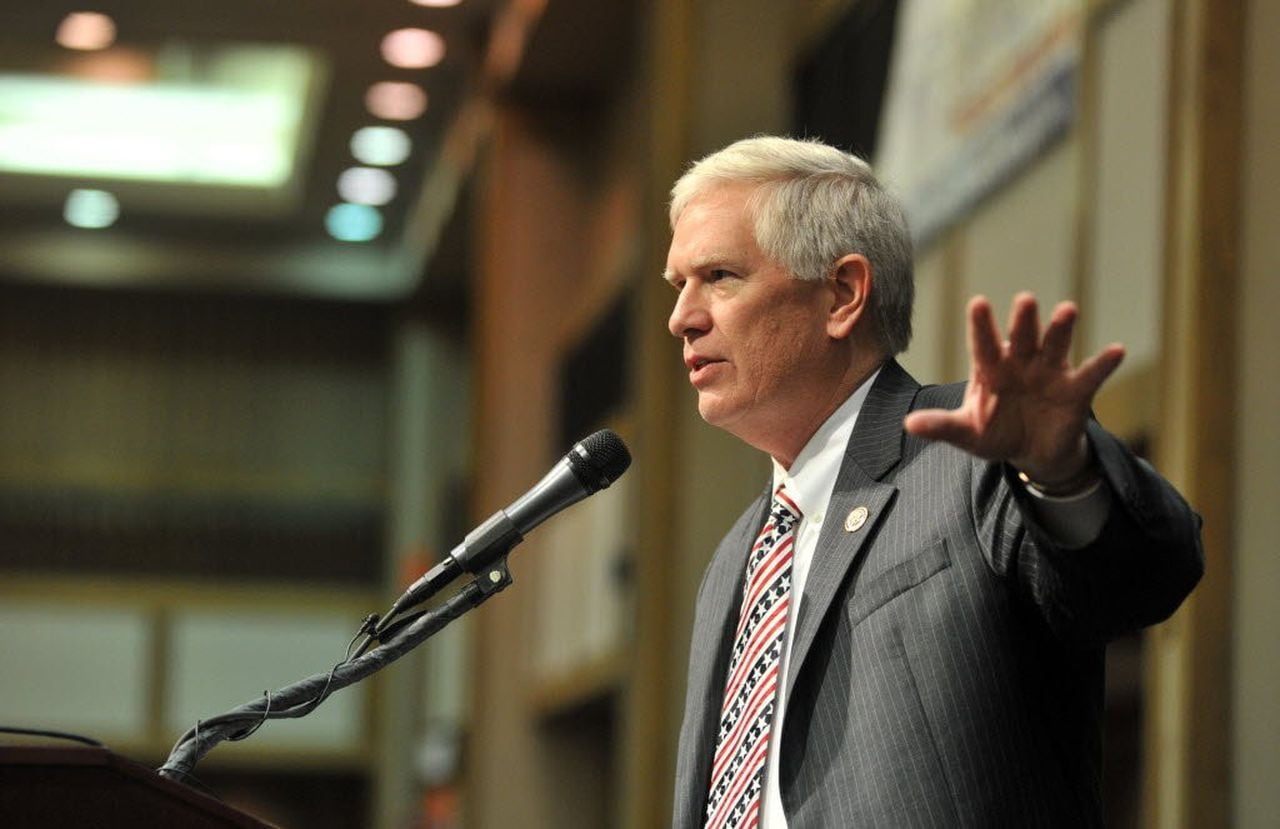
Mo Brooks’ statement, echoing Donald Trump’s demand for the 2020 presidential election to be rescinded, sparked a wave of reactions across the political spectrum. These responses ranged from condemnation to support, highlighting the deep divisions within the American political landscape.
Political Reactions to Brooks’ Statement and Trump’s Claims, Mo brooks says trump is still demanding presidential election be rescinded
The reactions to Brooks’ statement and Trump’s claims about election fraud were widely varied, reflecting the deep political polarization in the United States.
| Political Figure | Position | Statement | Impact |
|---|---|---|---|
| Joe Biden | President of the United States | Biden’s statement, while not directly addressing Brooks, further emphasized the administration’s stance against Trump’s claims. | |
| Kamala Harris | Vice President of the United States | Harris’ statement, delivered during a speech, served as a strong rebuke to Trump’s claims and a call for unity against disinformation. | |
| Mitch McConnell | Senate Minority Leader | McConnell’s statement, while not specifically addressing Brooks, firmly rejected Trump’s claims and underscored the need for political stability. | |
| Kevin McCarthy | House Minority Leader | McCarthy’s statement, while acknowledging the concerns of some Republican voters, indicated a shift away from Trump’s claims and towards a more unifying message. | |
| Mo Brooks | U.S. Representative from Alabama | Brooks’ statement, echoing Trump’s claims, fueled the ongoing controversy and highlighted the deep divisions within the Republican Party. |
Arguments Supporting and Opposing Trump’s Demand
Those supporting Trump’s demand for the election to be rescinded often cite allegations of widespread voter fraud, citing irregularities in voting procedures and the results of various recounts.
Mo Brooks’ continued insistence that Trump should overturn the election results feels increasingly out of touch, especially as President Biden prepares to issue a policing order on the anniversary of George Floyd’s killing, a move aimed at addressing systemic racism and police brutality.
While Brooks clings to a narrative of a stolen election, Biden is focused on tangible solutions to real issues facing the nation. It’s a stark contrast in priorities that speaks volumes about the current political landscape.
They argue that these irregularities, while not proven in court, warrant further investigation and potentially a reversal of the election results.Those opposing Trump’s demand emphasize the lack of evidence to support his claims, pointing to numerous court rulings that have dismissed his legal challenges.
They argue that his continued insistence on election fraud undermines democratic processes and weakens public trust in the electoral system.
Public Reactions and Responses
The controversy surrounding Trump’s claims and Brooks’ statement has sparked widespread public debate and reactions. On social media, hashtags like #ElectionFraud and #StopTheSteal have been used to amplify both support for and opposition to Trump’s claims.The controversy has also sparked protests and demonstrations, with some individuals rallying in support of Trump’s claims while others condemn them as an attempt to overturn a legitimate election.
The ongoing debate highlights the deep divisions within American society, fueled by misinformation and political polarization.
Broader Context of Election Integrity: Mo Brooks Says Trump Is Still Demanding Presidential Election Be Rescinded
The controversy surrounding Mo Brooks’ statement and Donald Trump’s claims of election fraud in the 2020 presidential election has brought the broader issue of election integrity to the forefront. While concerns about election integrity are not new, the specific allegations and their impact on public trust in democratic processes require careful examination.
Evidence and Investigations
The claims of widespread election fraud have been widely disputed, and numerous investigations have been conducted by both state and federal authorities. These investigations have consistently found no evidence of widespread fraud that could have altered the outcome of the election.
For example, the Cybersecurity and Infrastructure Security Agency (CISA), a federal agency responsible for cybersecurity, issued a statement in November 2020 stating that the 2020 election was “the most secure in American history.” Additionally, numerous court challenges brought by Trump and his allies were dismissed by judges, including some appointed by Trump himself.
Impact on Public Trust
Despite the lack of evidence supporting claims of election fraud, the controversy has had a significant impact on public trust in elections. A poll conducted by the Pew Research Center in December 2020 found that 70% of Republicans believed that the election had been stolen from Trump, while only 10% of Democrats shared that belief.
This polarization has led to a decline in trust in democratic institutions, with many Americans questioning the legitimacy of elections and the integrity of the electoral process.
Challenges to Election Integrity
While claims of widespread election fraud have been debunked, there are genuine concerns about election integrity that need to be addressed. These include:
- Voter suppression:Efforts to restrict access to voting, particularly for minority groups, can undermine fair and equitable elections.
- Foreign interference:Foreign actors can attempt to influence elections through hacking, disinformation campaigns, and other tactics.
- Misinformation and disinformation:The spread of false or misleading information can confuse voters and erode trust in the electoral process.
- Election administration:Issues with election administration, such as long lines, voting machine malfunctions, and lack of transparency, can raise concerns about the integrity of elections.
Addressing Concerns
Addressing concerns about election integrity requires a multifaceted approach that includes:
- Strengthening election security:Implementing robust cybersecurity measures to protect election systems from hacking and other cyber threats.
- Promoting voter participation:Ensuring that all eligible voters have access to the ballot box, including through expanded early voting, mail-in voting, and voter registration drives.
- Combating misinformation:Working with social media companies and other platforms to combat the spread of false or misleading information about elections.
- Enhancing transparency:Increasing transparency in election administration, including by making election results and audits readily available to the public.
Ending Remarks
The controversy surrounding Mo Brooks’ statement and Trump’s ongoing claims of election fraud highlight the fragility of American democracy. The debate raises crucial questions about the role of evidence, the power of rhetoric, and the importance of preserving the integrity of elections.
As the nation grapples with the aftermath of the 2020 election, the consequences of this ongoing saga will continue to shape the political landscape for years to come.