
Migrants Sew Lips Shut to Protest Mexico Policy
Migrants are sewing their lips shut to protest the policy that stranded them in Mexico, a desperate act highlighting the dire circumstances they face. This extreme form of protest underscores the human cost of restrictive immigration policies and the desperation of those seeking a better life.
The policy, implemented by the [Name of Government], aims to [Explain the government’s rationale]. However, it has resulted in [Describe the challenges faced by migrants]. Stories of [Share specific examples of migrants’ experiences] paint a stark picture of the policy’s impact on individuals and families.
International Response and Media Coverage: Migrants Are Sewing Their Lips Shut To Protest The Policy That Stranded Them In Mexico
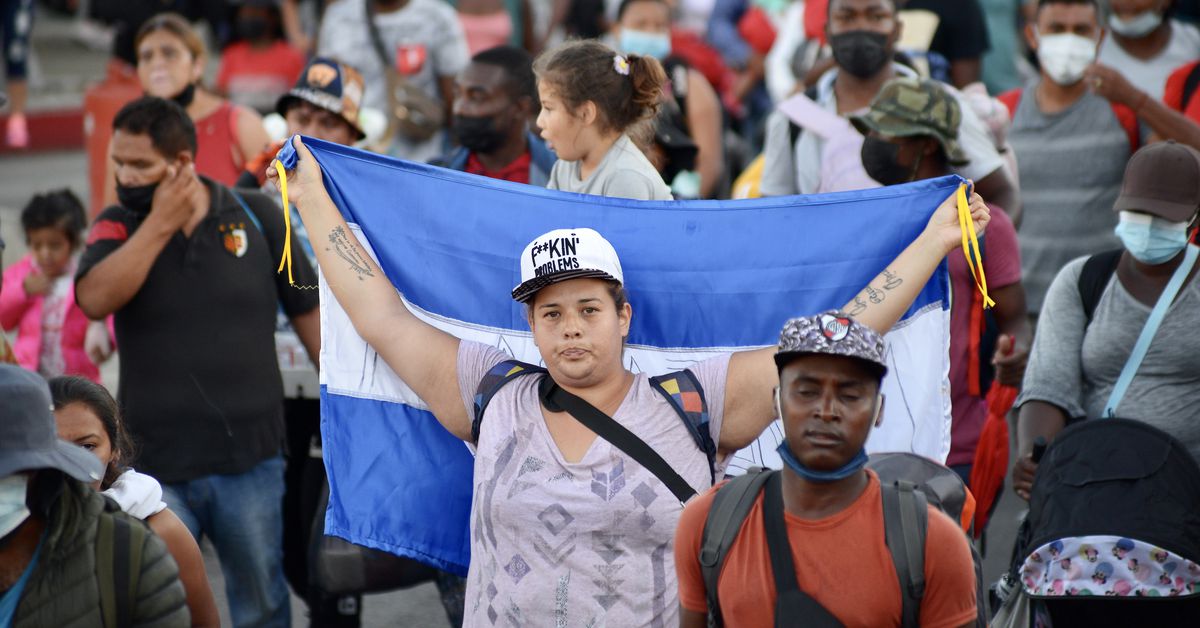
The act of migrants sewing their lips shut to protest their dire situation garnered international attention, sparking reactions from various organizations and governments. The media coverage of this desperate act highlighted the plight of migrants stranded in Mexico, raising concerns about the ethical considerations of media portrayal and the potential impact on public opinion.
International Organizations’ Reactions, Migrants are sewing their lips shut to protest the policy that stranded them in mexico
The international community reacted to the protest with a mixture of condemnation and calls for action. The United Nations High Commissioner for Refugees (UNHCR) expressed deep concern about the situation, calling for immediate measures to address the humanitarian crisis. The Inter-American Commission on Human Rights (IACHR) condemned the policy that stranded migrants in Mexico, highlighting its potential for human rights violations.
Other international organizations, such as Amnesty International and Human Rights Watch, also voiced their concerns, urging governments to uphold the rights of migrants and refugees.
Government Responses
Governments around the world responded to the protest with varying degrees of engagement. Some governments, like those of Canada and the European Union, expressed solidarity with the migrants and called for a more humane approach to migration policies. Others, including the Mexican government, faced criticism for their role in implementing the policies that led to the protest.
The United States government, which implemented the policy that stranded migrants in Mexico, remained largely silent on the protest, although there were calls from some US lawmakers to address the humanitarian crisis.
The desperate act of migrants sewing their lips shut to protest the policy that stranded them in Mexico is a stark reminder of the human cost of our immigration policies. Sen Kevin Cramer would likely argue that these actions are a result of the migrants’ own choices, but the reality is that these individuals are fleeing violence and poverty, seeking a better life for themselves and their families.
The situation demands a more humane and compassionate approach, one that recognizes the desperation driving these acts of protest.
Media Coverage and its Impact
The protest received widespread media coverage, with news outlets around the world reporting on the desperate act of migrants sewing their lips shut. The media coverage played a crucial role in raising awareness about the plight of migrants stranded in Mexico, sparking public debate and generating pressure on governments to address the issue.
The media coverage of the protest had a significant impact on public opinion, with many people expressing sympathy for the migrants and criticizing the policies that led to their desperate situation. However, there were also concerns about the ethical considerations surrounding the media’s portrayal of the protest.
Some critics argued that the media coverage sensationalized the protest and exploited the suffering of migrants for ratings.
The desperate measures taken by migrants sewing their lips shut to protest the policy that stranded them in Mexico are a stark reminder of the human cost of political decisions. Meanwhile, the House panel is holding a public hearing on unexplained aerial sightings, raising questions about the unknown and the need for transparency.
The contrast between these two events highlights the complex issues facing our world, from the urgent need for humanitarian solutions to the mysteries of the unknown.
Comparison with Other Migrant Crises
The media coverage of this protest is similar to the coverage of other migrant crises, such as the Syrian refugee crisis and the Rohingya crisis, in that it highlighted the human cost of migration policies and the need for international action.
The desperate act of migrants sewing their lips shut to protest the policy that stranded them in Mexico speaks volumes about the human cost of these restrictions. It’s a stark reminder of the powerlessness felt by those seeking a better life, a feeling that is echoed in the transcript of Jeh Johnson on the implementation of these policies.
His words offer a glimpse into the rationale behind these decisions, but ultimately, the reality on the ground, with migrants resorting to such drastic measures, speaks louder than any justification.
However, there are also differences in the media coverage of these crises. For example, the media coverage of the Syrian refugee crisis was often focused on the political dimensions of the crisis, while the media coverage of the Rohingya crisis was more focused on the humanitarian aspects.
The media coverage of this protest also differed from the coverage of other migrant crises in terms of its focus on the role of the United States government. The media coverage of this protest highlighted the US government’s role in implementing the policy that stranded migrants in Mexico, while the media coverage of other migrant crises was often more focused on the role of other governments, such as the governments of Syria, Myanmar, and Turkey.
Human Rights Implications
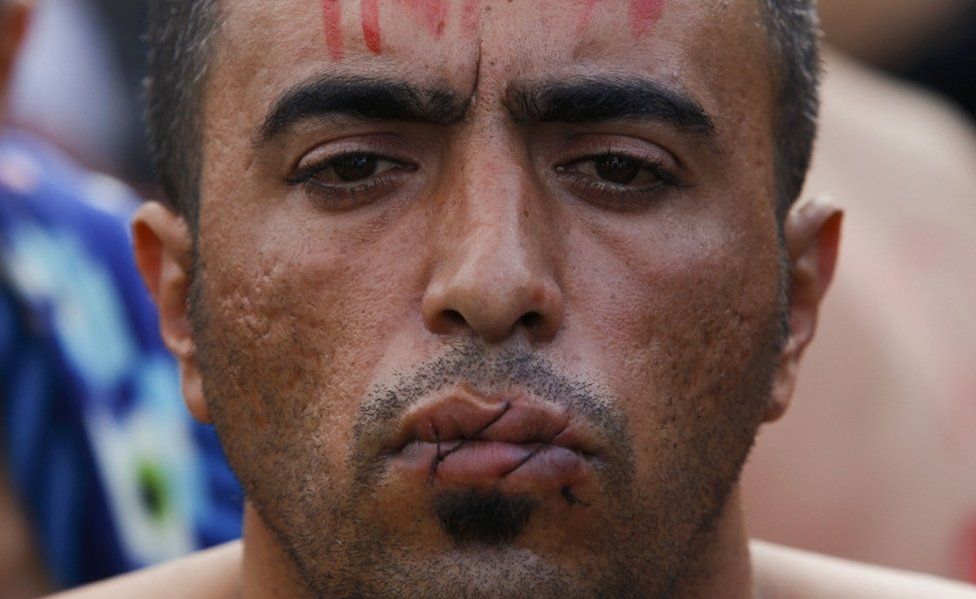
The act of sewing one’s lips shut is a desperate and symbolic plea for attention, highlighting the dire circumstances faced by migrants stranded in Mexico. This protest underscores the profound human rights violations inherent in the policy that has forced them into this precarious situation.
Human Rights Violations
The policy in question has been widely criticized for its disregard for the fundamental human rights of migrants. These rights are enshrined in international law, including the Universal Declaration of Human Rights and the International Covenant on Civil and Political Rights.
The policy has been linked to several human rights violations, including:
- Denial of Access to Asylum Procedures:The policy effectively prevents migrants from seeking asylum in the United States, a right guaranteed by international law. By forcing them to wait in Mexico, it undermines their ability to access legal pathways to safety and protection.
- Forced Return and Refoulement:The policy subjects migrants to the risk of being returned to countries where they face persecution, torture, or other serious human rights abuses, a practice known as refoulement, which is prohibited under international law.
- Detention and Arbitrary Deprivation of Liberty:The policy has led to the detention of migrants in overcrowded and unsanitary facilities in Mexico, often without due process or access to legal representation. This constitutes arbitrary deprivation of liberty, a violation of human rights.
- Exploitation and Vulnerability:By creating a climate of uncertainty and desperation, the policy leaves migrants vulnerable to exploitation by smugglers, traffickers, and other criminal elements. It also increases their risk of experiencing violence, abuse, and other forms of harm.
Legal and Ethical Frameworks
The treatment of migrants is governed by a robust legal and ethical framework that emphasizes the importance of protecting their fundamental rights. This framework includes:
“The right to seek asylum is a fundamental human right and a cornerstone of international law. It is enshrined in the 1951 Refugee Convention and its 1967 Protocol, which oblige states to refrain from returning refugees to countries where they face persecution.”
The policy in question has been widely condemned by human rights organizations and legal experts for its inconsistency with these international legal obligations. It also raises serious ethical concerns, as it prioritizes political expediency over the fundamental human rights of vulnerable individuals.
Role of Human Rights Organizations
Human rights organizations play a crucial role in advocating for the rights of migrants in this situation. They monitor human rights violations, provide legal assistance, and raise awareness about the plight of migrants. They also engage with governments and international institutions to promote policy changes that protect the rights of migrants.
Potential Solutions and Strategies
Addressing the human rights concerns raised by the protest requires a multifaceted approach, including:
- Reforming the Policy:The policy should be reformed to ensure that migrants have access to fair and humane asylum procedures. This could involve establishing safe and orderly pathways for asylum seekers, providing legal representation, and ensuring due process in all cases.
- Strengthening International Cooperation:Governments should work together to address the root causes of migration and to provide safe and legal avenues for those seeking protection. This could involve sharing responsibility for processing asylum claims, providing humanitarian assistance, and promoting development in countries of origin.
- Promoting Respect for Human Rights:Governments should ensure that all migrants are treated with dignity and respect, regardless of their immigration status. This includes providing access to basic necessities, such as food, water, shelter, and healthcare. It also means protecting migrants from exploitation, abuse, and violence.
Outcome Summary
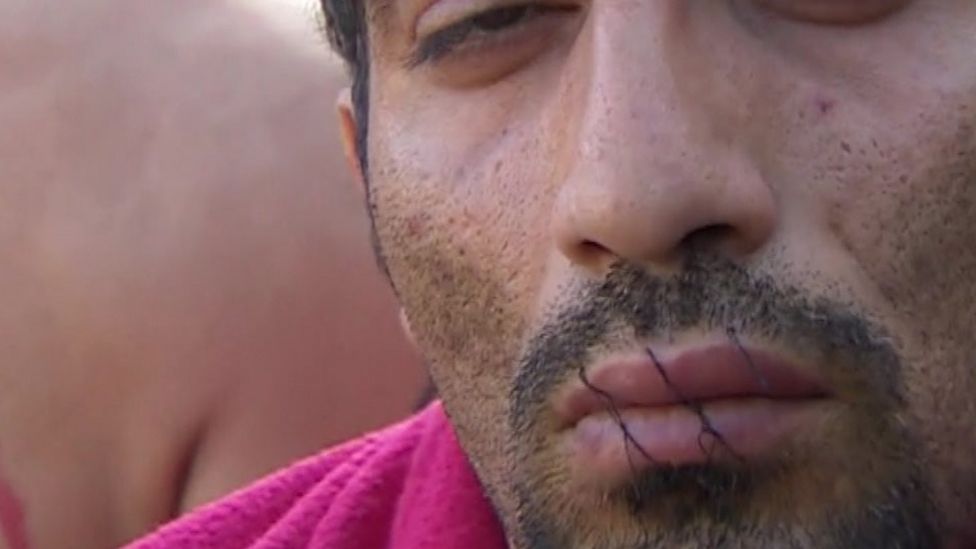
The act of sewing lips shut is a powerful symbol of protest, echoing historical and cultural precedents. It speaks to the desperation and the lack of other avenues for voicing their grievances. The international response to this protest, while varied, highlights the ethical complexities surrounding the treatment of migrants and the need for more humane policies.
The future of migrant rights depends on addressing the root causes of migration, promoting integration, and creating a world where everyone can live with dignity and safety.