Prosecutors Resigned After NY DA Declined Trump Indictment
Prosecutors resigned after new york da said he wasnt prepared to move forward with indictment of trump, sending shockwaves through the legal and political worlds. This unexpected turn of events has sparked intense scrutiny of the ongoing investigations into former President Donald Trump, leaving many questioning the future of these cases and the implications for accountability.
The resignations followed a statement by the Manhattan District Attorney, Alvin Bragg, who revealed his decision not to proceed with an indictment of Trump in connection with a long-running investigation into alleged financial crimes. The DA’s decision, citing a lack of sufficient evidence to secure a conviction, has been met with mixed reactions, with some praising the DA’s adherence to legal principles while others criticize his perceived leniency towards a high-profile figure.
The Resignations
The resignations of several prosecutors from the Manhattan District Attorney’s Office (DA) investigating former President Donald Trump have raised significant questions about the future of the investigation. These resignations, occurring after the DA expressed reluctance to move forward with an indictment, have sparked widespread speculation and concern about the potential impact on the case.
Timeline of Resignations
The resignations of the prosecutors involved in the Trump investigation began in February 2023, with the departure of Mark Pomerantz, the lead prosecutor on the case. Pomerantz’s resignation was followed by the departures of several other prosecutors, including Carey Dunne, who had also played a key role in the investigation.
- February 2023:Mark Pomerantz, the lead prosecutor on the Trump investigation, resigns.
- February 2023:Carey Dunne, another prosecutor involved in the investigation, resigns.
- March 2023:Several other prosecutors resign, including those who had been working on specific aspects of the investigation, such as the Trump Organization’s financial dealings.
Reasons for Resignations
The prosecutors who resigned have cited various reasons for their decisions, but a common thread running through their statements is a sense of disappointment with the DA’s decision not to move forward with an indictment. Pomerantz, in his resignation letter, expressed his belief that Trump had committed serious crimes and that the DA’s office had “a moral obligation to prosecute” him.
Dunne, in his own resignation letter, echoed Pomerantz’s sentiments, stating that he was “deeply troubled” by the DA’s decision.
The recent news of prosecutors resigning after the New York DA stated he wasn’t ready to move forward with an indictment of Trump has sparked a lot of debate. It’s a reminder that even in high-stakes situations, it’s important to have strong relationships with those around you.
Building those relationships, whether it’s with colleagues, supervisors, or even those you might disagree with, is crucial for success. That’s why it’s essential to learn how to build relationships with instructional coaches , as their guidance and support can be invaluable.
In the end, the decisions made in the Trump case, just like in any other situation, will be influenced by the relationships and trust that have been built over time.
Potential Implications for the Investigation, Prosecutors resigned after new york da said he wasnt prepared to move forward with indictment of trump
The resignations of these key prosecutors have raised concerns about the future of the Trump investigation. Some legal experts have argued that the DA’s office may now be less likely to move forward with an indictment, given the loss of experienced and dedicated prosecutors.
The news cycle is relentless, and it’s hard to keep up with all the twists and turns. Just when we thought we were done with the drama surrounding the indictment of former President Trump, the focus shifted to the Supreme Court and its potential to further weaken gun safety laws.
This recent ruling, which you can read more about here , has the potential to make it even more difficult to pass meaningful legislation to address the issue of gun violence. With all this going on, it’s hard to know where to focus our attention, but one thing is clear: the legal landscape is changing rapidly, and we need to stay informed about the implications for our society.
Others have expressed concern that the investigation may be hampered by the loss of institutional knowledge and expertise. The DA’s decision not to pursue an indictment, coupled with the resignations of key prosecutors, has led to speculation that the investigation may be effectively over.
The New York DA’s Statement
The New York District Attorney, Alvin Bragg, announced his decision not to pursue an indictment against former President Donald Trump in connection with the alleged hush money payments to adult film actress Stormy Daniels. This decision has sparked significant debate and scrutiny, raising questions about the legal and political implications of the DA’s assessment of the case.
Factors Influencing the DA’s Decision
Bragg’s decision was based on a comprehensive evaluation of the evidence and legal arguments presented. He stated that, while the investigation revealed credible evidence of wrongdoing, he ultimately concluded that it was not in the best interests of justice to proceed with an indictment.
This decision was likely influenced by a number of factors, including:
- Strength of the Evidence:Bragg acknowledged the existence of credible evidence suggesting Trump’s involvement in the alleged hush money payments. However, he may have deemed the evidence insufficient to meet the high burden of proof required for a criminal conviction.
- Legal Complexity:The case involved complex legal issues, including the interpretation of campaign finance laws and the potential application of a statute of limitations. The DA may have concluded that the legal complexities of the case would make it difficult to secure a conviction.
- Political Considerations:The decision not to indict Trump was undoubtedly influenced by the high-profile nature of the case and the potential political ramifications. Bragg may have weighed the potential for a divisive and protracted legal battle against the potential benefits of securing a conviction.
Legal and Political Implications
Bragg’s decision has significant legal and political implications. From a legal perspective, it sends a message about the DA’s standards for pursuing criminal charges. Some may argue that the decision sets a low bar for holding powerful individuals accountable, while others may view it as a pragmatic decision based on the evidence and the complexities of the case.Politically, the decision has further polarized the already divided political landscape.
Supporters of Trump hailed the decision as a victory, while his critics condemned it as a miscarriage of justice. The decision also raises questions about the role of law enforcement in a politically charged environment and the potential for political influence to impact prosecutorial decisions.
The Investigation into Trump: Prosecutors Resigned After New York Da Said He Wasnt Prepared To Move Forward With Indictment Of Trump
The former President Donald Trump is facing a multitude of investigations, both at the state and federal level, stemming from various allegations of wrongdoing. These investigations have been ongoing for several years and have garnered significant public attention.
Nature of the Allegations
The investigations into Trump encompass a wide range of allegations, including:
- Financial Crimes:These investigations focus on potential financial improprieties, such as allegations of tax fraud, bank fraud, and campaign finance violations. The Manhattan District Attorney’s Office has been investigating Trump’s business dealings, specifically the Trump Organization, for several years. The investigation has centered around allegations of inflated asset valuations and fraudulent tax deductions.
- Obstruction of Justice:Allegations of obstruction of justice relate to Trump’s attempts to interfere with investigations into his campaign’s potential ties to Russia during the 2016 presidential election. The Special Counsel investigation, led by Robert Mueller, concluded that Trump obstructed justice on multiple occasions but declined to recommend criminal charges due to the Department of Justice’s longstanding policy against indicting a sitting president.
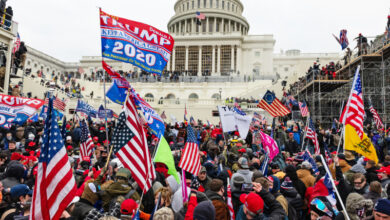
- January 6th Insurrection:The House Select Committee investigating the January 6th attack on the U.S. Capitol has focused on Trump’s role in inciting the violence and his efforts to overturn the results of the 2020 presidential election. The committee has presented evidence suggesting that Trump knew his claims of election fraud were false and that he deliberately pressured officials to overturn the election results.
- Handling of Classified Documents:The Department of Justice is investigating Trump’s handling of classified documents after the FBI searched his Mar-a-Lago residence in Florida and recovered numerous classified documents. The investigation centers around whether Trump improperly retained classified documents after leaving office and whether he obstructed justice by attempting to conceal or destroy evidence.
Evidence Gathered
Prosecutors have gathered substantial evidence in these investigations, including:
- Financial Records:Prosecutors have obtained financial records from Trump’s businesses and banks, including tax returns, bank statements, and loan applications. These records have provided insights into Trump’s financial dealings and have been used to support allegations of financial improprieties.
- Testimony from Witnesses:Prosecutors have interviewed numerous witnesses, including former Trump administration officials, business associates, and family members. Testimony from these witnesses has provided firsthand accounts of Trump’s actions and has been used to corroborate allegations against him.
- Emails and Other Documents:Prosecutors have obtained emails, text messages, and other documents that provide evidence of Trump’s communications and actions. These documents have revealed insights into Trump’s efforts to influence investigations, his involvement in the January 6th attack, and his handling of classified documents.
Legal Challenges
Prosecutors face significant legal challenges in investigating and potentially indicting Trump, including:
- Political Pressure:The investigations into Trump have been highly politicized, with Trump and his supporters frequently attacking the investigations as politically motivated. This political pressure can make it difficult for prosecutors to maintain their independence and pursue investigations without fear of reprisal.
- Legal Defenses:Trump’s legal team has employed a variety of legal defenses, including arguments that the investigations are based on flimsy evidence, that Trump is immune from prosecution, and that the investigations are politically motivated. These defenses can complicate the prosecution’s case and delay the proceedings.
- Public Opinion:Trump remains a popular figure among a significant portion of the population. Public opinion can influence the decisions of prosecutors and juries, making it more difficult to secure convictions against Trump.
Potential Outcomes
The investigations into Trump could result in a range of potential outcomes, including:
- Indictment and Trial:Prosecutors could decide to indict Trump on criminal charges, leading to a trial. The outcome of such a trial would depend on the strength of the evidence presented and the jury’s verdict.
- No Indictment:Prosecutors could decide not to indict Trump, either because they believe the evidence is insufficient to support a criminal conviction or because they believe the costs of pursuing an indictment outweigh the potential benefits.
- Plea Deal:Trump could negotiate a plea deal with prosecutors, in which he agrees to plead guilty to lesser charges in exchange for a more lenient sentence.
Public Reaction
The decision by the New York DA not to pursue an indictment against former President Donald Trump and the subsequent resignations of two prosecutors sparked a wave of reactions across the political spectrum. The public response was a complex tapestry of outrage, disappointment, and cautious optimism, reflecting the deep divisions that have come to characterize American politics.
Reactions Across the Political Spectrum
The decision to drop the investigation was met with a mixture of anger and relief, depending on one’s political affiliation.
- Trump supporters celebrated the news as a vindication of their belief that the former president was being unfairly targeted by his political opponents. They saw the DA’s decision as a sign that the “witch hunt” against Trump had finally come to an end.
- On the other side of the aisle, Democrats expressed disappointment and frustration. Many felt that the DA had failed to hold Trump accountable for his alleged wrongdoings, and that the decision sent a message that powerful individuals could evade justice.
The resignations of the two prosecutors, who had reportedly disagreed with the DA’s decision, further fueled the debate. Some saw their departure as a sign of protest against the DA’s decision, while others viewed it as a personal decision unrelated to the Trump investigation.
It’s been a whirlwind of news lately, from the unexpected resignation of prosecutors after the New York DA announced he wasn’t ready to move forward with an indictment of Trump, to the incredible discovery of a Galapagos tortoise thought extinct for 100 years, found alive and well here.
It seems like every day brings a new twist, reminding us that even in the face of uncertainty, hope and resilience can prevail. The news surrounding the Trump indictment is still unfolding, but for now, the discovery of the long-lost tortoise serves as a powerful reminder that even the seemingly impossible can happen.
Potential Impact on the Political Landscape
The public reaction to the DA’s decision and the resignations of the prosecutors is likely to have a significant impact on the political landscape.
- For Trump supporters, the decision serves as a rallying cry, further solidifying their support for the former president and fueling their belief in a “deep state” conspiracy against him. This could translate into increased political activism and voter turnout in future elections.
- For Democrats, the decision could lead to renewed calls for accountability and a focus on issues related to corruption and justice. This could potentially mobilize voters and encourage them to engage in political activism, particularly in the upcoming midterm elections.
The ongoing debate surrounding the Trump investigation and the DA’s decision will likely continue to shape the political discourse in the coming months and years.
Legal and Ethical Considerations
The decision by the New York District Attorney not to indict Donald Trump has sparked a heated debate about the legal and ethical considerations surrounding the prosecution of high-profile individuals. This case raises crucial questions about the role of the justice system in holding powerful individuals accountable and the potential for prosecutorial misconduct.
Prosecutorial Discretion and the Burden of Proof
Prosecutors have broad discretion in deciding whether to pursue criminal charges. This discretion is based on a number of factors, including the strength of the evidence, the likelihood of conviction, and the potential impact of a prosecution on the community.
In the case of Donald Trump, the DA’s decision not to indict him suggests that he did not believe the evidence was strong enough to meet the burden of proof required for a criminal conviction. This decision has been criticized by some who believe that the DA was unduly influenced by Trump’s political power or that he failed to adequately investigate the allegations.
Potential for Prosecutorial Misconduct
The decision not to indict Trump has also raised concerns about the potential for prosecutorial misconduct. Some critics argue that the DA’s decision was politically motivated and that he was influenced by pressure from Trump or his allies. They point to the fact that the DA’s office has been investigating Trump for several years without bringing any charges.
This lack of action, they argue, suggests that the DA was reluctant to pursue charges against Trump for fear of political backlash.
The Role of the Justice System in Holding Powerful Individuals Accountable
The case of Donald Trump highlights the challenges of holding powerful individuals accountable under the law. The DA’s decision not to indict Trump has been seen by some as a sign that the justice system is not capable of holding powerful individuals accountable.
They argue that the DA was too willing to give Trump the benefit of the doubt and that he was not willing to pursue charges that could have potentially damaged Trump’s political career.
The Importance of Transparency and Accountability
In order to maintain public trust in the justice system, it is essential that prosecutors are transparent and accountable in their decision-making. The DA’s decision not to indict Trump has raised questions about the transparency of the investigation and the accountability of the DA’s office.
Some critics argue that the DA’s office has been too secretive about its investigation and that it has not been sufficiently transparent about its decision-making process. They believe that the DA’s office should have been more open about its findings and its reasons for not pursuing charges.
Wrap-Up
The fallout from this high-stakes legal battle is still unfolding, raising questions about the limits of prosecutorial power and the complexities of pursuing justice against powerful individuals. The DA’s decision not to indict Trump, coupled with the resignations of key prosecutors, has ignited a debate about the role of the justice system in holding individuals accountable, regardless of their status or influence.
As the investigation continues, the implications of this dramatic turn of events will continue to be felt, leaving a lasting impact on the political landscape and the public’s perception of justice.