McCaffrey: Putins Generals Lost Control in Ukraine
Mccaffrey putins generals have lost control in ukraine and fear being shot – McCaffrey: Putin’s Generals Lost Control in Ukraine and Fear Being Shot. This shocking statement, made by a prominent military analyst, has sent ripples through the international community, raising serious questions about the state of Russia’s military leadership and the future of the war in Ukraine.
The implications of this assertion are far-reaching, impacting not only the battlefield but also the political landscape of both Russia and Ukraine.
McCaffrey’s analysis, based on his deep understanding of the Russian military, points to a growing sense of fear and uncertainty among Putin’s generals. The generals’ perceived loss of control, coupled with the ever-present threat of being held accountable for failures, has created a climate of anxiety and indecision.
This, in turn, could lead to a series of unpredictable events on the battlefield, with potentially devastating consequences for both sides.
The Mccaffrey Statement and its Context
The statement by General Mark Milley, Chairman of the Joint Chiefs of Staff, regarding the morale of Russian generals in Ukraine has sent shockwaves through the international community. Milley’s statement, which indicated that these generals fear being shot by their own government due to battlefield setbacks, has raised significant questions about the state of the Russian military and its leadership.
This analysis delves into the implications of Milley’s statement, examining its significance in the context of the war, its potential impact on the Ukrainian military’s morale and leadership, and its broader implications for global perceptions of the war and Russia’s military capabilities.
The news about McCaffrey’s claim that Putin’s generals have lost control in Ukraine and fear being shot is certainly alarming. It’s a reminder of the high stakes involved in this conflict. On a more positive note, it’s great to see companies like UPS stepping up to support small businesses, like the $150k in grant funds they’re providing to AAPI-owned businesses.
This kind of support is essential, especially in times of uncertainty. Hopefully, the situation in Ukraine will stabilize soon, but until then, it’s important to remember that there are good things happening in the world as well.
The Statement’s Implications for the Ukrainian Military
Milley’s statement, if accurate, could have a significant impact on the morale and leadership of the Ukrainian military. The perception that Russian generals are losing control and fearing for their lives could embolden Ukrainian forces, boosting their confidence and willingness to fight.
The statement could also lead to increased pressure on Russian commanders, potentially contributing to more reckless or desperate tactics as they seek to achieve battlefield victories to avoid punishment.
It’s wild to think about the pressure on Putin’s generals right now, facing potential execution for their failures in Ukraine. It reminds me of the intense debate surrounding vaping and COVID-19, where experts argued about the risks and benefits of each, much like the conflicting strategies in the Ukraine war.
The parallels are fascinating, and you can read more about them in this insightful health check newsletter that explores the similarities. The stakes are high in both situations, and the outcome could have lasting consequences.
The Statement’s Impact on Global Perceptions
Milley’s statement has contributed to a growing narrative of Russian military incompetence and weakness. This narrative, fueled by ongoing battlefield setbacks and the reported fears of Russian generals, has significantly impacted global perceptions of Russia’s military capabilities. The statement has also raised concerns about the stability of the Russian military and its leadership, potentially leading to further instability within Russia itself.
Analysis of Putin’s Generals and their Control
The recent developments in Ukraine have sparked widespread speculation about the control and competence of Putin’s generals. Reports suggest a significant loss of control, leading to concerns about their ability to execute the war effectively. This analysis delves into the factors contributing to this perceived loss of control and explores the potential reasons behind the generals’ fear of being shot.
Reasons for the Perceived Loss of Control, Mccaffrey putins generals have lost control in ukraine and fear being shot
The perception of a loss of control among Putin’s generals is rooted in a confluence of factors, including:
- Underestimation of Ukrainian Resistance:Initial assessments of the Ukrainian military’s capabilities were significantly flawed, leading to a miscalculation of the war’s duration and intensity. The fierce resistance mounted by Ukrainian forces, bolstered by international support, has proven to be a significant obstacle to Russian military objectives.
- Logistical Challenges:The Russian military has faced severe logistical challenges in sustaining its operations, particularly in terms of supply lines and equipment. This has hampered their ability to effectively execute offensives and maintain operational momentum.
- Lack of Strategic Coordination:There have been reports of poor coordination and communication among different Russian military units, leading to tactical blunders and a lack of cohesive strategy. This disjointed approach has hampered their effectiveness on the battlefield.
- Low Morale and Training:The Russian military’s morale has been significantly impacted by the prolonged conflict, heavy casualties, and perceived lack of progress. Furthermore, there are concerns about the overall training and preparedness of some Russian troops, which has contributed to their performance on the battlefield.
Reasons for the Generals’ Fear of Being Shot
The fear of being shot among Putin’s generals stems from the highly centralized and authoritarian nature of the Russian political system, where failure is often met with severe consequences.
- Political Climate in Russia:The Russian political system is characterized by a strongman mentality, where dissent and criticism are often suppressed. Military leaders who fail to achieve their objectives are vulnerable to being scapegoated and punished, often with extreme measures.
- Consequences of Failure:The consequences of military failure in Russia can be severe, ranging from dismissal and disgrace to imprisonment or even execution. This high-stakes environment fosters a culture of fear and pressure among military leaders.
The Impact of the Generals’ Fear on the War Effort
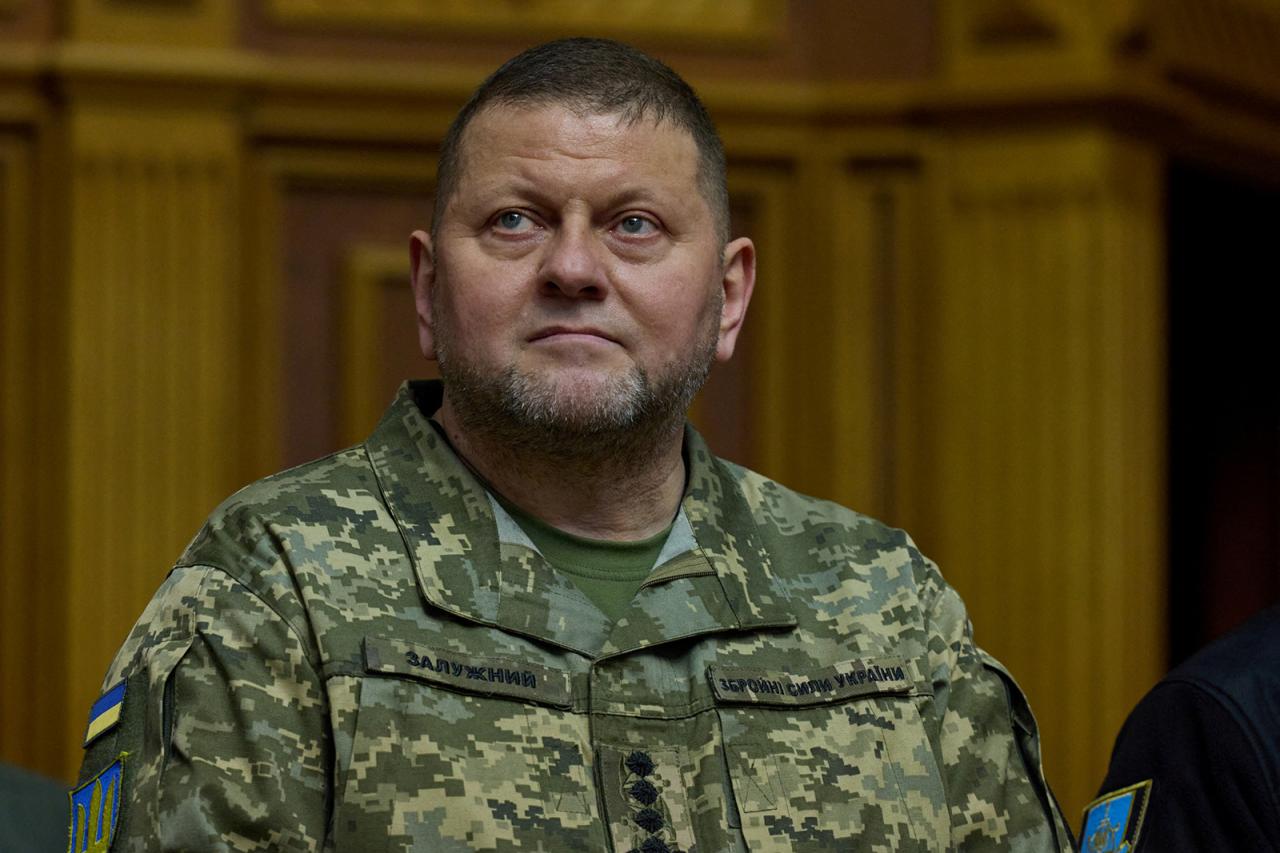
The fear of Putin’s generals, stemming from the perceived threat of being shot for failure, could have a significant impact on their decision-making and battlefield tactics. This fear could lead to overly cautious strategies, hesitation in taking risks, and a focus on self-preservation rather than achieving strategic objectives.
Impact on Decision-Making and Battlefield Tactics
The fear of punishment could lead to a number of negative consequences for the Russian military’s decision-making and battlefield tactics.
It’s a grim reality that the chaos in Ukraine has reached a point where Putin’s generals are reportedly losing control and fearing for their lives. The news of this turmoil comes at a time when the education system is already facing a critical workforce shortage, as highlighted in the recent Head Start report were sounding the alarm bells head start report underscores workforce crisis edsurge news.
It seems like the world is grappling with multiple crises, and the potential for further instability in Ukraine only adds to the growing anxieties.
- Overly Cautious Strategies:Generals might prioritize avoiding failure over achieving victory, leading to overly cautious strategies that hinder offensive operations and allow Ukrainian forces to entrench and prepare defenses.
- Hesitation in Taking Risks:Fear of failure could make generals reluctant to take risks, even when those risks are necessary for achieving strategic objectives. This could result in missed opportunities and a lack of initiative on the battlefield.
- Focus on Self-preservation:Generals might prioritize their own safety and survival over the success of the mission, leading to a lack of commitment and a reluctance to commit resources to risky but potentially decisive operations.
Impact on the Effectiveness of Russian Military Operations
The fear of the generals could significantly affect the effectiveness of Russian military operations in Ukraine.
- Reduced Morale and Discipline:Fear of punishment could demoralize troops and undermine discipline, leading to a decrease in combat effectiveness and an increase in desertions.
- Poor Coordination and Communication:Fear of making mistakes could lead to a reluctance to communicate effectively, hindering coordination between units and contributing to tactical failures.
- Missed Opportunities and Strategic Deadlocks:Fear of failure could prevent generals from seizing opportunities and taking bold initiatives, leading to missed opportunities and strategic deadlocks.
Scenario: Impact on a Specific Military Operation
Consider a scenario where Russian forces are attempting to capture a key Ukrainian city. The generals, fearing punishment for failure, might hesitate to commit sufficient resources or take risks necessary for a quick victory. This hesitancy could allow Ukrainian defenders to reinforce their positions and prepare for a prolonged defense.
As the operation drags on, the generals might become increasingly cautious, leading to a stalemate or even a Ukrainian counteroffensive.
The Future of the War in Ukraine
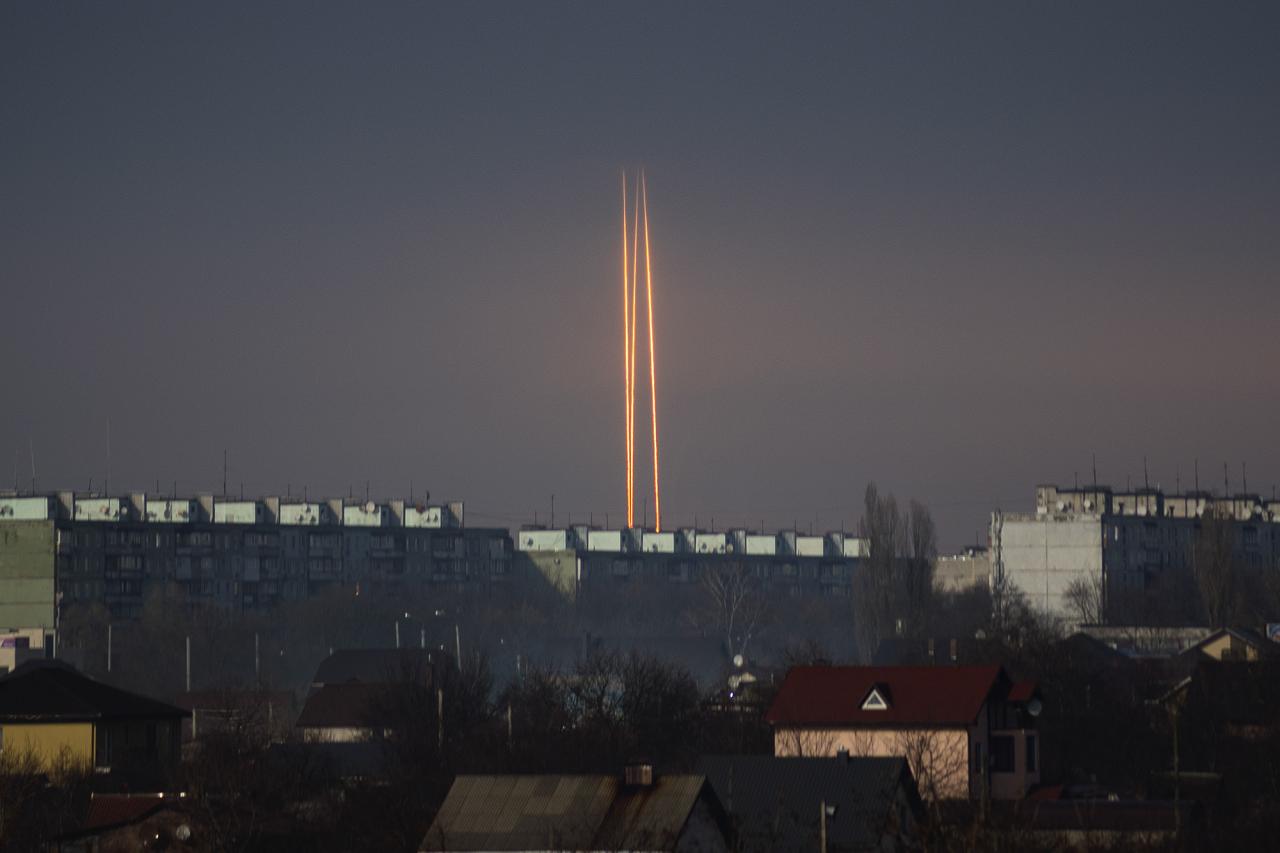
The recent reports of fear and potential mutiny among Putin’s generals have introduced a new dimension to the conflict in Ukraine. While the war’s trajectory is inherently unpredictable, these developments offer a unique perspective on potential outcomes and the future of the conflict.
Potential Scenarios for the War
The generals’ perceived loss of control could significantly influence the course of the war. Here are some potential scenarios:
- Scenario 1: Escalation and Full-Scale War: If the generals, driven by fear and a desire to regain control, opt for a more aggressive approach, the war could escalate into a full-scale conflict, potentially involving NATO. This scenario would be highly dangerous and could lead to a wider, more destructive war.
- Scenario 2: Stalemate and Negotiation: The fear among the generals could lead to a stalemate, with neither side able to achieve a decisive victory. This could create an opportunity for negotiations and a peaceful resolution. However, the potential for a negotiated settlement would depend heavily on the willingness of both sides to compromise.
- Scenario 3: Internal Power Struggle and Regime Change: If the generals’ fear leads to internal power struggles within Russia, this could potentially result in regime change. A new leadership could take a different approach to the war, potentially leading to a de-escalation or even a withdrawal from Ukraine.
However, this scenario is highly speculative and would be dependent on the internal dynamics of Russian politics.
Consequences of Different Outcomes
The different potential outcomes of the war would have significant consequences for both Russia and Ukraine:
| Outcome | Consequences for Russia | Consequences for Ukraine |
|---|---|---|
| Full-Scale War | Heavy economic and military losses, potential for regime change, international isolation. | Significant destruction and loss of life, potential for occupation, long-term economic and social instability. |
| Stalemate and Negotiation | Loss of face, economic and military setbacks, potential for internal unrest. | Reconstruction and rebuilding efforts, potential for long-term economic and political instability, challenges in reintegrating occupied territories. |
| Internal Power Struggle and Regime Change | Uncertain future, potential for political instability and economic collapse, international sanctions. | Potential for a negotiated peace settlement, economic and political uncertainty, challenges in rebuilding and recovering from the war. |
Impact on Negotiations and Peaceful Resolution
The generals’ fear could significantly impact the potential for negotiations and a peaceful resolution.
- Increased Fear and Mistrust: The generals’ fear could lead to a more aggressive and less compromising approach to negotiations, as they may be more likely to resort to force to secure their position.
- Internal Divisions: The fear and potential for mutiny could further divide the Russian leadership, making it more difficult to reach a unified decision on negotiations.
- Loss of Trust in the Russian Government: The generals’ fear and potential for internal unrest could erode public trust in the Russian government, making it more difficult to reach a negotiated settlement that is acceptable to the Russian people.
Conclusive Thoughts: Mccaffrey Putins Generals Have Lost Control In Ukraine And Fear Being Shot
The potential consequences of this situation are immense, with the future of the war in Ukraine hanging in the balance. The generals’ fear could lead to rash decisions, miscalculations, and even a desperate attempt to escalate the conflict. This, in turn, could have global ramifications, potentially drawing other nations into the conflict.
The international community is watching closely, hoping for a peaceful resolution but bracing for the possibility of a protracted and bloody conflict.