
Managing Bipolar Disorder: What I Wish My Employers Understood
Managing bipolar disorder and what I wish my employers understood is a topic close to my heart. Living with bipolar disorder can be challenging, and navigating the complexities of work life can feel overwhelming at times. While I strive to be the best employee I can be, there are aspects of my condition that my employers may not fully grasp, which can lead to misunderstandings and even discrimination.
This blog post is a call for greater awareness and understanding, aiming to bridge the gap between those living with bipolar disorder and their employers.
The ups and downs of bipolar disorder can significantly impact my ability to function in the workplace. During manic episodes, I might experience an overwhelming surge of energy, making it difficult to focus or complete tasks. Conversely, during depressive episodes, my motivation and productivity plummet, making it a struggle to even get out of bed.
These fluctuations can be unpredictable, leading to inconsistency in my work performance.
Understanding Bipolar Disorder

Bipolar disorder, formerly known as manic-depressive illness, is a mental health condition characterized by extreme shifts in mood, energy, and activity levels. These shifts can be dramatic and unpredictable, affecting an individual’s daily life, relationships, and work performance. Understanding the different phases of bipolar disorder is crucial for managing the condition effectively.
Phases of Bipolar Disorder
Bipolar disorder is characterized by distinct phases, each with unique symptoms. These phases are:
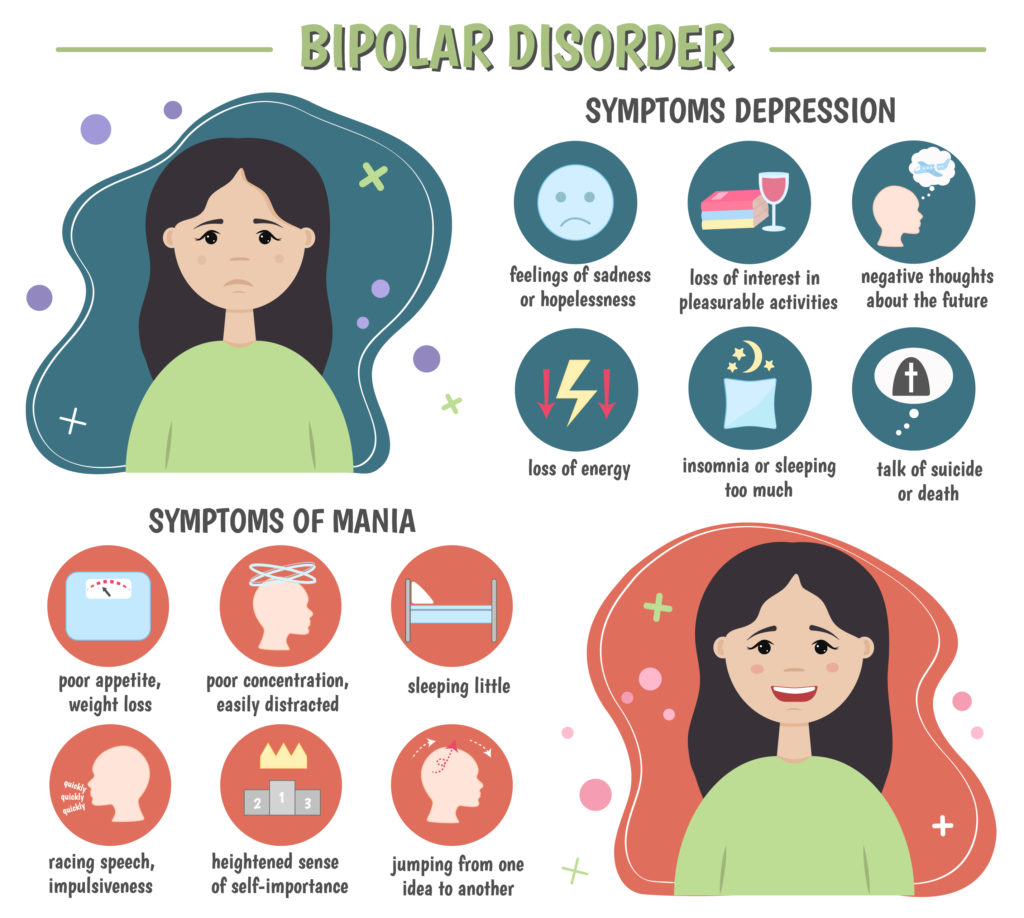
- Mania: A period of elevated mood, increased energy, and activity levels. Individuals in a manic state may experience feelings of euphoria, grandiosity, and impulsivity. They may have racing thoughts, difficulty concentrating, and a decreased need for sleep.
- Hypomania: A milder form of mania, characterized by similar symptoms but with less severe intensity. Individuals in a hypomanic state may experience increased productivity and creativity, but their symptoms may still disrupt their daily life.
- Depression: A period of low mood, loss of interest in activities, and feelings of sadness, hopelessness, and worthlessness. Individuals in a depressive state may experience fatigue, difficulty concentrating, changes in appetite and sleep patterns, and thoughts of death or suicide.
Living with bipolar disorder is a constant balancing act, and I wish my employers understood that sometimes my productivity might fluctuate. Just like we need to acknowledge and celebrate the unsung heroes in science, we must recognise sciences unsung global pioneers to alter its future , we also need to be understanding and supportive of those navigating mental health challenges.
It’s about creating an environment where everyone can thrive, regardless of their mental health journey.
Symptoms of Bipolar Disorder
The symptoms of bipolar disorder can vary widely from person to person and can be influenced by factors such as the severity of the condition, individual experiences, and treatment options. However, some common symptoms associated with each phase include:
Mania
- Elevated mood: Feeling unusually happy, euphoric, or irritable.
- Increased energy: Feeling restless, agitated, and unable to sit still.
- Racing thoughts: Experiencing rapid thoughts that are difficult to control.
- Grandiosity: Feeling overly confident and believing that one has special abilities or talents.
- Impulsivity: Engaging in risky or reckless behaviors without thinking about the consequences.
- Decreased need for sleep: Feeling energized and able to function on little sleep.
- Distractibility: Difficulty focusing on tasks and easily losing track of thoughts.
- Increased talkativeness: Talking rapidly and often changing topics.
Hypomania
- Elevated mood: Feeling unusually happy, energetic, or irritable, but not as severe as in mania.
- Increased energy: Feeling more energetic and productive than usual.
- Racing thoughts: Experiencing rapid thoughts, but they may be easier to control than in mania.
- Increased creativity: Feeling more creative and productive than usual.
- Decreased need for sleep: Feeling energized and able to function on less sleep than usual.
- Increased talkativeness: Talking more than usual, but not as rapidly or frequently as in mania.
Depression
- Low mood: Feeling sad, hopeless, and worthless.
- Loss of interest: Losing interest in activities that were once enjoyable.
- Fatigue: Feeling tired and lacking energy.
- Difficulty concentrating: Having trouble focusing on tasks.
- Changes in appetite: Experiencing a decrease or increase in appetite.
- Changes in sleep patterns: Sleeping more or less than usual.
- Thoughts of death or suicide: Having thoughts about death or suicide.
Impact of Bipolar Disorder on Daily Life and Work Performance
The symptoms of bipolar disorder can significantly impact an individual’s daily life and work performance.
- Mania: During a manic episode, individuals may experience difficulty concentrating, making decisions, and completing tasks. They may also engage in impulsive behaviors that can lead to problems at work, such as spending money recklessly or making inappropriate comments to colleagues.
- Hypomania: While hypomania may initially appear beneficial, it can also disrupt work performance. Individuals may experience difficulty focusing, managing their time effectively, and maintaining appropriate boundaries with colleagues. They may also become irritable or overly enthusiastic, which can strain relationships with coworkers.
- Depression: During a depressive episode, individuals may experience difficulty getting out of bed, going to work, and completing tasks. They may also feel withdrawn, hopeless, and unable to cope with work demands. This can lead to decreased productivity, absenteeism, and even job loss.
Workplace Challenges for Individuals with Bipolar Disorder: Managing Bipolar Disorder And What I Wish My Employers Understood
Living with bipolar disorder can be challenging, and navigating the workplace can present unique obstacles. Individuals with bipolar disorder often face a range of difficulties, including stigma, discrimination, and accommodation needs, which can significantly impact their work performance and productivity.
Stigma and Discrimination
Stigma and discrimination are significant challenges for individuals with bipolar disorder in the workplace. Misconceptions and stereotypes about mental illness can lead to prejudice and unfair treatment.
- Negative Stereotypes:Bipolar disorder is often associated with instability, unreliability, and dangerousness, which can lead to employers being hesitant to hire or promote individuals with the condition.
- Fear of Disclosure:Many individuals with bipolar disorder are afraid to disclose their condition to their employers due to concerns about negative consequences, such as job loss or discrimination.
- Lack of Understanding:A lack of understanding and awareness about bipolar disorder can lead to employers being unprepared to provide the necessary support and accommodations.
Accommodation Needs
Individuals with bipolar disorder may require reasonable accommodations in the workplace to manage their condition effectively.
Living with bipolar disorder is a constant balancing act, and I wish my employers understood the complexities of my condition. It’s not just about good days and bad days, it’s about managing fluctuating energy levels, unpredictable mood swings, and the constant need for self-care.
The current labor landscape is fascinating, with unions experiencing both growth and decline, which is explored in this article on why unions are growing and shrinking at the same time. Ultimately, understanding the challenges of managing mental health, just like understanding the dynamics of labor, is crucial for creating a supportive and inclusive work environment.
- Flexible Work Schedules:Fluctuations in energy levels and mood can make it difficult for individuals with bipolar disorder to maintain a consistent work schedule. Flexible work arrangements, such as the ability to work from home or adjust start and end times, can be beneficial.
- Mental Health Support:Access to mental health resources, such as employee assistance programs (EAPs) or mental health professionals, can provide individuals with bipolar disorder with the support they need to manage their condition.
- Job Modifications:In some cases, job modifications may be necessary to accommodate the specific needs of an individual with bipolar disorder. This could include reducing job responsibilities or providing additional training and support.
Impact of Unpredictable Symptoms
The unpredictable nature of bipolar disorder can significantly impact work performance and productivity.
- Fluctuations in Energy Levels:During manic episodes, individuals may experience excessive energy and motivation, leading to overworking and burnout. Conversely, during depressive episodes, they may experience fatigue, lack of motivation, and difficulty concentrating, impacting their ability to complete tasks.
- Cognitive Impairment:Bipolar disorder can affect cognitive functions, such as memory, attention, and decision-making, which can hinder work performance.
- Emotional Instability:Mood swings and emotional lability can lead to difficulties in interpersonal relationships and communication at work.
Importance of Open Communication and Understanding
Open communication and understanding from employers are crucial for supporting individuals with bipolar disorder in the workplace.
Living with bipolar disorder can be a rollercoaster, and I wish my employers understood that sometimes, even with medication, my energy levels can fluctuate. It’s hard to explain the invisible struggles, especially when the news is filled with stories like the recent house approval of gun control bills including higher age for assault rifles , which reminds me that mental health is often overlooked in larger societal conversations.
My hope is that one day, workplaces will be more understanding and supportive of those living with mental health conditions.
- Creating an Inclusive Environment:Employers should create an inclusive work environment that promotes open communication and reduces stigma. This can involve providing training on mental health awareness and encouraging employees to discuss their needs and challenges.
- Active Listening and Support:Employers should actively listen to employees with bipolar disorder and provide support and resources to help them manage their condition. This includes providing access to mental health professionals, flexible work arrangements, and reasonable accommodations.
- Confidentiality and Respect:It is essential to maintain confidentiality and respect the privacy of employees with bipolar disorder. Employers should avoid making assumptions or judgments about their condition and focus on providing support and accommodations.
What Employers Need to Understand
Understanding bipolar disorder is crucial for fostering an inclusive and supportive workplace. By dispelling common misconceptions and implementing reasonable accommodations, employers can create an environment where individuals with bipolar disorder can thrive.
Common Misconceptions About Bipolar Disorder
Misunderstandings surrounding bipolar disorder can lead to discrimination and prejudice. It’s essential to provide accurate information to challenge these misconceptions.
| Misconception | Accurate Information |
|---|---|
| People with bipolar disorder are violent or unpredictable. | The vast majority of individuals with bipolar disorder are not violent. While some may experience mood swings, these are often manageable with treatment. |
| Bipolar disorder is a sign of weakness or a character flaw. | Bipolar disorder is a complex brain disorder that is not a reflection of an individual’s character or willpower. |
| People with bipolar disorder can simply “snap out of it.” | Bipolar disorder is a chronic condition that requires ongoing management and support. |
| Bipolar disorder is the same as being “crazy” or “mentally ill.” | Bipolar disorder is a specific diagnosis with distinct symptoms and treatment approaches. |
| People with bipolar disorder are not capable of working. | With appropriate accommodations and support, many individuals with bipolar disorder can be productive members of the workforce. |
Reasonable Accommodations for Individuals with Bipolar Disorder, Managing bipolar disorder and what i wish my employers understood
Employers can implement reasonable accommodations to support employees with bipolar disorder. These accommodations can help individuals manage their condition and maintain their productivity.
- Flexible work schedules:Allowing employees to adjust their work hours to accommodate their treatment needs or fluctuations in their mood.
- Remote work options:Providing the flexibility to work from home or a different location can reduce stress and improve work-life balance.
- Quiet workspaces:Creating a quiet and distraction-free environment can help individuals focus and manage their mood swings.
- Mental health benefits:Offering comprehensive mental health benefits, including access to therapy, medication management, and support groups.
- Education and training:Providing training to managers and employees on understanding and supporting individuals with bipolar disorder.
- Confidential support:Establishing confidential channels for employees to seek support and guidance without fear of stigma or discrimination.
Resources and Organizations for Employers and Employees
Several resources and organizations provide valuable information and support for employers and employees dealing with bipolar disorder.
- The National Alliance on Mental Illness (NAMI):NAMI offers resources, support groups, and advocacy for individuals with mental health conditions and their families.
- The Depression and Bipolar Support Alliance (DBSA):DBSA provides peer support, education, and advocacy for individuals with bipolar disorder and their loved ones.
- The American Psychiatric Association (APA):The APA offers information on bipolar disorder, treatment options, and resources for patients and professionals.
- The National Institute of Mental Health (NIMH):NIMH provides research, information, and funding for mental health research and treatment.
Promoting Workplace Inclusivity
Creating a supportive and inclusive workplace for individuals with mental health conditions is not just the right thing to do; it’s also good business. When employees feel supported and accepted, they are more likely to be engaged, productive, and loyal to their employer.
Benefits of Workplace Inclusivity for Individuals with Bipolar Disorder
A workplace that fosters a culture of understanding and acceptance can significantly benefit individuals with bipolar disorder. It can help them feel comfortable disclosing their condition, access necessary support, and thrive in their roles.
- Reduced Stigma and Discrimination:A supportive workplace can help break down the stigma surrounding mental health conditions, creating a safer environment for individuals with bipolar disorder to disclose their condition without fear of judgment or discrimination.
- Improved Mental Health Outcomes:When individuals feel supported and understood, they are more likely to manage their bipolar disorder effectively. This can lead to improved mental health outcomes, reduced absenteeism, and increased productivity.
- Increased Engagement and Productivity:A supportive workplace environment can foster a sense of belonging and purpose for individuals with bipolar disorder. This can lead to increased engagement, motivation, and productivity.
- Enhanced Retention:Employees who feel supported and valued are more likely to stay with their employer. This can lead to reduced turnover costs and improved organizational stability.
Fostering a Culture of Understanding and Acceptance
Employers can play a vital role in creating a workplace where individuals with bipolar disorder feel supported and accepted.
- Open Communication:Encourage open communication about mental health. This can be done through company-wide initiatives, workshops, or employee resource groups.
- Mental Health Awareness Training:Provide training to all employees on mental health conditions, including bipolar disorder. This can help educate employees about the condition, its symptoms, and how to support colleagues who may be struggling.
- Flexible Work Arrangements:Offer flexible work arrangements, such as remote work options or flexible schedules, to accommodate the needs of employees with bipolar disorder. This can help them manage their symptoms and maintain a healthy work-life balance.
- Confidentiality:Ensure that all conversations and information related to mental health are kept confidential. This helps create a safe space for employees to seek support without fear of judgment.
- Access to Resources:Provide access to mental health resources, such as employee assistance programs (EAPs) or mental health professionals. This can help employees access the support they need to manage their bipolar disorder.
Practical Steps to Promote Mental Health Awareness in the Workplace
Employers can take several practical steps to promote mental health awareness in the workplace:
- Mental Health Awareness Campaigns:Organize mental health awareness campaigns throughout the year to educate employees about mental health conditions, including bipolar disorder. This can include sharing information, hosting workshops, or inviting speakers to share their experiences.
- Mental Health First Aid Training:Provide mental health first aid training to employees. This can help them learn how to identify and support colleagues who may be struggling with mental health conditions.
- Employee Resource Groups (ERGs):Establish ERGs for employees with mental health conditions. This can provide a safe space for employees to connect with others who understand their experiences and share resources.
- Promote Open Dialogue:Encourage open dialogue about mental health in the workplace. This can be done through leadership initiatives, employee surveys, or by creating a culture where employees feel comfortable discussing their mental health concerns.
Ultimate Conclusion
Ultimately, managing bipolar disorder in the workplace requires a collaborative effort. Open communication, understanding, and reasonable accommodations from employers can make a world of difference. It’s time to move beyond misconceptions and embrace a more inclusive work environment where individuals with mental health conditions can thrive.
By fostering a culture of awareness and acceptance, we can create a workplace where everyone feels supported and valued.