Legal Experts See Mounting Case for DOJ to Charge Trump
Legal experts believe a stronger and stronger case made for DOJ to file criminal charges against Trump, and the nation watches with bated breath. This isn’t just another political scandal; it’s a potential turning point in American history. The Justice Department, under immense pressure, faces a monumental decision: will they pursue criminal charges against a former president, potentially setting a precedent for future administrations?
The implications are far-reaching, extending beyond the courtroom and into the very fabric of our democracy.
This case goes beyond the legal arguments and delves into the heart of our political landscape. The potential charges against Trump are a reflection of the deep divisions in our society, and the outcome could have a profound impact on the 2024 election and the future of the Republican Party.
The DOJ’s decision will be scrutinized by millions, with every move analyzed and debated.
Public Opinion and Political Implications
The potential criminal charges against former President Donald Trump have ignited a firestorm of debate, with public opinion deeply divided and the political implications far-reaching. While legal experts grapple with the intricacies of the case, the broader conversation encompasses the potential impact on the 2024 election, the future of the Republican Party, and the very fabric of American democracy.
Public Opinion on Potential Charges Against Trump, Legal experts believe a stronger and stronger case made for doj to file criminal charges against trump
The potential charges against Trump have polarized public opinion, with strong opinions on both sides of the issue.
- Legal Experts:Many legal experts believe that the Department of Justice (DOJ) has built a strong case against Trump, citing evidence of potential criminal wrongdoing in relation to the January 6th insurrection, mishandling of classified documents, and interference in the 2020 election.
It’s a busy week for legal and political news, with legal experts increasingly convinced that a criminal case against Trump is building momentum. Meanwhile, President Biden is set to issue a new policing order on the anniversary of George Floyd’s death, a move that aims to address police brutality and systemic racism.
It’s clear that the events of the past few years have left a lasting impact on American society, and these developments are sure to continue shaping the national conversation.
These experts argue that the DOJ has a duty to uphold the law, regardless of the political implications.
- Political Analysts:Political analysts, while acknowledging the strength of the case, are divided on the political ramifications of filing charges. Some argue that charging Trump could energize his base and potentially benefit him in the 2024 election, while others believe that it could backfire and lead to his political demise.
- Public:Public opinion polls show a deep partisan divide on the issue, with Republicans largely opposing charges against Trump and Democrats largely supporting them. Independent voters are more divided, with a significant portion expressing concerns about the potential for political bias in the case.
The legal experts are becoming increasingly convinced that the Department of Justice has a strong case to file criminal charges against Trump, and this news comes at a time when a recent CBS News poll found that more Americans are labeling the Republican party as extreme and the Democratic party as weak.
Whether these events are connected, the potential consequences for the country are significant.
Political Ramifications of Filing Charges
The decision to file or not file criminal charges against Trump carries significant political ramifications.
It’s hard to keep up with the news these days, but one thing that’s been consistently in the headlines is the mounting evidence against former President Trump. Legal experts are increasingly convinced that the DOJ has a strong case for filing criminal charges, and the recent developments are only adding fuel to the fire.
Meanwhile, on a much smaller scale, there’s a heartwarming story about Ukrainian children in U.S. custody finding unlikely sponsors as war rages back home. It’s a reminder that amidst the chaos and uncertainty, there’s still a lot of good in the world.
But back to the main story, it seems like the pressure on the DOJ to act is growing by the day, and it will be interesting to see what happens next.
- 2024 Election:The impact on the 2024 election is highly uncertain. If charges are filed and Trump is convicted, it could significantly damage his chances of winning the Republican nomination and the presidency. However, if he is acquitted or the charges are dismissed, it could further solidify his status as a frontrunner and potentially benefit him in the long run.
- Future of the Republican Party:The Republican Party is deeply divided on the issue of Trump. Filing charges could further fracture the party, alienating Trump supporters while energizing anti-Trump Republicans. However, not filing charges could lead to accusations of a double standard and erode public trust in the justice system.
The Role of Special Counsel
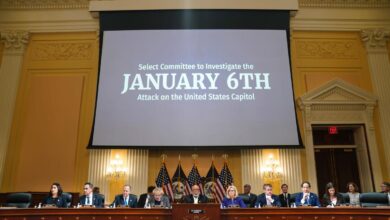
The appointment of a Special Counsel to investigate the January 6th attack on the U.S. Capitol is a significant development in the ongoing legal scrutiny of former President Donald Trump and his allies. This role, distinct from the regular workings of the Department of Justice (DOJ), carries specific responsibilities and authority, potentially influencing the DOJ’s decision-making process regarding criminal charges.
The Special Counsel, tasked with investigating the attack, operates independently of the DOJ, ensuring impartiality and minimizing political influence. This independence allows the Special Counsel to conduct a thorough and objective investigation, free from potential pressure or interference.
Special Counsel’s Authority and Responsibilities
The Special Counsel’s authority stems from the Department of Justice Manual, outlining the procedures for appointing and overseeing Special Counsels. This manual grants the Special Counsel significant powers, including the ability to:
- Investigate any criminal offenses related to the January 6th attack, regardless of who is involved.
- Issue subpoenas to compel witnesses to testify or produce documents.
- Obtain search warrants to gather evidence.
- Make recommendations to the Attorney General regarding criminal charges.
The Special Counsel’s independence is further underscored by their ability to make their own decisions regarding investigations, prosecutions, and the release of information. They are not subject to direct control or oversight by the Attorney General, except in rare circumstances Artikeld in the DOJ Manual.
Implications for DOJ Decision-Making
The Special Counsel’s findings and recommendations carry significant weight in the DOJ’s decision-making process. The DOJ is obligated to consider the Special Counsel’s conclusions, even though it retains the ultimate authority to decide whether to file criminal charges. The Special Counsel’s investigation can significantly impact the DOJ’s decision-making process in several ways:
- Evidence Gathering:The Special Counsel’s investigation can uncover crucial evidence that the DOJ might not have access to otherwise. This evidence could provide a stronger foundation for criminal charges against individuals involved in the January 6th attack.
- Legal Analysis:The Special Counsel’s legal analysis of the evidence, including potential criminal violations, can inform the DOJ’s assessment of the case. This analysis could highlight potential legal arguments and defenses that the DOJ needs to consider.
- Public Opinion:The Special Counsel’s investigation and findings can shape public opinion and influence political pressure on the DOJ. If the Special Counsel recommends criminal charges, the DOJ will face intense scrutiny and potential backlash if it declines to prosecute.
Key Evidence and Findings
The Special Counsel’s investigation has produced a wealth of evidence, including witness testimonies, documents, and physical evidence. Key findings that could inform the DOJ’s decision include:
- Evidence of Conspiracy:The Special Counsel has investigated potential conspiracies to overturn the election results, including attempts to interfere with the electoral process and pressure state officials to change vote counts.
- Role of Trump and his Allies:The Special Counsel has focused on the role of former President Trump and his allies in planning and executing the attack on the Capitol. Evidence gathered could reveal their level of involvement and their intent to obstruct the peaceful transfer of power.
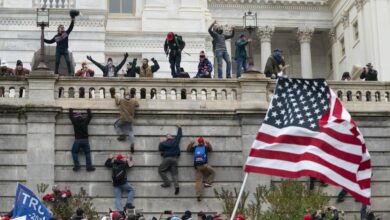
- Evidence of Violence:The Special Counsel has collected evidence of the violence that occurred during the attack, including the injuries sustained by law enforcement officers and the damage to the Capitol building. This evidence could support charges of assault, obstruction of justice, and other offenses.
The Special Counsel’s investigation continues to unfold, and its findings will undoubtedly play a crucial role in shaping the DOJ’s decision regarding criminal charges against those involved in the January 6th attack.
The Future of Justice: Legal Experts Believe A Stronger And Stronger Case Made For Doj To File Criminal Charges Against Trump
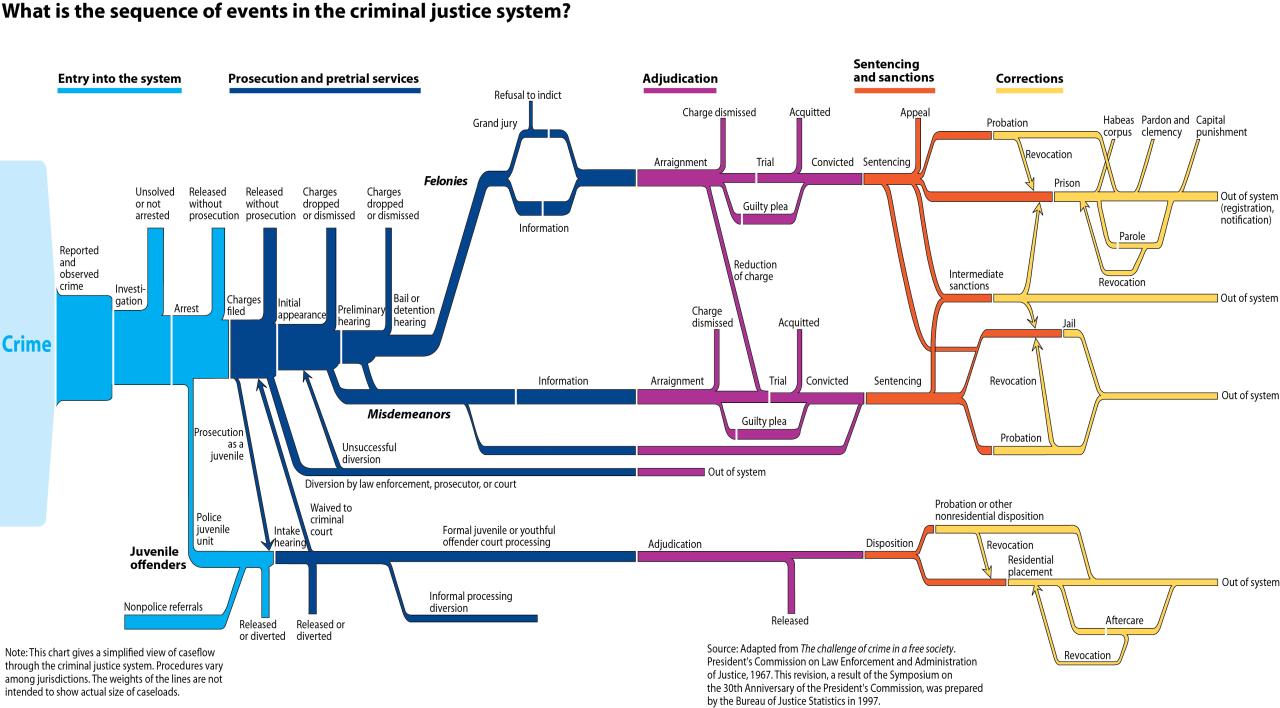
The potential criminal charges against former President Trump have ignited a national conversation about the future of justice in America. Legal experts weigh in on the implications of this case for the rule of law, the precedent it could set, and the importance of transparency in the justice system.
Implications for the Rule of Law
This case has the potential to profoundly impact the rule of law in the United States. The decision of whether or not to indict a former president will send a powerful message about the principle of equal justice under the law.
Legal experts believe that a failure to pursue charges, even if the evidence is strong, could erode public trust in the justice system and create a perception that powerful individuals are above the law. On the other hand, a successful prosecution could reaffirm the principle that no one is above the law, regardless of their position or power.
Outcome Summary
The road ahead is uncertain, but one thing is clear: the stakes are incredibly high. The decision to charge or not charge Trump will have lasting consequences for the rule of law and the future of American democracy. The weight of this moment rests on the shoulders of the Justice Department, and the eyes of the nation are watching to see how they choose to proceed.