
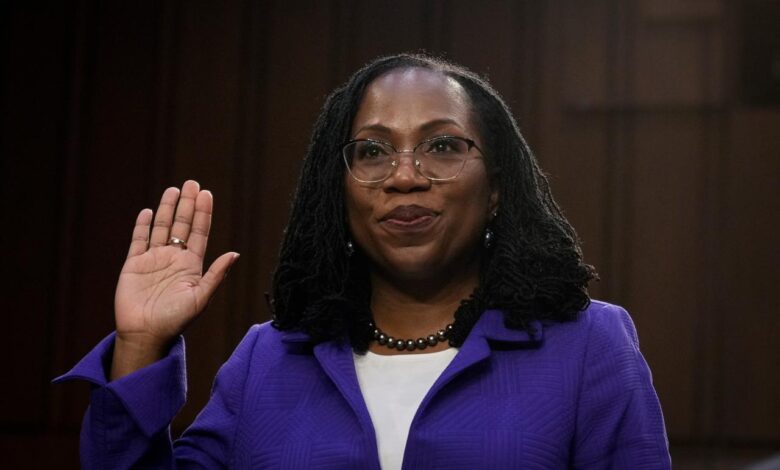
Ketanji Brown Jacksons Sentencing: Why Didnt Democrats Defend Her?
Ketanji brown jackson was right to use discretion on sentences why didnt democrats defend it – Ketanji Brown Jackson’s sentencing decisions, while controversial, sparked a debate about judicial discretion. Her critics argued that her sentences were too lenient, highlighting specific cases as examples. But were they right? Was Judge Jackson simply exercising her judicial discretion, a fundamental aspect of the justice system, or was there something more to it?
This debate raises crucial questions about the role of judges, prosecutors, and the political climate in shaping the public’s perception of justice.
The controversy surrounding Judge Jackson’s sentencing decisions brought to light the complex interplay between legal principles, political ideologies, and public opinion. Examining the arguments made by both her critics and supporters reveals a deeper understanding of the nuances of judicial discretion, the role of prosecutors, and the impact of sentencing decisions on public trust in the justice system.
The Context of Judge Jackson’s Sentencing Decisions
The controversy surrounding Judge Ketanji Brown Jackson’s sentencing decisions stems from claims that she was too lenient on certain defendants, particularly those convicted of child pornography offenses. This sparked debate about the appropriate balance between rehabilitation and punishment, particularly in cases involving sensitive crimes.
Specific Cases and Sentencing Decisions
The most frequently cited examples of Judge Jackson’s sentencing decisions that drew criticism involve cases of individuals convicted of child pornography offenses. These cases often involved defendants who possessed large amounts of child pornography, which is a serious crime with significant legal and social implications.
The whole Ketanji Brown Jackson debate got me thinking about the role of discretion in the legal system. It’s not just about following the letter of the law, but about applying it fairly and thoughtfully. Maybe that’s why I’m so drawn to stories like those in the 15 kid recommended books for diary of a wimpy kid fans list – they explore how even the smallest decisions can have big consequences.
It’s a good reminder that even in the world of legal precedent, there’s room for compassion and individual judgment.
- One such case involved a defendant who pleaded guilty to receiving and possessing child pornography. Judge Jackson sentenced the defendant to 18 months in prison, a sentence that some argued was too lenient given the severity of the crime.
- In another case, Judge Jackson sentenced a defendant who had been convicted of distributing child pornography to 24 months in prison. Critics argued that this sentence was too short, particularly considering the defendant’s history of child pornography offenses.
Arguments Against Judge Jackson’s Sentencing Decisions
Judge Jackson’s critics argue that her sentencing decisions in these cases were too lenient and did not adequately reflect the seriousness of the crimes. They contend that her focus on rehabilitation, while important, should not overshadow the need for appropriate punishment and deterrence.
They also point to the fact that these offenses often involve real victims, children who are deeply affected by the exploitation and abuse they suffer.
“Judge Jackson’s sentencing decisions are too lenient and do not adequately reflect the seriousness of the crimes.”
Critics of Judge Jackson
It’s frustrating to see the double standard in how Ketanji Brown Jackson’s use of discretion in sentencing is being treated. We need to remember that judges are human, and sometimes, the law doesn’t always account for the full complexity of a situation.
Reading about Andy Dunn’s struggle with mental health and how it impacted his company, the humbling of andy dunn how the bonobos co founders struggles with mental health almost upended him and his company , makes me wonder if we’re truly considering the whole person when we judge.
Jackson’s decisions were based on her understanding of the individual cases, and that’s something we should respect, not attack.
Critics further argue that her approach to sentencing undermines the efforts to protect children from exploitation and abuse. They fear that her leniency will send the wrong message to potential offenders, encouraging them to believe that they will face minimal consequences for their actions.
The Concept of Judicial Discretion
Judicial discretion plays a pivotal role in the sentencing process, allowing judges to tailor punishments to the unique circumstances of each case. This flexibility ensures that sentences are just and proportionate to the crime committed, considering the individual characteristics of the offender and the impact of the crime on the victim.
Sentencing Philosophies, Ketanji brown jackson was right to use discretion on sentences why didnt democrats defend it
Sentencing philosophies provide frameworks for judges to consider when determining appropriate punishments. These philosophies can be broadly categorized as either determinate or indeterminate sentencing.
- Determinate sentencing emphasizes fixed punishments for specific crimes, leaving little room for judicial discretion. This approach aims to ensure fairness and consistency in sentencing, reducing the potential for bias and disparity. However, critics argue that it can lead to overly harsh punishments, failing to consider individual circumstances and mitigating factors.
- Indeterminate sentencing allows judges to set a range of potential punishments, granting them greater flexibility to consider individual factors. This approach aims to tailor sentences to the unique circumstances of each case, promoting rehabilitation and individualized justice. However, critics argue that it can lead to inconsistencies and disparities in sentencing, as different judges may apply different standards.
Factors Considered in Sentencing
Judges consider a multitude of factors when determining appropriate sentences. These factors can be categorized as follows:
- Nature and Severity of the Crime:The gravity of the offense, the harm caused, and the potential for future harm are paramount considerations. For instance, a judge might impose a harsher sentence for a violent crime than for a non-violent offense.
- Criminal History:Prior offenses and the offender’s criminal record are crucial in assessing the likelihood of recidivism and the need for deterrence. A judge might impose a longer sentence on a repeat offender than on a first-time offender.
- Offender’s Background and Circumstances:Personal factors, such as age, mental health, education, and family situation, are considered to understand the offender’s motivations and potential for rehabilitation. A judge might impose a more lenient sentence on an offender with a troubled childhood or mental health issues.
- Victim Impact:The emotional and physical impact of the crime on the victim is a significant factor. Judges consider victim statements and the extent of the harm caused to ensure that the sentence reflects the severity of the crime’s impact.
- Sentencing Guidelines:Many jurisdictions have established sentencing guidelines to promote consistency and fairness. These guidelines provide a framework for judges to consider, but they are not always binding and judges may deviate from them based on the unique circumstances of the case.
The Role of the Prosecutor in Sentencing
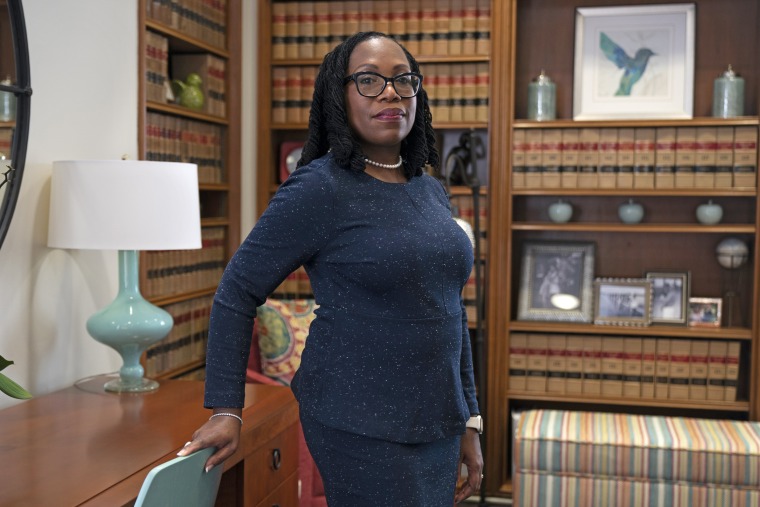
The prosecutor plays a crucial role in the sentencing process, influencing the outcome of criminal cases through their recommendations and actions. They are responsible for presenting the state’s case against the defendant, advocating for the interests of the public, and ensuring that justice is served.Prosecutors consider various factors when recommending sentences.
These factors include the nature of the crime, the defendant’s criminal history, the potential for rehabilitation, and the need to protect the community from further harm.
Factors Considered by Prosecutors
Prosecutors weigh several factors when recommending sentences, aiming for a just and appropriate outcome for the crime committed. These factors include:
- Nature and Severity of the Crime:The gravity of the offense is a primary consideration. Violent crimes typically warrant harsher sentences than non-violent ones.
- Defendant’s Criminal History:A history of prior offenses can significantly impact the recommended sentence. Repeat offenders often face more stringent penalties.
- Defendant’s Character and Background:Prosecutors assess the defendant’s personal circumstances, including their age, family background, employment history, and any mitigating factors that might influence the sentencing decision.
- Potential for Rehabilitation:The likelihood of the defendant successfully reintegrating into society and avoiding future criminal activity is a key factor. Prosecutors may recommend programs or interventions aimed at rehabilitation.
- Public Safety:Prosecutors consider the need to protect the community from further harm. In cases involving violent offenses or repeat offenders, they may advocate for longer sentences to ensure public safety.
- Victim Impact:The impact of the crime on the victim(s) is a significant consideration. Prosecutors may consider victim impact statements and the severity of the harm caused.
Potential for Bias or Political Influence
While prosecutors strive for impartiality, there is always a potential for bias or political influence to affect their sentencing recommendations.
- Personal Beliefs:Prosecutors, like all individuals, hold personal beliefs that may influence their decision-making. These beliefs can be shaped by their background, experiences, and political affiliations.
- Political Pressure:Prosecutors may face pressure from political leaders or special interest groups to pursue certain cases or advocate for specific outcomes. This pressure can influence their sentencing recommendations.
- Resource Constraints:Prosecutors often operate within limited resources, which can impact their ability to adequately investigate cases and develop appropriate sentencing recommendations.
- Disparities in Sentencing:Studies have shown that disparities in sentencing exist based on factors such as race, ethnicity, and socioeconomic status. These disparities raise concerns about potential biases in the prosecutorial system.
The Political Context of the Debate
The criticism of Judge Jackson’s sentencing decisions has been deeply intertwined with the political landscape, particularly during her confirmation hearings for the Supreme Court. This scrutiny has highlighted the partisan divide on issues of judicial discretion and the role of the judiciary in the criminal justice system.
The Political Context of the Debate
The debate surrounding Judge Jackson’s sentencing decisions has been heavily politicized. Republicans, particularly during her confirmation hearings, raised concerns about her sentencing record, alleging that she was too lenient on certain crimes, especially those related to child pornography. They argued that her decisions demonstrated a lack of understanding of the severity of these crimes and a disregard for the safety of children.
Democratic Arguments in Defense of Judge Jackson
Democrats, in turn, defended Judge Jackson’s sentencing record, arguing that she was simply applying the law and exercising her judicial discretion in a responsible manner. They emphasized that her decisions were consistent with the sentencing guidelines and that she had taken into account all relevant factors, including the defendant’s background, the nature of the crime, and the potential for rehabilitation.
Democrats also pointed out that Judge Jackson had been praised by her colleagues and that her record as a judge was one of fairness and impartiality.
Comparison of Democratic and Republican Positions on Judicial Discretion
The debate over Judge Jackson’s sentencing decisions reflects a broader political divide on the issue of judicial discretion. Republicans generally favor a more restrictive approach to judicial discretion, arguing that judges should follow the law strictly and that they should not be allowed to deviate from sentencing guidelines.
It’s baffling how the Democrats didn’t rally around Ketanji Brown Jackson’s use of discretion in sentencing. Maybe they were too busy trying to figure out how Airrack became the Elon Musk of YouTube, a story that’s been making waves online.
But back to Jackson, her approach to sentencing reflects a nuanced understanding of the justice system, and it’s something that deserves to be defended, not dismissed.
Democrats, on the other hand, tend to support a more flexible approach to judicial discretion, believing that judges should have the authority to consider the unique circumstances of each case and to tailor sentences accordingly.
The Impact of Sentencing Decisions on Public Perception
Sentencing decisions, as a crucial aspect of the justice system, have a profound impact on public perception. These decisions shape public trust in the judiciary and influence public discourse on crime and punishment. The way judges balance justice, rehabilitation, and deterrence in their sentencing decisions directly affects how the public views the fairness and effectiveness of the legal system.
The Influence of Sentencing Decisions on Public Trust
Public trust in the justice system is directly tied to the perceived fairness and consistency of sentencing decisions. When the public believes that sentences are handed down fairly and consistently, regardless of the background of the offender, trust in the system increases.
Conversely, when sentences are perceived as being arbitrary, discriminatory, or excessively harsh, public trust erodes. For example, the debate surrounding mandatory minimum sentences for certain offenses has highlighted concerns about the potential for racial bias and the lack of judicial discretion.
A study by the Sentencing Project found that mandatory minimum sentences disproportionately affect people of color, leading to a perception of unfairness and a loss of trust in the justice system.
The Importance of Transparency and Accountability: Ketanji Brown Jackson Was Right To Use Discretion On Sentences Why Didnt Democrats Defend It
Transparency and accountability are essential pillars of a fair and just legal system. In the context of sentencing, these principles ensure that judges’ decisions are not arbitrary, but rather grounded in a clear and consistent application of the law.
The Potential for Abuse of Discretion by Judges
The potential for abuse of discretion by judges is a serious concern. While judges have the authority to tailor sentences to individual circumstances, this discretion can be misused if not properly checked. This could lead to disparities in sentencing based on factors unrelated to the crime, such as the defendant’s race, gender, or socioeconomic status.
A Framework for Ensuring Transparency and Accountability in Sentencing Decisions
To mitigate the risk of abuse of discretion, a framework for ensuring transparency and accountability in sentencing decisions is crucial. This framework should encompass the following elements:
- Clear Sentencing Guidelines:Judges should be guided by clear and comprehensive sentencing guidelines that provide a framework for determining appropriate sentences based on the nature of the crime, the defendant’s criminal history, and other relevant factors. These guidelines should be regularly reviewed and updated to reflect changes in the law and societal norms.
- Public Access to Sentencing Information:The public should have access to information about sentencing decisions, including the reasons for the judge’s decision. This transparency allows for public scrutiny of the judicial process and helps to identify any potential patterns of bias or inconsistency.
- Mechanisms for Appeal:Defendants should have the right to appeal sentencing decisions they believe are unjust or unfair. This allows for a higher court to review the judge’s decision and ensure it is consistent with the law and sentencing guidelines.
- Independent Oversight:An independent body, such as a sentencing commission or judicial oversight committee, should be established to monitor sentencing practices and identify any potential issues. This body should have the authority to recommend changes to sentencing guidelines and policies.
Last Recap
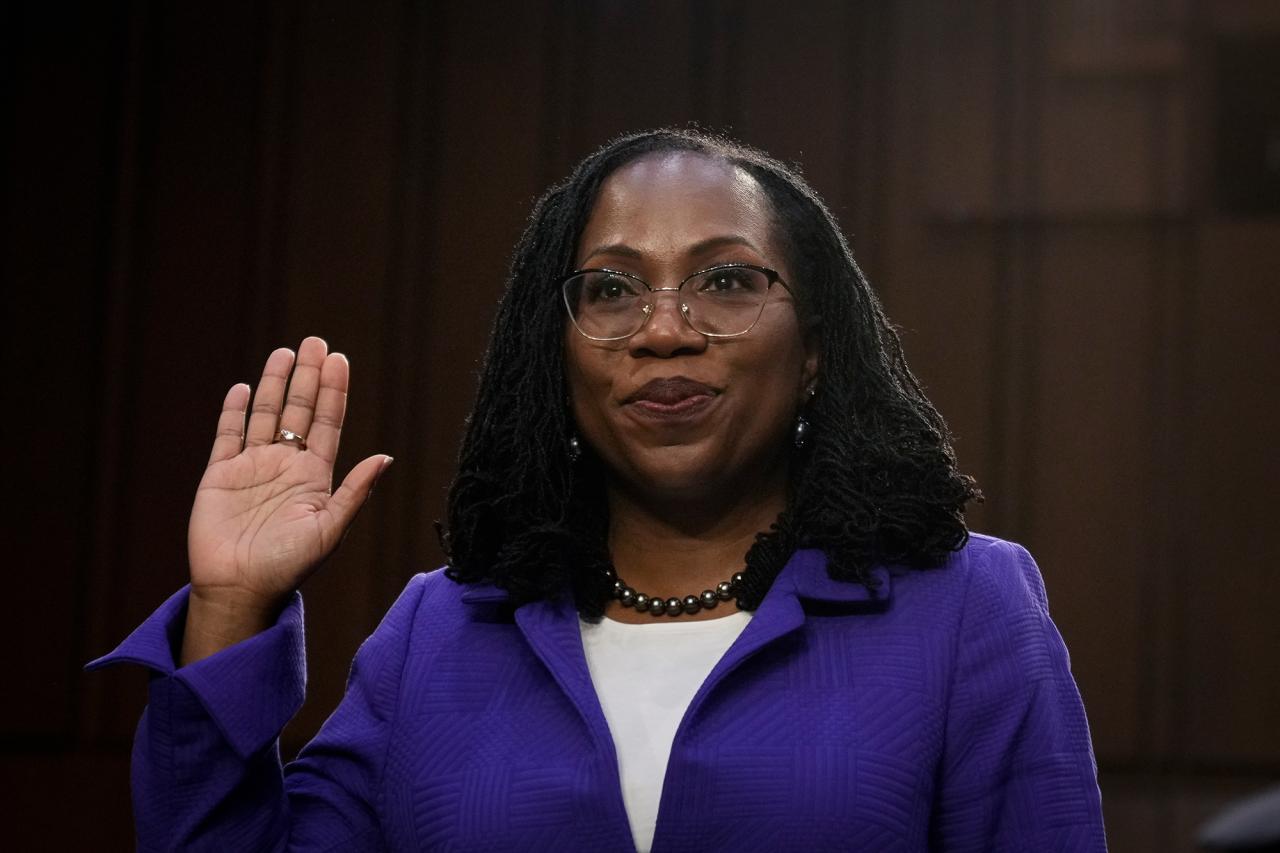
Ultimately, the debate surrounding Judge Jackson’s sentencing decisions highlights the need for transparency and accountability in the justice system. While judicial discretion is essential, its exercise must be guided by clear principles and subject to scrutiny. By fostering open dialogue and critical analysis of sentencing practices, we can work towards a more just and equitable system that balances the need for punishment with the pursuit of rehabilitation and restorative justice.