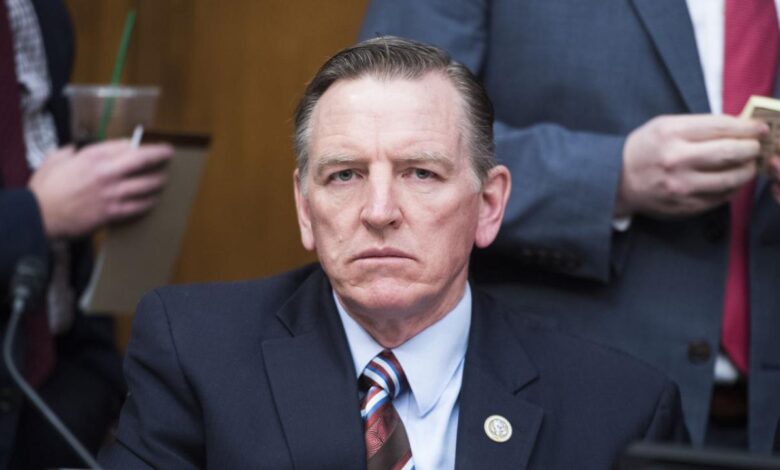
Judge Mulls Lawsuit to Remove Gosar, Biggs, and Finchem from Ballot
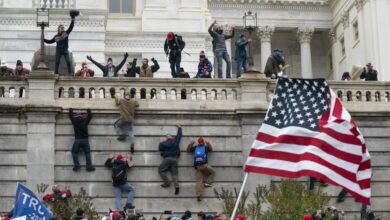
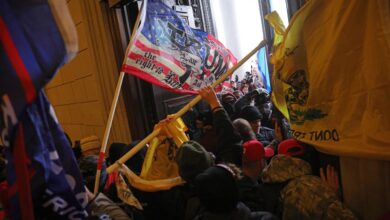
Judge mulls lawsuit seeking to kick rep paul gosar 2 others off ballot over capitol riot, a case that’s grabbing national attention. The lawsuit aims to remove Representatives Gosar, Biggs, and Finchem from the ballot, alleging their involvement in the January 6th Capitol riot disqualifies them from holding office.
The legal basis for the lawsuit rests on the 14th Amendment, which bars individuals who have engaged in insurrection from holding office. This case is raising crucial questions about the legal ramifications of the Capitol riot and the potential for disqualifying elected officials.
The plaintiffs argue that the representatives’ actions on January 6th directly violate the 14th Amendment and threaten the integrity of the democratic process. They cite the representatives’ speeches and actions as evidence of their participation in the insurrection. The defendants, on the other hand, counter that their actions were protected by the First Amendment and that the lawsuit is an attempt to silence their political views.
The judge must now decide whether the representatives’ actions meet the criteria for disqualification under the 14th Amendment.
Background of the Lawsuit
This lawsuit, filed in Arizona, seeks to disqualify Representatives Paul Gosar, Andy Biggs, and Mark Finchem from appearing on the ballot in the 2024 election. The legal basis for the lawsuit rests on the Fourteenth Amendment’s disqualification clause, which prohibits individuals who have engaged in insurrection or rebellion against the United States from holding public office.The lawsuit alleges that the three representatives participated in or supported the January 6th Capitol riot, a direct challenge to the peaceful transfer of power and a violation of their oaths to uphold the Constitution.
The plaintiffs argue that their actions disqualify them from holding office under the Fourteenth Amendment.
The judge’s decision on the lawsuit seeking to remove Rep. Paul Gosar and two others from the ballot over the Capitol riot will have far-reaching implications for American democracy. It’s a complex issue that requires careful consideration, much like the importance of effective teacher coaching in improving student outcomes.
A recent article in EdSurge, the science of coaching teachers edsurge news , highlights the critical role of professional development in enhancing teaching practices, and the lawsuit against Rep. Gosar underscores the need for robust democratic processes to safeguard our nation’s future.
The Role of the Arizona Secretary of State
The Arizona Secretary of State, Katie Hobbs, is a defendant in this lawsuit. The plaintiffs seek a court order instructing Hobbs to remove Gosar, Biggs, and Finchem from the ballot. The lawsuit claims that Hobbs has a duty to ensure that only qualified candidates are allowed to run for office.
The Secretary of State’s role is crucial in this case, as she ultimately oversees the administration of elections in Arizona.
The judge’s decision on the lawsuit seeking to remove Rep. Paul Gosar and two others from the ballot over their involvement in the Capitol riot is a crucial one, with implications for the future of American politics. It’s a reminder that even as the spotlight shifts to other controversies, like Eric Trump’s recent claims about his father’s relationship with Putin , the consequences of January 6th are still being felt.
This case, and others like it, will continue to shape the political landscape for years to come.
Arguments Presented by the Plaintiffs: Judge Mulls Lawsuit Seeking To Kick Rep Paul Gosar 2 Others Off Ballot Over Capitol Riot
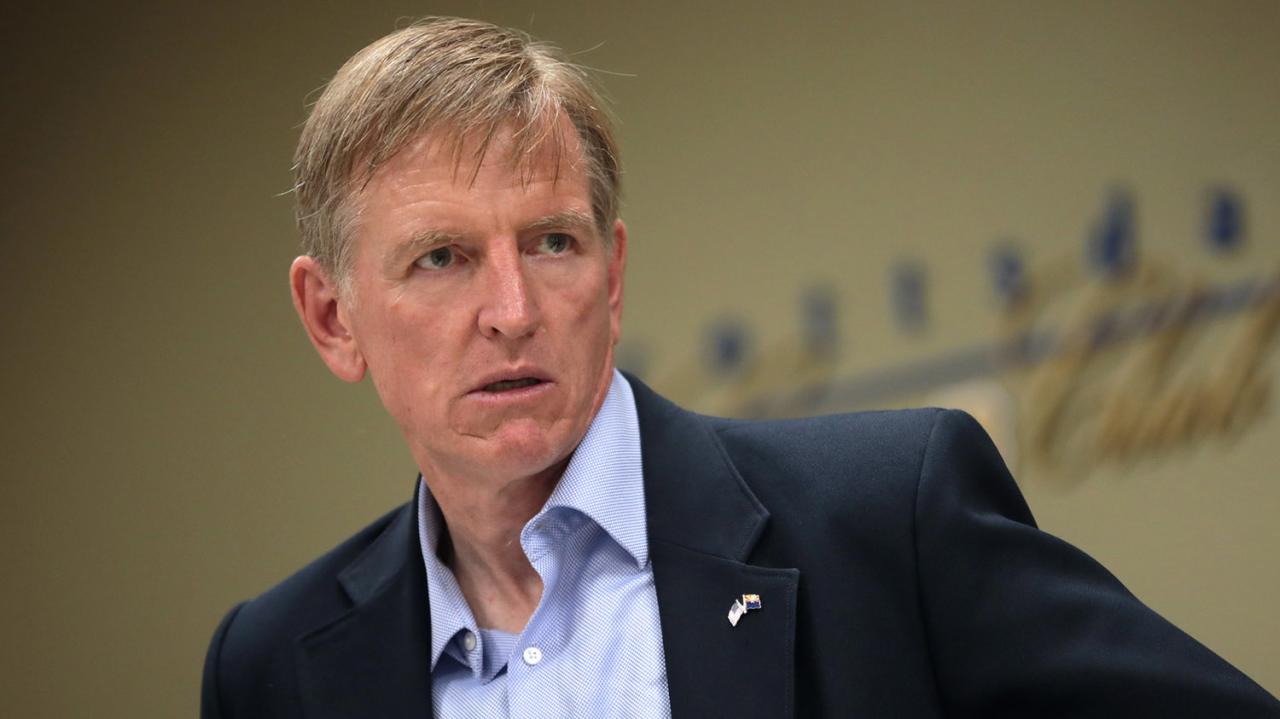
The plaintiffs, a group of Arizona voters, argue that Representatives Gosar, Biggs, and Finchem should be disqualified from the 2022 election based on their actions related to the January 6th Capitol riot. They claim that these actions violate election laws and pose a threat to American democracy.
The legal battle to remove Representatives Paul Gosar, Andy Biggs, and Marjorie Taylor Greene from the ballot continues, with a judge considering a lawsuit that alleges their involvement in the January 6th Capitol riot. This comes as Twitter remains committed to the Elon Musk deal, despite his antics , highlighting the contrasting approaches to accountability in different sectors.
The lawsuit against Gosar, Biggs, and Greene raises serious questions about the role of elected officials in a democracy, particularly in the aftermath of such a significant event.
Violation of the Fourteenth Amendment
The plaintiffs argue that the representatives’ actions violate the Fourteenth Amendment, specifically Section 3, which disqualifies individuals from holding office if they have engaged in insurrection or rebellion against the United States. They contend that the representatives’ participation in efforts to overturn the 2020 election results, including their involvement in the January 6th Capitol riot, constitutes an insurrection or rebellion.
Violation of the Arizona Constitution
The plaintiffs also argue that the representatives’ actions violate the Arizona Constitution, which prohibits individuals from holding office if they have engaged in conduct that undermines the integrity of elections. They point to the representatives’ efforts to overturn the 2020 election results, including their participation in the January 6th Capitol riot, as evidence of such conduct.
Threat to Democracy
The plaintiffs argue that the representatives’ actions pose a threat to American democracy. They contend that the representatives’ attempts to overturn the 2020 election results, including their participation in the January 6th Capitol riot, undermine the legitimacy of the democratic process and threaten the peaceful transfer of power.
Legal Precedents
The plaintiffs cite several legal precedents to support their claims. For example, they point to the case of United States v. Classic, where the Supreme Court ruled that individuals who engage in fraud or corruption in elections can be disqualified from holding office.
They also cite the case of Powell v. McCormack, where the Supreme Court ruled that Congress can disqualify a member based on the qualifications set forth in the Constitution.
Arguments Presented by the Defendants
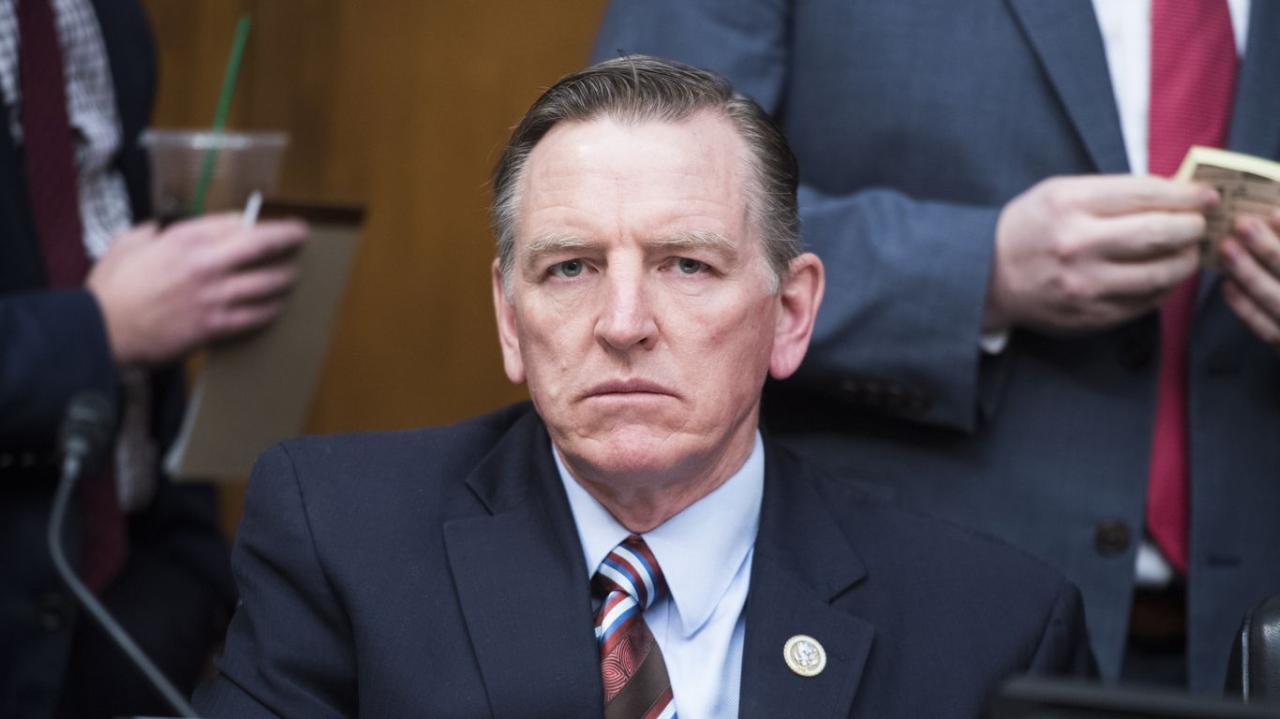
Reps. Gosar, Biggs, and Finchem, the defendants in the lawsuit seeking to remove them from the ballot, have mounted a robust defense against the allegations. Their arguments center around the constitutionality of the lawsuit, the lack of evidence linking them directly to the January 6th Capitol riot, and the potential for the lawsuit to infringe on their First Amendment rights.
Challenging the Lawsuit’s Validity
The defendants argue that the lawsuit is legally flawed, citing several key points.
- They contend that the plaintiffs lack standing to bring the lawsuit. Standing is a legal principle requiring a plaintiff to demonstrate a direct and personal injury caused by the defendant’s actions. The defendants argue that the plaintiffs have not proven that they have suffered any concrete harm as a result of the defendants’ actions.
- They also argue that the lawsuit violates the defendants’ First Amendment rights. They assert that the lawsuit attempts to punish them for their political speech and actions, which are protected under the First Amendment. They claim that the plaintiffs are seeking to silence their political opponents by using the legal system to remove them from the ballot.
Countering the Allegations
The defendants deny any involvement in the planning or execution of the January 6th Capitol riot. They argue that their actions were protected under the First Amendment and that they were exercising their right to peacefully assemble and protest. They claim that their participation in the “Stop the Steal” rally was not an attempt to overturn the election results but rather a legitimate exercise of their political rights.
Defending Their Actions
The defendants argue that their actions were motivated by a belief that the 2020 presidential election was fraudulent. They claim that they were acting in good faith based on the information available to them at the time. They assert that they did not participate in any violence or illegal activities during the January 6th Capitol riot.
Challenging the Evidence, Judge mulls lawsuit seeking to kick rep paul gosar 2 others off ballot over capitol riot
The defendants argue that the plaintiffs have failed to present sufficient evidence to support their allegations. They claim that the plaintiffs are relying on circumstantial evidence and speculation rather than concrete proof of their involvement in the Capitol riot. They point out that no evidence directly links them to the violence or illegal acts that occurred on January 6th.
End of Discussion
This lawsuit is a landmark case that could set a precedent for future challenges to candidates’ eligibility. The judge’s decision will have far-reaching implications for the upcoming election and the future of American democracy. The outcome of this case will likely influence how future legal challenges related to the January 6th Capitol riot are handled, potentially shaping the political landscape for years to come.