Jan 6 Committee Uses Navarros Election Claims to Argue Contempt
Jan 6 committee uses peter navarros own election plot boasts to argue contempt case – Jan 6 Committee Uses Navarro’s Election Claims to Argue Contempt sets the stage for this enthralling narrative, offering readers a glimpse into a story that is rich in detail and brimming with originality from the outset. The January 6th Committee’s investigation into the attack on the US Capitol continues to unfold, and one of its most recent targets is former Trump White House trade advisor Peter Navarro.
The committee alleges that Navarro deliberately ignored their subpoenas, a move they argue was motivated by his own efforts to overturn the 2020 election results.
Navarro’s defense hinges on his claim that he was acting in the best interest of the country by investigating potential election fraud. He maintains that his actions were protected by executive privilege, a claim that the committee disputes. This case is not just about a single individual, it delves into the heart of American democracy and the extent to which individuals can challenge the outcome of a free and fair election.
The Jan. 6 Committee’s Case Against Peter Navarro
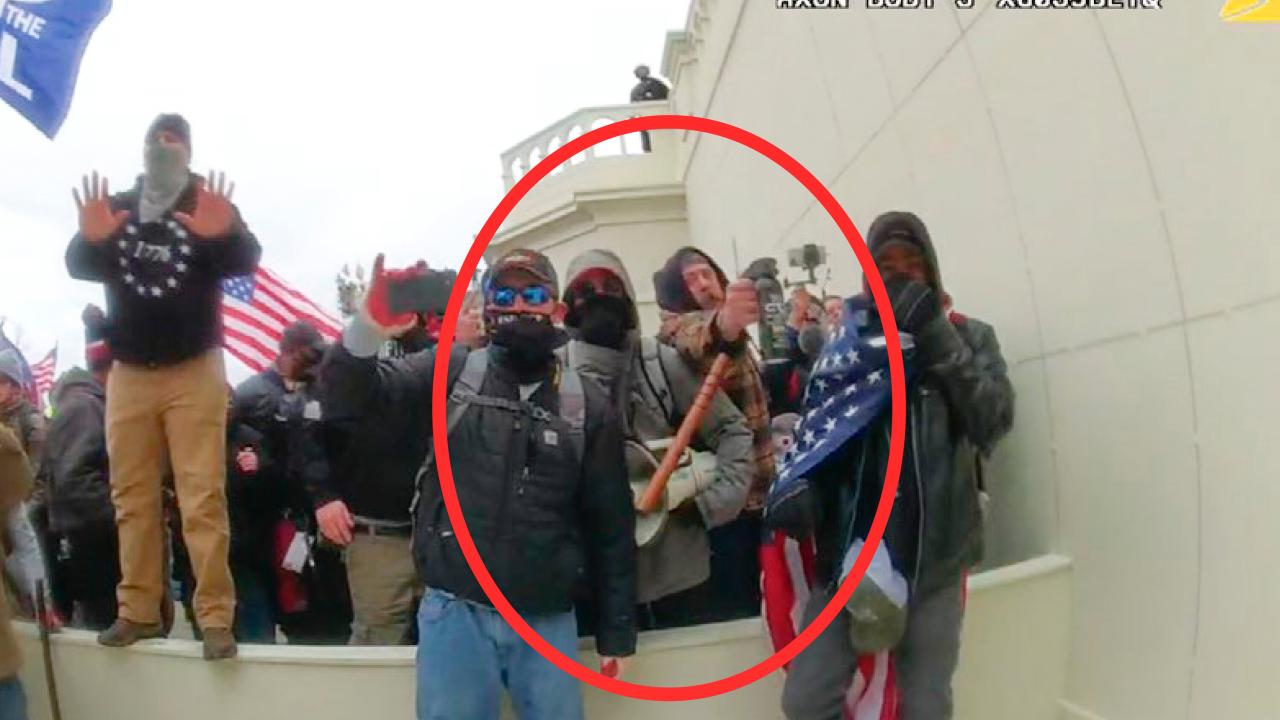
The January 6th Committee’s investigation into the attack on the U.S. Capitol included a focus on Peter Navarro, a former Trump administration official. The committee alleged that Navarro was deeply involved in efforts to overturn the 2020 presidential election results, and his refusal to cooperate with the investigation led to charges of contempt of Congress.
This blog post explores the committee’s case against Navarro, outlining the charges and evidence presented.
The Charges of Contempt of Congress
The January 6th Committee issued a subpoena to Navarro in February 2022, seeking his testimony and documents related to his role in the efforts to overturn the 2020 election. Navarro refused to comply, citing executive privilege and asserting that he was immune from congressional inquiry.
The Jan 6 committee is using Peter Navarro’s own election plot boasts to argue their contempt case, highlighting the lengths some went to overturn the 2020 election results. It’s a stark reminder of how fragile democracy can be, and how easily it can be threatened by those who believe they are above the law.
It makes you wonder if America almost took a different path toward abortion rights, had the outcome of the 2020 election been different. America almost took a different path toward abortion rights. The committee’s work is crucial in uncovering the truth and holding those responsible accountable.
It’s a reminder that we must be vigilant in protecting our democracy and ensuring that the rule of law prevails.
This defiance led to the committee referring him to the Department of Justice for criminal prosecution on charges of contempt of Congress.
Navarro’s Actions Alleged to Constitute Contempt
The committee’s report and testimony highlight specific actions by Navarro that they claim demonstrate his contempt of Congress:* Refusal to Appear for Testimony:Navarro declined to appear for a scheduled deposition with the committee, citing his assertion of executive privilege.
Refusal to Produce Documents
Navarro also refused to provide the committee with documents related to his involvement in the effort to overturn the election results.
Public Statements
Navarro made public statements about his role in the effort to overturn the election results, which the committee argued contradicted his claims of executive privilege.
Collaboration with Other Officials
The committee presented evidence that Navarro collaborated with other Trump administration officials in the effort to overturn the election results, including efforts to pressure state officials to change the outcome.
Evidence Supporting the Committee’s Claims
The committee presented a variety of evidence to support their claims against Navarro, including:* Testimony from Other Witnesses:The committee heard testimony from other witnesses who described Navarro’s involvement in the effort to overturn the election results.
Documents
The committee obtained documents that showed Navarro’s communication with other officials and his role in the effort to overturn the election results.
Navarro’s Own Writings
Navarro wrote a book and published articles about his role in the effort to overturn the election results, which the committee used to support their claims.
Public Statements
Navarro made numerous public statements about his involvement in the effort to overturn the election results, which the committee used to demonstrate his knowledge and intent.
Navarro’s “Election Plot” and His Defense
Peter Navarro, a former White House trade advisor, played a prominent role in the Trump administration’s efforts to challenge the results of the 2020 presidential election. He publicly asserted that the election was stolen and actively promoted unsubstantiated claims of widespread voter fraud.
His actions and statements are central to the January 6th Committee’s contempt case against him.
Navarro’s Claims and Actions
Navarro’s claims about an “election plot” are based on the belief that the election was rigged against Donald Trump. He has repeatedly asserted that there was widespread voter fraud, particularly in key battleground states. He also promoted conspiracy theories about voting machines and alleged foreign interference.
Navarro’s actions went beyond mere rhetoric. He was deeply involved in efforts to overturn the election results. He wrote a memo titled “Green Bay Sweep,” which Artikeld a strategy for challenging the election results in Congress. He also participated in meetings with Trump and other administration officials to discuss strategies for overturning the election.
The Committee’s Evidence
The January 6th Committee has presented significant evidence that contradicts Navarro’s claims and undermines his defense. The Committee has produced numerous witnesses who have testified that there was no evidence of widespread voter fraud. They have also presented evidence that Navarro’s claims were based on false information and conspiracy theories.
For example, the Committee has shown that Navarro’s claims about voting machines were based on unsubstantiated allegations. The Committee has also presented evidence that Navarro was aware that his claims were false but continued to promote them. The Committee’s evidence has been corroborated by independent investigations, including those conducted by state and federal election officials.
Navarro’s Defense
Navarro has defended his actions by claiming that he was acting in his official capacity as a White House advisor. He argues that he was simply trying to ensure that the election was conducted fairly and that the results were accurate.
He also claims that he was exercising his First Amendment right to free speech. Navarro’s defense is problematic for several reasons. First, his actions went far beyond simply expressing his opinions. He actively participated in efforts to overturn the election results.
Second, his claims were based on false information and conspiracy theories. Third, he was aware that his claims were false but continued to promote them. Navarro’s defense is unlikely to succeed in court. The January 6th Committee has presented overwhelming evidence that he was involved in a conspiracy to overturn the election results.
The Jan 6 committee is using Peter Navarro’s own boasts about his election plot to argue their contempt case, which feels like a strange loop of history repeating itself. It’s like when I was making my mother’s velvety sai bhaji the other day, I was struck by how much I missed my old life, the one before I became so engrossed in this political whirlwind.
while making my mothers velvety sai bhaji i grieved my former life But then I remember, this is the story we’re writing now, and the Jan 6 committee is just another chapter in it.
Navarro’s claims of acting in his official capacity and exercising his First Amendment rights are unlikely to shield him from the consequences of his actions.
The Legal Arguments in the Case
The January 6th Committee’s contempt case against Peter Navarro presents a crucial legal battleground, examining the scope of congressional power and the limits of executive privilege. This case hinges on the interplay between the legislative and executive branches, with the Committee asserting its right to investigate potential wrongdoing and Navarro claiming executive privilege as a shield against compelled testimony.
The Committee’s Arguments
The Committee’s primary argument rests on the fundamental principle of congressional oversight. They argue that Congress has the inherent power to investigate matters related to its legislative function, including potential criminal activity that may have interfered with the peaceful transfer of power.
The January 6th committee is using Peter Navarro’s own boasts about his election plot to argue their contempt case against him. It’s a fascinating example of how someone’s own words can be used against them, and it got me thinking about how we can all be more mindful of what we say and do.
Maybe we could all learn a thing or two from a Harvard researcher who suggests two simple mindset changes that can prevent a midlife crisis, like focusing on personal growth and embracing change. Regardless, Navarro’s case is a reminder that our words have power and can have lasting consequences, even if we don’t intend them to.
The Committee cites its broad authority under the Constitution’s Impeachment Clause and its inherent powers to conduct investigations, arguing that these powers extend to uncovering the truth behind the January 6th attack. They contend that Navarro’s refusal to comply with their subpoena obstructs their investigation, thereby hindering Congress’s ability to fulfill its constitutional duties.
Navarro’s Arguments
Navarro, on the other hand, relies on the doctrine of executive privilege, which shields certain communications between the President and his advisors from disclosure. He argues that his conversations with former President Trump fall under this privilege, claiming that they were related to confidential policy discussions and national security matters.
Navarro contends that the Committee’s subpoena seeks information that is protected by executive privilege, and that his refusal to comply is justified by the need to preserve the confidentiality of presidential communications.
The Scope of Congressional Power
The legal battle centers around the scope of congressional power to investigate matters related to the executive branch. The Committee asserts a broad interpretation of its investigative authority, arguing that it can probe any matter relevant to its legislative function, including potential criminal activity.
Navarro, however, argues for a narrower interpretation, contending that Congress’s power is limited to matters directly related to its legislative function and cannot intrude upon the executive branch’s prerogative.
The Nature of Contempt
The case also delves into the nature of contempt, which is a legal offense committed by an individual who defies a lawful order of a court or legislative body. Navarro’s refusal to comply with the Committee’s subpoena constitutes contempt, which carries potential legal consequences, including fines and imprisonment.
The Committee argues that Navarro’s actions constitute a clear and deliberate defiance of Congress’s authority, justifying a finding of contempt. Navarro, however, maintains that his refusal is justified by the invocation of executive privilege, arguing that he is not in contempt of Congress but rather exercising his right to protect confidential information.
The Wider Context of the Jan. 6 Investigation: Jan 6 Committee Uses Peter Navarros Own Election Plot Boasts To Argue Contempt Case
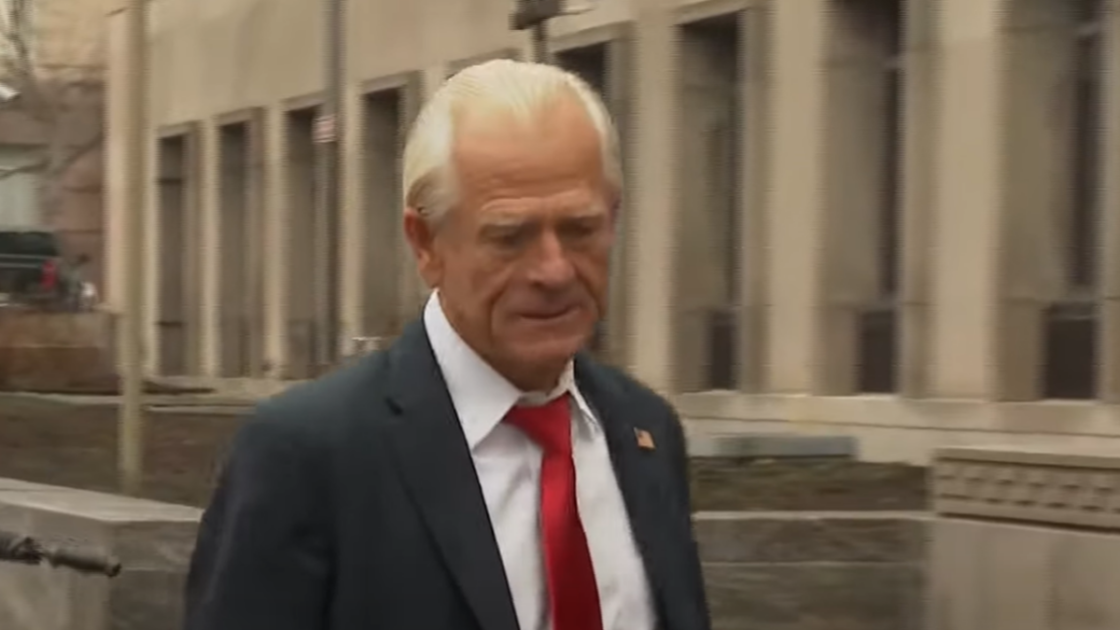
The Jan. 6 committee’s investigation into the attack on the U.S. Capitol has been a landmark event in American history, revealing a complex web of events that threatened the peaceful transfer of power. This investigation has gone beyond simply documenting the events of that day, it has delved into the motivations, plans, and actions of individuals who sought to overturn the results of the 2020 presidential election.
The Navarro case, while focusing on one individual, highlights the broader implications of the committee’s findings for the future of American democracy.
The Significance of the Jan. 6 Committee’s Investigation
The Jan. 6 committee’s investigation has been significant for several reasons. First, it has provided a comprehensive account of the events leading up to the attack on the Capitol, including the role of former President Donald Trump and his allies.
Second, the committee has exposed the extent to which Trump and his supporters attempted to overturn the results of the election, using a variety of tactics, including pressure on state officials, spreading misinformation, and inciting violence. Third, the committee’s work has highlighted the fragility of American democracy and the need to protect it from threats, both internal and external.
The Navarro Case in the Broader Context
The case against Peter Navarro, a former Trump advisor, illustrates the committee’s focus on individuals who played a role in the attempt to overturn the election. Navarro’s alleged efforts to undermine the election process, including his involvement in the “Green Bay Sweep” strategy, are directly relevant to the committee’s overall investigation.
The committee’s pursuit of Navarro highlights its commitment to holding accountable those who engaged in unlawful activities in an effort to subvert the will of the voters.
Implications for the Future of American Democracy, Jan 6 committee uses peter navarros own election plot boasts to argue contempt case
The Jan. 6 committee’s investigation has profound implications for the future of American democracy. The committee’s findings have exposed the vulnerabilities of the democratic system and the need to strengthen safeguards against future attacks. The committee’s work has also underscored the importance of public education about the dangers of misinformation and the need to hold those who spread it accountable.
The investigation has served as a wake-up call, reminding Americans of the importance of vigilance and participation in the democratic process.
Final Thoughts
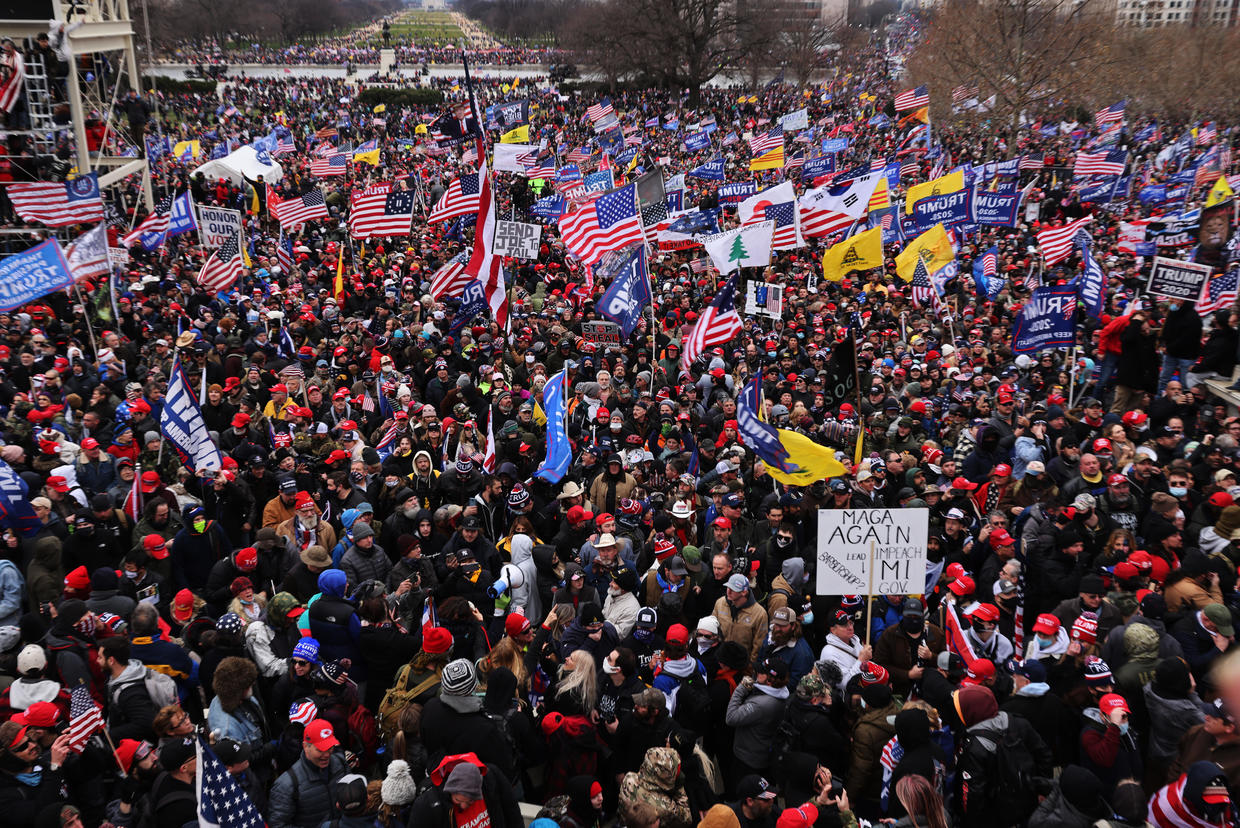
The Jan 6 committee’s case against Peter Navarro highlights the ongoing struggle to uphold democratic principles in the face of persistent claims of election fraud. This case has far-reaching implications for the future of American democracy, and the outcome could have a significant impact on how future investigations are conducted.
It’s a complex legal battle that forces us to confront the delicate balance between individual rights and the responsibilities of public officials. As the case progresses, we can expect to see further scrutiny of Navarro’s actions and the potential consequences for those who attempt to undermine the democratic process.