Is Russia Winning the Disinformation War in Ukraine?
Is Russia winning the disinformation war in Ukraine? This question has become increasingly relevant as the conflict enters its second year. With information flowing from multiple sources, it’s hard to discern truth from fiction. The internet has become a battleground for competing narratives, where governments, individuals, and even AI-powered bots wage war for hearts and minds.
This conflict is not just about bullets and bombs; it’s about shaping perceptions and influencing decisions. Both sides are using a range of tactics, from social media manipulation to state-controlled media, to sway public opinion. Understanding how disinformation operates and its impact on the conflict is crucial to navigating this complex information landscape.
Defining the Disinformation War
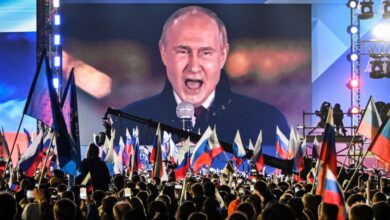
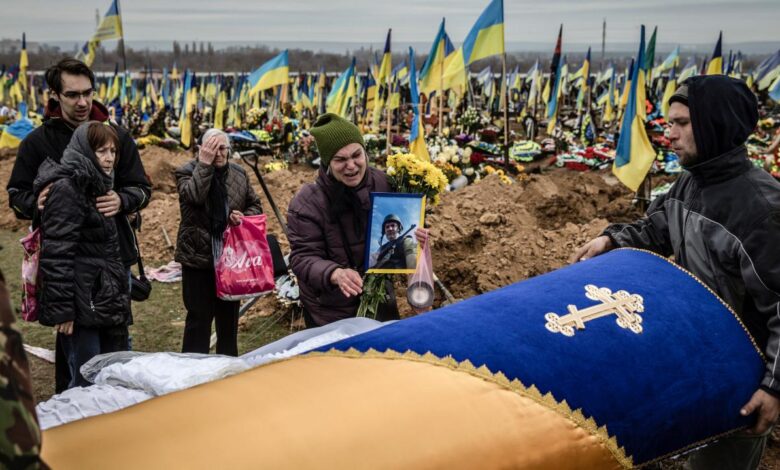
The Ukraine conflict has been characterized by a fierce “disinformation war,” where both sides engage in spreading false or misleading information to manipulate public opinion, influence decision-making, and undermine the other side’s narrative. This war of narratives, waged through various channels, has become a crucial aspect of the broader conflict, shaping public perception and impacting the course of events.
Key Actors Involved in Spreading Disinformation, Is russia winning the disinformation war in ukraine
The spread of disinformation in the Ukraine conflict is attributed to various actors, including:
- Government-controlled media outlets:Both Russia and Ukraine utilize state-controlled media outlets to disseminate their narratives and promote their respective perspectives. These outlets often present biased or one-sided information, serving as propaganda tools to influence domestic audiences and shape international perceptions.
- Pro-government social media accounts:Social media platforms have become fertile ground for the spread of disinformation. Pro-government accounts, often linked to state-backed actors, spread false narratives and manipulate public opinion through coordinated campaigns and the use of bots and trolls.
- Independent journalists and bloggers:While some independent journalists and bloggers strive to report objectively, others may be influenced by their own biases or may unwittingly spread disinformation due to a lack of fact-checking or verification.
- Foreign actors:External actors, such as other countries or non-governmental organizations, may also engage in disinformation campaigns, aiming to influence the conflict or advance their own interests.
Methods Used to Spread Disinformation
Disinformation is spread through various methods, including:
- Social media:Platforms like Twitter, Facebook, and Telegram have become key battlegrounds for the spread of disinformation. Social media’s reach, virality, and lack of robust fact-checking mechanisms make it a powerful tool for disseminating false information.
- State-controlled media:Government-controlled television channels, radio stations, and news websites often present biased or fabricated information, serving as propaganda tools to manipulate public opinion and advance their narratives.
- Propaganda:The use of propaganda techniques, such as emotional appeals, fear-mongering, and repetition, is common in disinformation campaigns. These techniques aim to influence public opinion and create a sense of urgency or fear.
- Deepfakes:Advancements in artificial intelligence have enabled the creation of deepfakes, realistic videos that depict individuals saying or doing things they never actually did. These deepfakes can be used to spread disinformation and undermine trust in credible sources.
- Leakage of fabricated documents:Fabricated documents, such as leaked emails or reports, can be used to spread disinformation and create the illusion of evidence supporting a particular narrative.
Closing Summary: Is Russia Winning The Disinformation War In Ukraine
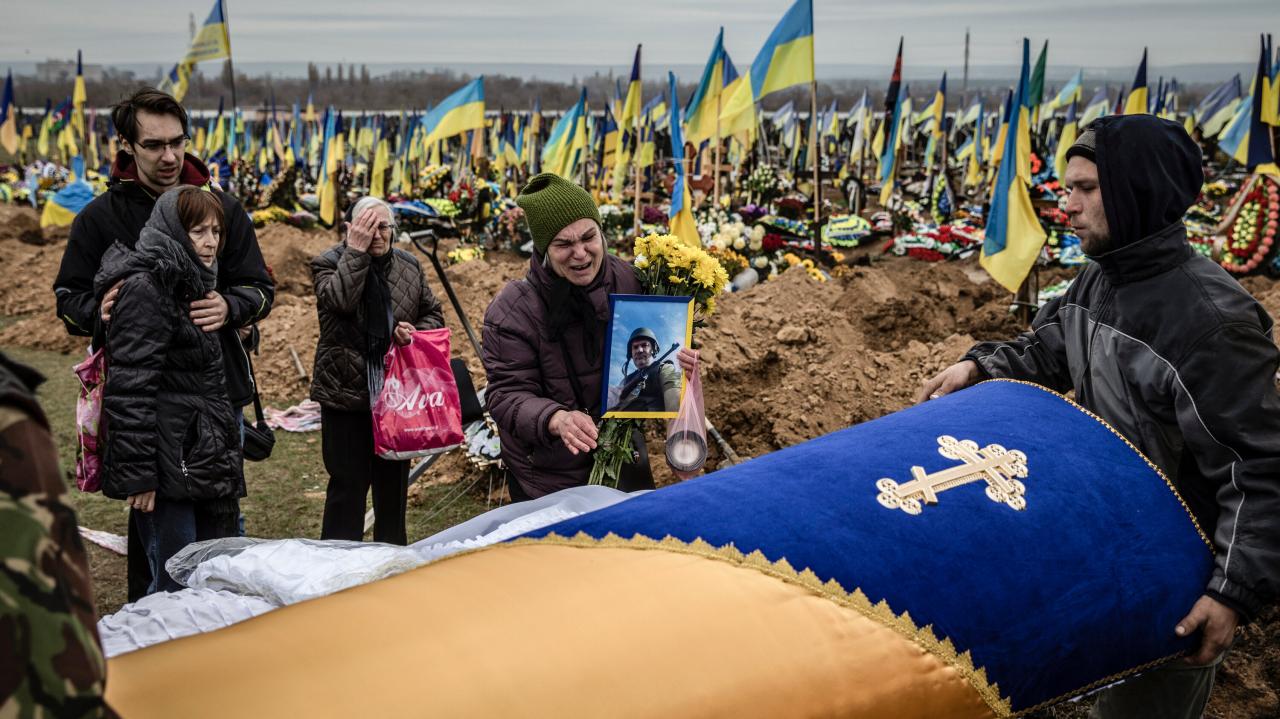
The war in Ukraine is a stark reminder of the power of disinformation in the digital age. While Russia has undoubtedly employed sophisticated tactics to spread its narrative, counter-disinformation efforts are also gaining traction. The fight against disinformation is ongoing, and it requires vigilance, critical thinking, and a commitment to truth.
As we navigate this complex world of information, we must remain skeptical, verify sources, and be aware of the potential for manipulation. The future of this conflict, and perhaps the future of democracy itself, may depend on it.
It’s hard to say definitively whether Russia is “winning” the disinformation war in Ukraine. The impact of their propaganda on global opinion is undeniable, and their success in manipulating narratives is certainly a factor in the ongoing conflict. But to understand the broader context, it’s crucial to consider the global economic landscape, which is why I found this article on analysis why japans yen is the weakest in 20 years and what that means particularly interesting.
The yen’s weakness is a symptom of a global economic shift that’s influencing how countries respond to conflict and misinformation, which in turn affects the outcome of the information war.
It’s hard to say if Russia is winning the disinformation war in Ukraine, but the constant barrage of propaganda and misinformation certainly muddies the waters. And it’s not just Russia – the recent investigation into a retired general who was allegedly lobbying for Qatar without disclosing it, as reported on this blog , shows how easily foreign influence can creep into the information landscape.
Ultimately, the success of any disinformation campaign depends on how effectively people can discern truth from fiction, and that’s a battle fought on many fronts.
It’s hard to say if Russia is winning the disinformation war in Ukraine, but it’s clear that misinformation is a major weapon in the conflict. The spread of false information can be just as damaging as physical attacks, and it’s crucial to be critical of what we see online.
On a more positive note, the news that digital health platform Parallel Learning has secured $20 million in Series A funding to help students with learning differences is a welcome development. It’s important to remember that even in times of crisis, there are people working to create a better future.
The fight against disinformation is a long one, but it’s one we must win if we want to build a world based on truth and understanding.