Winning in China, Losing Elsewhere: The Global Trade-Off
For companies winning in china now means losing somewhere else – Winning in China, Losing Elsewhere: The Global Trade-Off sets the stage for this enthralling narrative, offering readers a glimpse into a story that is rich in detail and brimming with originality from the outset. As businesses race to capture the lucrative Chinese market, a critical question emerges: is success in China a zero-sum game?
Is it possible to dominate the world’s second-largest economy without sacrificing gains elsewhere? This article explores the intricate web of economic and geopolitical forces that are shaping the global business landscape, examining the potential costs and benefits of prioritizing China.
The rise of China as a global economic powerhouse has undeniably attracted businesses from all corners of the world. The country’s vast consumer base, rapid growth, and ambitious infrastructure projects offer unprecedented opportunities for companies seeking to expand their reach.
However, this focus on China comes with a price tag. As companies pour resources into the Chinese market, they may find themselves neglecting other regions, potentially jeopardizing their global brand strategies and long-term sustainability.
The Cost of Success in China

China’s vast market and rapid growth have attracted numerous companies seeking to capitalize on its economic potential. However, achieving success in China comes with a significant cost, often involving trade-offs and potential consequences for global brand strategies.
The Trade-offs of Focusing on the Chinese Market
Companies must carefully consider the potential trade-offs when prioritizing the Chinese market. Focusing resources on China might mean neglecting other markets, potentially leading to missed opportunities and decreased market share elsewhere. Additionally, adapting products and services to meet the specific demands of the Chinese market can lead to increased production costs and complexities in managing global supply chains.
Impact on Other Markets
Prioritizing the Chinese market can significantly impact a company’s global brand strategy. Companies might face challenges in balancing their global brand image with the unique requirements of the Chinese market. For example, a company might need to adjust its messaging or product offerings to cater to Chinese consumer preferences, potentially alienating customers in other markets.
This can lead to brand confusion and a diluted brand identity.
Ethical Considerations and Potential Backlash
Companies must be mindful of the ethical implications of prioritizing one market over others. Critics might argue that companies are contributing to the exploitation of workers or environmental degradation in China by focusing their efforts on this market. Additionally, companies might face backlash from consumers in other markets who feel neglected or perceive the company as favoring China over their own country.
Examples of Companies Facing Trade-offs, For companies winning in china now means losing somewhere else
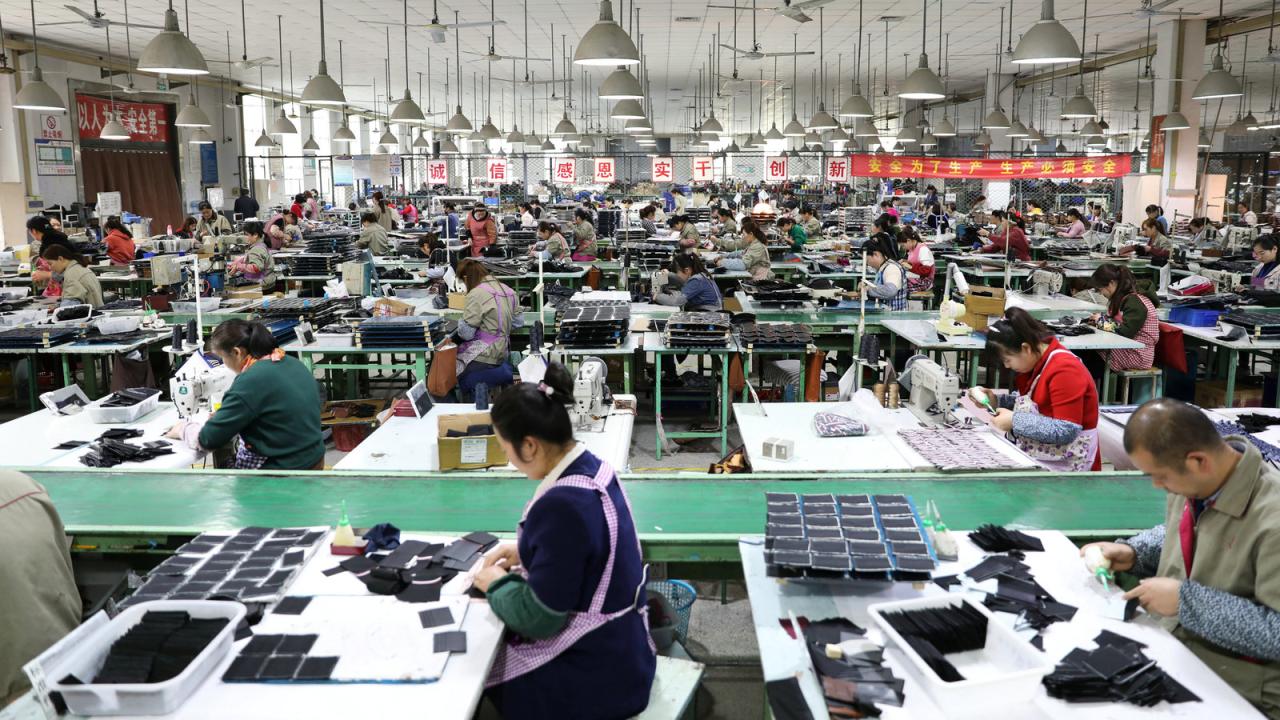
Several companies have faced trade-offs when prioritizing the Chinese market. For example, Apple has been criticized for its reliance on Chinese manufacturing, which has raised concerns about labor practices and environmental sustainability. Similarly, companies like Starbucks have faced criticism for tailoring their products and marketing to the Chinese market, potentially alienating customers in other countries.
Closing Notes: For Companies Winning In China Now Means Losing Somewhere Else
Navigating the complexities of global expansion requires a delicate balance. Companies must carefully weigh the potential benefits of China’s market against the risks of neglecting other regions. By embracing a multi-pronged approach that prioritizes long-term growth over short-term gains, businesses can position themselves for success in an increasingly interconnected world.
The key lies in understanding the unique dynamics of each market, adapting strategies accordingly, and fostering a global mindset that prioritizes sustainable growth across all regions.
It’s a global game of chess, and companies winning in China are often doing so at the expense of other markets. This isn’t just a business strategy, it’s a reflection of shifting power dynamics. Take a look at analysis a historic northern ireland election but the u k remains intact , where political realignment impacts the business landscape.
Ultimately, the success of one region often comes at the cost of another, highlighting the interconnectedness of the global economy.
It’s a strange world we live in, where companies winning in China now means losing somewhere else, and where someone like Alex Jones can be held accountable for spreading lies about the Sandy Hook shooting, as seen in the ongoing damages trial.
It’s a reminder that even in a globalized world, choices have consequences, and sometimes those consequences are felt far beyond the immediate impact.
It’s a global game of chess, and for companies winning in China now means losing somewhere else. The race for innovation is fierce, and new technologies are emerging at a rapid pace. One exciting development is the creation of new ionogels that are tough, stretchable, and easy to make.
These materials have the potential to revolutionize industries like electronics and healthcare, but their impact could also shift the balance of power in the global marketplace. As companies scramble to adopt these new technologies, we’re likely to see a reshuffling of the playing field, with some players gaining an edge while others fall behind.