
How to Make Smart Decisions About COVID Risk & Benefit
How to make smart decisions about covid risk benefit – How to make smart decisions about COVID risk and benefit sets the stage for this enthralling narrative, offering readers a glimpse into a story that is rich in detail and brimming with originality from the outset. Navigating the COVID-19 pandemic has become a constant balancing act, requiring us to weigh the potential risks of infection against the benefits of our daily activities.
This guide aims to empower you with the knowledge and tools needed to make informed decisions that prioritize your well-being and protect those around you.
From understanding the different ways COVID-19 spreads to assessing your personal risk factors, we’ll explore the key elements that influence your decision-making process. We’ll delve into the benefits of vaccination and other preventive measures, providing a comprehensive framework for weighing the risks and benefits of various situations.
Understanding COVID-19 Risk
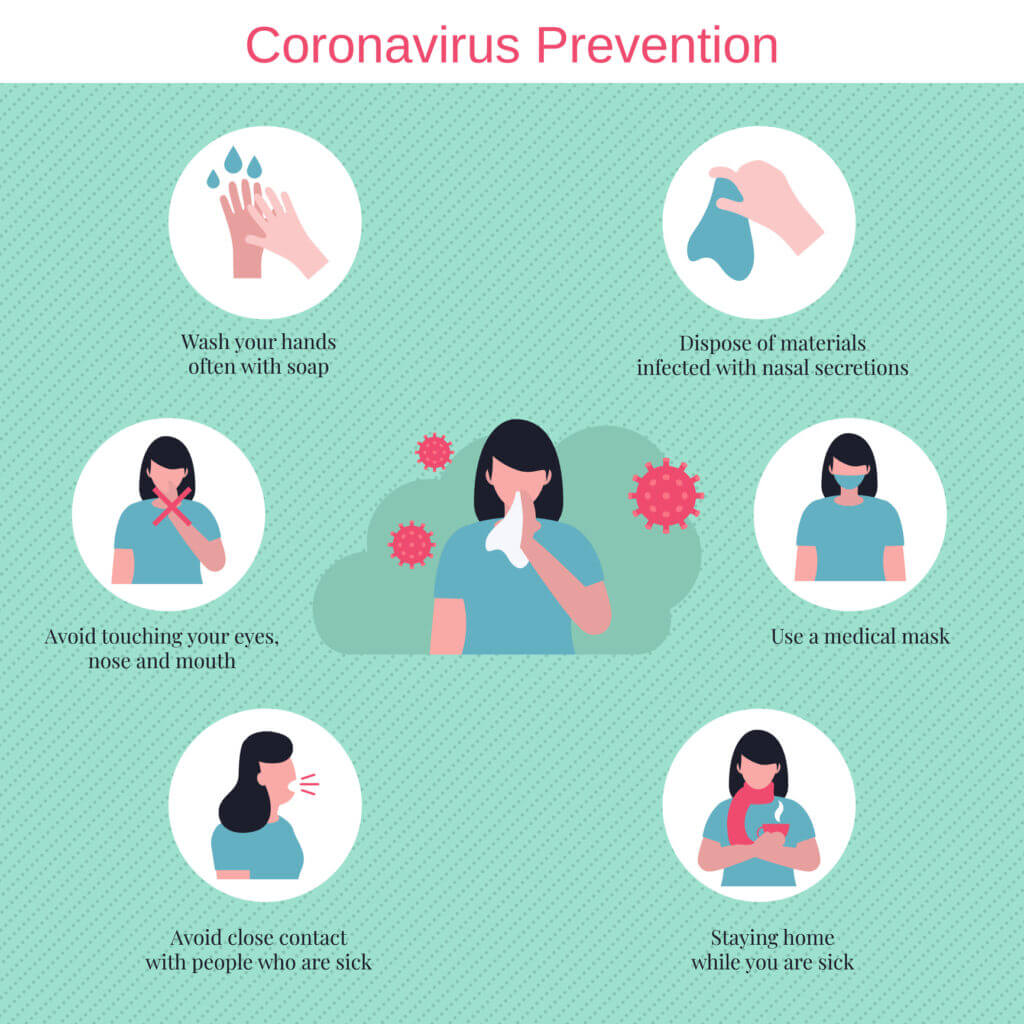
Making smart decisions about COVID-19 risk requires a clear understanding of how the virus spreads, the factors that influence your individual risk, and the potential consequences of infection.
Navigating the COVID-19 world requires a careful balance of risk and benefit. Sometimes, the safest choice is to limit in-person interactions, and that’s where online teaching comes in. The flexibility and accessibility of online platforms, as described in this article about what’s so great about online teaching , make it a great option for learning while minimizing risk.
By weighing the benefits of staying informed and connected against the potential risks, we can make smart decisions about our well-being.
How COVID-19 Spreads, How to make smart decisions about covid risk benefit
The primary way COVID-19 spreads is through respiratory droplets released when an infected person coughs, sneezes, talks, or sings. These droplets can travel up to six feet and land in the mouths or noses of people nearby, or possibly be inhaled into the lungs.
Weighing the risks and benefits of COVID-19 is a personal decision, and it’s important to consider your own health, lifestyle, and comfort levels. Sometimes, it’s helpful to take a step back and ask yourself, “Would Tom Hanks do this?” It’s a playful way to tap into the emotional intelligence that allows us to make informed decisions about what truly matters, just like the way emotionally intelligent people use the “Tom Hanks Rule” to prioritize their time and energy, as outlined in this great article: how emotionally intelligent people use the tom hanks rule to get more out of work and life.
By considering what’s truly important, we can make informed choices about how to navigate the challenges of a pandemic.
- Direct Contact:Coming into close contact (within six feet) with an infected person, especially for prolonged periods.
- Indirect Contact:Touching contaminated surfaces or objects (like doorknobs, phones, or keyboards) and then touching your own mouth, nose, or eyes.
- Airborne Transmission:The virus can remain suspended in the air for longer periods, especially in poorly ventilated indoor spaces, and infect people further than six feet away. This is particularly relevant for activities like singing, shouting, or exercising, which generate more aerosols.
Weighing the risks and benefits of COVID-19 precautions is a personal decision, just like deciding how to navigate a world where the Supreme Court ruling could soon make gun safety laws even weaker. It’s about understanding the potential consequences of your choices and making informed decisions that align with your values and priorities.
Just as we grapple with the implications of this ruling, we must also continue to learn and adapt to the evolving nature of the pandemic.
Factors Influencing Individual Risk
Several factors influence an individual’s risk of contracting COVID-19.
- Age:Older adults are at higher risk of severe illness from COVID-19.
- Underlying Health Conditions:People with certain health conditions, such as heart disease, lung disease, diabetes, or weakened immune systems, are at increased risk of severe illness.
- Vaccination Status:Vaccination significantly reduces the risk of infection, hospitalization, and death from COVID-19.
- Exposure Level:The number of people you interact with and the frequency of close contact with others influence your risk. Spending time in crowded, poorly ventilated spaces increases exposure.
- Community Transmission Levels:The level of COVID-19 transmission in your area significantly impacts your risk. When transmission is high, even those with lower individual risk factors are more likely to be exposed.
Symptoms and Severity of COVID-19
COVID-19 symptoms can range from mild to severe.
- Mild Symptoms:Common symptoms include fever or chills, cough, shortness of breath or difficulty breathing, fatigue, muscle or body aches, headache, new loss of taste or smell, sore throat, congestion or runny nose, nausea or vomiting, diarrhea.
- Severe Symptoms:Severe symptoms include difficulty breathing, persistent pain or pressure in the chest, new confusion, inability to wake up or stay awake, bluish lips or face.
- Long COVID:Some individuals experience long-term health problems after COVID-19 infection, even if their initial illness was mild. These symptoms can include fatigue, brain fog, difficulty breathing, and others, and can persist for months.
Assessing Personal Risk Factors
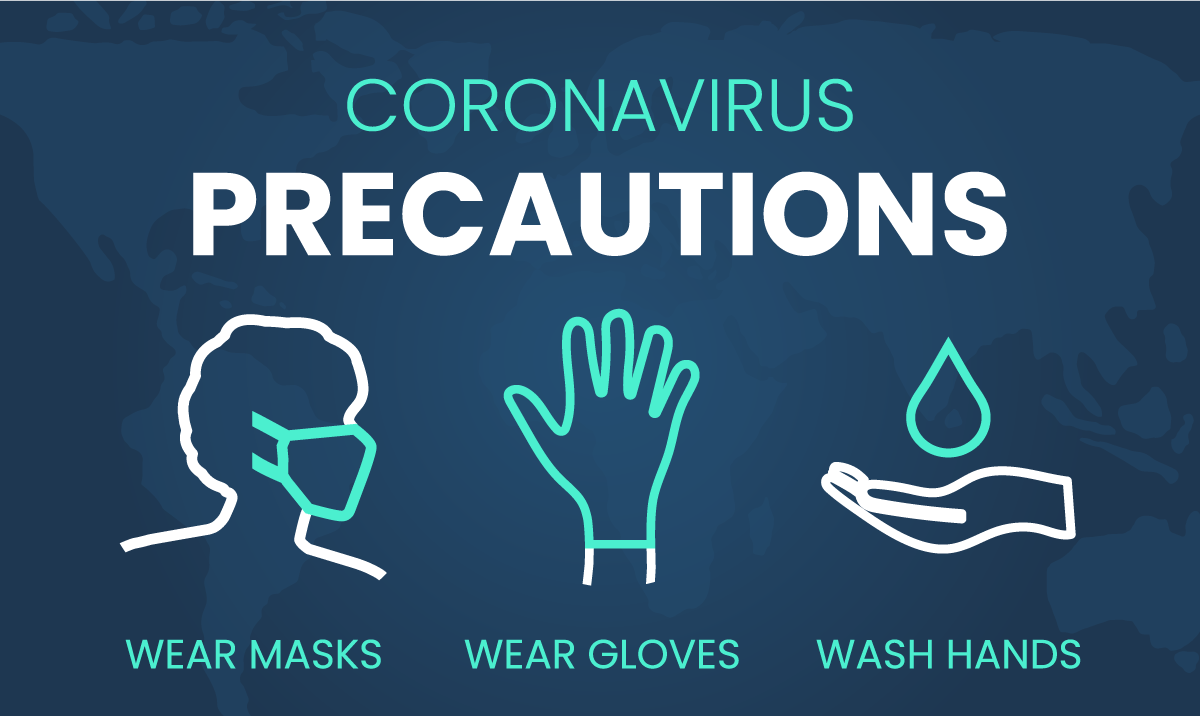
Understanding your individual risk factors for COVID-19 is crucial for making informed decisions about your health and safety. This involves evaluating your own circumstances and how they might influence your susceptibility to the virus.
Factors Influencing Individual Risk
Personal risk factors encompass a range of elements that can increase your likelihood of contracting COVID-19 or experiencing severe illness. These factors can be broadly categorized into:
- Age: Older adults, particularly those over 65, are more vulnerable to severe COVID-19 complications. The immune system naturally weakens with age, making it harder to fight off infections.
- Underlying Health Conditions: Individuals with pre-existing health conditions, such as heart disease, diabetes, chronic lung disease, and weakened immune systems, are at increased risk of severe COVID-19. These conditions can compromise the body’s ability to respond effectively to the virus.
- Lifestyle Choices: Certain lifestyle factors, such as smoking, obesity, and excessive alcohol consumption, can weaken the immune system and increase susceptibility to COVID-19. These habits can also contribute to the severity of the illness.
Evaluating Personal Risk
To assess your personal risk level, consider the following steps:
- Identify Existing Health Conditions: Make a list of any chronic health conditions you have, including cardiovascular disease, diabetes, lung disease, or autoimmune disorders. If you have any doubts, consult your healthcare provider for a comprehensive assessment.
- Evaluate Lifestyle Factors: Reflect on your lifestyle habits, including smoking, alcohol consumption, physical activity levels, and diet. If you engage in any unhealthy practices, consider making changes to improve your overall health and reduce your risk.
- Assess Your Social Interactions: Consider the frequency and nature of your social interactions. Do you regularly interact with large groups of people? Do you work in a high-contact environment? Understanding your social exposure helps gauge your risk of encountering the virus.
- Stay Informed About Local Conditions: Monitor the COVID-19 situation in your area, including case counts, hospitalizations, and vaccination rates. This information can provide insights into the current level of community transmission and help you make informed decisions about your activities.
Final Review: How To Make Smart Decisions About Covid Risk Benefit
Making informed decisions about COVID-19 risk isn’t about eliminating all risk, it’s about making choices that align with your values and comfort levels. By understanding the factors at play and utilizing the resources available, you can navigate the pandemic with greater confidence and make choices that best protect your health and well-being.
Remember, staying informed, adapting to evolving circumstances, and seeking support when needed are crucial steps in this ongoing journey.