Ukraine Armed: 17,000 Anti-Tank Weapons & Cybercorps
Arming ukraine 17000 anti tank weapons in 6 days and a clandestine cybercorps – Ukraine Armed: 17,000 Anti-Tank Weapons & Cybercorps – the headlines screamed, and the world watched in disbelief as a nation, seemingly outmatched, received a surge of firepower and digital warfare capabilities. This rapid deployment of anti-tank weaponry, delivered in a matter of days, was a bold move, and the introduction of a clandestine cybercorps added a new dimension to the conflict.
The implications of this unprecedented support are far-reaching, impacting not only the battlefield but also the future of warfare itself.
The sheer scale of the weapons delivery – 17,000 anti-tank weapons in six days – is staggering. This massive influx of weaponry, coupled with the emergence of a cybercorps, has shifted the balance of power, giving Ukraine a significant advantage.
The potential impact on the conflict is undeniable, with the possibility of a prolonged and more complex war. This scenario raises crucial questions about international response, the ethics of warfare, and the role of technology in shaping the future of conflicts.
The Significance of Anti-Tank Weapons
The delivery of 17,000 anti-tank weapons to Ukraine in a mere six days represents a significant strategic shift in the conflict. This influx of weaponry is poised to dramatically alter the battlefield dynamics, empowering Ukrainian forces to effectively counter Russian armor and potentially shift the tide of war.The effectiveness of anti-tank weapons hinges on their ability to neutralize armored vehicles, which are typically employed by militaries to achieve tactical and strategic objectives.
These weapons, ranging from portable launchers to sophisticated guided missiles, can be categorized into different types, each possessing unique capabilities and strengths.
Effectiveness of Different Anti-Tank Weapons
The effectiveness of anti-tank weapons is determined by various factors, including the type of weapon, the range of engagement, the target’s armor thickness, and the user’s skill.
- Rocket-Propelled Grenades (RPGs): RPGs are widely used, portable weapons that launch high-explosive anti-tank warheads. They are relatively inexpensive, easy to use, and effective against lightly armored vehicles. However, their accuracy and range are limited, making them less effective against heavily armored targets or at longer distances.
It’s incredible how quickly the West mobilized to support Ukraine, sending over 17,000 anti-tank weapons in just six days, along with a clandestine cybercorps. It makes you wonder, if the West can move that fast, why did Warren Buffett and Charlie Munger seem to miss the potential of BYD, a company that’s been quietly revolutionizing the electric vehicle market?
analysis did buffett and munger see byds one problem Perhaps the answer lies in the way we frame our thinking about innovation and the speed at which the world is changing. The Ukrainian conflict shows that when the stakes are high, we can move with remarkable agility, and that same spirit of innovation should be applied to all aspects of our lives, including investing in the future.
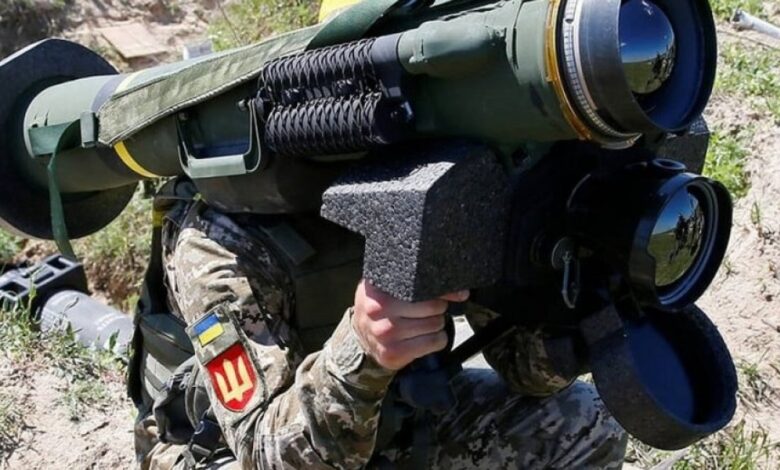
- Anti-Tank Guided Missiles (ATGMs): ATGMs are more sophisticated weapons that employ guidance systems to hit their targets with greater precision. They can engage targets at longer ranges and penetrate thicker armor than RPGs. Examples include the Javelin and NLAW, both of which have proven highly effective in Ukraine.
- High-Explosive Anti-Tank (HEAT) Rounds: HEAT rounds are fired from conventional weapons like rifles or cannons. They use a shaped charge to create a focused jet of molten metal that penetrates armor. HEAT rounds are effective against a variety of targets, but their effectiveness decreases with distance.
The speed at which Ukraine was armed with 17,000 anti-tank weapons in just six days, coupled with the emergence of a clandestine cybercorps, speaks volumes about the global response to the crisis. This level of mobilization is remarkable, but it’s a stark contrast to the views expressed by some, like the GOP congressional candidate who believes abortion is a human sacrifice to demons, as reported in this recent article.
While the world rallies to support Ukraine, it’s important to acknowledge the deeply divisive rhetoric surrounding such sensitive issues, which can further complicate the geopolitical landscape.
- Kinetic Energy (KE) Rounds: KE rounds are designed to penetrate armor through sheer force. They are typically fired from larger caliber cannons and are effective against heavier armor. However, KE rounds are less effective against spaced armor or reactive armor systems.
The Role of Anti-Tank Weapons in Modern Warfare, Arming ukraine 17000 anti tank weapons in 6 days and a clandestine cybercorps
Anti-tank weapons play a crucial role in modern warfare, particularly in defensive operations. They provide infantry units with the capability to neutralize armored threats, disrupt enemy advances, and create defensive positions. The effectiveness of anti-tank weapons can be amplified by utilizing tactics such as ambushes, concealed positions, and coordinated attacks.The influx of anti-tank weapons into Ukraine has already had a noticeable impact on the battlefield.
Ukrainian forces have successfully used these weapons to destroy numerous Russian tanks and armored vehicles, slowing down the Russian advance and bolstering Ukrainian defenses.
The Speed of Delivery and Its Implications
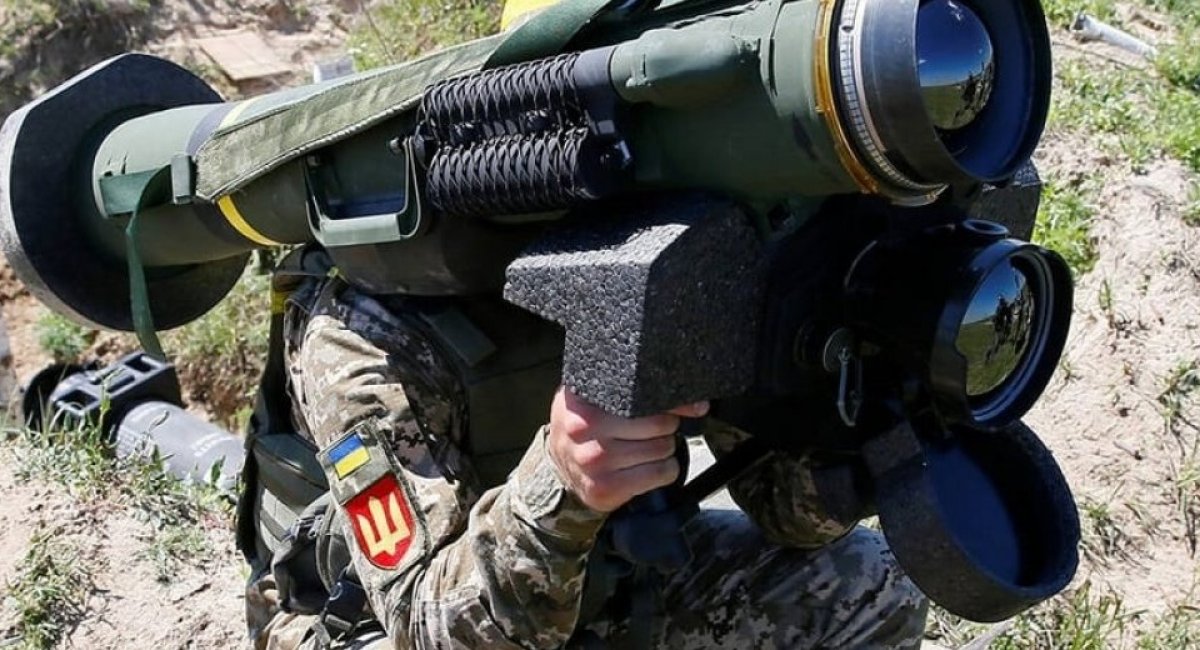
The rapid delivery of 17,000 anti-tank weapons to Ukraine within a mere six days is a remarkable feat of logistics and a testament to the international community’s commitment to supporting Ukraine’s defense. This swift action has significant implications for the ongoing conflict, potentially influencing the course of the war and the balance of power on the battlefield.
Logistical Challenges and Solutions
The logistical challenges associated with such a rapid deployment are immense. The task involves coordinating with multiple countries, procuring the weapons, organizing transportation, and ensuring secure delivery to the intended recipients. To overcome these challenges, a collaborative effort was required, with NATO allies, European countries, and other partners working in unison.
- Global Coordination:The coordination of resources and efforts across numerous countries is a complex undertaking, requiring effective communication and a shared understanding of the goals and timelines. The successful mobilization of resources in this instance demonstrates the ability of international partners to work together efficiently in a time of crisis.
- Procurement and Transportation:Acquiring 17,000 anti-tank weapons in a short timeframe necessitates the mobilization of existing stockpiles, potentially involving multiple manufacturers and suppliers. The transportation of these weapons, often requiring specialized equipment and secure routes, presents additional logistical hurdles.
- Security and Distribution:Ensuring the security of the weapons throughout the transportation process and their safe delivery to Ukrainian forces is paramount. This involves coordinating with Ukrainian authorities, establishing secure routes, and implementing measures to prevent the weapons from falling into the wrong hands.
Impact on the Conflict
The rapid delivery of these anti-tank weapons has a profound impact on the conflict in several ways:
- Strengthening Ukrainian Defenses:The influx of anti-tank weapons significantly bolsters Ukrainian defenses against Russian armored forces. These weapons provide Ukrainian troops with the means to effectively target and disable Russian tanks, armored vehicles, and other military equipment.
- Disrupting Russian Advancements:The ability to effectively counter Russian armored units can disrupt their advance and create opportunities for Ukrainian forces to counterattack. The presence of these weapons can deter Russian aggression and force them to adopt more cautious tactics.
- Boosting Ukrainian Morale:The rapid delivery of these weapons is a clear signal of international support for Ukraine. It boosts the morale of Ukrainian troops and reinforces their belief in their ability to defend their country against the Russian invasion.
The Role of a Clandestine Cybercorps
In the modern battlefield, where information is a weapon and technology is a battlefield, a clandestine cybercorps can be a powerful force multiplier. These specialized units operate in the shadows, leveraging their technical expertise to disrupt enemy operations, gather intelligence, and influence the information landscape.
Capabilities of a Clandestine Cybercorps
A clandestine cybercorps possesses a wide range of capabilities that can be employed to support military operations. These capabilities include:
- Disrupting Enemy Communications: Cyberattacks can be used to jam enemy radio communications, disrupt internet connectivity, and compromise satellite networks. This can significantly hinder their ability to coordinate operations, receive intelligence, and communicate with their forces.
- Targeting Critical Infrastructure: Cyberattacks can target power grids, transportation systems, and other critical infrastructure, causing widespread disruption and chaos.
This can cripple enemy logistics, hinder their ability to move troops and supplies, and undermine their overall war effort.
- Gathering Intelligence: Cybercorps can infiltrate enemy networks to steal sensitive data, such as troop movements, weapons locations, and intelligence reports. This information can provide valuable insights into enemy plans and capabilities, allowing for more effective targeting and strategic planning.
- Propaganda and Psychological Warfare: Cybercorps can spread disinformation and propaganda, manipulate public opinion, and sow discord among enemy forces. This can undermine morale, erode trust in leadership, and create instability within the enemy ranks.
Examples of Cyberwarfare in Recent Conflicts
The use of cyberwarfare has become increasingly common in recent conflicts.
- The 2008 Russia-Georgia War: Russia launched a series of cyberattacks against Georgia, targeting government websites, media outlets, and critical infrastructure. These attacks aimed to disrupt communications, spread disinformation, and sow chaos within Georgia.
- The 2014 Ukraine Crisis: Russia launched a series of cyberattacks against Ukrainian government institutions, military networks, and energy companies.
These attacks aimed to destabilize Ukraine, undermine its government, and influence the outcome of the conflict.
- The 2016 US Presidential Election: Russian government-backed actors launched a series of cyberattacks aimed at influencing the US presidential election. These attacks involved hacking into political campaigns, spreading disinformation, and manipulating social media platforms.
The speed with which the US armed Ukraine with 17,000 anti-tank weapons in six days, alongside a clandestine cybercorps, is a testament to the swiftness of international cooperation when faced with a crisis. It’s a stark contrast to the ongoing legal battle in Oregon, where the state is being sued for failing to provide public defenders to those who can’t afford them, highlighting a very different kind of crisis, one that affects the very foundation of our justice system.
While Ukraine’s defense is a priority, the fight for fair legal representation in Oregon underscores the need for consistent commitment to upholding fundamental rights, even in times of global upheaval.
The Impact on the Conflict
The swift delivery of 17,000 anti-tank weapons and the deployment of a clandestine cybercorps represent a significant shift in the power dynamics of the conflict. These capabilities, combined with existing Ukrainian defenses, have the potential to alter the course of the conflict, potentially leading to a stalemate or even a Ukrainian counteroffensive.
The Potential for a Stalemate
The introduction of these weapons and cyber capabilities has the potential to create a stalemate in the conflict. The increased defensive capabilities of the Ukrainian forces could make it significantly more difficult for Russian forces to advance, potentially leading to a deadlock.
This could force Russia to reconsider its military objectives or seek a negotiated settlement.
The Potential for a Ukrainian Counteroffensive
The influx of advanced weaponry, coupled with the cyber capabilities, could empower Ukraine to launch a counteroffensive. The increased anti-tank capabilities could significantly weaken Russian armor, while cyber attacks could disrupt Russian command and control, logistics, and communication networks. Such a counteroffensive could potentially reclaim lost territory and shift the strategic advantage in favor of Ukraine.
The Potential for Escalation
The escalation of the conflict is a real possibility. The deployment of cyber capabilities could lead to retaliatory actions from Russia, potentially escalating the conflict into a wider cyber war. The use of anti-tank weapons in a counteroffensive could also lead to a more intense phase of the conflict, with the potential for greater casualties and collateral damage.
Strategic Implications for Regional and Global Security
The conflict has significant implications for regional and global security. The escalation of the conflict could destabilize the region, leading to a broader conflict involving other countries. The use of cyber capabilities could set a dangerous precedent for future conflicts, potentially leading to a new era of cyber warfare.
The conflict also highlights the importance of international cooperation in addressing cyber threats and maintaining global stability.
International Response and Implications: Arming Ukraine 17000 Anti Tank Weapons In 6 Days And A Clandestine Cybercorps
The swift and substantial transfer of anti-tank weapons to Ukraine has sparked a complex and multifaceted international response. While some nations have expressed support for Ukraine’s defense, others have voiced concerns about potential escalation and the implications for international law and the norms of warfare.
International Reactions
The international community’s response to the provision of anti-tank weapons to Ukraine has been diverse, reflecting a range of geopolitical interests and perspectives.
- Supporters:Nations like the United States, the United Kingdom, and several European countries have openly supported the transfer of weapons to Ukraine, arguing that it is necessary to deter further aggression and provide Ukraine with the means to defend itself.
They have emphasized the right of Ukraine to self-defense under international law and the need to hold Russia accountable for its actions.
- Concerned Parties:Some nations, including those with close ties to Russia, have expressed concerns about the potential for escalation and the destabilization of the region. They argue that the provision of weapons could prolong the conflict and lead to wider regional instability.
- Neutral Observers:Several countries have maintained a neutral stance, refraining from explicitly supporting either side. They have called for a diplomatic solution to the conflict and expressed concerns about the humanitarian consequences of the fighting.
Potential for Escalation
The transfer of advanced weapons systems to Ukraine raises concerns about the potential for escalation and the risk of a wider conflict.
- Direct Confrontation:The possibility of a direct confrontation between NATO forces and Russia cannot be ruled out, especially if the conflict spills over into NATO territory or if Russia perceives the provision of weapons as a direct threat to its security.
- Proxy War:The conflict could evolve into a proxy war, with Russia and its allies supporting separatist movements in Ukraine, while NATO and its partners provide military assistance to the Ukrainian government. This could lead to a protracted and unpredictable conflict with potentially devastating consequences.
- Cyber Warfare:The use of cyber weapons could escalate the conflict, potentially targeting critical infrastructure and disrupting essential services in both Ukraine and Russia. This could have a significant impact on civilian populations and could lead to a dangerous cyber arms race.
Implications for International Law and Norms of Warfare
The transfer of weapons to Ukraine raises important questions about the application of international law and the norms of warfare.
- Neutrality:The principle of neutrality in armed conflicts dictates that states should not provide military assistance to belligerents. However, the provision of weapons to Ukraine could be justified under the right of self-defense, which allows states to take necessary measures to protect themselves from aggression.
- Proportionality:The use of force in self-defense must be proportionate to the threat faced. The provision of advanced weapons systems to Ukraine raises concerns about the potential for disproportionate use of force, which could lead to civilian casualties and further instability.
- Arms Control:The transfer of weapons systems to Ukraine could have implications for arms control regimes, particularly those aimed at preventing the proliferation of advanced weapons technologies.
End of Discussion
The story of Ukraine’s arming and the emergence of a clandestine cybercorps is a testament to the evolving nature of warfare. The speed, scale, and sophistication of this support are unprecedented, and the implications for the conflict and international security are profound.
This event serves as a stark reminder of the interconnectedness of the world and the potential for rapid escalation in the digital age. As the conflict unfolds, the world will be watching closely, pondering the implications of this new era of warfare.