How the War in Ukraine Could Hurt the U.S. Economy
How the war in ukraine could hurt the u s economy – The war in Ukraine could hurt the U.S. economy in a variety of ways, from soaring energy prices and disrupted supply chains to increased inflation and financial market volatility. The conflict has already had a significant impact on global markets, and its long-term consequences are still unfolding.
The war’s impact on the U.S. economy is complex and multifaceted, with ripple effects that are felt across various sectors. From rising energy and food costs to disrupted manufacturing and supply chains, the conflict has created a challenging economic environment for businesses and consumers alike.
Understanding the potential implications of the war is crucial for navigating these uncertain times.
Geopolitical and Strategic Ramifications
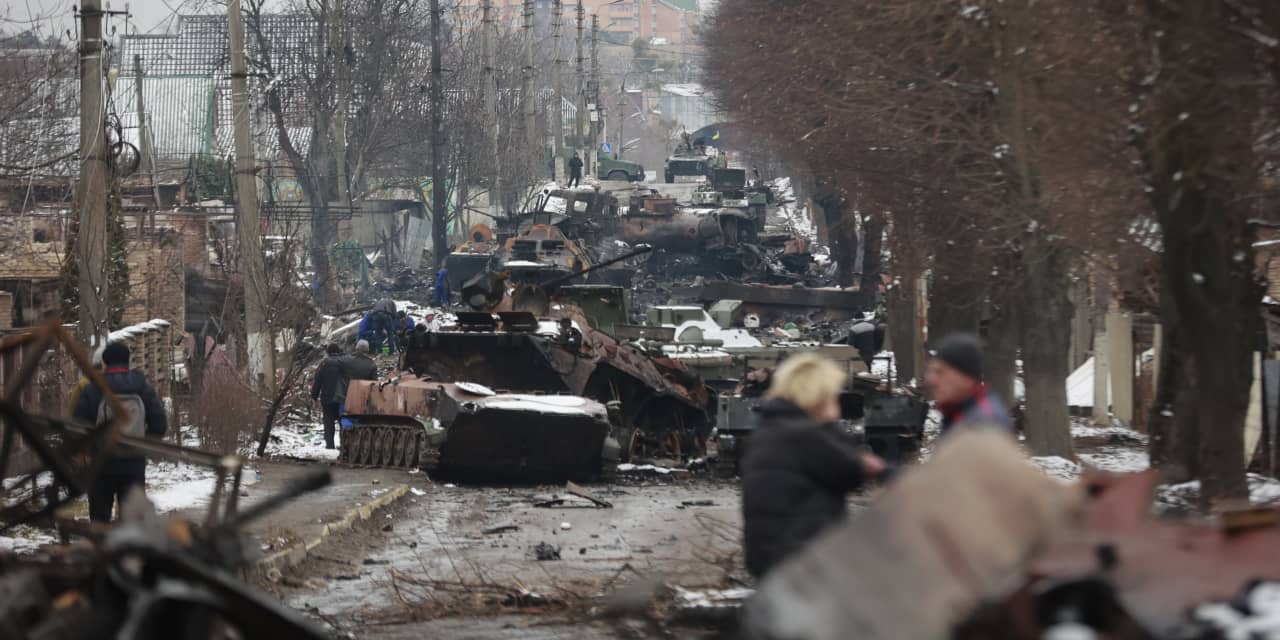
The war in Ukraine has profound geopolitical and strategic implications, reshaping the global landscape and impacting US interests in numerous ways. The conflict has significantly strained US-Russia relations, revived Cold War-era tensions, and triggered a realignment of alliances. It has also spurred increased defense cooperation and energy security concerns within the US-European relationship.
The war in Ukraine is already causing economic pain in the U.S., with rising energy prices and supply chain disruptions. But beyond these immediate impacts, the conflict could also fuel political polarization and social unrest, making it even harder to address long-term economic challenges.
It’s a delicate balancing act: we need to condemn the war and support Ukraine, but we also need to avoid creating a climate of fear and division, which is precisely what the article in an uncivil age calls for civility are about squashing effective protest warns against.
The war in Ukraine is a complex issue with far-reaching consequences, and we need to be mindful of the potential for economic and social fallout both at home and abroad.
Moreover, the war has prompted the US to reassess its foreign policy priorities, emphasizing support for Ukraine and efforts to counter Russian influence.
Impact on US-Russia Relations, How the war in ukraine could hurt the u s economy
The war in Ukraine has dramatically escalated tensions between the US and Russia, pushing relations to their lowest point since the Cold War. The conflict has exposed deep ideological and geopolitical divides between the two nations, fueled by competing visions of international order and security.
The US has imposed severe economic sanctions on Russia, while Russia has retaliated with military threats and cyberattacks. The war has also raised concerns about the potential for unintended escalation, particularly if the conflict expands beyond Ukraine’s borders.
Impact on US-European Relations
The war in Ukraine has strengthened US-European relations, fostering closer defense cooperation and shared concerns about energy security. The conflict has highlighted the importance of transatlantic unity in deterring Russian aggression and promoting stability in Europe. The US and its European allies have worked together to provide military and financial assistance to Ukraine, impose sanctions on Russia, and bolster NATO’s eastern flank.
However, the war has also exposed differences in energy dependence on Russia, prompting discussions about diversifying energy sources and reducing reliance on Russian oil and gas.
US Foreign Policy Priorities
The war in Ukraine has reshaped US foreign policy priorities, placing a renewed emphasis on supporting Ukraine’s defense and countering Russian influence. The US has committed billions of dollars in military and humanitarian aid to Ukraine, seeking to bolster its resistance against Russia’s invasion.
The US has also strengthened its military presence in Eastern Europe, reinforcing NATO’s eastern flank and deterring further Russian aggression. The war has also prompted the US to re-evaluate its engagement in the Indo-Pacific region, recognizing the interconnectedness of global security and the need to counter Russia’s influence in the region.
Impact on US Military Deployments and Global Security Alliances
The war in Ukraine has triggered a significant shift in US military deployments, with a renewed focus on bolstering NATO’s eastern flank and deterring Russian aggression. The US has increased its military presence in Eastern Europe, deploying additional troops and equipment to countries bordering Russia.
The war has also prompted the US to strengthen its security alliances with countries in the region, including Poland, Romania, and the Baltic states. The conflict has also highlighted the importance of global security alliances in deterring aggression and promoting stability, prompting the US to re-evaluate its engagement in existing alliances and consider new partnerships.
Government Responses and Policies
The war in Ukraine has prompted a multifaceted response from the US government, encompassing financial assistance, economic sanctions, and policy adjustments aimed at mitigating the war’s impact on the US economy.
Economic and Financial Assistance to Ukraine and Allies
The US government has committed substantial financial assistance to Ukraine and its allies in the form of military aid, humanitarian support, and economic aid. This assistance aims to bolster Ukraine’s defense capabilities, alleviate the humanitarian crisis, and support the Ukrainian economy.
- The US has provided billions of dollars in military aid to Ukraine, including weapons, ammunition, and intelligence support. These weapons have been crucial in helping Ukraine resist the Russian invasion.
- The US has also provided significant humanitarian aid to Ukraine, including food, medical supplies, and shelter. This aid has been essential in addressing the humanitarian crisis caused by the war.
- The US has provided billions of dollars in economic aid to Ukraine, including grants and loans, to help stabilize the Ukrainian economy and support essential services.
The US has also provided financial assistance to countries that are hosting Ukrainian refugees, such as Poland and Romania, to help them manage the influx of refugees and provide them with essential services.
The war in Ukraine is already causing ripple effects across the globe, and the U.S. economy is no exception. Rising energy prices and supply chain disruptions are just some of the ways this conflict is impacting our daily lives.
And it’s not just about big-picture issues, even seemingly small things like a recent turkey hill dairy issues voluntary recall and allergy alert for undeclared peanut in select chocolate marshmallow premium ice cream containers can be a symptom of the larger economic instability.
This kind of disruption, even on a smaller scale, can add up to a significant impact on our wallets and our overall well-being.
Impact of US Sanctions on Russia
The US has imposed a wide range of sanctions on Russia, targeting its financial system, energy sector, and key industries. These sanctions aim to pressure Russia to end its invasion of Ukraine and deter further aggression.
The war in Ukraine is already having a significant impact on the U.S. economy, driving up inflation and disrupting supply chains. Adding to these challenges is the growing threat of climate change, which the UN panel warns will have a devastating impact on humans and nature.
This report highlights the urgent need for global action to mitigate climate change, but the war in Ukraine makes it even more difficult for countries to focus on this critical issue.
- The US has imposed sanctions on Russian banks, including the Central Bank of Russia, which have restricted their access to the global financial system.
- The US has imposed sanctions on Russian energy companies, including Rosneft and Gazprom, which have restricted their ability to export oil and gas.
- The US has imposed sanctions on Russian individuals and entities, including oligarchs and government officials, which have frozen their assets and restricted their travel.
The effectiveness of these sanctions is still being debated. Some argue that the sanctions have had a significant impact on the Russian economy, leading to a decline in the ruble and a rise in inflation. Others argue that the sanctions have not been as effective as hoped and that Russia has been able to mitigate their impact.
Potential for Additional Government Policies
The US government is considering a range of additional policies to mitigate the economic impact of the war on the US. These policies include:
- Increased domestic energy production to reduce reliance on Russian oil and gas.
- Financial assistance to businesses and consumers impacted by rising energy prices.
- Support for agricultural producers to mitigate the impact of disruptions to global food supply chains.
The effectiveness of these policies will depend on a number of factors, including the duration of the war, the strength of the global economy, and the response of other countries.
Long-Term Economic Consequences: How The War In Ukraine Could Hurt The U S Economy
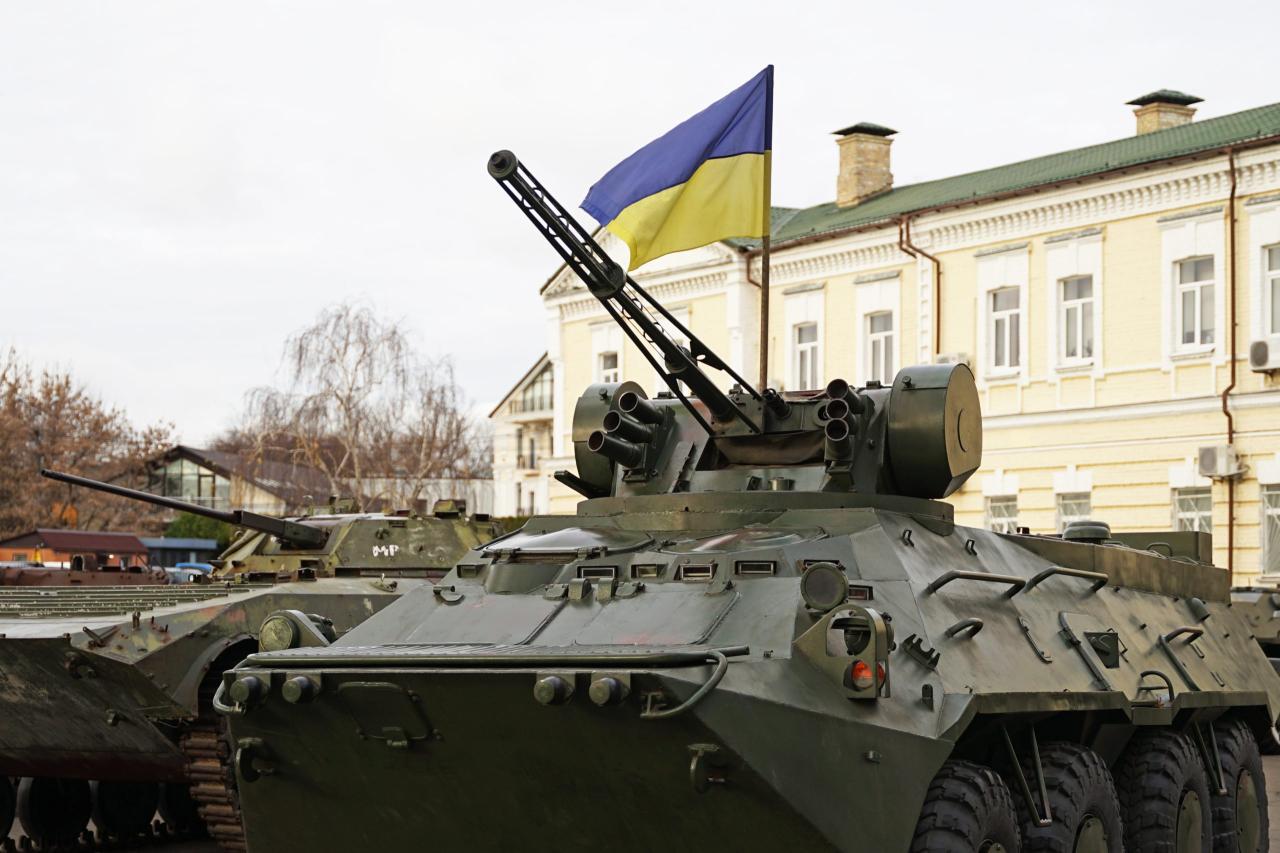
The war in Ukraine has already had a significant impact on the global economy, and its long-term consequences are likely to be profound. The conflict has disrupted supply chains, driven up energy prices, and increased uncertainty, all of which could weigh on economic growth for years to come.
The Impact on Global Trade and Economic Growth
The war in Ukraine has already disrupted global trade flows, particularly for commodities such as wheat, oil, and natural gas. Ukraine and Russia are major exporters of these commodities, and the war has led to shortages and price spikes. This has had a ripple effect on other economies, particularly in developing countries that rely on imports from Ukraine and Russia.
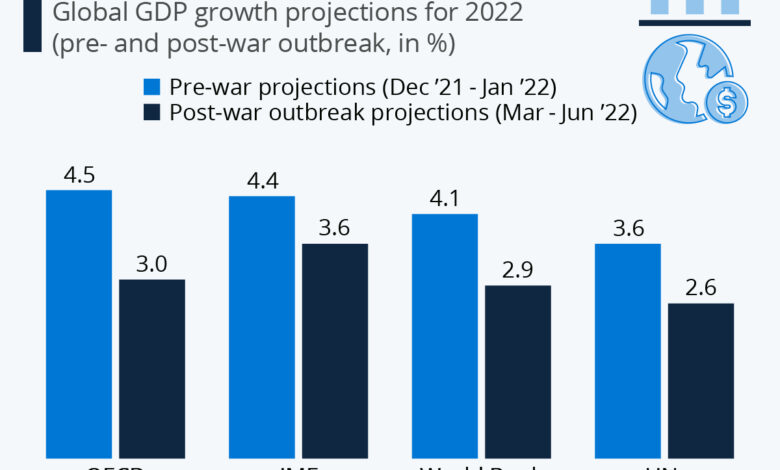
The war has also disrupted supply chains for other goods, as companies have struggled to source raw materials and components from affected regions. These disruptions could have a long-lasting impact on global trade and economic growth. The International Monetary Fund (IMF) has already downgraded its global growth forecast for 2022 and 2023, citing the war in Ukraine as a major factor.
The Acceleration of the Transition to Renewable Energy Sources
The war in Ukraine has highlighted the vulnerabilities of relying on fossil fuels, particularly from Russia. This has led to calls for a faster transition to renewable energy sources, which are less vulnerable to geopolitical disruptions. The war has already spurred investment in renewable energy projects, as countries seek to reduce their reliance on fossil fuels.
The European Union, for example, has announced plans to accelerate its transition to renewable energy and reduce its dependence on Russian gas. The war could also lead to increased investment in energy efficiency measures, which can help to reduce energy demand and lower greenhouse gas emissions.
The Reshaping of the Global Geopolitical Landscape
The war in Ukraine has also had a significant impact on the global geopolitical landscape. The conflict has deepened the divide between Russia and the West, and it has led to the formation of new alliances. The war has also prompted a reassessment of security arrangements in Europe, with NATO members strengthening their defenses and expanding their military presence in the region.
The war could also lead to a shift in global power dynamics, as countries seek to reduce their dependence on Russia and other authoritarian regimes.
Concluding Remarks
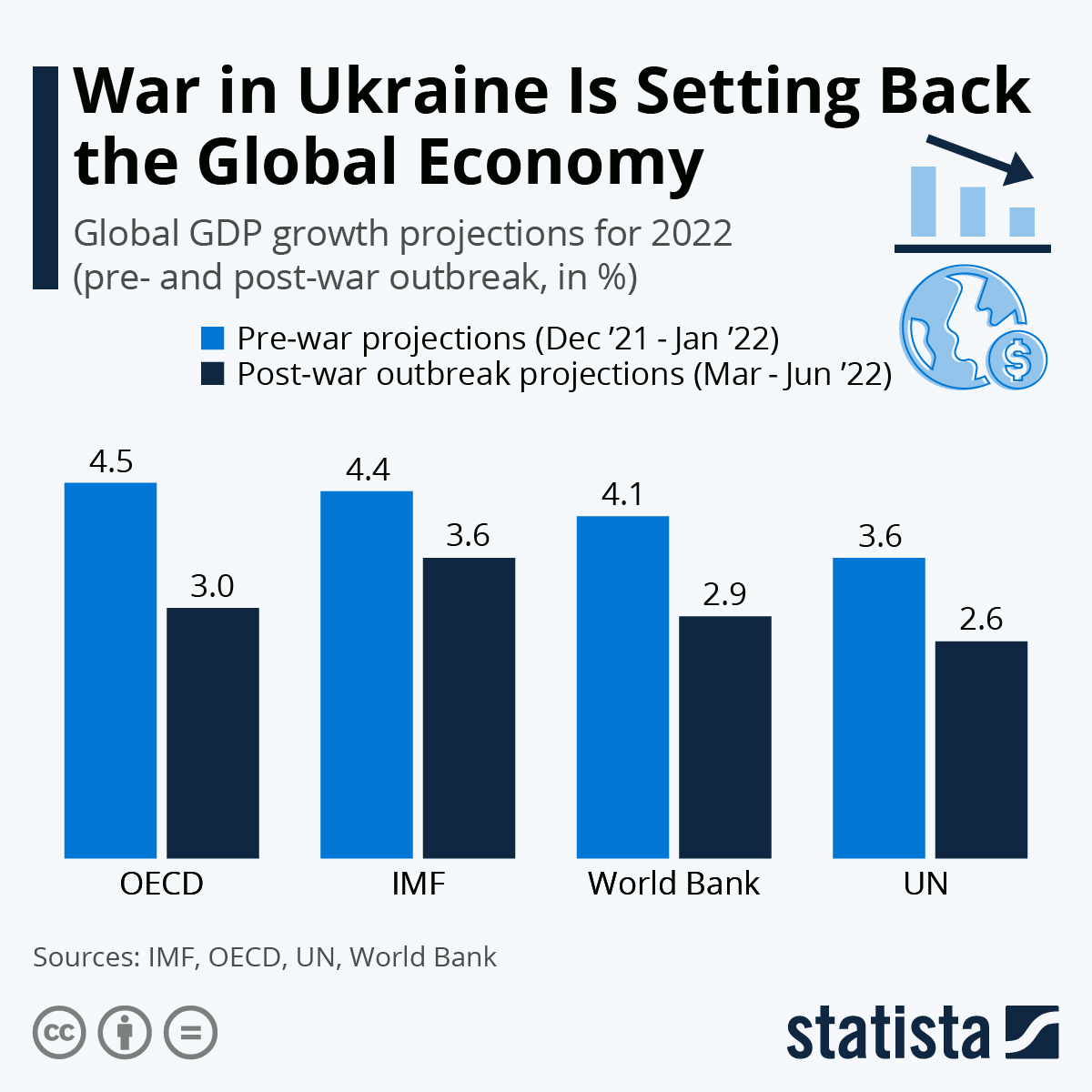
The war in Ukraine is a stark reminder of the interconnectedness of the global economy and the potential for geopolitical events to have profound economic consequences. While the immediate impact of the war is evident, its long-term implications remain to be seen.
As the situation evolves, it is essential to monitor developments closely and consider how they might shape the future of the U.S. economy.