
How Americas Farmers Got Cut Out of the Supply Chain
How americas farmers got cut out of the supply chain – How America’s farmers got cut out of the supply chain is a story of shifting power dynamics, technological advancements, and corporate influence. It’s a story that affects the food we eat, the livelihoods of farmers, and the very landscape of American agriculture.
The traditional image of the independent farmer, selling their produce directly to consumers, has faded, replaced by a complex web of intermediaries and corporate giants who control the flow of food from farm to table.
This journey began with the industrialization of agriculture, where efficiency and economies of scale became the driving forces. Large-scale farming operations, fueled by technology and consolidation, gained a foothold, leaving smaller farms struggling to compete. The rise of supermarkets and food processing giants further cemented this trend, creating a system where farmers had less control over the prices they received and the markets they accessed.
Historical Context: How Americas Farmers Got Cut Out Of The Supply Chain
The agricultural supply chain in the United States has undergone a dramatic transformation over the past century, significantly altering the role of farmers and their relationship with consumers. This evolution has been driven by a complex interplay of factors, including technological advancements, industrialization, and changing consumer preferences.
In the early 20th century, farming was largely a family-based operation, with most farmers selling their produce directly to local markets or consumers. However, the advent of mechanization, such as the tractor and combine harvester, allowed farmers to produce crops on a larger scale, leading to increased production and lower costs.
This shift paved the way for the rise of large-scale agricultural operations and the emergence of intermediaries, such as processors and distributors, who played a more prominent role in connecting farmers to consumers.
The Rise of Industrial Agriculture
The mid-20th century witnessed a significant shift towards industrial agriculture, characterized by large-scale farming operations, specialized production, and reliance on technology. This transition led to increased efficiency and productivity, but it also resulted in a growing separation between farmers and consumers.
The introduction of fertilizers, pesticides, and genetically modified crops further increased agricultural output, allowing farmers to produce more food with fewer resources. However, these advancements also raised concerns about environmental sustainability and the potential for unintended consequences. The growing use of antibiotics in livestock production also became a subject of debate, raising concerns about antibiotic resistance.
The Impact of Technology on Farming Practices
Technological advancements have played a crucial role in shaping the agricultural supply chain. From the mechanization of farming practices to the development of precision agriculture technologies, technological innovation has significantly impacted the way food is produced and distributed.
Precision agriculture technologies, such as GPS-guided tractors and sensors that monitor crop health, allow farmers to optimize resource use and increase efficiency. The rise of e-commerce and online marketplaces has also provided new channels for farmers to connect with consumers and bypass traditional intermediaries.
These advancements have the potential to empower farmers and give them more control over their operations and profits.
Consolidation and Corporate Influence

The agricultural industry has undergone a dramatic transformation in recent decades, marked by a significant shift towards consolidation and the growing influence of large corporations. This trend has had profound implications for farmers, consumers, and the overall food system.
The Rise of Large Corporations
The consolidation of the agricultural industry has led to the emergence of a handful of powerful corporations that control vast segments of the food supply chain. These corporations have achieved dominance through a combination of mergers, acquisitions, and vertical integration.
Vertical integration occurs when a company controls multiple stages of the production process, from farming and processing to distribution and retail. For example, a company might own farms, processing plants, and grocery stores, giving it significant control over pricing and market dynamics.
Key Players in the Agricultural Supply Chain
- Seed Companies:Companies like Monsanto (now Bayer) and DuPont Pioneer have dominated the seed market, offering genetically modified seeds and controlling a large share of the global seed supply. They have significant influence on the types of crops grown and the use of pesticides and herbicides.
- Agricultural Input Suppliers:Companies like Cargill, Archer Daniels Midland (ADM), and Bunge are major suppliers of fertilizers, pesticides, and other agricultural inputs. They control the prices of these essential materials, which can have a significant impact on farmers’ profitability.
- Food Processors and Distributors:Companies like Tyson Foods, JBS, and Smithfield Foods are major processors of meat, poultry, and other food products. They control the flow of food from farms to grocery stores, often setting the prices that farmers receive for their products.
- Retailers:Large grocery chains like Walmart, Kroger, and Costco have significant bargaining power with food producers and distributors. They can dictate the prices they are willing to pay for food, which can influence the prices that farmers receive.
Bargaining Power of Farmers vs. Corporations
The bargaining power of farmers has declined significantly in recent decades, while the power of corporations has grown. This disparity in power is evident in several ways:
- Price Setting:Farmers often have little control over the prices they receive for their products. Large corporations set the prices, leaving farmers with limited options.
- Contract Farming:Many farmers are now forced to enter into contracts with large corporations, which dictate the terms of production, including crop varieties, planting dates, and even the prices they will receive. These contracts often favor the corporations, leaving farmers with limited flexibility and bargaining power.
It’s heartbreaking to see how American farmers have been squeezed out of the supply chain, often facing unfair prices and limited options for selling their produce. But there’s hope in education! Check out 15 best poetry websites for kids teens teachers and classrooms for resources that can help us all learn about food systems and advocate for fairer practices.
By understanding the challenges farmers face, we can empower ourselves to support local agriculture and build a more sustainable future for everyone.
- Access to Markets:Small farmers often face difficulties in accessing markets and selling their products directly to consumers. Large corporations control the distribution channels, making it difficult for small farmers to compete.
The Role of Intermediaries
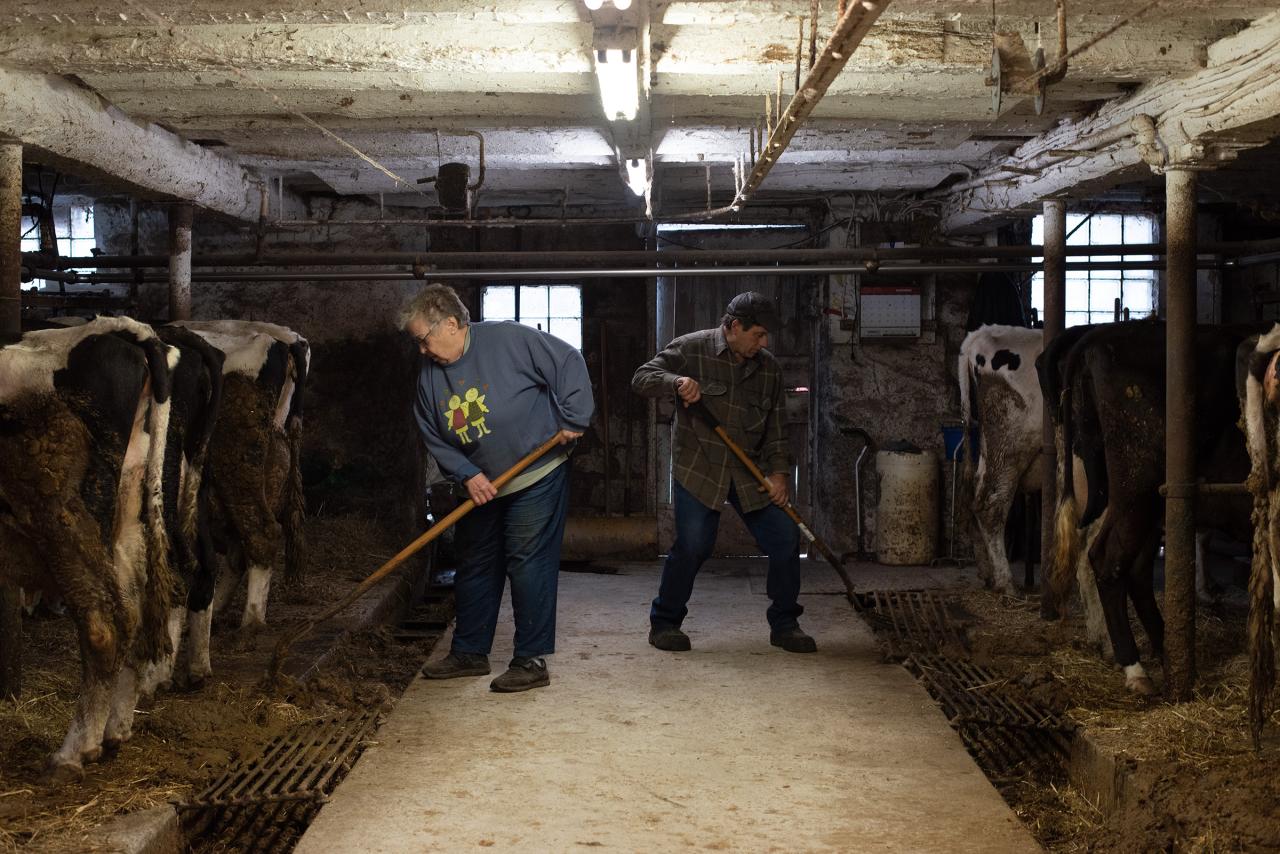
The agricultural supply chain is a complex web of interconnected businesses, each playing a vital role in getting food from the farm to the consumer’s table. Intermediaries, including middlemen, processors, and distributors, are crucial players in this chain. While they offer essential services, their influence on farmer income and market access has become a subject of increasing scrutiny.
The Impact of Intermediaries on Farmer Income
Intermediaries play a crucial role in connecting farmers with consumers. They handle tasks such as storage, transportation, processing, and marketing, allowing farmers to focus on production. However, the profits generated by these intermediaries often come at the expense of farmers.
The Price Squeeze
Intermediaries typically purchase produce from farmers at a lower price and sell it to consumers at a much higher price, pocketing the difference. This price differential, known as the “price squeeze,” significantly impacts farmer income.
“Farmers receive a small fraction of the retail price of their produce, with intermediaries taking a large share of the profits.”
Lack of Transparency
The lack of transparency in the agricultural supply chain makes it difficult for farmers to understand how their produce is priced and where their profits are going.
Market Power
Large-scale intermediaries often have significant market power, allowing them to dictate prices and terms to farmers. This power imbalance can lead to unfair practices and limit farmers’ ability to negotiate fair prices for their produce.
Challenges in Negotiating Fair Prices
Farmers often face significant challenges in negotiating fair prices with intermediaries.
Limited Bargaining Power
Individual farmers typically have limited bargaining power due to their small scale and lack of collective bargaining mechanisms.
Lack of Information
Farmers often lack access to real-time market information, making it difficult to understand market trends and negotiate fair prices.
Dependence on Intermediaries
Farmers are often dependent on intermediaries for access to markets, leaving them vulnerable to exploitation.
Examples of Fair Trade Initiatives
Despite the challenges, there are examples of initiatives that promote fair trade and empower farmers. These initiatives often involve:
Direct Marketing
Farmers’ markets, community-supported agriculture (CSA) programs, and online platforms allow farmers to sell their produce directly to consumers, eliminating the need for intermediaries.
Cooperatives
Farmer cooperatives provide collective bargaining power, enabling farmers to negotiate better prices and access markets.
It’s a shame how many American farmers have been squeezed out of the supply chain, losing control over their products and the profits they deserve. And now, with news of a g specialty foods inc issuing a voluntary recall of food products containing Jif and Smuckers peanut butter due to potential salmonella contamination , it highlights the vulnerability of our food system.
This kind of situation underscores the need for greater transparency and a more direct connection between producers and consumers. Maybe then, we can build a system that truly supports our farmers and ensures safe, high-quality food for everyone.
Fair Trade Certification
Fair trade certification ensures that farmers receive fair prices for their produce and adhere to sustainable practices.
Market Volatility and Price Fluctuations
The agricultural market is known for its inherent volatility, where prices can fluctuate significantly and unpredictably. This instability directly impacts farmers’ profitability, making it challenging to plan for the future and secure a stable income. Understanding the factors driving price volatility is crucial for farmers to navigate the market effectively and mitigate risks.
Factors Contributing to Price Volatility
The agricultural market’s volatility stems from a combination of factors, including:
- Weather:Weather patterns play a significant role in agricultural production. Extreme weather events like droughts, floods, and heatwaves can severely impact crop yields, leading to supply shortages and price hikes. For example, a severe drought in the Midwest could drastically reduce corn production, leading to higher corn prices.
It’s a shame how many American farmers have been squeezed out of the supply chain, losing control over their products and their livelihoods. But maybe there’s a silver lining in all this – the development of new ionogels that are tough, stretchable, and easy to make could lead to innovative solutions for agricultural technology.
These ionogels could be used to create new sensors and actuators for precision farming, helping farmers monitor crops and optimize their yields. This could empower farmers to take back control and create a more equitable agricultural system.
- Global Demand:Global demand for agricultural commodities is constantly changing, driven by factors like population growth, economic conditions, and dietary preferences. Increased demand, particularly from emerging economies, can push prices up. For instance, rising demand for soybeans from China has led to increased soybean prices globally.
- Government Policies:Government policies, such as trade agreements, subsidies, and regulations, can significantly influence agricultural markets. Trade wars, for instance, can disrupt supply chains and lead to price fluctuations. The implementation of biofuel mandates has also contributed to increased demand for corn, influencing its price.
- Speculation:Speculators, who buy and sell agricultural commodities in anticipation of future price movements, can contribute to market volatility. Their actions can exacerbate price swings, particularly in times of uncertainty or when supply is tight.
- Market Structure:The concentration of agricultural production and processing in the hands of a few large companies can also influence price volatility. These companies have the power to set prices and control supply, potentially leading to market manipulation.
Impact of Price Fluctuations on Farmer Profitability
Price fluctuations can have a profound impact on farmers’ profitability, often leading to unpredictable income and financial instability. Here’s how:
- Income Volatility:Farmers’ income is directly tied to commodity prices. When prices are high, farmers can earn a good profit. However, when prices drop, their income falls, making it difficult to cover expenses and maintain a stable livelihood.
- Production Costs:Farmers face fluctuating input costs, including fertilizers, seeds, and fuel. These costs can rise unexpectedly, eroding profits even when commodity prices are favorable.
- Debt Burden:Many farmers rely on loans to finance their operations. Fluctuating prices can make it challenging to repay debts, potentially leading to financial distress.
- Market Risk:Farmers are exposed to significant market risk, as they cannot control commodity prices. This uncertainty makes it difficult to plan for the future and invest in their operations.
Relationship Between Commodity Prices, Farmer Income, and Consumer Costs
| Commodity | Price per Unit | Farmer Income | Consumer Cost |
|---|---|---|---|
| Corn | $4.00/bushel | $200/acre | $3.00/gallon of ethanol |
| Soybeans | $12.00/bushel | $400/acre | $3.50/gallon of soybean oil |
| Wheat | $6.00/bushel | $250/acre | $2.50/loaf of bread |
Note:This table provides a simplified illustration of the relationship between commodity prices, farmer income, and consumer costs. The actual values may vary depending on factors such as production costs, transportation costs, and processing costs.
Government Policies and Regulations

Government policies and regulations play a significant role in shaping agricultural markets, influencing the economic well-being of farmers, and impacting food security for consumers. These policies can both support and hinder farmers, impacting their ability to compete in the market and their access to resources.
Impact of Government Policies on Agricultural Markets
Government policies, such as subsidies, tariffs, and trade agreements, directly impact the agricultural market by influencing prices, production levels, and trade flows. These policies can create incentives for farmers to produce certain crops, affect the competitiveness of domestic farmers in the global market, and impact the availability and affordability of food for consumers.
- Subsidies:Government subsidies, such as direct payments or crop insurance, can provide financial support to farmers, helping them manage risks and maintain profitability. However, subsidies can also distort market signals and create inefficiencies. For instance, subsidies for specific crops might encourage overproduction, leading to lower prices and market instability.
- Tariffs:Tariffs, taxes on imported goods, can protect domestic farmers from foreign competition. However, tariffs can also increase the price of imported goods, making food more expensive for consumers. Additionally, tariffs can lead to retaliation from other countries, impacting exports and potentially harming farmers who rely on foreign markets.
- Trade Agreements:Trade agreements can facilitate trade between countries, creating new markets for farmers and potentially increasing their income. However, trade agreements can also expose farmers to competition from other countries, potentially leading to lower prices and market volatility.
Role of Regulations in Ensuring Food Safety and Environmental Sustainability
Government regulations are essential for ensuring food safety and environmental sustainability in agriculture. Regulations can help prevent the spread of diseases, protect consumers from harmful substances, and promote sustainable farming practices.
- Food Safety Regulations:Regulations such as the Food Safety Modernization Act (FSMA) aim to prevent foodborne illnesses by establishing standards for food production, processing, and distribution. These regulations can increase costs for farmers, but they also contribute to public health and consumer confidence.
- Environmental Regulations:Regulations on pesticide use, water quality, and soil conservation aim to protect the environment and ensure sustainable agricultural practices. These regulations can limit farmers’ choices and potentially increase production costs, but they are crucial for preserving natural resources and protecting the environment.
Effectiveness of Government Programs in Supporting Farmers and Protecting Consumers
The effectiveness of government programs in supporting farmers and protecting consumers is a complex issue. Some programs have been successful in achieving their objectives, while others have been criticized for their unintended consequences.
- Crop Insurance Programs:Crop insurance programs provide financial protection to farmers against crop losses due to natural disasters. These programs can help farmers manage risks and maintain their operations during adverse conditions. However, crop insurance programs can be expensive and may not fully compensate farmers for their losses.
- Conservation Programs:Conservation programs encourage farmers to adopt sustainable farming practices, such as reducing pesticide use and improving soil health. These programs can benefit the environment and help farmers maintain their land’s productivity. However, conservation programs can be complex and require significant investment from farmers.
- Food Assistance Programs:Food assistance programs, such as SNAP (Supplemental Nutrition Assistance Program) and WIC (Women, Infants, and Children), provide food assistance to low-income households. These programs can improve food security and nutrition for vulnerable populations. However, food assistance programs can be expensive and may not fully address the root causes of food insecurity.
Consumer Demand and Preferences
The choices made by consumers play a significant role in shaping the agricultural supply chain. Understanding consumer demand and preferences is crucial for farmers to adapt their production practices and ensure the viability of their businesses.
Factors Driving Consumer Demand
Consumer demand for agricultural products is driven by a variety of factors, including:
- Income:As income levels rise, consumers tend to spend more on food, including higher-quality and more expensive options.
- Population Growth:A growing global population necessitates increased agricultural production to meet food demands.
- Health and Dietary Concerns:Consumers are increasingly interested in healthy and sustainable food choices, driving demand for organic, locally sourced, and minimally processed products.
- Food Safety and Quality:Consumers prioritize food safety and quality, demanding products that meet specific standards and regulations.
- Convenience:Busy lifestyles lead to a preference for convenient and ready-to-eat options, influencing demand for pre-packaged and processed foods.
- Ethical Considerations:Consumers are increasingly concerned about the ethical treatment of animals and the environmental impact of agricultural practices, driving demand for products produced through sustainable methods.
The Role of Consumer Preferences in Shaping the Agricultural Supply Chain, How americas farmers got cut out of the supply chain
Consumer preferences have a significant impact on the agricultural supply chain, influencing:
- Crop Selection:Farmers adapt their production to meet consumer demand for specific crops, such as organic produce or specialty grains.
- Production Methods:Consumers’ preference for sustainable and ethical practices influences the adoption of technologies and practices that minimize environmental impact.
- Packaging and Distribution:Consumer demand for convenience and specific packaging types influences the packaging and distribution processes.
- Marketing and Branding:Farmers are increasingly focusing on marketing and branding strategies to appeal to specific consumer segments and preferences.
Connection Between Consumer Demand, Market Trends, and Farmer Production
The following table illustrates the interconnectedness between consumer demand, market trends, and farmer production:
| Consumer Demand | Market Trends | Farmer Production |
|---|---|---|
| Increased demand for organic produce | Growing popularity of organic foods | Farmers adopt organic farming practices |
| Preference for locally sourced food | Rise of farmers’ markets and community-supported agriculture | Farmers focus on local production and direct-to-consumer sales |
| Demand for sustainable and ethical practices | Consumer awareness of environmental and social issues | Farmers adopt sustainable farming practices and focus on animal welfare |
| Desire for convenience and ready-to-eat options | Increased demand for pre-packaged and processed foods | Farmers adapt production to meet the demand for convenient products |
Alternative Models and Solutions
The current agricultural system, dominated by large corporations and intermediaries, has left many farmers struggling to earn a fair income. However, alternative models offer a path toward greater fairness and sustainability. These models aim to empower farmers, strengthen local communities, and provide consumers with more transparent and ethical food choices.
Direct-to-Consumer Marketing
Direct-to-consumer (D2C) marketing allows farmers to bypass intermediaries and sell their products directly to consumers. This approach eliminates the middleman’s profit margin, enabling farmers to receive a larger share of the revenue. D2C models can take various forms, including farmers’ markets, community-supported agriculture (CSA) programs, farm-to-table restaurants, and online platforms.
“Direct-to-consumer marketing is a powerful tool for farmers to connect with their customers and build trust.”
[Source
[Insert reliable source name here] ]
Farmer Cooperatives
Farmer cooperatives are organizations owned and controlled by their members, who are farmers. These cooperatives provide farmers with collective bargaining power, enabling them to negotiate better prices for their products. They also offer access to shared resources, such as processing facilities, storage, and marketing expertise.
“Farmer cooperatives are a vital force in empowering farmers and ensuring a fair return for their labor.”
[Source
[Insert reliable source name here] ]
- Increased bargaining power:By pooling their resources and negotiating as a group, farmers can command better prices for their products. This helps to ensure a more equitable distribution of profits.
- Shared resources and expertise:Cooperatives provide access to essential resources, such as processing facilities, storage, and marketing expertise, which individual farmers might not have access to on their own. This reduces costs and improves efficiency.
- Enhanced market access:Cooperatives can help farmers access new markets and expand their customer base. They can also negotiate better terms with retailers and distributors.
Strategies to Increase Bargaining Power and Market Access
Farmers can adopt various strategies to increase their bargaining power and access to markets:
- Developing strong relationships with consumers:Building direct relationships with consumers through farmers’ markets, CSAs, and online platforms allows farmers to gain valuable insights into consumer preferences and build a loyal customer base.
- Diversifying products and services:Offering a variety of products and services, such as farm-fresh produce, value-added products, and agritourism experiences, can attract a wider range of customers and reduce reliance on a single market.
- Collaborating with other farmers:Forming partnerships with other farmers to create larger, more diversified operations can improve bargaining power and market access. This can also lead to shared resources and knowledge.
- Investing in technology:Utilizing technology, such as online platforms, social media, and data analytics, can help farmers connect with consumers, manage their operations more efficiently, and market their products effectively.
- Advocating for policy changes:Farmers can advocate for policy changes that support their interests, such as fair trade practices, price supports, and access to credit.
Future Trends and Implications
The agricultural supply chain is constantly evolving, driven by technological advancements, shifting consumer preferences, and growing concerns about sustainability. These trends have significant implications for farmers, who must adapt to remain competitive and profitable.
Technology and Innovation
The agricultural sector is embracing technology at an unprecedented rate. Precision agriculture, using sensors, drones, and data analytics, is transforming farming practices. This allows farmers to optimize resource use, improve yields, and reduce environmental impact.
- Precision Agriculture:Farmers can use data-driven insights to tailor inputs like fertilizer and pesticides to specific areas of their fields, reducing waste and increasing efficiency.
- Robotics and Automation:Robotics are being used for tasks like planting, harvesting, and weeding, reducing labor costs and increasing productivity.
- Vertical Farming:This method allows for crops to be grown in stacked layers, maximizing space and reducing reliance on traditional land-based agriculture.
These technologies offer farmers greater control over their operations and the potential for increased profitability. However, they also require significant investments and a willingness to embrace change.
Sustainability and Consumer Demand
Consumers are increasingly demanding sustainable and ethical food production practices. This has led to a growing focus on organic farming, regenerative agriculture, and reducing the environmental footprint of food production.
- Organic Farming:This method prohibits the use of synthetic pesticides and fertilizers, appealing to consumers seeking healthier and more environmentally friendly options.
- Regenerative Agriculture:This approach focuses on improving soil health, biodiversity, and water management, promoting long-term sustainability.
- Reduced Food Waste:Efforts to reduce food waste throughout the supply chain are becoming increasingly important, driven by concerns about resource conservation and food security.
Farmers who embrace these practices can tap into a growing market of environmentally conscious consumers. However, they may face challenges in terms of production costs, market access, and consumer education.
Challenges and Opportunities
Farmers face a complex and evolving landscape. They must navigate the challenges of climate change, market volatility, and competition from large corporations. However, there are also opportunities to embrace innovation, connect directly with consumers, and build resilient and sustainable farming systems.
- Climate Change:Farmers must adapt to changing weather patterns, including more extreme events like droughts and floods.
- Market Volatility:Fluctuations in commodity prices and consumer demand can significantly impact farmers’ profitability.
- Corporate Consolidation:The increasing dominance of large agricultural corporations can limit farmers’ bargaining power and access to markets.
- Direct-to-Consumer Sales:Farmers can leverage technology and online platforms to connect directly with consumers, reducing reliance on intermediaries and gaining greater control over pricing.
- Community Supported Agriculture (CSA):This model allows farmers to build relationships with local consumers, providing them with fresh produce and supporting sustainable agriculture.
Farmers who are able to adapt to these trends and capitalize on emerging opportunities will be well-positioned for success in the future.
Last Word
The future of American agriculture hinges on finding solutions that empower farmers and create a more equitable system. This requires addressing the challenges of consolidation, market volatility, and the power of intermediaries. It also demands innovative approaches to connecting consumers with local farmers, supporting sustainable practices, and ensuring fair prices for the food we all depend on.
The story of how America’s farmers got cut out of the supply chain is not a story of defeat, but rather a call to action. By understanding the complexities of this system and working towards solutions, we can create a future where farmers thrive and the food we eat reflects the values of sustainability, fairness, and community.