
House Passes Bill Capping Monthly Insulin Cost at $35
House passes bill capping monthly cost of insulin at 35 – House Passes Bill Capping Monthly Insulin Cost at $35, marking a significant step toward making this essential medication more accessible and affordable for millions of Americans. This landmark legislation aims to address the skyrocketing cost of insulin, a critical treatment for diabetes, and provide much-needed relief for patients struggling to afford their medication.
The bill, which has garnered widespread support from both Democrats and Republicans, caps the monthly cost of insulin at $35 for individuals with private insurance, Medicare, and Medicaid. This price cap applies to all types of insulin, ensuring that patients have access to the specific medication they need without facing exorbitant out-of-pocket expenses.
The legislation also includes provisions to protect patients from surprise medical bills and ensure that they can access affordable insulin at their preferred pharmacy.
The Bill’s Provisions
The recently passed bill caps the monthly cost of insulin at $35 for most Americans. This legislation aims to address the high cost of insulin, a life-saving medication for millions with diabetes.
The news that the House has passed a bill capping the monthly cost of insulin at $35 is fantastic news for millions of Americans. It’s a reminder that even in complex political landscapes, impactful change is possible. And just like crafting effective legislation, creating a winning custom sales folder requires careful planning and execution.
Check out 3 steps to creating a winning custom sales folder for some helpful tips! Hopefully, this bill will soon be law, and those who need insulin will have one less worry about their healthcare costs.
Insulin Covered by the Cap
The $35 cap applies to most types of insulin, including:
- Rapid-acting insulin: This type of insulin starts working quickly and is used to lower blood sugar levels before meals.
- Short-acting insulin: Similar to rapid-acting insulin, it is used to lower blood sugar levels before meals.
- Intermediate-acting insulin: This type of insulin works for a longer period and is used to provide a longer-lasting effect on blood sugar levels.
- Long-acting insulin: This type of insulin provides a continuous, slow-acting effect to help control blood sugar levels throughout the day.
Limitations and Exceptions to the Cap
While the $35 cap is a significant step, there are some limitations and exceptions:
- Private insurance plans: The cap applies to plans that cover prescription drugs. However, the exact implementation may vary depending on the insurer.
- Medicare Part D: The cap applies to Medicare Part D plans, but it may not cover all types of insulin. Some plans may still have copayments or deductibles that could exceed $35.
- Medicaid: The cap applies to Medicaid plans, but the specific implementation may vary from state to state.
- Out-of-pocket costs: The $35 cap only applies to the cost of the insulin itself. Other out-of-pocket costs, such as copayments, deductibles, and pharmacy fees, may still apply.
Impact on Different Insurance Plans
The bill’s impact varies depending on the type of insurance plan:
- Private insurance: The cap is expected to reduce out-of-pocket costs for many people with private insurance, particularly those who use insulin regularly. However, the exact savings may vary depending on the specific plan and insurer.
- Medicare: The cap is expected to provide significant savings for Medicare beneficiaries who use insulin. It will reduce the cost of insulin for those who use it regularly, but the impact may vary depending on the specific Part D plan.
- Medicaid: The cap is expected to provide significant savings for Medicaid beneficiaries who use insulin. However, the exact impact may vary depending on the specific state’s Medicaid program.
Impact on Insulin Users
This bill has the potential to significantly impact the lives of millions of Americans who rely on insulin to manage their diabetes. The cap on insulin costs could provide much-needed relief for individuals and families struggling to afford this essential medication.
Improved Access to Affordable Insulin
The bill aims to make insulin more accessible by capping the monthly cost at $35. This price cap could alleviate the financial burden for many individuals, especially those with high deductibles or limited insurance coverage. By reducing out-of-pocket expenses, patients may be more likely to fill their prescriptions and maintain consistent insulin therapy.
Impact on the Financial Burden of Insulin
The financial burden of insulin has been a major concern for many people with diabetes. The high cost of insulin has forced some individuals to ration their medication, skip doses, or even go without insulin altogether, putting their health at risk.
The bill’s price cap could significantly reduce the financial burden, enabling individuals to afford the insulin they need without sacrificing their health or well-being.
Impact on Insulin Usage and Adherence to Treatment Plans
The price cap could improve insulin adherence and overall diabetes management. When patients can afford their medication, they are more likely to take it as prescribed, leading to better blood sugar control and reduced risk of complications. Improved adherence to treatment plans can lead to better health outcomes and potentially lower healthcare costs in the long run.
Industry Response
The insulin price cap bill has sparked a range of reactions from pharmaceutical companies that manufacture insulin. While some companies have expressed support for the legislation, others have voiced concerns about its potential impact on the industry.
Potential Concerns and Challenges for the Industry
The price cap presents several potential challenges for insulin manufacturers. One primary concern is the potential for reduced revenue, which could impact a company’s ability to invest in research and development. Furthermore, the price cap could also lead to reduced competition within the insulin market.
With a lower price ceiling, some companies might find it less profitable to develop and market new insulin products, potentially hindering innovation in the field.
The House passing a bill capping the monthly cost of insulin at $35 is a huge win for those struggling with diabetes. It’s interesting to see how these political battles play out, like the one in Idaho where Governor Brad Little defeated his own Lieutenant Governor in a contentious primary idaho gov brad little defeats his own lieutenant gov in contentious primary.
Hopefully, this insulin bill will be a step in the right direction towards making essential healthcare more affordable for everyone.
Impact on Insulin Research and Development, House passes bill capping monthly cost of insulin at 35
The price cap could potentially impact insulin research and development in several ways. The reduced revenue resulting from the price cap might limit the resources available for pharmaceutical companies to invest in developing new insulin therapies. This could potentially slow down the pace of innovation and the development of more effective and affordable insulin treatments.
Potential Strategies for the Industry
In response to the price cap, pharmaceutical companies might consider several strategies. One strategy could involve exploring alternative pricing models for insulin, such as tiered pricing based on income level or insurance coverage. Another strategy could focus on developing new insulin products with unique features or benefits that could command higher prices.
Additionally, some companies might seek to increase efficiency in their manufacturing processes to offset the impact of the price cap.
Political and Economic Implications: House Passes Bill Capping Monthly Cost Of Insulin At 35
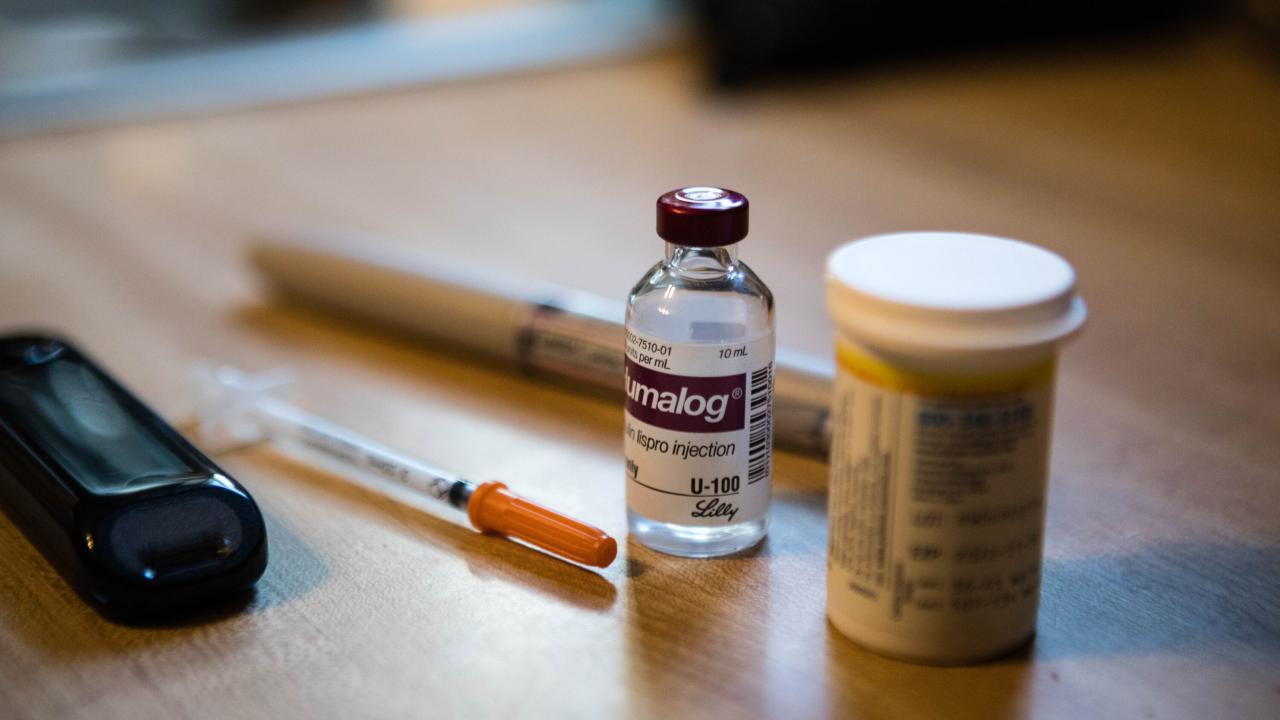
The passage of the insulin price cap bill marks a significant victory for patient advocacy groups and Democrats, highlighting the political landscape’s evolving focus on healthcare affordability. This legislation signifies a potential shift in the power dynamics between pharmaceutical companies and the government, with implications for future drug pricing policies.
Potential Economic Impact
The bill’s impact on healthcare spending and the pharmaceutical industry is a complex issue with several potential outcomes.
Impact on Healthcare Spending
The price cap could potentially lead to reduced healthcare spending on insulin, as patients would pay a maximum of $35 per month. This could translate into savings for both individuals and the government, particularly for programs like Medicare and Medicaid.
Impact on Pharmaceutical Industry
The bill’s impact on the pharmaceutical industry is multifaceted. Some argue that the price cap could deter innovation and investment in new insulin treatments, while others believe it could encourage companies to focus on developing more affordable options.
Economic Impact on the Pharmaceutical Industry
The pharmaceutical industry’s economic response to the price cap remains uncertain. While some companies might face reduced profits, others could see increased demand for their products due to lower prices.
The House passing a bill capping the monthly cost of insulin at $35 is a huge win for millions of Americans struggling with diabetes. It’s a reminder that even in our increasingly digital world, where opportunities like online teaching are flourishing, we still need to address critical real-world issues like healthcare accessibility.
This legislation is a step in the right direction, and hopefully, it will lead to greater affordability and improved access to this life-saving medication for all who need it.
Potential for Similar Price Caps on Other Medications
The success of the insulin price cap bill could pave the way for similar legislation targeting other essential medications. This could lead to a broader shift in drug pricing policies, with the potential to impact the affordability of medications for chronic diseases like cancer and heart disease.
Examples of Potential Medications
Several medications could potentially be subject to similar price caps, including:* Epipen
- An emergency treatment for severe allergic reactions
- Humira
- A drug used to treat rheumatoid arthritis and other autoimmune diseases
- Neulasta
- A drug used to stimulate white blood cell production after chemotherapy
Comparison to Other Strategies for Addressing Drug Affordability
The insulin price cap bill represents one approach to addressing drug affordability. Other strategies include:* Negotiation
- Allowing the government to negotiate lower prices for drugs covered by Medicare and Medicaid.
- Importation
- Allowing the importation of drugs from other countries, potentially leading to lower prices.
- Generic Competition
- Encouraging the development and availability of generic drugs.
Comparison of Strategies
Each strategy has its advantages and disadvantages. Negotiation could lead to lower prices but might face legal challenges from pharmaceutical companies. Importation could lower prices but might raise concerns about drug safety and quality. Generic competition could lead to lower prices but might not be feasible for all drugs.
Long-Term Implications

The insulin price cap bill carries significant long-term implications for insulin access, affordability, and healthcare policy. Its impact extends beyond immediate relief, potentially shaping the future of drug pricing and influencing healthcare policy for years to come.
Potential for Wider Drug Price Regulation
The insulin price cap bill could serve as a precedent for regulating the prices of other essential drugs. This precedent could encourage similar legislation targeting other high-cost medications, potentially leading to broader drug price control measures. The bill’s success in lowering insulin prices could inspire efforts to regulate the prices of medications for chronic conditions like cancer, rheumatoid arthritis, and multiple sclerosis, which often carry high costs and impact a significant portion of the population.
The bill’s success could act as a catalyst for future legislative efforts to address drug affordability concerns, prompting a more comprehensive approach to drug pricing.
Epilogue
The passage of this bill signifies a major victory for insulin users and advocates for affordable healthcare. By addressing the exorbitant cost of insulin, this legislation has the potential to improve access to this life-saving medication, reduce financial burdens for patients, and ensure that diabetes management remains a priority for individuals across the country.
While challenges remain in ensuring long-term affordability and access, this bill represents a critical step forward in addressing the affordability crisis in healthcare and demonstrates the power of bipartisan cooperation in tackling complex issues.