
Zelenskys Appeal Sparked Historic Sanctions on Russia
Historic sanctions on russia had roots in zelenskys emotional appeal – The historic sanctions imposed on Russia following its invasion of Ukraine had roots in Zelensky’s emotional appeal to the international community. His powerful speeches and unwavering determination, delivered with a blend of courage and vulnerability, captivated audiences worldwide, galvanizing support for Ukraine and condemning Russia’s actions.
This blog delves into the interplay of Zelensky’s emotional appeal, public opinion, and the political landscape that led to unprecedented sanctions. We’ll explore the historical context of sanctions against Russia, the impact of Zelensky’s communication strategies, and the ethical considerations surrounding these punitive measures.
Historical Context of Sanctions on Russia
Sanctions have been a recurring feature of international relations with Russia, reflecting a complex history of geopolitical tensions, territorial disputes, and human rights concerns. The use of sanctions as a tool of foreign policy has evolved over time, with varying degrees of effectiveness and unintended consequences.
Understanding the historical context of sanctions imposed on Russia is crucial for comprehending their impact on the country’s economy, society, and global relations. This historical analysis provides insights into the motivations behind sanctions, their implementation, and their effects, offering a valuable perspective on the ongoing situation.
Timeline of Significant Sanctions on Russia
The imposition of sanctions on Russia has been a gradual process, marked by key events that escalated tensions and triggered retaliatory measures. Here is a timeline of significant sanctions, highlighting the reasons behind each:
- 1991:Following the collapse of the Soviet Union, the West imposed sanctions on Russia in response to the country’s involvement in the Chechen War. These sanctions targeted the Russian military and its leaders, aiming to pressure Moscow to cease hostilities.
- 2008:After Russia’s military intervention in Georgia, the West imposed sanctions on Russia, focusing on financial and military sectors. These sanctions were intended to deter further aggression and promote a peaceful resolution to the conflict.
- 2014:Russia’s annexation of Crimea and support for separatists in eastern Ukraine led to a significant escalation of sanctions. The West imposed broad economic sanctions targeting key sectors of the Russian economy, including energy, finance, and defense.
- 2022:The full-scale invasion of Ukraine triggered a wave of unprecedented sanctions from Western countries. These sanctions targeted individuals and entities associated with the Russian government, including President Vladimir Putin, and aimed to cripple the Russian economy and limit its ability to wage war.
Effectiveness of Previous Sanctions
The effectiveness of previous sanctions on Russia has been a subject of debate, with varying opinions on their impact. While sanctions have undoubtedly imposed costs on the Russian economy, their long-term effects remain uncertain.
- 1991-2008:The impact of sanctions during this period is difficult to assess, as the Russian economy was undergoing significant transformation. However, some experts argue that these sanctions played a role in discouraging further aggression and promoting stability in the region.
- 2014:While the sanctions imposed in 2014 significantly impacted the Russian economy, they did not prevent Russia from annexing Crimea or supporting separatists in eastern Ukraine. This suggests that sanctions alone may not be sufficient to deter aggression.
- 2022:The full-scale invasion of Ukraine has triggered the most severe sanctions ever imposed on Russia. While these sanctions have had a significant impact on the Russian economy, it is too early to assess their long-term effectiveness in achieving their stated goals.
Zelensky’s Emotional Appeal and its Impact
Zelensky’s emotional appeals have been a defining feature of the Ukrainian resistance against Russia’s invasion. His powerful speeches and public appearances have not only galvanized Ukrainian citizens but also garnered international support, shaping global public opinion and influencing political decision-making.
The Power of Emotional Appeals
Zelensky’s communication strategy has been marked by his ability to connect with audiences on an emotional level. He has employed several key themes and messages in his speeches, effectively conveying the gravity of the situation and the urgency for international action.
It’s fascinating how the historic sanctions on Russia, initially fueled by Zelensky’s emotional appeal, have sparked a broader economic phenomenon. We’re witnessing a shift towards what some are calling “the bad vibes economy” the bad vibes economy , where consumer sentiment and ethical concerns play a significant role in purchasing decisions.
This trend highlights how global events can influence not just political landscapes, but also the very fabric of our economic systems.
- Appeal to Shared Values:Zelensky has consistently emphasized the shared values of freedom, democracy, and sovereignty, appealing to the international community’s commitment to these principles. His speeches often highlight the common threats posed by Russia’s aggression, drawing parallels between the Ukrainian struggle and the historical fight against authoritarianism.
- Emphasize the Human Cost:Zelensky has not shied away from depicting the human cost of the war, showcasing the suffering of Ukrainian civilians and the devastation inflicted by Russian forces. He has used personal anecdotes, vivid descriptions, and powerful imagery to evoke empathy and galvanize support for Ukraine.
- Call for Unity and Action:Zelensky has repeatedly called for unity among nations and decisive action against Russia. His speeches have emphasized the importance of international cooperation, highlighting the need for strong sanctions, military aid, and diplomatic pressure to deter Russian aggression.
The Role of Public Opinion and Media Coverage: Historic Sanctions On Russia Had Roots In Zelenskys Emotional Appeal
Public opinion played a crucial role in shaping the response to the conflict in Ukraine and the subsequent imposition of sanctions on Russia. The widespread condemnation of Russia’s actions, fueled by media coverage and Zelensky’s emotional appeals, exerted significant pressure on governments worldwide to take decisive action.
The Influence of Media Coverage and Zelensky’s Appeals
Media coverage of the conflict and Zelensky’s powerful appeals had a profound impact on public sentiment and political pressure. The graphic images of the war’s devastation, coupled with Zelensky’s unwavering resolve and emotional pleas for support, galvanized global public opinion.
It’s fascinating how Zelensky’s emotional appeal, much like a viral influencer’s pitch, mobilized global support for Ukraine. Just as we see influencers hyping crypto without disclosing their financial ties here , Zelensky’s raw vulnerability resonated with the world, pushing nations to impose unprecedented sanctions on Russia.
It’s a reminder that emotional manipulation, whether intentional or not, can have profound real-world consequences.
Examples of Media Coverage and Public Sentiment
- Social Media and Online Platforms:Social media platforms like Twitter and Facebook became crucial channels for disseminating information about the conflict and mobilizing support for Ukraine. The use of hashtags like #StandWithUkraine and #UkraineWar helped to raise awareness and amplify the voices of Ukrainian citizens.
- Global News Outlets:Major news outlets around the world provided extensive coverage of the conflict, including live updates, interviews with Ukrainian officials, and analysis from experts. This coverage helped to inform the public and shape their understanding of the events unfolding in Ukraine.
- Zelensky’s Addresses:Zelensky’s frequent addresses to international audiences, delivered in both Ukrainian and English, resonated with people across the globe. His powerful speeches, often filled with emotion and a sense of urgency, helped to galvanize support for Ukraine and increase pressure on governments to act.
Economic and Political Consequences of Sanctions
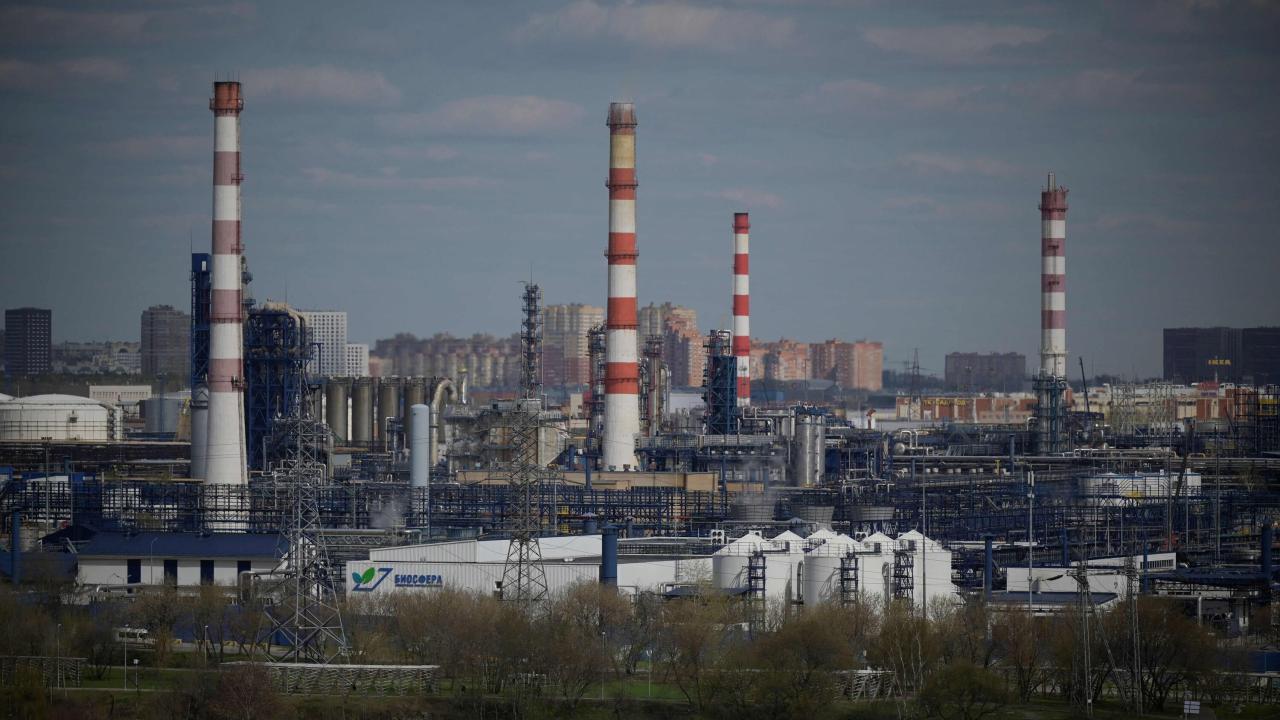
The sanctions imposed on Russia in response to its invasion of Ukraine have had a significant impact on the country’s economy and political landscape. These measures, aimed at isolating Russia from the global financial system and restricting its access to critical technologies and resources, have far-reaching consequences that are still unfolding.
Economic Consequences of Sanctions
The sanctions have severely affected various sectors of the Russian economy. The most immediate impact has been on the financial sector. The exclusion of major Russian banks from the SWIFT system has hampered their ability to conduct international transactions, making it difficult for businesses to receive payments and for individuals to access their funds abroad.
The Russian ruble has depreciated significantly, further exacerbating economic hardship.The sanctions have also disrupted key industries, such as energy, technology, and manufacturing. The restrictions on exports of high-tech equipment and components have hampered Russia’s ability to maintain and upgrade its infrastructure, particularly in the energy sector.
The ban on oil and gas imports from Russia has reduced its energy revenue, a crucial source of income for the country.
- Impact on Energy Sector:The sanctions have severely impacted the energy sector, particularly the oil and gas industry. Restrictions on oil exports and the reluctance of Western companies to invest in Russia have led to a decline in production and revenue. This has put pressure on the Russian government to find alternative markets for its energy resources, potentially leading to increased reliance on China and other non-Western countries.
- Impact on Technology Sector:The sanctions have significantly affected the technology sector, limiting Russia’s access to essential components and software. The restrictions on exports of microchips and other high-tech equipment have hampered the development and production of new technologies. This has hindered Russia’s ability to compete in the global technology market and has forced it to rely more heavily on domestic technology, which is generally less advanced.
- Impact on Manufacturing Sector:The sanctions have disrupted supply chains and restricted access to key inputs for manufacturing industries. The lack of access to foreign components and equipment has led to production delays and disruptions, affecting various sectors, including automotive, aerospace, and consumer goods.
This has impacted Russia’s ability to export manufactured goods and has led to increased reliance on domestic production, which is often less efficient and competitive.
Political Implications of Sanctions
The sanctions have also had significant political implications, both domestically and internationally. Domestically, the sanctions have fueled public discontent and contributed to a decline in President Putin’s approval ratings. The economic hardship caused by the sanctions has led to increased social unrest and protests, although the government has cracked down on dissent.Internationally, the sanctions have further isolated Russia from the West and have strained relations with countries that have imposed them.
The sanctions have also emboldened Russia’s adversaries, such as China, who have seen the sanctions as an opportunity to strengthen their own positions.
- Impact on Russian Domestic Politics:The sanctions have contributed to a decline in President Putin’s approval ratings and have fueled public discontent. The economic hardship caused by the sanctions has led to increased social unrest and protests, although the government has cracked down on dissent.
The sanctions have also strengthened the government’s control over the economy and society, as it seeks to manage the consequences of the sanctions and maintain stability.
- Impact on International Relations:The sanctions have further isolated Russia from the West and have strained relations with countries that have imposed them. The sanctions have also emboldened Russia’s adversaries, such as China, who have seen the sanctions as an opportunity to strengthen their own positions.
The sanctions have also led to a shift in Russia’s foreign policy, as it seeks to strengthen ties with countries that are not subject to the sanctions, such as China and India.
Potential Long-Term Effects of Sanctions
The long-term effects of the sanctions on Russia’s economy and society are still uncertain. The sanctions have already had a significant impact, but their full consequences will likely not be felt for years to come. The sanctions could lead to a prolonged period of economic stagnation, as Russia struggles to adapt to the new realities of its isolation from the global economy.
The sanctions could also exacerbate existing social tensions and lead to political instability.
The swiftness and severity of sanctions imposed on Russia after the invasion of Ukraine were undoubtedly fueled by Zelensky’s emotional appeals. It’s fascinating to note how this global response contrasts with the way societies often react to tragedies like mass shootings.
A study published in the Journal of Politics found that mass shootings typically lead to looser gun laws not stronger ones , highlighting a complex interplay between public sentiment, political maneuvering, and the power of lobbying groups. The stark difference in reactions to these two crises speaks volumes about the varying priorities and perceptions of security threats across the globe.
“The sanctions have had a significant impact on the Russian economy, and their long-term effects are still uncertain. The sanctions could lead to a prolonged period of economic stagnation, as Russia struggles to adapt to the new realities of its isolation from the global economy. The sanctions could also exacerbate existing social tensions and lead to political instability.”
International Cooperation and Responses
The imposition of sanctions on Russia was not a unilateral action by a single country but a coordinated effort by a vast network of nations and international organizations. The international community, spurred by Russia’s invasion of Ukraine, came together to leverage their collective power to isolate Russia and deter its aggression.
Countries and Organizations Imposing Sanctions
This unprecedented global response involved a broad coalition of countries and organizations, each contributing to the sanctions regime in their own way.
| Country/Organization | Key Sanctions |
|---|---|
| United States | Financial restrictions on Russian banks and individuals, export controls on technology and defense equipment, and visa bans. |
| European Union | Comprehensive financial sanctions, trade restrictions, and asset freezes on Russian individuals and entities. |
| United Kingdom | Financial sanctions, asset freezes, and export controls, targeting key sectors of the Russian economy. |
| Canada | Financial sanctions, asset freezes, and travel bans on Russian individuals and entities. |
| Japan | Financial sanctions, export controls, and asset freezes on Russian individuals and entities. |
| Australia | Financial sanctions, travel bans, and asset freezes on Russian individuals and entities. |
| NATO | Coordination of sanctions efforts, provision of military aid to Ukraine, and enhanced military presence in Eastern Europe. |
| G7 | Joint sanctions measures, coordinated economic policies, and support for Ukraine. |
Types of Sanctions Imposed
The sanctions imposed on Russia encompass a wide range of measures, targeting different aspects of the Russian economy and its global interactions.
| Type of Sanction | Examples |
|---|---|
| Financial Sanctions | Freezing assets of Russian banks and individuals, restrictions on international transactions, and limitations on access to financial markets. |
| Economic Sanctions | Trade restrictions, export controls on key technologies and commodities, and restrictions on investments. |
| Diplomatic Sanctions | Expulsion of diplomats, suspension of diplomatic relations, and withdrawal from international organizations. |
| Other Sanctions | Travel bans, asset seizures, and restrictions on cultural and sporting exchanges. |
International Cooperation in Enforcing Sanctions
The effectiveness of sanctions hinges on international cooperation, as it requires coordinated efforts to enforce the restrictions and prevent circumvention.
“The success of sanctions depends on the willingness of countries to cooperate and enforce them rigorously. This includes sharing intelligence, monitoring compliance, and taking collective action against violators.”
This cooperation involves sharing information, coordinating enforcement measures, and applying pressure on countries that may be tempted to circumvent the sanctions. For instance, the US and its allies have worked together to target Russian banks, individuals, and entities involved in the invasion of Ukraine.
They have also collaborated to monitor and prevent the use of third-party countries to circumvent sanctions.
Ethical Considerations and Debates
The imposition of sanctions, while often presented as a tool for achieving foreign policy objectives, raises significant ethical concerns. The potential impact on civilian populations and the broader societal consequences of sanctions necessitate a nuanced examination of their moral implications.
The Impact on Civilians, Historic sanctions on russia had roots in zelenskys emotional appeal
The ethical implications of sanctions are particularly complex when considering their impact on civilians. While sanctions are often targeted at specific individuals or entities within a country, they can have unintended consequences for ordinary citizens. This is especially true in situations where sanctions lead to economic hardship, shortages of essential goods, and disruptions in healthcare and education systems.
For example, the sanctions imposed on Russia following the invasion of Ukraine have led to rising inflation, supply chain disruptions, and limitations on access to vital medical supplies, impacting the lives of millions of ordinary Russians.
Ending Remarks
The story of sanctions against Russia is a testament to the power of human connection and the ability of a single individual to mobilize global support. Zelensky’s emotional appeal, combined with the weight of public opinion and the desire for international cooperation, ultimately led to a historic response, one that will continue to shape the global political landscape for years to come.