
Happy Retirement Living Requires These 5 Traits
Happy retirement living requires these 5 traits: financial security, physical and mental well-being, social connections and engagement, purpose and meaning, and flexibility and adaptability. These pillars are crucial for creating a fulfilling and enjoyable retirement experience. It’s not just about having enough money to live comfortably; it’s about having a balanced and fulfilling life.
You need to be able to maintain your health, stay connected with loved ones, find meaning in your days, and be adaptable to the changes that come with aging.
This blog post will delve into each of these five traits, offering practical tips and insights for navigating the transition into retirement and building a happy and healthy life for your golden years.
Financial Security
Retirement is a time to enjoy the fruits of your labor, but it’s also crucial to ensure financial security. A well-planned retirement strategy can help you maintain your desired lifestyle and enjoy peace of mind during your golden years.
Happy retirement living is all about embracing a new chapter, and that requires resilience, adaptability, and a healthy dose of humor. Remember, you don’t need to be a political firebrand like Madison Cawthorn, who recently lost his primary after facing intense GOP criticism as reported here , to enjoy your golden years.
Instead, focus on building strong relationships, exploring new hobbies, and making the most of every day. That’s the recipe for a truly happy retirement.
Managing Finances Effectively
Effective financial management in retirement is essential for ensuring a comfortable lifestyle. It involves careful budgeting, monitoring expenses, and making informed financial decisions.
Happy retirement living requires these 5 traits: adaptability, resilience, a sense of purpose, a healthy social life, and a bit of a playful spirit. Remember those childhood dreams of becoming a pro athlete? While you might not be hitting the field anymore, you can still keep that spirit alive by reading some inspiring sports stories with your grandkids! Check out this awesome list of 20 super sports books for kids of all ages , and maybe even rediscover your own love for the game.
After all, retirement is a time for enjoying life to the fullest, and what better way to do that than with a little bit of friendly competition and some good old-fashioned fun?
- Create a Budget:A comprehensive budget helps you track your income and expenses, ensuring you stay within your means. It’s crucial to account for all sources of income, including pensions, Social Security, and any investments.
- Monitor Expenses:Regularly review your spending habits and identify areas where you can cut back. Consider negotiating lower rates for utilities, shopping for discounts, and minimizing unnecessary expenses.
- Seek Professional Advice:Consulting with a financial advisor can provide valuable insights and guidance. They can help you develop a personalized financial plan tailored to your specific needs and goals.
Generating Passive Income Streams
Passive income sources can supplement your retirement income and provide financial stability. They require minimal effort once set up and can generate consistent returns over time.
- Real Estate Investments:Investing in rental properties can provide a steady stream of passive income. You can choose to manage the properties yourself or hire a property manager.
- Dividend-Paying Stocks:Investing in companies that pay dividends can provide a regular income stream. Choose companies with a history of consistent dividend payments and a solid financial track record.
- Affiliate Marketing:Promoting products or services through your website or social media channels can generate passive income through commissions.
Investments and Savings
Investments and savings play a vital role in achieving financial security in retirement. They provide a way to grow your wealth over time and ensure you have enough funds to cover your expenses.
“It’s never too early or too late to start saving for retirement. Even small contributions can add up significantly over time.”
- Retirement Accounts:401(k)s, IRAs, and Roth IRAs are tax-advantaged accounts designed for retirement savings. Contribute regularly and consider diversifying your investments within these accounts.
- Investment Strategies:Consult with a financial advisor to develop an investment strategy that aligns with your risk tolerance and time horizon. Diversifying your portfolio across different asset classes can help mitigate risk.
- Emergency Fund:Having an emergency fund can provide a safety net for unexpected expenses, such as medical bills or car repairs. Aim for 3-6 months of living expenses in your emergency fund.
Physical and Mental Well-being
Retirement is a time for relaxation and enjoyment, but it’s also crucial to prioritize your physical and mental well-being. Maintaining a healthy lifestyle can enhance your quality of life, allowing you to savor your golden years to the fullest.
Benefits of a Healthy Lifestyle
A healthy lifestyle offers numerous benefits for retirees, including:
- Increased Energy Levels:Regular exercise and a balanced diet can boost your energy levels, making it easier to engage in activities you enjoy.
- Improved Sleep Quality:A healthy lifestyle can improve your sleep quality, leading to more restful nights and better cognitive function during the day.
- Reduced Risk of Chronic Diseases:Maintaining a healthy weight, eating a balanced diet, and engaging in regular physical activity can lower your risk of developing chronic diseases like heart disease, stroke, and type 2 diabetes.
- Enhanced Cognitive Function:Exercise and a healthy diet can improve blood flow to the brain, enhancing cognitive function and reducing the risk of age-related cognitive decline.
- Improved Mood and Mental Well-being:Physical activity releases endorphins, which have mood-boosting effects. A balanced diet can also contribute to a positive mental state.
Sample Daily Routine, Happy retirement living requires these 5 traits
Here’s a sample daily routine that promotes physical and mental well-being:
- Morning:Start your day with a healthy breakfast, such as oatmeal with fruit and nuts, or a smoothie with protein powder and leafy greens. Engage in 30 minutes of moderate-intensity exercise, like brisk walking, cycling, or swimming.
- Afternoon:Enjoy a nutritious lunch, focusing on lean protein, whole grains, and vegetables. Take a break to relax and engage in a calming activity, such as reading, listening to music, or spending time in nature.
- Evening:Prepare a healthy dinner, incorporating plenty of fruits and vegetables. Wind down with a relaxing activity, such as taking a warm bath, reading a book, or listening to calming music. Aim for 7-8 hours of quality sleep.
Importance of Exercise
Regular exercise is essential for maintaining physical and mental well-being in retirement. It helps to:
- Improve Cardiovascular Health:Exercise strengthens your heart and lungs, reducing your risk of heart disease and stroke.
- Maintain Muscle Mass:As we age, we naturally lose muscle mass. Exercise helps to preserve muscle strength and function, improving mobility and balance.
- Boost Mood and Reduce Stress:Exercise releases endorphins, which have mood-boosting effects and can help to reduce stress levels.
- Improve Sleep Quality:Regular exercise can promote better sleep patterns, leading to more restful nights.
Importance of a Balanced Diet
A balanced diet is crucial for maintaining optimal health in retirement. It provides the essential nutrients your body needs to function properly and can help to:
- Maintain a Healthy Weight:A balanced diet can help you maintain a healthy weight, reducing your risk of obesity-related health problems.
- Reduce Risk of Chronic Diseases:A diet rich in fruits, vegetables, whole grains, and lean protein can lower your risk of developing chronic diseases like heart disease, stroke, and type 2 diabetes.
- Boost Energy Levels:A balanced diet provides your body with the energy it needs to function properly, improving your overall energy levels.
- Support Cognitive Function:Certain nutrients, such as omega-3 fatty acids and antioxidants, are essential for brain health and can help to improve cognitive function.
Managing Stress and Promoting Mental Health
Stress is a common concern for retirees, but there are strategies to manage it effectively and promote mental well-being:
- Practice Relaxation Techniques:Techniques like deep breathing, meditation, and yoga can help to reduce stress levels and promote relaxation.
- Engage in Hobbies and Activities You Enjoy:Pursuing hobbies and activities you enjoy can provide a sense of purpose and fulfillment, reducing stress and promoting happiness.
- Connect with Others:Social interaction is crucial for mental well-being. Stay connected with friends, family, and your community through social activities and events.
- Seek Professional Help When Needed:If you’re struggling to manage stress or mental health concerns, don’t hesitate to seek professional help from a therapist or counselor.
Social Connections and Engagement
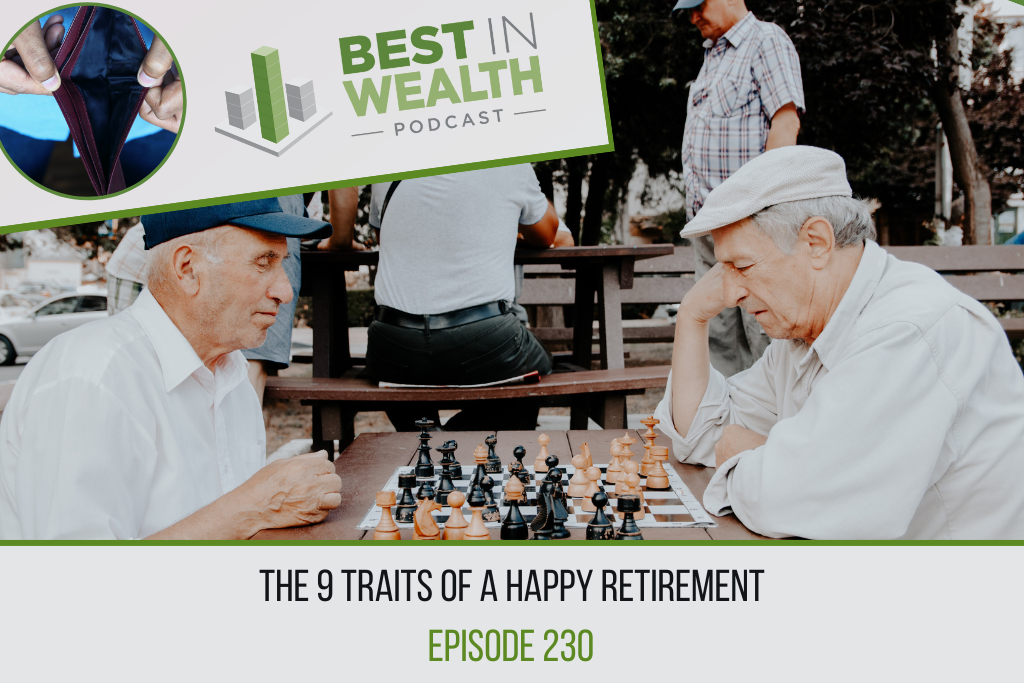
Retirement is a time to enjoy newfound freedom and pursue passions, but it’s also crucial to maintain a vibrant social life. Staying connected with loved ones and engaging with your community can enrich your life, foster a sense of belonging, and contribute to overall well-being.
Maintaining Relationships
Strong relationships with family and friends are essential for happiness and well-being. Making time for regular contact with loved ones can help you stay connected and build lasting memories.
- Schedule regular phone calls or video chats with family and friends who live far away.
- Plan in-person visits or outings with loved ones who live nearby.
- Organize family gatherings or potlucks to foster shared experiences.
Joining Clubs and Groups
Joining clubs, groups, or volunteer organizations is a fantastic way to meet new people who share your interests and hobbies.
- Explore local community centers, libraries, and senior centers for a wide range of clubs and groups.
- Consider joining a book club, art class, or fitness group to engage in activities you enjoy.
- Volunteer your time and skills to a cause you care about, such as a local charity or animal shelter.
Participating in Community Activities
Engaging in community activities can help you connect with your neighbors, stay informed about local events, and contribute to the well-being of your community.
- Attend local events, festivals, and concerts to experience the vibrant culture of your community.
- Volunteer at a local soup kitchen, food bank, or other charitable organization to make a difference in the lives of others.
- Participate in community gardening projects, neighborhood watch programs, or local political campaigns.
Purpose and Meaning
Retirement is a time for reflection and reinvention. It’s an opportunity to explore new passions, reconnect with loved ones, and give back to the community. While financial security, physical and mental well-being, and social connections are important pillars of a fulfilling retirement, finding purpose and meaning in your later years is equally crucial.
Happy retirement living requires these 5 traits: resilience, adaptability, a positive outlook, strong social connections, and a sense of purpose. Just like teachers need support for their own social-emotional well-being, ripple effects offers access to its educator ally program to support teachers social emotional needs , retirees can find fulfillment by nurturing these qualities.
By embracing these traits, you can create a fulfilling and joyful retirement journey.
Pursuing Hobbies and Interests
Finding purpose in retirement often involves reconnecting with old passions or discovering new ones. Retirement offers the freedom to dedicate time to activities you’ve always wanted to explore. For example, if you’ve always loved painting, now is the perfect time to take up brush and canvas.
If you’ve always been fascinated by woodworking, consider taking a class or joining a woodworking club. These activities can provide a sense of accomplishment, creativity, and connection.
Staying Active and Engaged
Staying active and engaged is essential for maintaining physical and mental well-being, and it plays a crucial role in finding purpose in retirement. Physical activity can range from joining a gym to taking walks in nature, or even trying out a new sport.
Engaging in activities that challenge your mind, such as reading, learning a new language, or taking online courses, can keep your brain sharp and stimulated.
Volunteering and Giving Back
Volunteering is a rewarding way to give back to the community and find purpose in retirement. There are countless opportunities to volunteer your time and skills to organizations that align with your interests and values. Volunteering can provide a sense of fulfillment, social connection, and purpose.
It can also help you learn new skills, meet new people, and make a positive impact on the world. For example, if you have a passion for animals, you could volunteer at a local animal shelter. If you’re interested in helping children, you could volunteer at a school or community center.
Flexibility and Adaptability: Happy Retirement Living Requires These 5 Traits

Retirement is a time for new beginnings, but it also comes with unexpected changes. The ability to adapt and adjust to these changes is crucial for a fulfilling and happy retirement experience. Embracing flexibility and adaptability will help you navigate the challenges and embrace the exciting opportunities that retirement offers.
The Importance of Embracing Change
The key to a successful retirement lies in your willingness to adapt to new situations and embrace change. Your routine will likely shift, and you might find yourself with more free time than you’re accustomed to. This can be a positive thing, but it also requires a certain level of flexibility.
Think of this as an opportunity to explore new interests, travel, or spend more time with loved ones.
Managing Unexpected Challenges and Setbacks
Retirement isn’t always smooth sailing. You might encounter unexpected financial challenges, health issues, or even personal setbacks. It’s essential to develop coping mechanisms and strategies for managing these situations.
- Maintain a Positive Outlook:A positive attitude can help you overcome obstacles and maintain a sense of hope. Focus on the things you can control and celebrate small victories.
- Seek Support:Don’t be afraid to reach out to friends, family, or professional support groups for help. Having a network of people you can rely on can make a significant difference during challenging times.
- Stay Active:Physical activity can boost your mood and improve your overall well-being. Engage in activities you enjoy, whether it’s walking, swimming, dancing, or gardening.
- Reframe Your Perspective:Try to see setbacks as opportunities for growth and learning. Ask yourself, “What can I learn from this experience?” and “How can I use this to move forward?”
The Benefits of Maintaining a Positive and Optimistic Outlook
A positive outlook can significantly impact your retirement experience. It can help you:
- Cope with Stress:Stress is a common part of life, but a positive mindset can help you manage it more effectively.
- Improve Your Health:Studies have shown that optimism can boost your immune system and reduce your risk of chronic diseases.
- Strengthen Your Relationships:A positive attitude can make you more enjoyable to be around, leading to stronger relationships with family and friends.
- Enhance Your Overall Well-being:A positive outlook can help you feel more satisfied with your life and experience a greater sense of fulfillment.
Final Thoughts
Retirement is a significant chapter in life, and it’s one that should be approached with intention and planning. By focusing on these five key traits, you can set yourself up for a fulfilling and joyful retirement experience. Remember, retirement is a time to embrace new possibilities, pursue your passions, and create a life that brings you joy and satisfaction.