
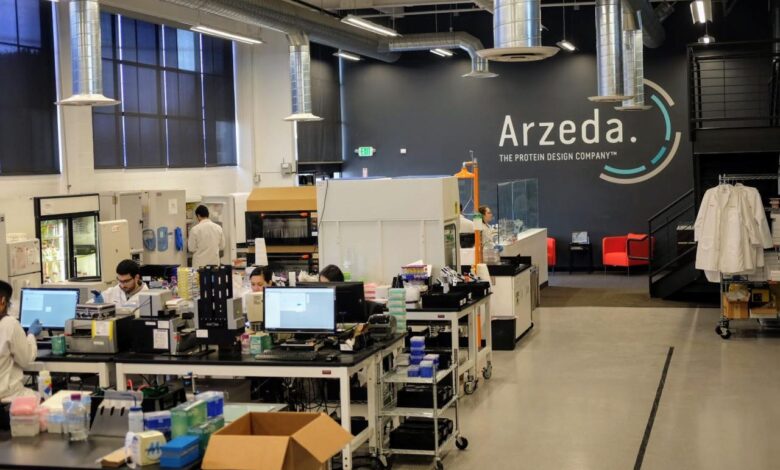
Enzyme Design Startup Lands $33M, Addiction Recovery Firm Raises $3M
Funding news enzyme design startup lands 33m addiction recovery company raises 3m – Enzyme Design Startup Lands $33M, Addiction Recovery Firm Raises $3M sets the stage for this enthralling narrative, offering readers a glimpse into a story that is rich in detail and brimming with originality from the outset. The biotech and healthcare sectors are experiencing a surge in funding, particularly for innovative solutions like enzyme design and addiction recovery.
These areas hold immense promise for addressing global challenges and improving human health, attracting significant investor interest.
The recent influx of capital highlights the growing recognition of these sectors’ potential to revolutionize healthcare. Enzyme design startups are developing groundbreaking technologies with applications ranging from biomanufacturing to environmental remediation. Meanwhile, addiction recovery companies are utilizing technology and innovative approaches to address the complex needs of individuals struggling with substance abuse.
Funding Trends in Biotech and Healthcare: Funding News Enzyme Design Startup Lands 33m Addiction Recovery Company Raises 3m
The biotech and healthcare sectors continue to attract significant investment, with enzyme design startups and addiction recovery companies emerging as key players. This article delves into the current funding landscape for these sectors, examining the factors driving investment and the key players involved.
Enzyme Design Startup Funding
Enzyme design startups are attracting substantial funding, driven by the potential of engineered enzymes to revolutionize various industries.
It’s been a busy week in the funding world, with an enzyme design startup landing a whopping $33 million and an addiction recovery company securing $3 million. But while these headlines are exciting, it’s also important to remember that the very foundations of our democracy are under threat.
As we celebrate these entrepreneurial successes, we must also be vigilant against the dangerous rhetoric of election deniers, who are actively trying to undermine our electoral system. Read more about this concerning trend in this article: how influential election deniers have fueled a fight to control elections.
We can’t afford to be complacent. The future of our democracy depends on our collective commitment to ensuring free and fair elections.
- High Growth Potential:Engineered enzymes offer solutions across industries, including pharmaceuticals, biofuels, and food production, driving investor interest in their potential for significant growth and disruption.
- Technological Advancements:Advancements in computational design, synthetic biology, and high-throughput screening have accelerated the development of novel enzymes with enhanced properties, making the field more attractive to investors.
- Market Demand:The demand for sustainable and cost-effective solutions in various sectors, such as biomanufacturing and environmental remediation, has fueled the need for innovative enzyme technologies.
The funding amounts raised by enzyme design startups vary significantly, with some securing substantial sums. For instance, the enzyme design startup mentioned earlier, which secured $33 million, highlights the potential for significant investment in this sector. This funding will likely be used to accelerate the development of its enzyme technologies and expand its market reach.
Addiction Recovery Company Funding
Addiction recovery companies are attracting funding as investors recognize the growing need for effective treatment options.
It’s amazing to see the impact of funding on innovation, with an enzyme design startup landing $33 million and an addiction recovery company raising $3 million. But sometimes, the most impactful change comes from a simple act of kindness, like the one seen in this heartwarming story you just saved a life kind stranger brings starbucks barista to tears in life changing interaction.
These stories remind us that true progress comes from both groundbreaking advancements and everyday acts of compassion. Hopefully, these investments will lead to breakthroughs in their respective fields, while also inspiring others to make a positive difference in the world.
- Rising Prevalence of Addiction:The increasing prevalence of substance abuse disorders globally has driven the demand for accessible and effective treatment options.
- Innovative Treatment Approaches:Addiction recovery companies are developing innovative treatment approaches, including digital therapeutics, personalized medicine, and telehealth platforms, attracting investors seeking to address the evolving needs of patients.
- Favorable Regulatory Landscape:The increasing acceptance of evidence-based treatments and the growing recognition of the importance of mental health have created a more favorable regulatory environment for addiction recovery companies.
While the funding amounts raised by addiction recovery companies may be smaller than those raised by enzyme design startups, the sector is attracting significant interest. The $3 million raised by the addiction recovery company mentioned earlier exemplifies the growing investment in this space.
This funding will likely be used to expand its reach, develop new treatment programs, and enhance its technological capabilities.
Key Investors and Investment Strategies
Venture capital firms, private equity funds, and strategic investors are actively participating in the funding of both enzyme design startups and addiction recovery companies.
It’s been a busy week for funding news, with an enzyme design startup landing a hefty $33 million and an addiction recovery company raising $3 million. Meanwhile, across the pond, a historic election in Northern Ireland has thrown the region into a state of flux, but the analysis of the results suggests that the UK remains intact.
It’s fascinating to see how these disparate events, both focused on innovation and change, are playing out on the global stage. Back to the funding news, it seems like investors are bullish on the future of both biotech and mental health solutions.
- Venture Capital Firms:These firms typically invest in early-stage companies with high growth potential, focusing on disruptive technologies and innovative business models. They often provide seed funding and Series A financing, helping companies to develop their technologies and expand their operations.
- Private Equity Funds:These funds invest in later-stage companies with established track records, often providing capital for acquisitions, expansion, and debt refinancing. They are attracted to companies with strong management teams and a clear path to profitability.
- Strategic Investors:These investors are typically large corporations or institutions that invest in companies that align with their strategic goals. They may provide funding in exchange for access to new technologies, market insights, or potential partnerships.
Investors in these sectors are increasingly focused on companies with a strong scientific foundation, a clear path to market, and a robust business model. They are also looking for companies with experienced management teams and a strong commitment to social impact.
Enzyme Design
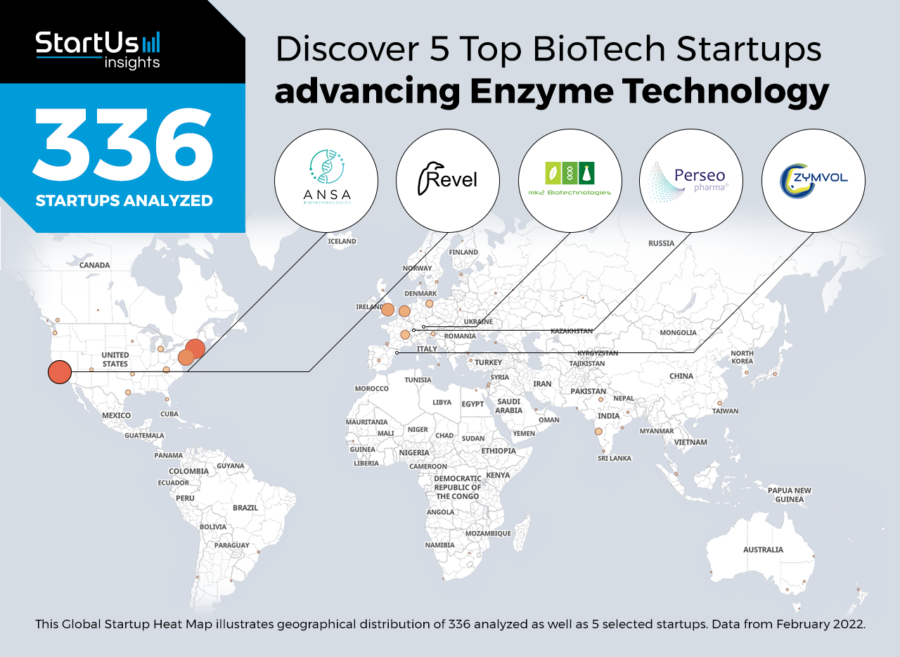
Enzyme design is a rapidly advancing field with the potential to revolutionize various industries. By harnessing the power of nature’s most efficient catalysts, enzyme design aims to create bespoke enzymes with enhanced properties and novel functionalities. This opens up a wide range of applications, from developing sustainable biocatalysts for industrial processes to designing therapeutic enzymes for disease treatment.
Applications of Enzyme Design
Enzyme design has far-reaching applications across diverse industries, including:
- Biotechnology:Enzymes are crucial in biotechnology, playing a role in various processes like biofuel production, bioremediation, and biopharmaceutical manufacturing. Enzyme design can lead to the development of more efficient and sustainable biocatalysts, reducing reliance on traditional chemical processes and minimizing environmental impact.
- Pharmaceuticals:Enzyme design is transforming the pharmaceutical industry by enabling the development of novel therapeutic enzymes. These enzymes can target specific disease pathways, offering more effective and targeted treatments. For example, enzyme design is being used to develop new therapies for cancer, genetic disorders, and infectious diseases.
- Agriculture:Enzyme design can improve agricultural practices by enhancing crop yields and reducing reliance on chemical fertilizers and pesticides. For instance, enzymes can be designed to break down plant cell walls, making nutrients more accessible to crops, or to degrade harmful pesticides, minimizing their environmental impact.
- Food and Beverage:Enzymes play a crucial role in food processing, contributing to flavor enhancement, texture modification, and preservation. Enzyme design can lead to the development of more efficient and specific enzymes for food applications, improving product quality and reducing processing times.
- Environmental Remediation:Enzyme design can contribute to environmental cleanup by developing enzymes that degrade pollutants, such as plastics, heavy metals, and pesticides. These bioremediation strategies offer a sustainable and environmentally friendly approach to pollution control.
Innovative Enzyme Design Technologies, Funding news enzyme design startup lands 33m addiction recovery company raises 3m
Recent advancements in enzyme design have been driven by the development of innovative technologies, including:
- Directed Evolution:This technique involves introducing random mutations into an enzyme’s gene and selecting for variants with desired properties. This iterative process can lead to the development of enzymes with enhanced activity, stability, or substrate specificity.
- Rational Design:This approach uses computational methods to predict the effects of specific mutations on enzyme structure and function. This allows researchers to design enzymes with desired properties based on their understanding of protein structure and function.
- Structure-Based Design:This method involves using structural information about an enzyme to guide the design of mutations that alter its activity or specificity. This approach allows for more targeted and efficient enzyme engineering.
Challenges and Opportunities
Despite the significant progress made in enzyme design, there are still challenges that need to be addressed:
- Predicting Enzyme Activity:Accurately predicting the effects of mutations on enzyme activity remains a challenge. This limits the efficiency of rational design approaches and requires extensive experimental validation.
- Designing Enzymes with Novel Functions:Designing enzymes with completely new functionalities, beyond those found in nature, remains a significant challenge. This requires a deep understanding of enzyme evolution and the ability to predict the effects of complex mutations.
- Scaling Up Production:Scaling up the production of designed enzymes can be challenging, particularly for enzymes with complex structures or requiring specific growth conditions.
However, these challenges also present opportunities for innovation:
- Advancements in Computational Methods:Continued development of computational methods, including artificial intelligence and machine learning, will improve the accuracy of enzyme activity predictions and facilitate the design of enzymes with novel functions.
- Synthetic Biology Tools:Advances in synthetic biology provide new tools for building and modifying enzymes, enabling the creation of enzymes with unique properties and functionalities.
- Optimization of Production Processes:Optimization of enzyme production processes, including fermentation and downstream processing, will enable the cost-effective production of designed enzymes at scale.
The Future of Enzyme Design
The future of enzyme design is bright, with the potential to address global challenges in areas such as sustainability, healthcare, and food security. Enzyme design is poised to play a crucial role in developing:
- Sustainable Biocatalysts:Enzyme design can contribute to a more sustainable future by developing biocatalysts for industrial processes, reducing reliance on fossil fuels and minimizing environmental impact.
- Novel Therapeutics:Enzyme design is expected to lead to the development of new and effective therapies for a wide range of diseases, improving human health and well-being.
- Enhanced Food Production:Enzyme design can enhance food production by improving crop yields, reducing food waste, and developing novel food processing technologies.
Addiction Recovery
Addiction recovery is a complex and challenging process that requires significant commitment and support. It involves overcoming physical, psychological, and social barriers to achieve lasting sobriety. While addiction recovery is a personal journey, it is often facilitated by a combination of therapies, support groups, and community resources.
The Role of Technology and Innovation in Addiction Treatment
Technological advancements have revolutionized the way addiction is treated, offering innovative solutions to address the unique needs of individuals struggling with substance abuse. These advancements provide new avenues for personalized care, accessible support, and evidence-based interventions.
- Telehealth Platforms:Remote therapy sessions, online support groups, and virtual check-ins provide convenient access to addiction treatment, bridging geographical barriers and reducing stigma. These platforms enable individuals to engage in therapy from the comfort of their homes, enhancing accessibility and convenience.
- Mobile Apps:Addiction recovery apps offer a range of features, including relapse prevention tools, motivational prompts, symptom tracking, and access to support networks. These apps provide personalized guidance and support throughout the recovery journey, empowering individuals to take control of their well-being.
- Wearable Technology:Wearable devices can track physiological data, such as heart rate, sleep patterns, and activity levels, providing valuable insights into an individual’s physical and emotional state. This data can help identify potential triggers and patterns associated with substance use, enabling personalized interventions and proactive support.
Types of Addiction Recovery Companies and Their Approaches
The addiction recovery landscape is diverse, with various companies offering a range of treatment approaches and support services.
| Type of Company | Approach | Examples |
|---|---|---|
| Residential Treatment Centers | Provide intensive, structured programs in a residential setting, offering 24/7 support and therapeutic interventions. | Betty Ford Center, Hazelden Betty Ford Foundation |
| Outpatient Treatment Centers | Offer flexible treatment options, including individual therapy, group therapy, and medication-assisted treatment, on an outpatient basis. | SAMHSA-funded Community Mental Health Centers, private outpatient clinics |
| Technology-Enabled Platforms | Leverage technology to provide remote therapy, online support groups, and digital tools for addiction management. | Talkspace, BetterHelp, Daybreak |
| Support Groups | Facilitate peer-to-peer support and shared experiences, fostering a sense of community and understanding among individuals in recovery. | Alcoholics Anonymous (AA), Narcotics Anonymous (NA) |
Funding Levels and Focus Areas of Addiction Recovery Companies
Significant investments are being made in the addiction recovery sector, reflecting the growing recognition of the critical need for effective and accessible treatment.
| Company | Funding Level | Focus Area |
|---|---|---|
| Talkspace | $180 million | Teletherapy for mental health and addiction |
| Daybreak | $40 million | Digital addiction treatment platform |
| BetterHelp | $100 million | Online therapy for mental health and addiction |
| Pear Therapeutics | $250 million | Digital therapeutics for substance use disorders |
Outcome Summary
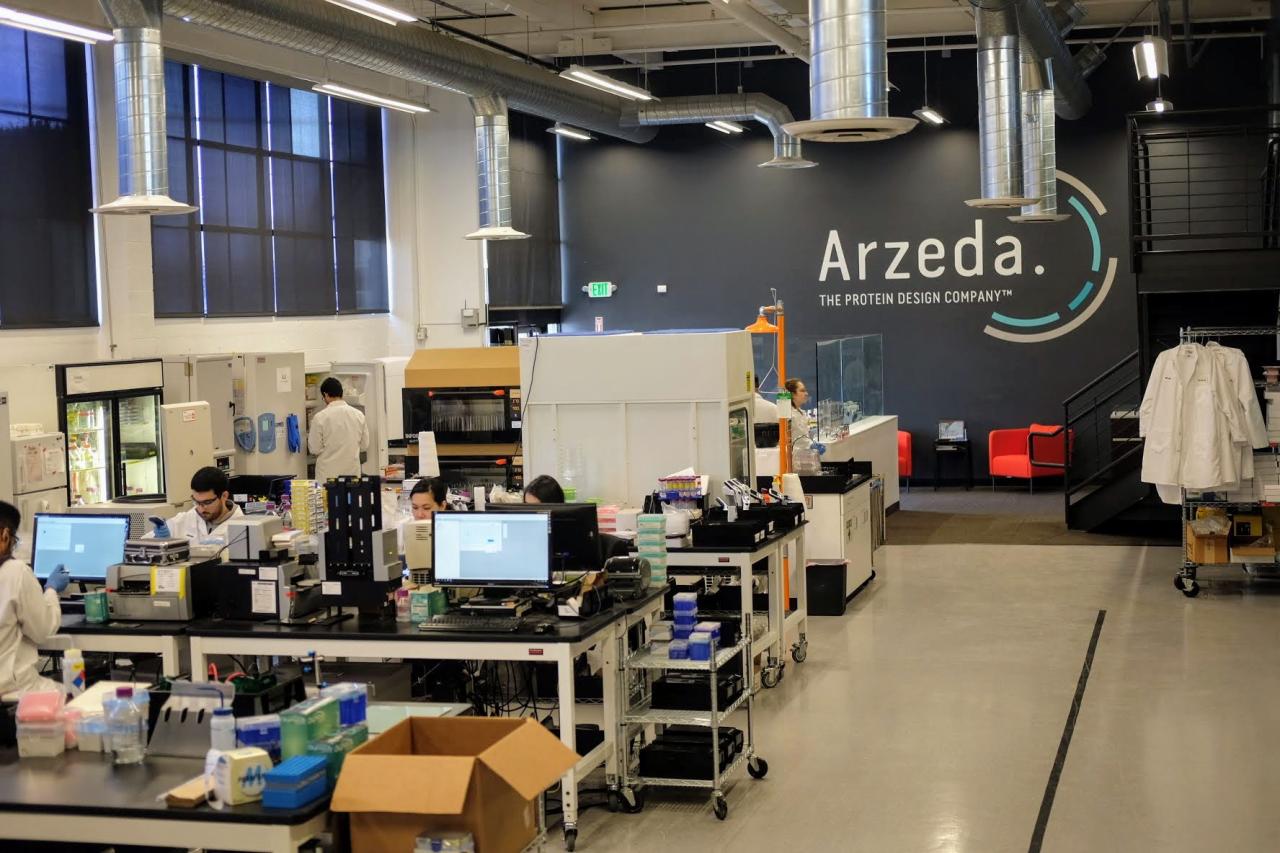
The recent funding announcements for enzyme design and addiction recovery companies signal a positive trend in the healthcare landscape. These investments not only demonstrate the potential of these sectors to generate significant returns but also underscore their commitment to improving human health and well-being.
The future holds exciting possibilities for these industries, as continued innovation and investment pave the way for groundbreaking solutions to address some of the world’s most pressing challenges.