DeSantis Vetoes Florida Map, Aiming for GOP Advantage
Florida Governor Ron DeSantis vetoes congressional map in push for heavier GOP gerrymander, igniting a firestorm of controversy. The move has sparked heated debate, with critics accusing DeSantis of prioritizing partisan gain over fair representation. At the heart of the issue is a proposed congressional map that, if implemented, could significantly alter Florida’s political landscape.
The map, crafted by the Republican-controlled legislature, aimed to bolster the GOP’s hold on the state’s congressional delegation, potentially impacting the outcome of future elections, including the crucial 2024 presidential race. The veto, however, has thrown a wrench into these plans, leaving the future of the map and the political landscape of Florida hanging in the balance.
DeSantis’s decision to veto the map was driven by a desire to create a more favorable electoral environment for Republicans. He argued that the proposed map unfairly favored Democrats, citing a lack of transparency and potential legal challenges as key concerns.
The governor’s stance aligns with the broader Republican strategy of redistricting, which often involves manipulating electoral boundaries to secure political advantage. The veto has been met with strong opposition from Democrats and voting rights advocates, who accuse DeSantis of engaging in blatant gerrymandering.
The legal challenges surrounding the veto are expected to be fierce, with both sides presenting compelling arguments. The outcome of this battle could have far-reaching implications for Florida’s political landscape, shaping the state’s electoral dynamics for years to come.
Context of the Veto
Florida Governor Ron DeSantis’s veto of the congressional map proposed by the state legislature sparked a wave of controversy, highlighting the ongoing battle for political control in the Sunshine State. The veto, which came after a lengthy legislative process involving various stakeholders, signifies the governor’s commitment to a more favorable map for Republicans, potentially impacting the state’s political landscape for years to come.
Florida Governor Ron DeSantis’ veto of the congressional map, in a bid for a more Republican-friendly districting, is just another example of how political maneuvering can impact our daily lives. While we grapple with the implications of this move, it’s worth considering the broader economic picture.
Check out this analysis on oil trading at $250 a barrel , which highlights the potential for further instability in the energy sector. Ultimately, these events are interconnected, and understanding the complexities of both politics and economics is crucial to navigating the challenges ahead.
Proposed Congressional Map and its Impact
The proposed map, crafted by the Republican-controlled legislature, aimed to create a more favorable environment for Republican candidates in future elections. The map’s architects sought to solidify existing Republican districts while creating new districts that would benefit GOP candidates. The proposed map’s impact on Florida’s political landscape is a subject of intense debate.
“This map is a blatant attempt to gerrymander the state and give Republicans an unfair advantage,”
stated a spokesperson for the Florida Democratic Party.Proponents of the map argue that it reflects population changes and ensures fair representation. However, critics contend that it prioritizes partisan advantage over fairness, diluting the voting power of minority communities and potentially leading to a less representative congressional delegation.
Political Climate in Florida and the Role of the Republican Party
Florida’s political landscape has shifted significantly in recent years, with the Republican Party gaining a dominant position. This shift is attributed to a variety of factors, including demographic changes, the growth of the Republican base, and the successful mobilization of Republican voters.
The Republican Party has been actively shaping Florida’s political landscape, with Governor DeSantis playing a pivotal role. His veto of the congressional map reflects his commitment to maintaining Republican dominance in the state.
Florida Governor Ron DeSantis’ veto of the congressional map is a prime example of how political power plays can overshadow the needs of the people. While he claims it’s about fairness, it’s hard to ignore the blatant attempt to solidify GOP control through gerrymandering.
It’s time to think outside the mask mandate its time to think outside the mask mandate , and focus on real issues like ensuring fair representation in our government. This move by DeSantis raises serious concerns about the future of democracy in Florida and sets a dangerous precedent for other states.
Legislative Process Leading to the Veto
The legislative process leading to the veto was marked by intense debate and lobbying efforts from various stakeholders. The Republican-controlled legislature initially approved the proposed map, reflecting the party’s desire to maintain its political advantage. However, Governor DeSantis, who has consistently championed conservative policies, intervened by vetoing the map.
His decision was driven by a desire to ensure a more favorable map for Republicans, reflecting his commitment to partisan advantage.The veto sparked a wave of reactions, with Democrats criticizing the governor’s actions while Republicans defended his stance. The veto also highlighted the ongoing battle for political control in Florida, a battle that is likely to continue in the years to come.
Ron DeSantis’s Rationale
Governor DeSantis, known for his staunch conservative views and his vocal opposition to Democratic policies, provided several reasons for his veto of the congressional map drawn by the Florida Legislature. His actions were driven by a desire to ensure a Republican advantage in future elections, and he argued that the proposed map did not adequately reflect the principles of fair representation.
Florida Governor Ron DeSantis’s veto of the congressional map is a bold move, one that reflects a broader strategy of maximizing Republican advantage. It’s a reminder that even in seemingly mundane administrative tasks, like creating a map, there’s a fight for power.
To truly understand the game being played, it’s crucial to stay organized and proactive. This is where the power of templates comes in, and a great place to start is by checking out 5 documents you should open every day to maximize your success with templates.
With the right tools, we can better understand the political landscape and the ongoing battle for control, even in something as seemingly simple as a congressional map.
Arguments for the Veto
DeSantis’s veto was based on a combination of legal and political arguments. He asserted that the map failed to adhere to the “Fair Districts” amendments to the Florida Constitution, which were passed by voters in 2010. These amendments aim to prevent gerrymandering, a practice that involves manipulating district boundaries to favor a particular political party.
- DeSantis argued that the map unfairly diluted the voting power of minority communities, particularly Black voters, by splitting them across multiple districts.
- He also criticized the map for creating districts that were not compact or contiguous, violating the “Fair Districts” guidelines.
DeSantis further claimed that the map was drawn to benefit incumbents and protect their seats, rather than reflecting the interests of the electorate. He asserted that the proposed map would have resulted in an unfair advantage for Democrats in several districts, and he sought to ensure that Republicans retained a majority in the Florida congressional delegation.
Potential Implications
DeSantis’s veto triggered a legal battle, with the Florida Legislature challenging his decision in court. The outcome of this legal challenge will have significant implications for future elections in Florida. If the courts uphold DeSantis’s veto, it could lead to a new map being drawn that favors Republicans, potentially solidifying their control of the state’s congressional delegation.
However, if the courts overturn the veto, the Legislature’s map would be implemented, potentially giving Democrats a better chance in the next election cycle.
Impact on Florida Politics
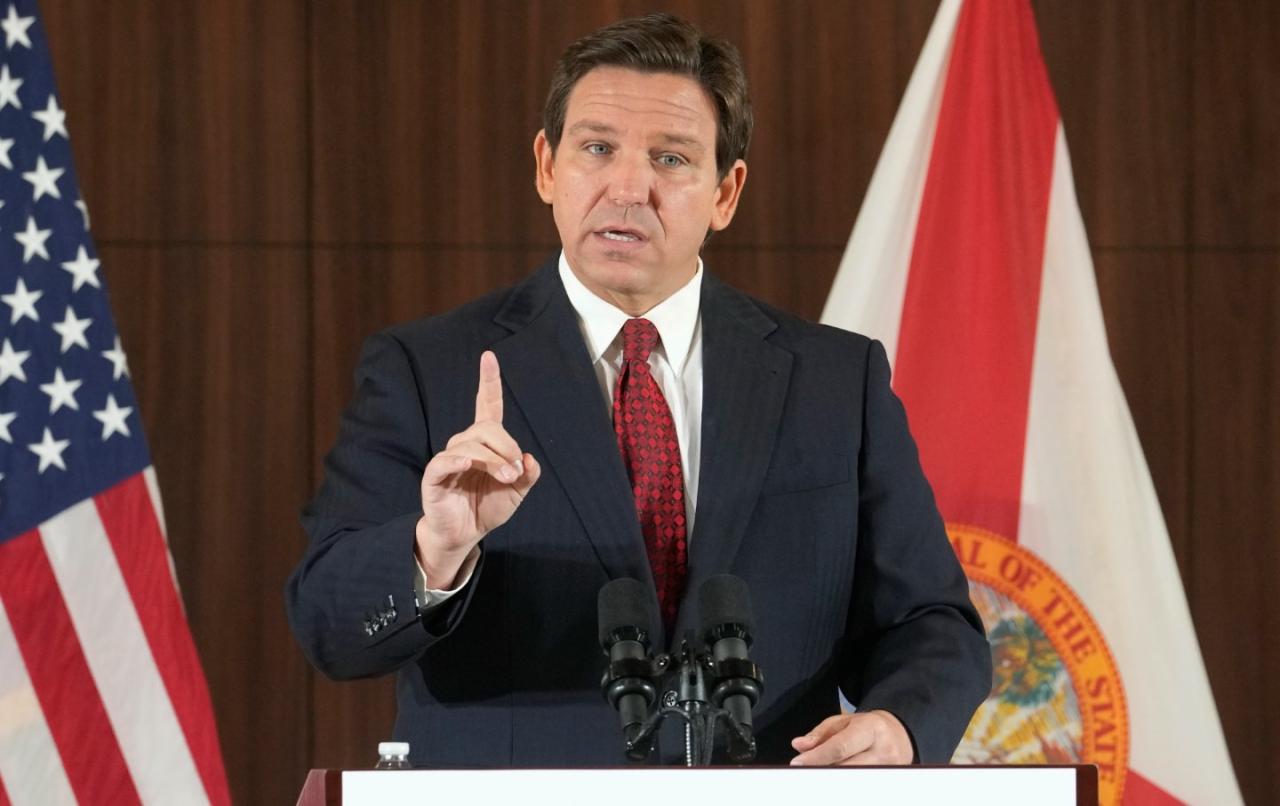
DeSantis’s veto of the congressional map has far-reaching implications for Florida’s political landscape, potentially altering the balance of power in the state legislature and impacting the 2024 presidential election. This move has ignited a fierce debate, with both sides presenting compelling arguments about the potential consequences of the veto.
Potential Effects on the Balance of Power in the Florida Legislature, Florida governor ron desantis vetoes congressional map in push for heavier gop gerrymander
The veto could significantly impact the balance of power in the Florida legislature. By rejecting the proposed map, DeSantis has effectively thrown the process back to the drawing board, giving him the opportunity to push for a map that favors Republicans.
This could result in a more Republican-leaning legislature, potentially giving the party more control over policymaking and legislative initiatives.
Impact on the 2024 Presidential Election
The veto’s impact on the 2024 presidential election is a matter of speculation, but it is likely to have a significant influence on the outcome of the election in Florida. A map that favors Republicans could increase the number of Republican-leaning districts, potentially giving the party an advantage in the state’s electoral votes.
Conversely, a map that is more favorable to Democrats could make it more difficult for Republicans to win Florida’s electoral votes.
Timeline of Key Events Related to the Veto and Its Potential Long-Term Consequences
The veto has set in motion a series of events that could have long-term consequences for Florida politics. Here is a timeline of key events related to the veto:
- March 2023:Florida Legislature approves a congressional map that is considered favorable to Democrats.
- April 2023:DeSantis vetoes the congressional map, citing concerns about fairness and representation.
- May 2023:The Florida Legislature begins the process of redrawing the congressional map, with DeSantis’s influence likely to be significant.
- June 2023:The new congressional map is expected to be finalized, with potential implications for the 2024 presidential election and the balance of power in the Florida legislature.
- 2024:The 2024 presidential election takes place, with the outcome in Florida potentially influenced by the new congressional map.
The long-term consequences of the veto remain uncertain, but it is clear that this move has set in motion a series of events that will shape Florida politics for years to come. The impact of the veto will likely be felt in the 2024 presidential election and beyond, as the state’s political landscape continues to evolve.
Last Recap: Florida Governor Ron Desantis Vetoes Congressional Map In Push For Heavier Gop Gerrymander
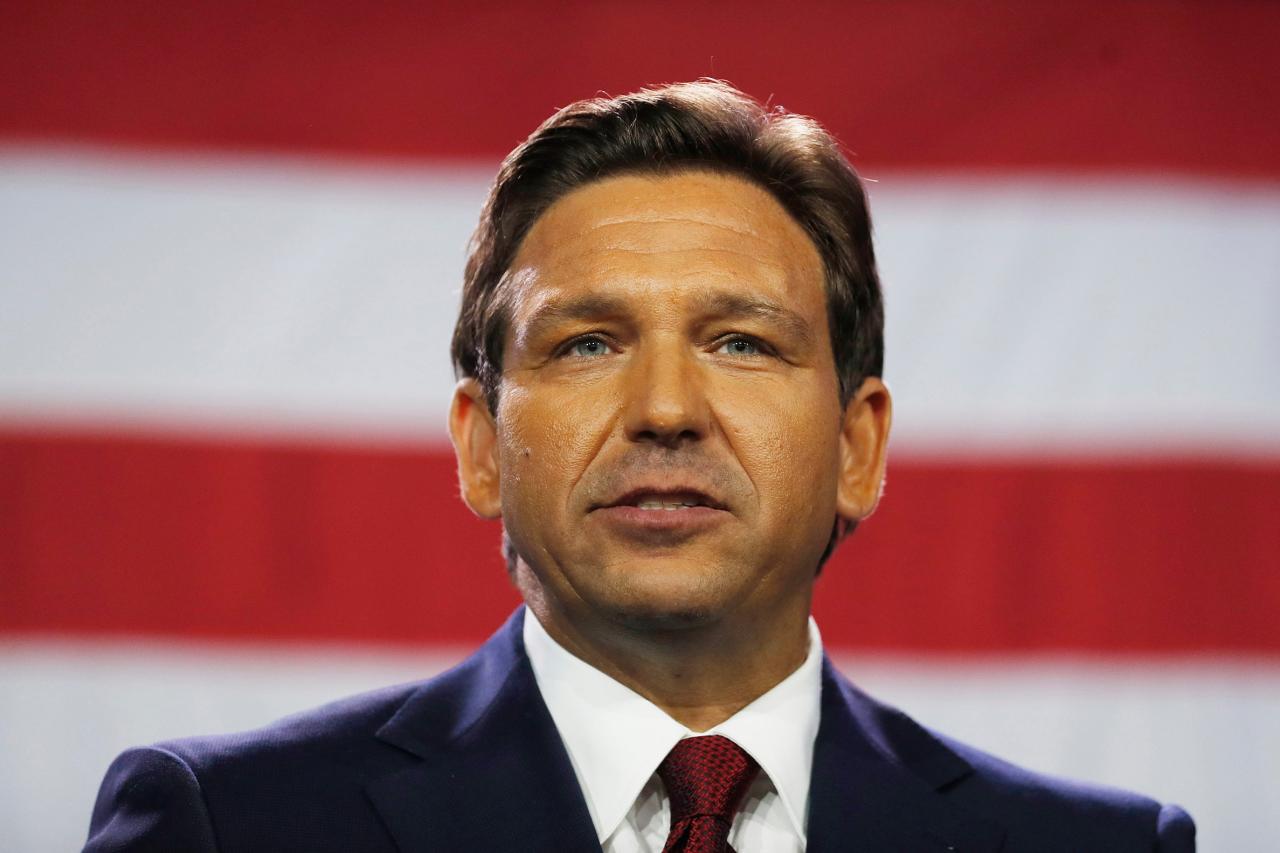
DeSantis’s veto of the congressional map in Florida is a pivotal moment in the state’s political landscape. The move has ignited a fierce debate about the balance of power and the potential for partisan gerrymandering. The legal challenges that will likely ensue will test the boundaries of fair elections and could have significant implications for the future of Florida’s political landscape.
This saga is far from over, and the ongoing legal battles will likely shape the political landscape of the Sunshine State for years to come.