
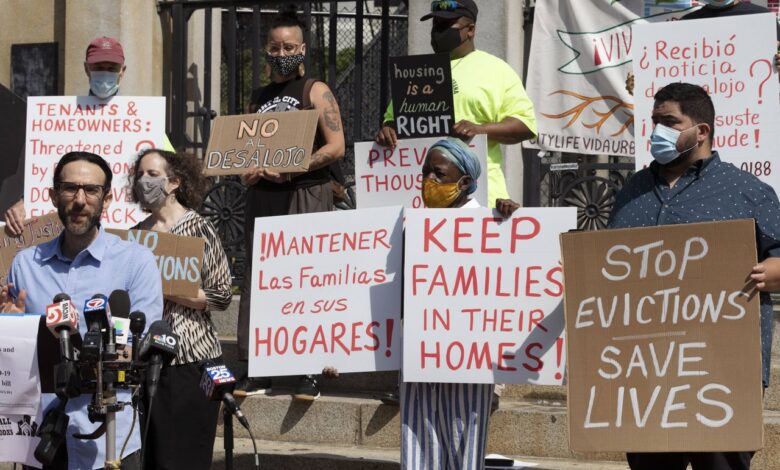
Eviction Crisis Averted? Rental Relief Running Out
Flood of evictions predicted with end of pandemic moratorium never happened but covid rental relief is running out – Eviction Crisis Averted? Rental Relief Running Out: The pandemic moratorium on evictions was a lifeline for millions of renters struggling to make ends meet. While the predicted flood of evictions never materialized when the moratorium ended, a new crisis looms.
With COVID-19 rental relief programs nearing their end, many renters are facing a precarious situation.
The moratorium, implemented in 2020, aimed to prevent a wave of homelessness and housing instability. It was successful in its immediate goal, but the underlying economic factors that led to the crisis remain. As the rental assistance programs wind down, the threat of evictions once again hangs over many households.
The Role of Rental Assistance Programs

Rental assistance programs are designed to help individuals and families struggling to afford housing due to financial hardship. These programs aim to prevent evictions, maintain housing stability, and promote economic well-being. They provide direct financial assistance to renters, covering a portion or all of their rent payments.
Remember all those dire predictions about a flood of evictions when the pandemic moratorium ended? Well, that never really materialized. But now, with COVID rental relief programs drying up, the threat of eviction is looming once again. It’s a critical issue, especially in light of the three questions about today’s consequential primaries , which are likely to shape the future of housing policy in this country.
With so much at stake, it’s more important than ever to pay attention to the challenges facing renters and the policies that can help them stay housed.
Eligibility Criteria for Rental Assistance
Eligibility criteria for rental assistance programs vary depending on the specific program and the jurisdiction. Generally, applicants must meet certain income and residency requirements.
- Income Eligibility:Programs often have income limits based on the area median income (AMI). Applicants’ household income must fall below a certain percentage of the AMI to qualify.
- Residency Requirements:Most programs require applicants to reside in the specific jurisdiction where the program is offered.
- Other Criteria:Programs may also have additional eligibility criteria, such as being a U.S. citizen or lawful permanent resident, having experienced a financial hardship, or being at risk of homelessness.
Examples of Successful Rental Assistance Programs
Several successful rental assistance programs have been implemented across the United States.
Remember all those dire predictions about a flood of evictions when the pandemic moratorium ended? Well, that never really materialized. But with COVID rental relief programs winding down, the threat of housing instability is becoming increasingly real for many families.
It’s a reminder that even successful entrepreneurs like Andy Dunn, co-founder of Bonobos, have faced their own struggles with mental health , which can significantly impact their ability to navigate financial challenges. As we move forward, it’s crucial to remember the human impact of these economic realities and provide support where needed.
- Emergency Rental Assistance Program (ERAP):The ERAP, established under the Consolidated Appropriations Act of 2021, provided billions of dollars to states and local governments to assist renters impacted by the COVID-19 pandemic. The program covered past-due rent, future rent, and utilities for eligible households.
Remember all those dire predictions about a flood of evictions when the pandemic moratorium ended? Well, it never happened. But, with COVID rental relief programs running out, that threat is looming again. And while we’re on the topic of government assistance, the Supreme Court recently ruled that Congress can deny federal disability benefits to Puerto Rico residents, which is a huge blow to the island’s vulnerable population.
This ruling highlights the precarious situation of many Americans struggling to make ends meet, and the need for comprehensive solutions to address housing insecurity and social safety net issues.
- Housing Choice Voucher Program (Section 8):The Housing Choice Voucher Program, administered by the U.S. Department of Housing and Urban Development (HUD), provides rental subsidies to low-income families. Participants receive vouchers that can be used to rent privately owned housing.
- State and Local Rental Assistance Programs:Many states and local governments have their own rental assistance programs tailored to meet the specific needs of their communities. These programs often provide a range of assistance, including emergency rent payments, eviction prevention services, and housing counseling.
The Social Impact of Evictions
Evictions are a complex social issue with far-reaching consequences. While the primary impact is the loss of housing, the ripple effects extend beyond the individual and can have devastating consequences for families, communities, and society as a whole.
The Impact on Families and Children
Eviction can have a profound impact on families and children, leading to a cascade of negative outcomes.
- Family Separation:Evictions often result in family separation, as families are forced to live apart to find alternative housing or to stay with relatives. This can disrupt children’s routines, create instability, and lead to emotional distress.
- Educational Disruption:Eviction can disrupt children’s education. Children may have to change schools, miss classes, or experience academic difficulties due to the stress and instability associated with displacement. This can have long-term consequences for their educational attainment and future opportunities.
- Health and Well-being:The stress and uncertainty of eviction can negatively impact children’s physical and mental health. Children may experience anxiety, depression, and behavioral problems, and their access to healthcare may be compromised.
Policy Recommendations: Flood Of Evictions Predicted With End Of Pandemic Moratorium Never Happened But Covid Rental Relief Is Running Out

The potential for a surge in evictions following the end of pandemic-related protections necessitates a multifaceted approach to address the issue. This section Artikels policy recommendations aimed at preventing evictions, expanding rental assistance, and improving access to legal aid for tenants.
Expanding Rental Assistance Programs, Flood of evictions predicted with end of pandemic moratorium never happened but covid rental relief is running out
Expanding rental assistance programs is crucial to preventing evictions and ensuring housing stability. This requires a combination of increased funding, streamlined application processes, and targeted outreach to ensure eligible individuals and families can access the assistance they need.
- Increase Funding for Existing Programs:Existing programs, such as the Emergency Rental Assistance (ERA) program, need significant funding increases to meet the anticipated demand.
- Extend Eligibility Criteria:Broadening eligibility criteria to include individuals and families who may not meet current income thresholds, such as those experiencing job loss or reduced hours, can ensure a wider range of tenants benefit from assistance.
- Simplify Application Processes:Streamlining application processes, including reducing documentation requirements and providing online application options, can increase accessibility and reduce barriers to accessing assistance.
- Targeted Outreach and Education:Effective outreach campaigns, including community partnerships and collaborations with local organizations, can raise awareness about available rental assistance programs and encourage eligible tenants to apply.
Improving Access to Legal Aid and Tenant Resources
Providing tenants with access to legal aid and resources is critical for navigating the eviction process and protecting their rights. This includes ensuring adequate legal representation, promoting tenant education, and creating accessible resources for tenants facing eviction.
- Increase Funding for Legal Aid Organizations:Funding for legal aid organizations that provide representation to tenants facing eviction is essential to ensure access to legal assistance.
- Develop Pro Bono Legal Programs:Expanding pro bono legal programs, where attorneys volunteer their time to represent low-income tenants, can provide much-needed legal assistance.
- Create Tenant Resource Centers:Establishing tenant resource centers that provide information, counseling, and support to tenants facing eviction can empower them to navigate the legal system and protect their rights.
- Promote Tenant Education:Educational programs and workshops aimed at tenants can equip them with the knowledge and skills needed to understand their rights and responsibilities, navigate the eviction process, and access available resources.
Closure
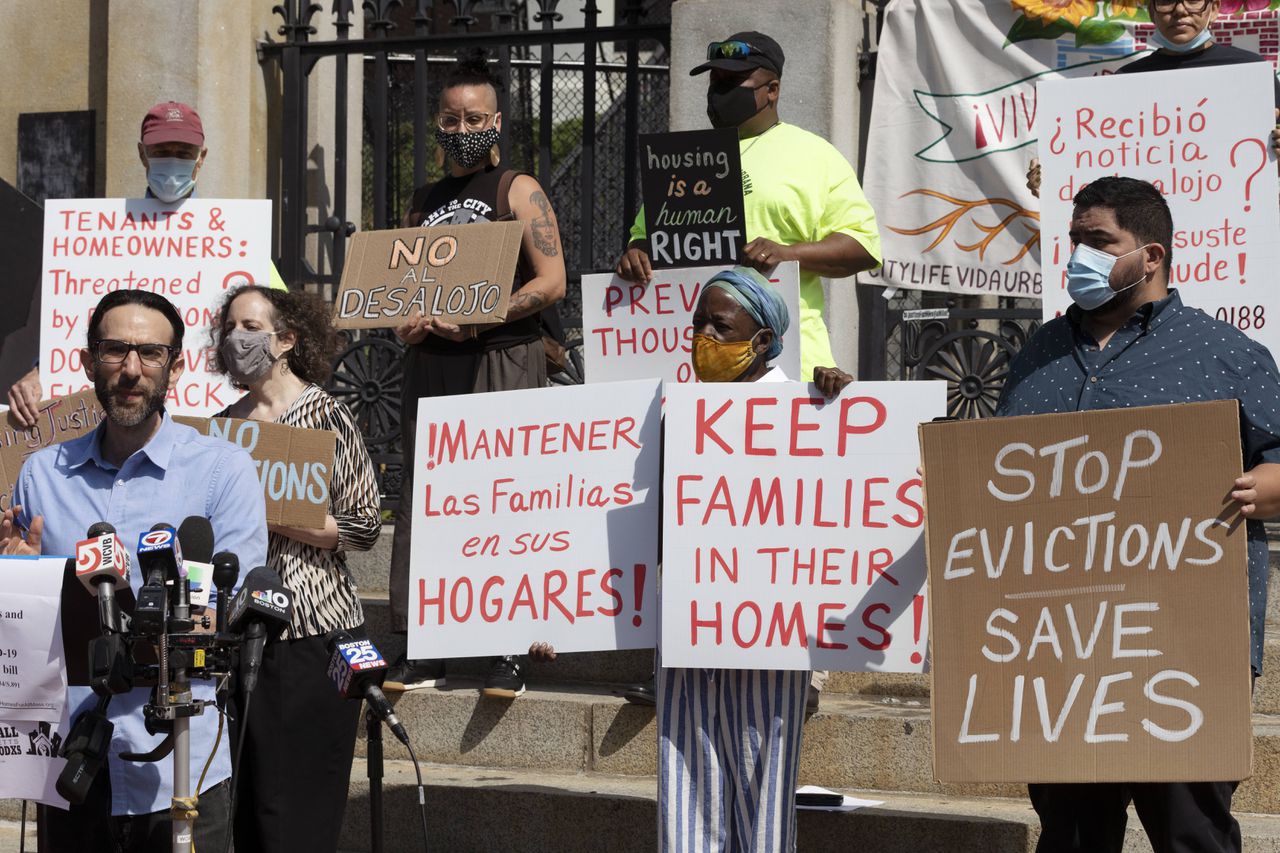
The end of the pandemic moratorium and the dwindling rental assistance programs have exposed the fragility of the housing system. The eviction crisis may not have materialized immediately, but it remains a very real threat. The coming months will be critical for policymakers and advocates to address the needs of vulnerable renters and ensure a stable and equitable housing market for all.