
US to Provide 35,000 More Seasonal Worker Visas to Meet Labor Demand
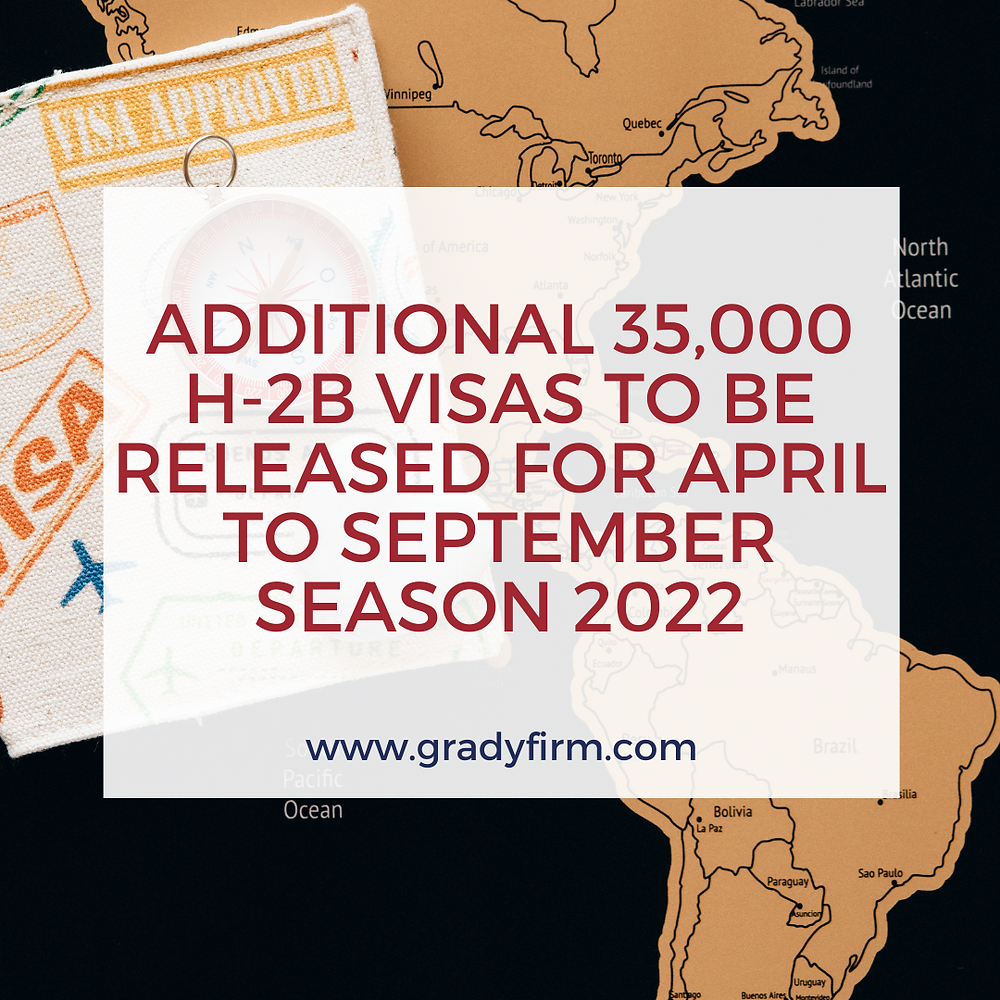
Facing demand for labor u s to provide 35000 more seasonal worker visas – The US is facing a growing demand for seasonal workers, particularly in industries like agriculture and hospitality. To address this shortage, the government has announced plans to issue 35,000 additional H-2B visas for temporary workers. This move has sparked debate about the potential benefits and challenges of expanding the seasonal worker visa program.
This increased visa allocation aims to alleviate labor shortages in key industries, boost economic activity, and support regional communities that rely heavily on seasonal workers. However, concerns have been raised about potential displacement of domestic workers and the need to ensure fair treatment and working conditions for foreign workers.
Impact of Seasonal Worker Visas on US Labor Market
The US labor market is a complex ecosystem, and seasonal industries play a significant role. These industries, characterized by fluctuating demand throughout the year, often face labor shortages, particularly during peak seasons. The recent proposal to increase the number of seasonal worker visas by 35,000 aims to address this challenge and potentially impact the labor market dynamics.
Impact of Additional Visas on Labor Supply and Demand, Facing demand for labor u s to provide 35000 more seasonal worker visas
The proposed increase in seasonal worker visas has the potential to influence both labor supply and demand in the US. By providing an additional 35,000 visas, the government aims to increase the pool of available workers for seasonal industries, potentially easing labor shortages during peak seasons.
The U.S. is facing a demand for labor, and the government is responding by providing 35,000 more seasonal worker visas. This is great news for industries like agriculture, but it also highlights the need for efficient solutions. Sometimes, the best approach is to focus on what you do best, like growing crops, and leave the rest to others, like baking those delicious, flaky biscuits.
For those who need a shortcut, there’s a fantastic blog post that explains how to make for flaky oozy stuffed biscuits just use store bought dough – perfect for busy farmers who want to enjoy a comforting treat after a long day in the fields.
Ultimately, whether it’s finding skilled workers or whipping up a quick meal, a little ingenuity goes a long way.
This influx of workers could impact the labor market in several ways:
- Increased Labor Supply:The additional visas would directly increase the supply of seasonal workers, potentially reducing the pressure on employers to compete for a limited pool of domestic workers.
- Reduced Wage Pressure:With a larger pool of workers, employers might face less pressure to offer higher wages to attract and retain seasonal employees, potentially stabilizing wage levels.
- Potential Impact on Domestic Workers:While the additional visas aim to address labor shortages, there is a potential concern about the impact on domestic workers seeking seasonal employment. Some argue that the increased availability of foreign workers could displace domestic workers, leading to unemployment or lower wages.
The impact of these changes would depend on several factors, including the specific industries and geographic locations where the additional visas are allocated.
Demand for Seasonal Workers Across Industries and Locations
The demand for seasonal workers varies significantly across different industries and geographic locations. Some industries, like agriculture, tourism, and hospitality, are heavily reliant on seasonal workers. These industries often experience peak seasons with high demand for labor, followed by periods of reduced activity.
The demand for seasonal workers is also influenced by geographic location. Coastal areas with strong tourism industries, for example, often experience a higher demand for seasonal workers during peak tourist seasons. Similarly, agricultural regions with large-scale farming operations may require a significant number of seasonal workers during harvest periods.
- Agriculture:The agricultural sector is one of the most reliant on seasonal workers, particularly for harvesting crops and other labor-intensive tasks. This demand is concentrated in specific regions, like the Midwest and California, where large-scale farming operations are prevalent.
- Tourism and Hospitality:The tourism and hospitality industries also rely heavily on seasonal workers, particularly during peak tourist seasons. This demand is often concentrated in coastal areas and popular tourist destinations.
- Construction:The construction industry can experience seasonal fluctuations in demand, particularly in regions with harsh weather conditions. These fluctuations can create a need for seasonal workers during periods of increased construction activity.
Benefits and Challenges of Expanding the Visa Program
Expanding the seasonal worker visa program presents a multifaceted issue, with potential benefits for both employers and workers but also potential challenges that require careful consideration and mitigation strategies.
Benefits of Expanding the Visa Program
Increasing the number of seasonal worker visas can offer significant benefits for both employers and workers.
- Meeting Labor Demand:Seasonal industries often face labor shortages, particularly during peak seasons. Expanding the visa program can help fill these gaps, ensuring businesses can operate efficiently and meet consumer demand.
- Economic Growth:A robust seasonal workforce can contribute to economic growth by supporting industries that rely on seasonal labor, such as agriculture, tourism, and hospitality. This can lead to job creation, increased productivity, and higher wages.
- Opportunities for Workers:Expanding the program provides foreign workers with the opportunity to earn higher wages and gain valuable work experience in the United States. This can improve their living standards and contribute to economic development in their home countries.
Challenges of Expanding the Visa Program
While expanding the visa program offers potential benefits, it also presents challenges that need to be addressed to ensure a fair and ethical program.
- Displacement of Domestic Workers:One concern is that expanding the program could displace domestic workers, leading to unemployment and reduced wages. This is a complex issue that requires careful analysis and potential mitigation strategies.
- Exploitation of Foreign Workers:Another concern is the potential for exploitation of foreign workers, such as low wages, unsafe working conditions, or unfair treatment. This can be mitigated through robust enforcement mechanisms and worker protections.
Solutions to Address Challenges
To address the challenges of expanding the seasonal worker visa program, several potential solutions can be implemented:
- Prioritizing Domestic Workers:The program can prioritize filling positions that are difficult to fill with domestic workers, ensuring that foreign workers are not used to replace readily available domestic labor.
- Robust Enforcement Mechanisms:Strong enforcement mechanisms are crucial to prevent exploitation and ensure compliance with labor laws. This includes regular inspections, worker rights education, and clear reporting channels for complaints.
- Worker Protections:The program should include robust worker protections, such as minimum wage guarantees, safe working conditions, and access to healthcare. This ensures that foreign workers are treated fairly and their rights are protected.
- Transparency and Accountability:Transparency in the program is essential, including clear eligibility criteria, application procedures, and worker rights information. This fosters accountability and helps prevent abuse.
Economic Implications of Increased Seasonal Labor
Expanding the seasonal worker visa program could have significant economic implications for the United States. By addressing labor shortages in key industries, the program can boost production, foster economic growth, and create new job opportunities.
Impact on Production and Economic Growth
Increased access to seasonal labor can significantly impact production levels in industries that rely heavily on seasonal workers, such as agriculture, tourism, and hospitality. By filling labor gaps, businesses can operate at higher capacity, increasing production and contributing to economic growth.
It’s interesting to see the US facing a demand for labor, needing to provide 35,000 more seasonal worker visas. This highlights the need for a fair and sustainable wage system, not just for seasonal workers, but for all workers, including those pursuing higher education.
The rising cost of living has put a strain on everyone, and PhD students are no exception, as evidenced by their recent demand for wage increases as detailed in this article. The demand for labor, whether seasonal or academic, underscores the need for a more equitable system that considers the needs of all workers.
For example, the agricultural sector, a significant contributor to the US economy, often faces labor shortages during peak harvest seasons. Expanding the seasonal worker visa program could alleviate these shortages, allowing farmers to harvest crops more efficiently and minimize losses due to labor scarcity. This increased productivity would translate into higher agricultural output, contributing to economic growth and food security.
The US is facing a demand for labor, with a need for 35,000 more seasonal worker visas. This shortage highlights the need for a comprehensive approach to immigration reform, including addressing the concerns raised in the article, “Will the pro-abortion rights billionaires please stand up?” will the pro abortion rights billionaires please stand up.
By creating a more welcoming environment for immigrants, we can ensure a robust workforce to meet the demands of our growing economy, including the seasonal labor needs that are vital to our agricultural sector.
Impact on Consumer Prices
The availability of seasonal labor can influence consumer prices. By mitigating labor shortages, businesses can maintain stable production levels, potentially leading to more competitive pricing. Increased supply of goods and services due to expanded seasonal labor could moderate price increases, benefiting consumers.
For instance, increased seasonal labor in the tourism sector could lead to greater competition among hotels and restaurants, potentially driving down prices for consumers. This could make travel and leisure more affordable, benefiting families and boosting tourism revenue.
Impact on Regional Economies and Communities
Regional economies and communities heavily reliant on seasonal labor can experience significant benefits from an expanded visa program. Increased seasonal workers can stimulate local businesses, boost employment, and contribute to the overall economic well-being of these communities.
For example, resort towns and rural areas with significant agricultural industries often experience seasonal fluctuations in employment and economic activity. Expanding the seasonal worker visa program could stabilize these fluctuations, providing consistent employment opportunities for local residents and boosting economic activity throughout the year.
Policy Recommendations for the Seasonal Worker Visa Program: Facing Demand For Labor U S To Provide 35000 More Seasonal Worker Visas
The Seasonal Worker Visa program plays a crucial role in supporting the US agricultural and tourism industries, but it also faces challenges in terms of efficiency, fairness, and worker protection. This section Artikels policy recommendations aimed at strengthening the program, ensuring it meets the needs of both employers and workers, and fostering a more sustainable and equitable system.
Improving Program Efficiency and Transparency
Streamlining the application process and enhancing transparency are key to improving the program’s efficiency.
- Simplify the application process:The current application process is often complex and time-consuming, burdening both employers and workers. Simplifying the process through online platforms and standardized forms can reduce administrative burdens and expedite visa approvals.
- Increase transparency in the visa allocation process:The current allocation process can lack transparency, leading to uncertainty for employers and workers. Implementing a more transparent system, such as a publicly accessible allocation schedule, can foster trust and predictability.
- Improve communication and information sharing:Clear and timely communication between employers, workers, and the government is crucial. Establishing dedicated information resources and regular updates can ensure all parties are informed about program requirements, application procedures, and relevant updates.
Strengthening Worker Protections and Fairness
Ensuring fair wages, safe working conditions, and access to legal recourse for workers is essential for a robust and ethical program.
- Establish a minimum wage standard:A minimum wage standard for seasonal workers would help ensure fair compensation and prevent exploitation. The standard should be aligned with prevailing wages in the relevant industry and region.
- Enforce worker rights and safety standards:Rigorous enforcement of labor laws and safety regulations is crucial to protect workers from exploitation and unsafe conditions. Regular inspections and effective mechanisms for reporting violations are essential.
- Provide access to legal resources:Workers should have access to legal resources and support to understand their rights and seek redress for any violations. This can be achieved through partnerships with legal aid organizations and the establishment of dedicated legal assistance programs.
Monitoring and Evaluation
Regular monitoring and evaluation are crucial for assessing the program’s effectiveness and identifying areas for improvement.
- Develop a comprehensive monitoring framework:A comprehensive framework should track key metrics, including visa issuance rates, worker satisfaction, employer compliance, and economic impact. This data can inform program adjustments and ensure it remains aligned with its objectives.
- Conduct regular program evaluations:Independent evaluations should be conducted periodically to assess the program’s effectiveness, identify areas for improvement, and measure its impact on the US economy, labor market, and worker well-being.
- Engage stakeholders in program evaluation:Involving employers, workers, and other stakeholders in the evaluation process can provide valuable insights and perspectives, ensuring the program remains responsive to the needs of all parties.
International Perspectives on Seasonal Worker Programs
The United States’ seasonal worker visa program, while a crucial component of its agricultural labor system, can benefit from learning from the experiences of other countries. By examining successful models and identifying best practices, the US can enhance its program and address its challenges more effectively.
Comparison with Other Countries
International programs for seasonal workers often differ in their structure, eligibility criteria, and implementation, reflecting unique labor market needs and priorities.
- Canada: Canada’s Seasonal Agricultural Worker Program (SAWP) shares similarities with the US H-2A program, focusing on agricultural labor. However, the SAWP emphasizes worker protections, including minimum wage requirements, access to housing, and mandatory insurance. This program prioritizes long-term relationships between employers and workers, allowing for worker retention and familiarity with farm operations.
- Australia: Australia’s Seasonal Worker Programme (SWP) focuses on agricultural and horticulture sectors, offering temporary work visas for a specific duration. The SWP includes a robust accreditation process for employers, ensuring compliance with labor standards and worker welfare. The program also incorporates elements of training and skills development, enhancing the overall experience for participating workers.
- European Union: The EU’s Seasonal Workers Directive provides a framework for facilitating the movement of seasonal workers within the EU. This directive emphasizes worker rights, including equal treatment with national workers in terms of pay and working conditions. It also promotes cooperation between EU member states, ensuring smooth cross-border labor mobility.
Best Practices and Lessons Learned
Analyzing successful international programs reveals several key practices that contribute to effective seasonal worker programs.
- Strong Worker Protections: Countries with robust worker protection measures, such as minimum wage guarantees, safe housing standards, and access to healthcare, often experience higher worker satisfaction and retention rates. This can be observed in Canada’s SAWP, where stringent worker protections are central to the program’s success.
- Employer Accreditation and Monitoring: Rigorous employer accreditation processes, including background checks and compliance assessments, help ensure responsible labor practices and minimize exploitation. Australia’s SWP exemplifies this approach with its thorough employer accreditation system.
- Collaborative Partnerships: Effective seasonal worker programs often involve strong partnerships between governments, employers, and worker organizations. This collaboration facilitates communication, address worker concerns, and ensures program effectiveness.
- Language and Cultural Support: Providing language and cultural support for workers can significantly enhance their integration and well-being. This can include language training, cultural orientation programs, and access to community resources.
Potential Insights and Recommendations
By drawing inspiration from international experiences, the US can improve its seasonal worker visa program in several ways.
- Strengthen Worker Protections: The US could consider strengthening worker protections by implementing minimum wage requirements, improving housing standards, and expanding access to healthcare for seasonal workers.
- Enhance Employer Oversight: The H-2A program could benefit from a more rigorous employer accreditation process, including stricter background checks and regular compliance monitoring.
- Promote Partnerships and Collaboration: Building stronger partnerships between government agencies, employers, and worker advocacy groups can enhance program effectiveness and address worker concerns.
- Invest in Language and Cultural Support: Providing language and cultural support for seasonal workers, including training programs and access to community resources, can facilitate their integration and well-being.
Final Conclusion

The decision to expand the seasonal worker visa program represents a complex balancing act between addressing labor needs and ensuring fairness for all workers. It’s crucial to carefully analyze the program’s impact, address potential challenges, and work towards a system that benefits both employers and workers.
The future success of this initiative hinges on finding solutions that create a win-win scenario for everyone involved.