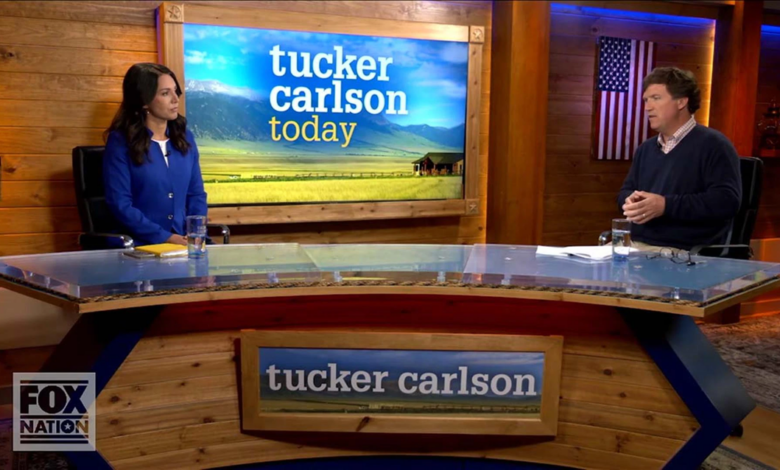
Tulsi Gabbard and Tucker Carlson on Russian TV: A Stunning Exchange
Tulsi gabbard and tucker carlson featured in stunning exchange on russian tv – Tulsi Gabbard and Tucker Carlson featured in stunning exchange on Russian television, a rare and unexpected event, has sparked widespread discussion and debate. The interview, which took place on a prominent Russian state-run television program, saw the two American figures engage in a conversation about the ongoing conflict in Ukraine, American foreign policy, and the current political climate.
The exchange, which was broadcast to a vast audience in Russia and beyond, has been met with a range of reactions, from intrigue to criticism.
The interview’s significance lies in the fact that it brought together two figures with very different perspectives on the world. Gabbard, a former Democratic congresswoman and presidential candidate, is known for her outspoken views on foreign policy and her criticism of the US government’s approach to international affairs.
Carlson, a popular and controversial television personality, is known for his right-wing commentary and his often critical stance on the Democratic Party and the mainstream media.
The Role of Russian Media
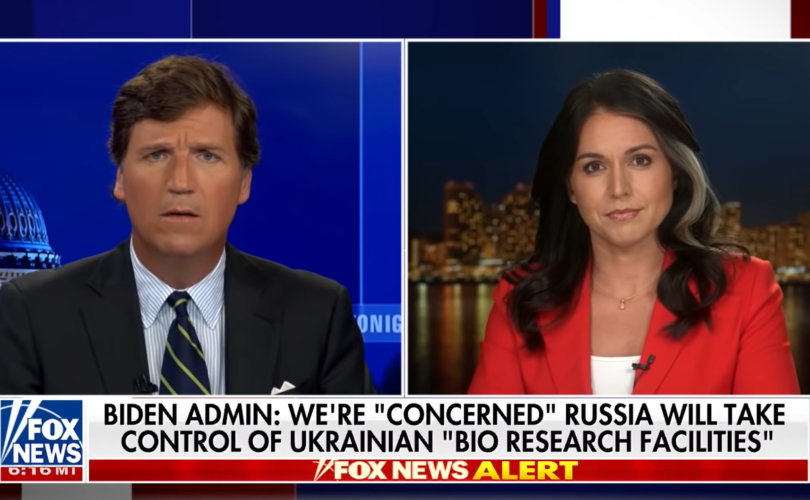
The recent interview of Tulsi Gabbard and Tucker Carlson on Russian television has sparked discussions about the role of Russian media in international affairs. While the interview itself was controversial, it provides a platform to analyze the motivations behind such programs and their impact on global audiences.
The Purpose of Featuring Foreign Guests
Russian television programs featuring foreign guests serve multiple purposes. One key objective is to showcase alternative perspectives and narratives, often contrasting with Western media coverage. These programs aim to present a different interpretation of events, particularly those involving Russia, by offering a platform to individuals who may hold dissenting views.
This strategy can be seen as a form of counter-propaganda, aiming to challenge the dominant narrative in the West. Additionally, such programs can serve as a tool for soft power diplomacy, fostering dialogue and understanding between Russia and other countries.
Motivations Behind the Interview
The motivations behind the interview of Tulsi Gabbard and Tucker Carlson on Russian television are multifaceted. Firstly, it could be seen as an attempt to leverage the popularity and influence of these figures in the United States to reach a broader international audience.
Both Gabbard and Carlson have a significant following in the US, and their appearance on Russian television could potentially amplify their message and influence public opinion in the West. Secondly, the interview may have been intended to further Russia’s narrative on the Ukraine conflict, presenting a perspective that challenges Western media portrayals.
By featuring guests who are critical of US foreign policy, Russian media aims to sow doubt and undermine public support for Western interventions.
Influence on International Audiences, Tulsi gabbard and tucker carlson featured in stunning exchange on russian tv
Russian media’s influence on international audiences is significant, particularly in countries with limited access to alternative sources of information. State-controlled media outlets like RT and Sputnik have a global reach and are actively engaged in disseminating pro-Russian narratives. These outlets often present a biased perspective on events, emphasizing Russian achievements and downplaying its shortcomings.
This can shape public opinion and influence perceptions of Russia’s role in the world. The influence of Russian media is particularly pronounced in countries with a history of close ties to Russia or those experiencing political instability, where alternative sources of information may be limited.
Historical Context of Russian Media in Global Affairs
Russian media has a long history of being used as a tool for promoting national interests and influencing global affairs. During the Cold War, Soviet media played a crucial role in disseminating communist ideology and propaganda. After the collapse of the Soviet Union, Russian media underwent a period of transition, with the emergence of independent outlets.
However, the state continues to exert significant control over media, particularly in areas deemed sensitive to national security. The recent years have witnessed a resurgence of state-controlled media, with an emphasis on promoting a pro-Kremlin narrative and countering Western influence.
This trend has been particularly evident in the coverage of the Ukraine conflict, where Russian media has been accused of disseminating misinformation and propaganda.
Conclusive Thoughts: Tulsi Gabbard And Tucker Carlson Featured In Stunning Exchange On Russian Tv
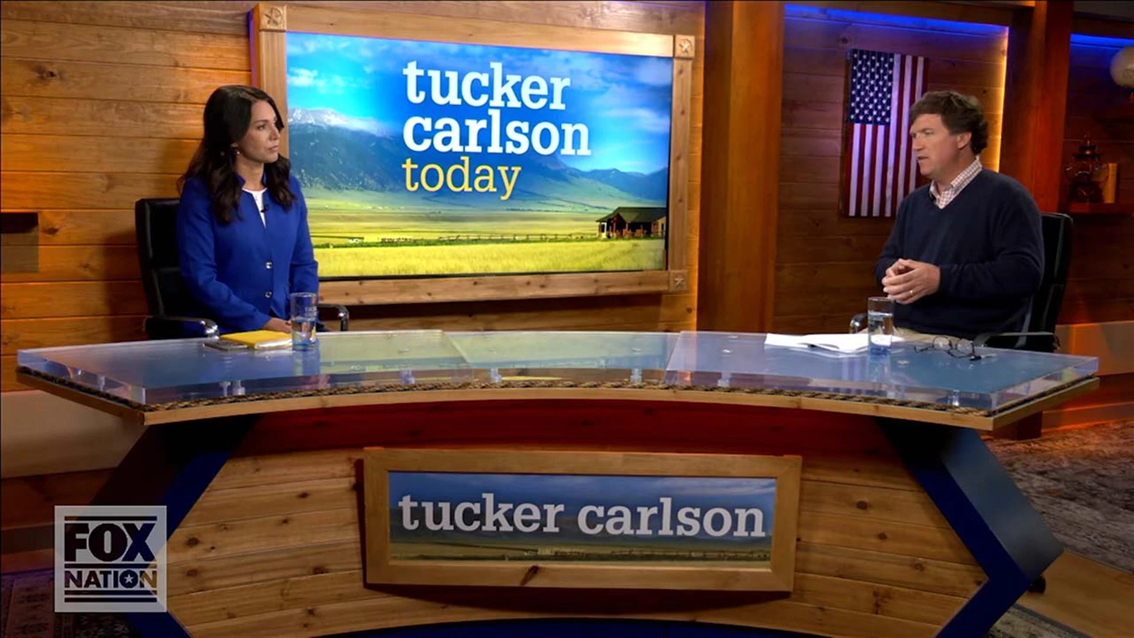
The Gabbard-Carlson exchange on Russian television represents a unique moment in the current political landscape. It highlighted the complex and often conflicting views on international affairs held by prominent figures in the United States, while also demonstrating the reach and influence of Russian media.
The interview has sparked important conversations about the role of media in shaping public opinion, the influence of foreign governments on American politics, and the ongoing debate over the US’s role in the world. The exchange has undoubtedly left a lasting impression, prompting further analysis and discussion about the current state of global politics and the complexities of navigating a rapidly changing world.
Tulsi Gabbard and Tucker Carlson’s unexpected appearance on Russian television sparked a flurry of online discussion. It’s fascinating how such a seemingly out-of-the-ordinary event can trigger so much conversation. Speaking of unexpected events, sometimes you find yourself with wilted produce that seems destined for the compost bin, but fear not! You can give those veggies a second chance by making a delicious pajeon, a Korean savory pancake, when your wilted produce needs new life make this pajeon.
The Gabbard-Carlson exchange might have been a surprise, but pajeon is a surefire way to transform wilted greens into a tasty meal.
The recent interview of Tulsi Gabbard and Tucker Carlson on Russian television has sparked a lot of debate. While some see it as a sign of the times, others are questioning the implications of such a high-profile exchange on a foreign network.
It’s interesting to compare this event to the transcript of Jeh Johnson’s testimony on the Department of Homeland Security’s response to the January 6th Capitol riot. Both situations highlight the complex interplay between politics, media, and international relations, and raise questions about the role of foreign influence in shaping domestic narratives.
The recent exchange between Tulsi Gabbard and Tucker Carlson on Russian state television has sparked debate, particularly in light of the growing influence of Christian nationalism within some GOP campaigns. It’s concerning to see this trend, as it often intertwines with anti-democratic sentiments and undermines the very principles of religious freedom.
While the Gabbard-Carlson conversation is sure to continue generating headlines, the rise of Christian nationalism is a far more insidious development, as highlighted in this article: christian nationalism on the rise in some gop campaigns. The potential consequences of this movement are something we all need to be aware of and actively address.