UN Votes for Ukraine Aid, Demands End to Russian Hostilities
U n votes overwhelmingly for humanitarian access to ukraine demands russian hostilities end – UN votes overwhelmingly for humanitarian access to ukraine demands russian hostilities end takes center stage, as the international community grapples with the devastating humanitarian crisis unfolding in Ukraine. The recent UN vote, a resounding call for action, highlights the global concern for the plight of Ukrainian civilians and the urgent need for an end to the conflict.
This vote serves as a stark reminder of the devastating consequences of war, not only for the people directly affected but also for the global order and the principles of international law.
The vote reflects a growing international consensus on the need for immediate humanitarian access to Ukraine, where millions are facing dire circumstances. The ongoing conflict has crippled essential services, disrupted supply chains, and left countless civilians in desperate need of food, water, shelter, and medical care.
The UN vote underscores the critical role of international cooperation in addressing this crisis and ensuring the delivery of vital aid to those in need.
UN Vote Context
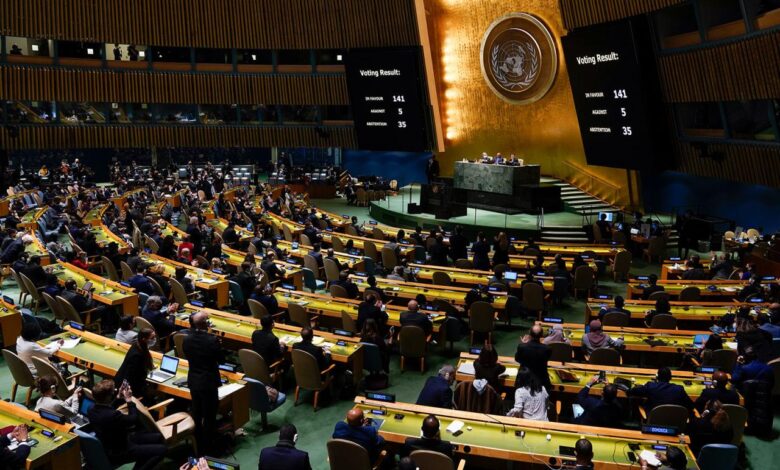
The recent UN vote overwhelmingly demanding humanitarian access to Ukraine and an end to Russian hostilities is a significant moment in the ongoing conflict. The vote, which saw a vast majority of UN member states supporting the resolution, underscores the international community’s growing concern about the humanitarian crisis unfolding in Ukraine and the need for a peaceful resolution.
The UN’s overwhelming vote for humanitarian access to Ukraine, demanding an end to Russian hostilities, underscores the urgent need for global cooperation. This crisis highlights the importance of flexible working models, allowing for a more responsive and adaptable workforce, as outlined in this insightful article on better benefits in a hybrid world.
By fostering a collaborative environment, we can effectively address global challenges like the humanitarian crisis in Ukraine and pave the way for a more peaceful and just world.
The vote reflects the international pressure on Russia to end its military actions and allow for the safe passage of humanitarian aid to civilians trapped in conflict zones. It also highlights the global condemnation of Russia’s invasion and the widespread support for Ukraine’s sovereignty and territorial integrity.
Political and Diplomatic Landscape
The vote comes at a time of intense diplomatic activity surrounding the conflict. The international community has imposed severe sanctions on Russia, including financial restrictions and export controls, in an effort to pressure Moscow to withdraw its troops from Ukraine.
The UN vote further isolates Russia diplomatically, demonstrating the international consensus against its actions. This vote can be seen as a crucial step in the ongoing efforts to achieve a peaceful resolution to the conflict.
Key Players and Positions
The vote highlights the stark divisions between Russia and the rest of the international community. The majority of UN member states, including the United States, the European Union, and many other countries, voted in favor of the resolution. Russia, along with a handful of its allies, voted against the resolution.
This division underscores the deep ideological and geopolitical divides that are at play in the conflict.
“The vote demonstrates the global consensus against Russia’s actions and the widespread support for Ukraine’s sovereignty and territorial integrity.”
Humanitarian Access to Ukraine
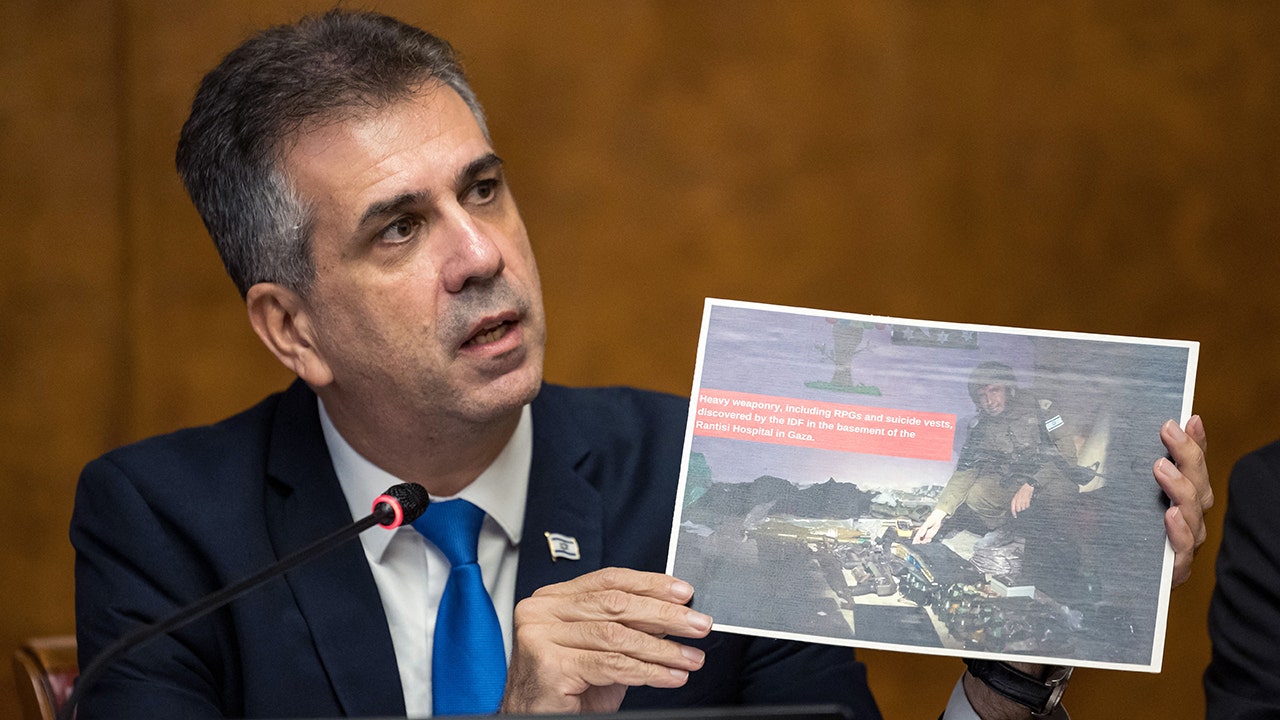
The ongoing conflict in Ukraine has created a dire humanitarian situation, with millions of people displaced and in urgent need of assistance. The conflict has disrupted essential services, destroyed infrastructure, and created widespread displacement, leaving many vulnerable and in need of life-saving aid.
Aid organizations face significant challenges in reaching those in need due to ongoing hostilities, security concerns, and logistical constraints.
Challenges Faced by Aid Organizations
The humanitarian situation in Ukraine is complex and multifaceted, presenting numerous challenges for aid organizations. These include:
- Security Concerns:Ongoing hostilities and the presence of active conflict zones pose significant security risks to aid workers, making it difficult to reach those in need. The constant threat of attacks and the volatile nature of the conflict create a challenging environment for humanitarian operations.
- Logistical Constraints:Access to affected areas is often limited due to destroyed infrastructure, damaged roads, and active combat zones. This makes it difficult to transport aid supplies and personnel to those in need, delaying the delivery of essential services.
- Bureaucratic Obstacles:Navigating bureaucratic procedures and obtaining necessary permits for humanitarian operations can be time-consuming and challenging, hindering the swift delivery of aid.
- Funding Shortfalls:The magnitude of the humanitarian crisis in Ukraine requires substantial financial resources to meet the needs of millions of people. Funding shortfalls can limit the capacity of aid organizations to scale up their operations and reach those in need.
The UN’s overwhelming vote for humanitarian access to Ukraine, demanding an end to Russian hostilities, is a powerful statement. But it’s also a reminder of the insidious spread of disinformation, like that documented in how Nebraska’s governor became a general in a right-wing disinformation war.
These campaigns undermine global efforts to achieve peace and justice, and it’s crucial to be vigilant against their influence.
Impact of the Conflict on Civilians
The conflict in Ukraine has had a devastating impact on civilians, causing widespread displacement, loss of life, and disruption of essential services.
- Displacement:Millions of Ukrainians have been displaced from their homes due to the conflict, seeking refuge in neighboring countries or within Ukraine itself. The sudden displacement has resulted in overcrowding, limited access to basic necessities, and increased vulnerability to exploitation and abuse.
- Loss of Life and Injuries:The conflict has resulted in a significant number of civilian casualties, including deaths and injuries. The use of heavy weaponry and the lack of access to medical care have exacerbated the situation, leaving many in need of urgent medical attention.
- Disruption of Essential Services:The conflict has disrupted essential services such as healthcare, education, and water and sanitation, creating a significant humanitarian crisis. Hospitals have been damaged or destroyed, leaving many without access to medical care. Schools have been closed, disrupting the education of millions of children.
The disruption of water and sanitation systems has increased the risk of disease outbreaks.
Specific Humanitarian Needs and Responses
The humanitarian needs in Ukraine are vast and multifaceted, requiring a comprehensive response from the international community.
- Food Security:The conflict has disrupted food supply chains, leading to shortages and rising food prices. Aid organizations are providing food assistance to vulnerable populations, including refugees, internally displaced persons, and those living in conflict-affected areas.
- Shelter and Non-Food Items:Millions of Ukrainians have been displaced from their homes and require access to safe and adequate shelter. Aid organizations are providing temporary shelters, blankets, clothing, and other essential non-food items to meet the immediate needs of displaced populations.
- Healthcare:The conflict has severely impacted healthcare services, leaving many without access to essential medical care. Aid organizations are providing medical supplies, equipment, and personnel to support hospitals and clinics, ensuring the delivery of essential healthcare services.
- Mental Health and Psychosocial Support:The trauma and stress associated with the conflict have had a significant impact on the mental health and well-being of Ukrainians. Aid organizations are providing mental health and psychosocial support services to individuals and communities affected by the conflict, helping them cope with the psychological and emotional consequences of the crisis.
Demands for Russian Hostilities to End
The overwhelming UN vote in favor of humanitarian access to Ukraine signifies a global consensus on the urgency of ending the conflict. This demand goes beyond simply providing aid; it is a call for an end to the violence and suffering inflicted upon the Ukrainian people.
Rationale for Ending Hostilities
The demand for an end to Russian hostilities is rooted in the fundamental principles of international law and humanitarianism. The ongoing conflict violates the UN Charter, which prohibits the use of force against the territorial integrity or political independence of any state.
The invasion has resulted in widespread human rights abuses, including civilian casualties, forced displacement, and the destruction of infrastructure.
Consequences of Continued Fighting, U n votes overwhelmingly for humanitarian access to ukraine demands russian hostilities end
The continued fighting poses a significant threat to regional and global security. The conflict has already triggered a humanitarian crisis, with millions displaced and in need of assistance. The economic impact is also substantial, with rising energy prices and food insecurity affecting countries worldwide.
Moreover, the escalation of hostilities could lead to a wider conflict, involving NATO and other international actors.
Diplomatic Efforts and the Role of the UN
The UN plays a crucial role in mediating and resolving international conflicts. The organization has been actively engaged in efforts to find a peaceful solution to the Ukraine crisis, including through the deployment of humanitarian aid and the establishment of ceasefires.
However, diplomatic efforts have been hampered by the lack of cooperation from Russia. The UN Security Council has been unable to adopt a resolution condemning the invasion due to Russia’s veto power.
Impact of the Vote
The overwhelming UN vote in favor of humanitarian access to Ukraine and the demand for an end to Russian hostilities carries significant weight and has the potential to shape the course of the conflict. This resounding call for peace and aid sends a clear message to Russia and the international community, potentially influencing the trajectory of the war.
Impact on Russia’s International Standing
The UN vote exposes Russia’s international isolation and the growing condemnation of its actions. The vote serves as a powerful statement against Russia’s aggression and its disregard for international law. This isolation could lead to further diplomatic and economic sanctions, further straining Russia’s already weakened global standing.
The implications for Russia’s international standing are significant, as it faces increasing pressure from the international community to end its hostilities.
The UN’s resounding vote for humanitarian access to Ukraine and the demand for an end to Russian hostilities highlights the urgency of the situation. While we grapple with the global implications of this conflict, it’s important to remember the power of simple acts of kindness, like transforming wilted produce into a delicious meal.
If you’re looking for a recipe to breathe new life into those forgotten veggies, check out this fantastic pajeon recipe that’s sure to please. In these challenging times, let’s focus on both providing support to those in need and finding joy in the everyday moments, like creating a delicious meal from humble ingredients.
Potential Consequences for Ukraine and its Allies
The UN vote provides a significant boost to Ukraine and its allies, signaling international support for their cause. The vote reinforces the legitimacy of Ukraine’s fight against Russian aggression and bolsters the international pressure on Russia to cease its military operations.
The vote also increases the likelihood of increased humanitarian aid and support for Ukraine, potentially contributing to the stabilization of the country and the relief of suffering.
Future Perspectives: U N Votes Overwhelmingly For Humanitarian Access To Ukraine Demands Russian Hostilities End
The overwhelming UN vote demanding an end to Russian hostilities and ensuring humanitarian access to Ukraine signifies a critical juncture in the conflict. While the vote itself doesn’t guarantee a peaceful resolution, it underscores the international community’s unwavering support for Ukraine’s sovereignty and the urgent need for humanitarian aid.
Challenges and Opportunities for a Peaceful Resolution
The path towards a peaceful resolution remains fraught with challenges. The conflict’s complex geopolitical dimensions, coupled with the deep-rooted mistrust between Russia and the West, necessitate a multi-faceted approach.
- Negotiations and Diplomacy:The resumption of meaningful negotiations between Russia and Ukraine is paramount. The international community must actively facilitate dialogue and support a negotiated settlement.
- Humanitarian Aid and Relief:Ensuring sustained and unhindered humanitarian access to Ukraine remains a top priority. The international community must coordinate efforts to provide essential supplies, medical assistance, and support to displaced populations.
- Accountability and Justice:The international community must hold perpetrators of war crimes and human rights violations accountable. This includes establishing mechanisms for investigations and prosecutions.
- Addressing Root Causes:Long-term peace requires addressing the underlying factors that contributed to the conflict. This includes promoting dialogue and understanding between Russia and Ukraine, as well as fostering regional stability.
Role of the International Community in Supporting Ukraine
The international community has a crucial role to play in supporting Ukraine and ensuring humanitarian access.
- Financial and Military Aid:Providing Ukraine with financial and military assistance is essential for its defense and reconstruction. This includes providing weapons, training, and economic support.
- Sanctions and Diplomatic Pressure:Maintaining and strengthening international sanctions against Russia is vital to deter further aggression. Diplomatic pressure on Russia to withdraw its forces and engage in good-faith negotiations is also critical.
- Humanitarian Coordination:The international community must coordinate humanitarian efforts effectively to ensure the delivery of aid to those in need. This includes working with international organizations, NGOs, and local partners.
- Supporting Ukraine’s Reconstruction:As the conflict ends, the international community must provide significant support for Ukraine’s post-conflict reconstruction. This includes rebuilding infrastructure, supporting economic recovery, and addressing the long-term needs of displaced populations.
Future of the UN in Addressing Global Conflicts
The UN’s ability to address global conflicts is increasingly tested in the face of complex challenges like the Ukraine crisis.
- Maintaining Collective Security:The UN must reaffirm its commitment to collective security and uphold the principles of international law. This includes strengthening the UN Security Council and ensuring its effectiveness in responding to threats to peace and security.
- Promoting Dialogue and Diplomacy:The UN must play a more proactive role in promoting dialogue and diplomacy to prevent and resolve conflicts. This includes facilitating negotiations, mediating disputes, and supporting peacebuilding efforts.
- Addressing Root Causes of Conflict:The UN must prioritize addressing the root causes of conflict, such as poverty, inequality, and climate change. This includes promoting sustainable development, human rights, and good governance.
- Strengthening Multilateralism:The UN must work to strengthen multilateralism and foster cooperation among member states. This includes promoting shared responsibility for global security and development.
Conclusive Thoughts
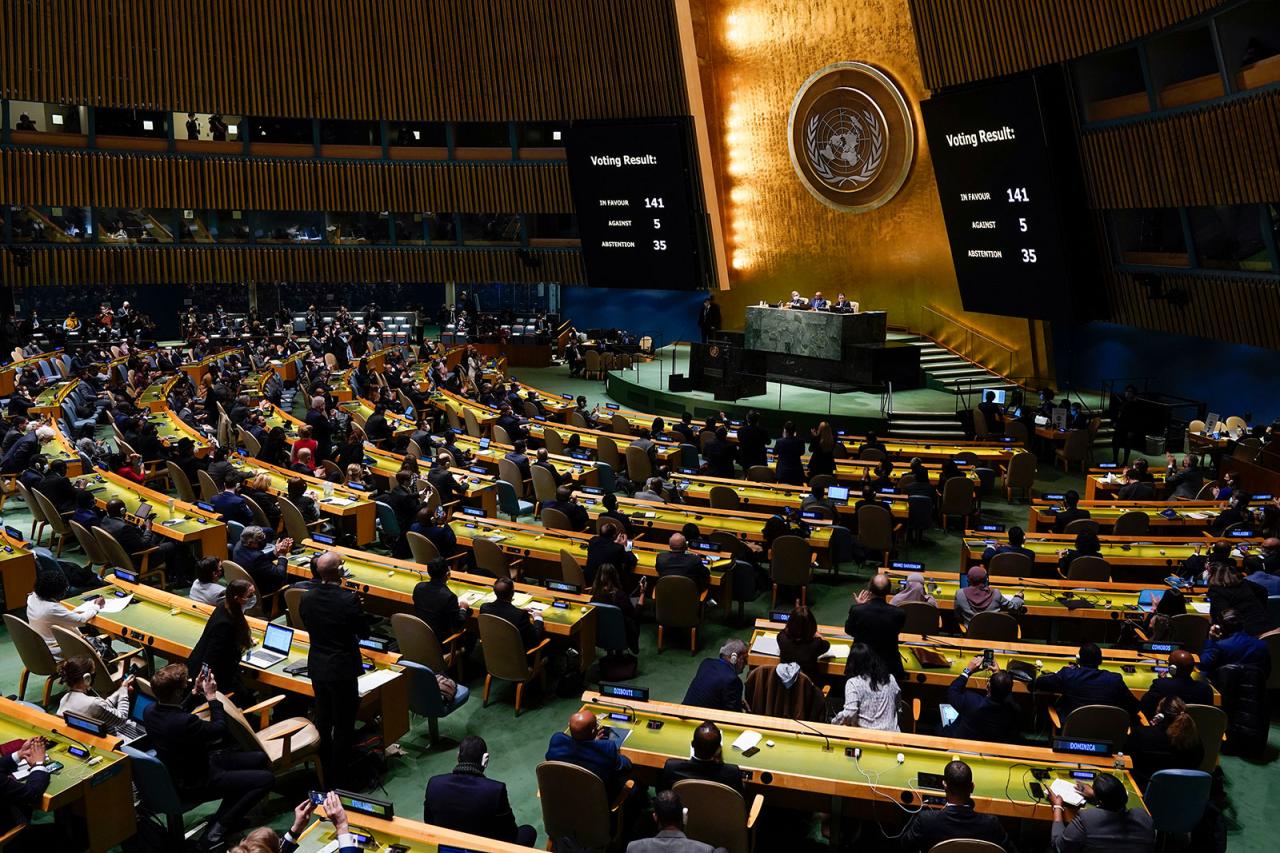
The UN vote is a significant step towards holding Russia accountable for its actions and urging a peaceful resolution to the conflict. While the vote itself may not immediately end the hostilities, it serves as a powerful symbol of international solidarity with Ukraine and a clear message to Russia that its actions are unacceptable.
The international community must now work together to ensure the implementation of the vote’s demands, providing humanitarian assistance to Ukraine and creating conditions for a lasting peace. The future of Ukraine and the global order hinges on the collective resolve to uphold international law and protect the fundamental rights of all people.