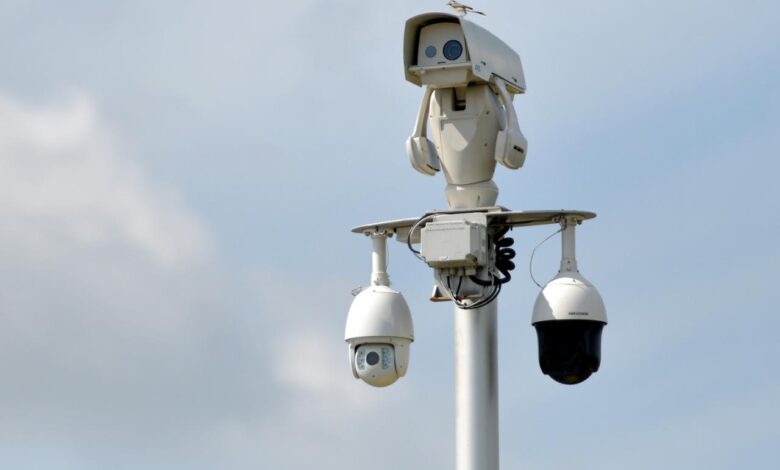
Drones, Robots, and License Plate Readers: Police Grapple with Community Concerns
Drones robots license plate readers police grapple with community concerns as they turn to tech for their jobs – Drones, robots, and license plate readers: police grapple with community concerns as they turn to tech for their jobs. This technological shift, driven by promises of increased efficiency, crime prevention, and public safety, has sparked a debate about the role of technology in law enforcement and its potential impact on individual liberties.
While these technologies offer potential benefits, they also raise concerns about privacy violations, the potential for bias, and the erosion of civil liberties.
The use of drones for surveillance, robots for dangerous situations, and license plate readers for tracking vehicles has become increasingly common in many communities. These technologies offer law enforcement agencies powerful tools to investigate crimes, apprehend suspects, and prevent future offenses.
However, the deployment of such technology raises questions about the balance between public safety and individual privacy.
The Rise of Technology in Law Enforcement
The landscape of law enforcement is rapidly evolving, driven by the increasing integration of advanced technologies. From drones soaring through the skies to robots patrolling streets, and license plate readers scanning vehicles, the police force is embracing a new era of technological sophistication.
This shift is not merely about adopting the latest gadgets but reflects a profound transformation in how law enforcement approaches its core functions.
Motivations Behind the Technological Shift
The adoption of these technologies is motivated by a confluence of factors, primarily focused on enhancing efficiency, crime prevention, and public safety. Law enforcement agencies are seeking to leverage technology to improve their ability to respond to incidents, gather evidence, and deter criminal activity.
- Increased Efficiency: Drones, robots, and license plate readers offer significant advantages in terms of efficiency. Drones can be deployed quickly to survey crime scenes, monitor large areas, and assist in search and rescue operations. Robots can be used to disarm explosives, enter dangerous environments, and provide remote surveillance.
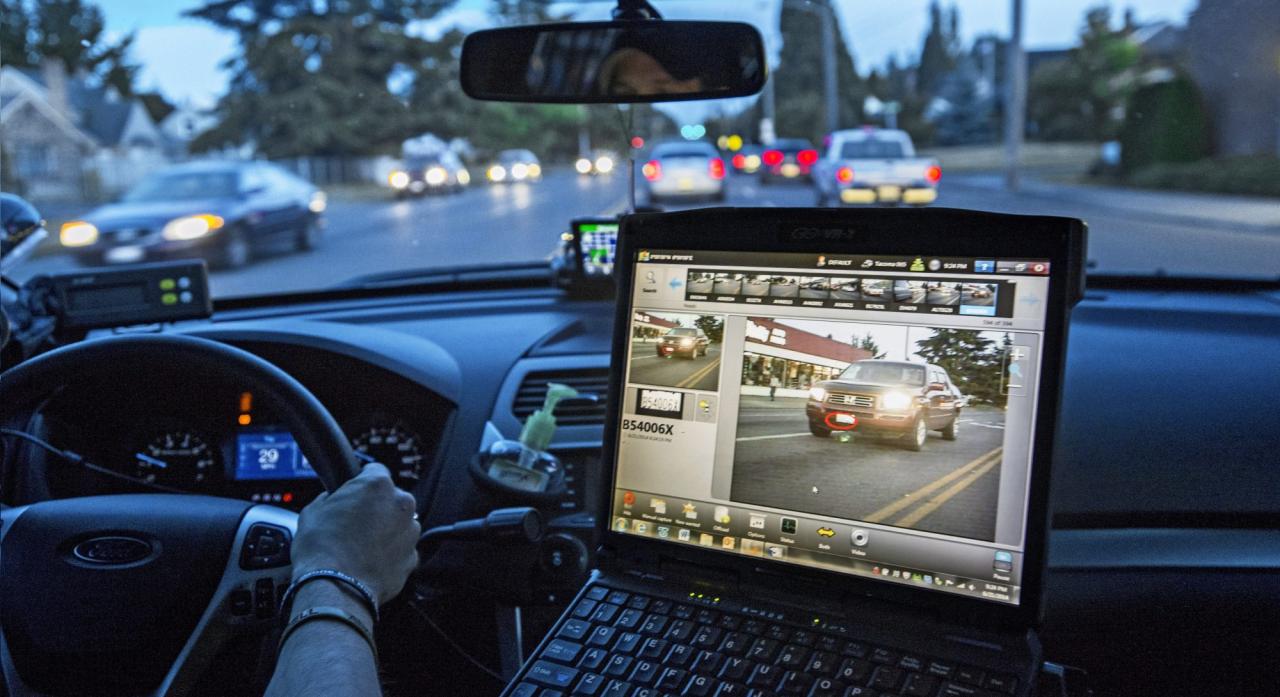
License plate readers can automatically scan thousands of license plates per hour, helping to identify stolen vehicles and track suspects.
- Crime Prevention: Proactive crime prevention is a key focus of modern law enforcement. License plate readers, for instance, can be used to identify vehicles associated with criminal activity, enabling officers to intervene before crimes occur. Drones can monitor high-crime areas, deterring criminal behavior and providing a visual deterrent.
- Public Safety: The use of technology can also enhance public safety. Drones can be used to monitor large gatherings, such as concerts or protests, providing a bird’s-eye view and allowing for quick response in case of emergencies. Robots can be deployed to hazardous situations, such as hostage negotiations or active shooter incidents, reducing risk to human officers.
Real-World Applications of Law Enforcement Technologies
These technologies are not merely theoretical concepts but are already being used in real-world scenarios across the country.
- Drones in Law Enforcement: Drones are being used by police departments for a variety of tasks, including:
- Search and Rescue: In 2017, a drone was used to locate a missing hiker in the California mountains, saving his life.
- Crime Scene Investigation: Drones can provide aerial views of crime scenes, helping investigators to gather evidence and reconstruct events.
- Crowd Control: Drones can be used to monitor large gatherings, such as protests, providing officers with a real-time view of the situation.
- Robots in Law Enforcement: Robots are being used by police departments in situations where it is too dangerous for human officers, such as:
- Bomb Disposal: Robots are often used to disarm explosives, reducing the risk to human bomb disposal technicians.
- Hostage Negotiations: Robots can be used to communicate with suspects and deliver supplies, reducing the risk to human negotiators.
- Active Shooter Incidents: Robots can be used to enter dangerous environments and provide information to officers, allowing them to make more informed decisions.
- License Plate Readers in Law Enforcement: License plate readers are being used by police departments to:
- Identify Stolen Vehicles: License plate readers can automatically scan thousands of license plates per hour, identifying stolen vehicles and alerting officers.
- Track Suspects: License plate readers can be used to track the movements of suspects, helping officers to solve crimes.
- Prevent Crime: License plate readers can be used to identify vehicles associated with criminal activity, allowing officers to intervene before crimes occur.
Community Concerns and Ethical Dilemmas: Drones Robots License Plate Readers Police Grapple With Community Concerns As They Turn To Tech For Their Jobs
The increasing use of drones, robots, and license plate readers in law enforcement has sparked significant community concerns and raised ethical dilemmas. These technologies, while promising for enhancing public safety and crime prevention, also pose potential threats to privacy, civil liberties, and the potential for biased application.
Privacy Violations
The widespread use of these technologies raises serious concerns about privacy violations. Drones, for example, equipped with high-resolution cameras, can capture images and videos of individuals in public and private spaces without their consent. This raises concerns about the potential for unauthorized surveillance and the collection of sensitive personal information.
License plate readers, while primarily used for crime investigation, can also track the movements of individuals, potentially leading to the creation of extensive databases of personal information without their knowledge or consent.
Potential for Bias
Another major concern is the potential for bias in the use of these technologies. Algorithms used to analyze data collected by drones, robots, and license plate readers can perpetuate existing biases, leading to discriminatory outcomes. For instance, facial recognition technology has been shown to be less accurate in identifying individuals with darker skin tones, raising concerns about racial profiling and discriminatory policing practices.
Furthermore, the deployment of these technologies may be disproportionately concentrated in marginalized communities, exacerbating existing inequalities.
Impact on Civil Liberties
The use of drones, robots, and license plate readers can have a significant impact on civil liberties. The constant surveillance capabilities of these technologies can create a chilling effect on free speech and assembly, as individuals may be hesitant to engage in activities that they fear could be monitored or recorded.
Additionally, the use of robots in law enforcement raises concerns about the potential for excessive use of force, particularly in situations where human judgment is limited or absent.
Transparency and Accountability
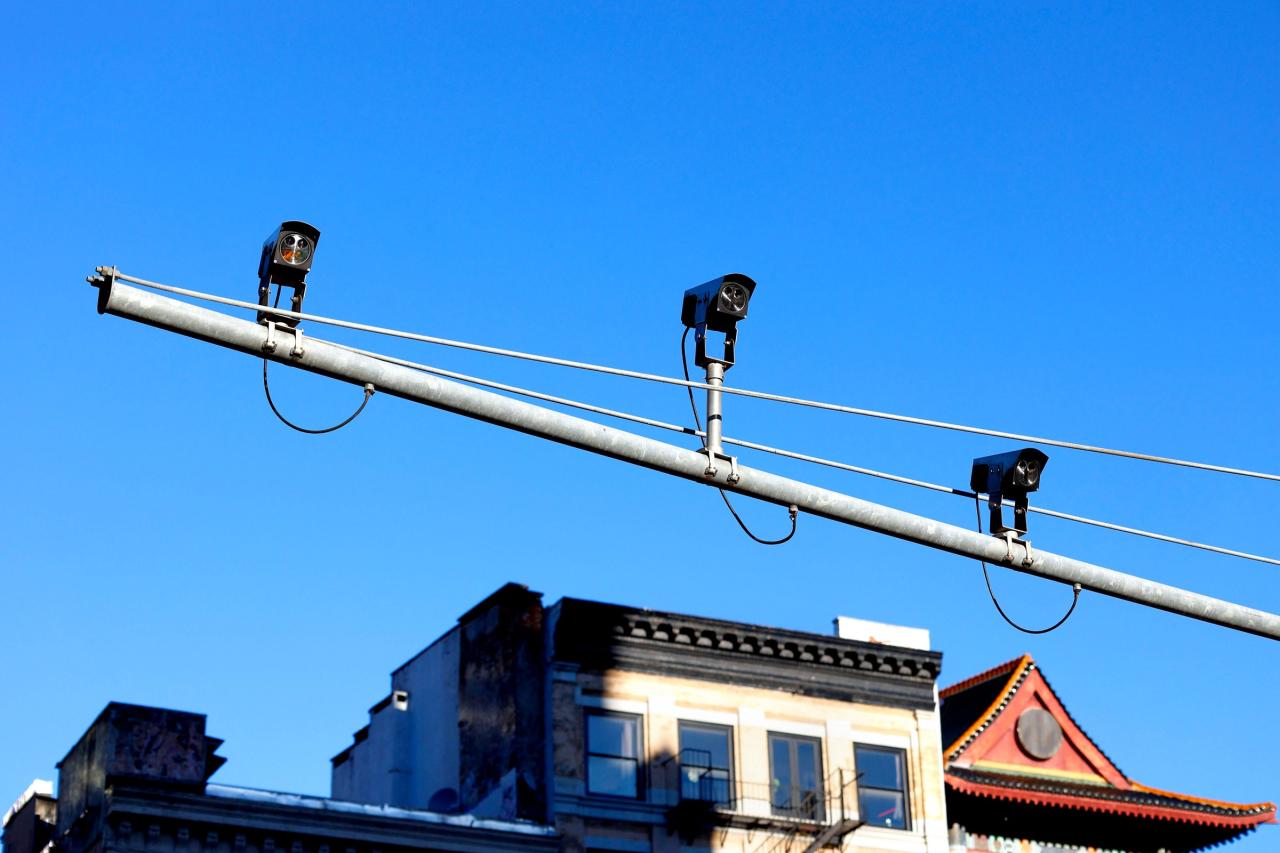
The integration of advanced technologies like drones, robots, and license plate readers into law enforcement operations raises critical concerns about transparency and accountability. These technologies, while offering potential benefits in crime prevention and investigation, also pose significant risks to individual privacy and civil liberties.
Transparency in the use of these technologies is paramount to ensuring public trust and preventing misuse. Clear guidelines, policies, and regulations are essential for governing their deployment, ensuring their responsible and ethical use.
The Importance of Transparency, Drones robots license plate readers police grapple with community concerns as they turn to tech for their jobs
Transparency in the use of these technologies is essential for several reasons:* Public Trust:Transparency builds public trust by allowing citizens to understand how these technologies are being used and how their data is being collected and processed. This fosters a sense of legitimacy and reduces concerns about potential abuse.
Accountability
Transparency allows for public oversight and accountability. By making information about the use of these technologies readily available, citizens can hold law enforcement agencies accountable for their actions.
Preventing Misuse
Transparency can help prevent the misuse of these technologies by discouraging law enforcement agencies from engaging in practices that could violate privacy or civil liberties.
Guidelines, Policies, and Regulations
Clear guidelines, policies, and regulations are crucial for governing the deployment of these technologies:* Data Collection and Retention:Guidelines should define the specific purposes for which data can be collected, the types of data that can be collected, and the duration for which data can be retained.
Data Security
Robust security measures should be in place to protect the data collected from unauthorized access, use, or disclosure.
Use of Force
Clear guidelines should be established for the use of force by robots and drones, particularly in situations involving lethal force.
Public Oversight
Mechanisms for public oversight should be established to ensure that the use of these technologies is consistent with legal and ethical standards.
Public Oversight and Accountability
Public oversight and accountability mechanisms are essential to ensure the responsible use of these technologies:* Independent Oversight Boards:Independent oversight boards can provide a neutral and objective assessment of the use of these technologies, ensuring compliance with established guidelines and policies.
Audits and Reviews
Regular audits and reviews should be conducted to assess the effectiveness and impact of these technologies, as well as to identify any potential areas of concern.
It’s a tough balancing act, isn’t it? On one hand, we have law enforcement agencies increasingly relying on technology like drones, robots, and license plate readers to do their jobs. But on the other, we have communities grappling with the privacy implications of such tools.
It’s a conversation that mirrors the one happening around worker rights, as we saw in the recent news where a senator hammered Dollar General and Dollar Tree over working conditions. Ultimately, finding the right balance between progress and privacy is a challenge we all face, whether it’s on the streets or in the workplace.
Public Access to Information
The public should have access to information about the use of these technologies, including data collection practices, deployment policies, and incident reports.
Balancing Public Safety and Privacy
The increasing reliance on technology in law enforcement raises crucial questions about the delicate balance between public safety and individual privacy. While these technologies offer potential benefits in crime prevention and investigation, they also raise concerns about potential misuse and infringement on fundamental rights.
It’s a strange time for policing, with drones, robots, and license plate readers becoming increasingly commonplace. As law enforcement embraces these technologies, the public is grappling with concerns about privacy and the potential for misuse. Meanwhile, a recent headline claiming that a GOP congressional candidate believes abortion is a human sacrifice to demons gop congressional candidate believes abortion is a human sacrifice to demons raises questions about the ethical implications of these technologies and how they might be used to further divide communities.
Ultimately, the way we approach these issues will shape the future of policing and the relationship between citizens and law enforcement.
This section explores the potential benefits and risks of these technologies and proposes a framework for striking a balance between public safety and individual rights.
The Benefits and Risks of Surveillance Technologies
The use of drones, robots, and license plate readers in law enforcement presents both benefits and risks to public safety and privacy.
- Drones, for instance, can be used for aerial surveillance, search and rescue operations, and monitoring of crime scenes. They can also be equipped with cameras that can capture images and videos of suspects and evidence, potentially aiding in investigations and prosecutions.
However, drones can also be used for intrusive surveillance, potentially violating the privacy of individuals who are not suspected of any wrongdoing. They can also be used for illegal activities, such as drug trafficking or smuggling.
- Robots are increasingly being used in law enforcement for tasks such as bomb disposal, hostage rescue, and surveillance. Robots can be equipped with cameras, sensors, and weapons, allowing them to gather information and potentially neutralize threats. However, the use of robots in law enforcement raises concerns about the potential for excessive force and the potential for robots to be used for surveillance without proper oversight.
For example, the use of robots equipped with lethal weapons raises serious ethical concerns, particularly in situations where there is a risk of civilian casualties.
- License plate readers are used to scan license plates and identify vehicles of interest. They can be used to track vehicles that have been involved in crimes, to identify stolen vehicles, and to locate missing persons. However, license plate readers can also be used to track the movements of individuals, potentially violating their privacy.
They can also be used for discriminatory purposes, such as targeting certain communities or groups based on their race or ethnicity.
Framework for Balancing Public Safety and Privacy
A framework for balancing public safety and privacy in the use of these technologies should include the following elements:
- Transparency and Accountability: Law enforcement agencies should be transparent about their use of these technologies and should be accountable for their actions. This includes providing clear policies and procedures for the use of these technologies, as well as mechanisms for public oversight and accountability.
It’s fascinating how technology is changing the way law enforcement operates, from drones patrolling the skies to robots assisting in dangerous situations. But with these advancements come concerns about privacy and potential misuse. Taking a break from the complexities of policing, I’m craving some comfort food – have you tried shirataki noodles?
They’re surprisingly versatile and absorb flavors beautifully, making them a great addition to any dish. Check out this guide on cooking shirataki noodles – you won’t be disappointed! As for the future of policing, it’s a topic that requires ongoing dialogue and careful consideration, ensuring technology serves the community while respecting individual rights.
- Data Protection: Data collected by these technologies should be protected from unauthorized access and use. This includes implementing strong security measures to prevent data breaches and ensuring that data is only used for legitimate law enforcement purposes.
- Limited Use: The use of these technologies should be limited to specific and justifiable purposes, such as preventing crime, investigating criminal activity, or protecting public safety. The use of these technologies should be subject to oversight and judicial review to ensure that they are not being used in an arbitrary or discriminatory manner.
- Public Input: The public should be involved in the development and implementation of policies governing the use of these technologies. This includes providing opportunities for public input and feedback on proposed policies and procedures.
- Judicial Oversight: The use of these technologies should be subject to judicial oversight to ensure that they are being used in a lawful and constitutional manner. This includes requiring law enforcement agencies to obtain warrants or other judicial authorization before using these technologies in certain situations.
Pros and Cons of Surveillance Technologies
The following table summarizes the pros and cons of drones, robots, and license plate readers:
| Technology | Pros | Cons |
|---|---|---|
| Drones | Can be used for aerial surveillance, search and rescue operations, and monitoring of crime scenes. | Can be used for intrusive surveillance, potentially violating the privacy of individuals who are not suspected of any wrongdoing. They can also be used for illegal activities, such as drug trafficking or smuggling. |
| Robots | Can be used for tasks such as bomb disposal, hostage rescue, and surveillance. | Raises concerns about the potential for excessive force and the potential for robots to be used for surveillance without proper oversight. For example, the use of robots equipped with lethal weapons raises serious ethical concerns, particularly in situations where there is a risk of civilian casualties. |
| License Plate Readers | Can be used to track vehicles that have been involved in crimes, to identify stolen vehicles, and to locate missing persons. | Can be used to track the movements of individuals, potentially violating their privacy. They can also be used for discriminatory purposes, such as targeting certain communities or groups based on their race or ethnicity. |
The Future of Policing and Technology
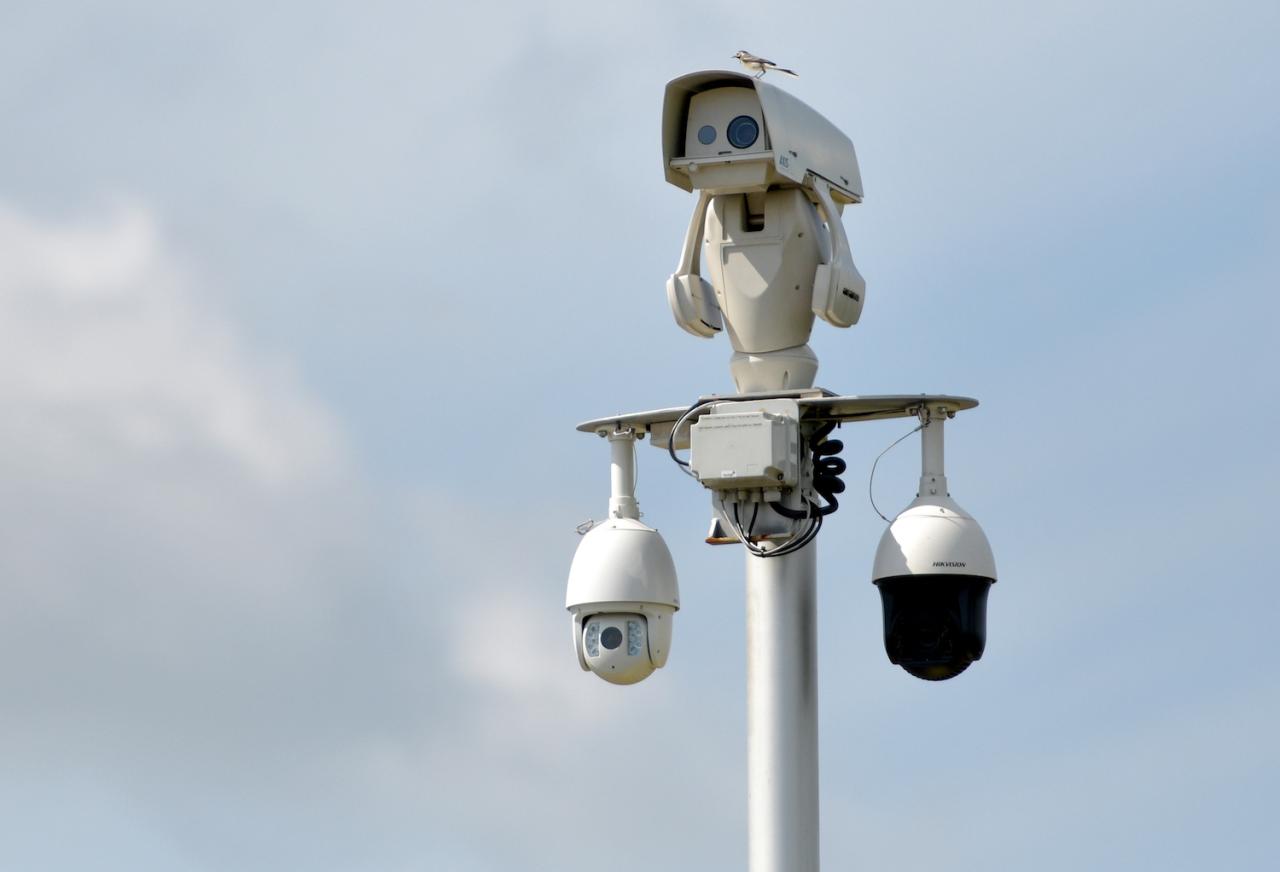
The intersection of law enforcement and technology is constantly evolving, leading to both exciting possibilities and ethical challenges. As we look ahead, it’s crucial to consider the potential impact of emerging technologies on policing and society.
Predicting Future Developments in Law Enforcement Technology
The future of policing will likely see a significant increase in the use of technology, with advancements in areas such as artificial intelligence (AI), robotics, and data analytics. These technologies have the potential to revolutionize how law enforcement operates, enhancing efficiency and effectiveness while raising new ethical concerns.
- AI-Powered Predictive Policing:Algorithms can analyze vast amounts of data to identify potential crime hotspots and predict future criminal activity. This can help police allocate resources more effectively and proactively address crime. However, there are concerns about bias in algorithms, leading to the disproportionate targeting of certain communities.
- Autonomous Drones and Robots:Unmanned aerial vehicles (UAVs) and robots can be deployed for surveillance, evidence collection, and even tactical operations. This can reduce risk to officers in dangerous situations, but also raises questions about privacy and the potential for misuse.
- Biometric Technologies:Facial recognition, iris scanning, and gait analysis are becoming increasingly common in law enforcement. These technologies can help identify suspects and track individuals, but raise concerns about privacy violations and the potential for surveillance abuse.
Ethical Implications of Emerging Technologies
As law enforcement embraces new technologies, it’s essential to consider the ethical implications. Facial recognition, for instance, has the potential to significantly improve crime investigations, but it also raises concerns about privacy violations, particularly in the context of mass surveillance.
Predictive policing, while aiming to prevent crime, can lead to discriminatory practices if algorithms are not developed and used responsibly.
“The use of technology in law enforcement should be guided by a strong commitment to ethical principles, including transparency, accountability, and respect for individual rights.”
A Vision for Responsible Technology in Law Enforcement
To ensure that technology is used responsibly and effectively in law enforcement, a balanced approach is crucial. This involves prioritizing transparency, accountability, and public engagement.
- Transparency and Accountability:Law enforcement agencies should be transparent about their use of technology, providing clear guidelines and procedures for data collection, storage, and use. Robust oversight mechanisms are necessary to ensure accountability and prevent misuse.
- Community Engagement:Public input is essential in shaping the ethical use of technology in law enforcement. Communities should be involved in discussions about the development and deployment of new technologies, ensuring that their concerns are addressed and their rights are protected.
- Focus on Human Rights:The use of technology in law enforcement should always be grounded in human rights principles. This means respecting individual privacy, ensuring due process, and avoiding discrimination.
Conclusion
The future of policing is undeniably intertwined with technology, and striking a balance between public safety and privacy is crucial. As technology continues to evolve, it’s essential to have open discussions about its ethical implications, ensuring transparency and accountability in its use.
This requires collaboration between law enforcement, communities, and policymakers to create a future where technology enhances public safety while respecting individual rights.