30,000 Borrowers to Get Student Loans Forgiven
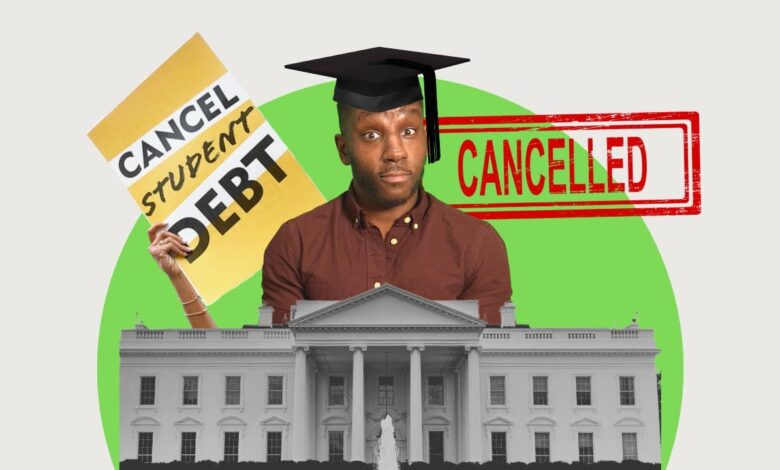
30000 borrowers to get student loans forgiven – 30,000 borrowers to get student loans forgiven! This news is making waves in the world of higher education and personal finance. It’s a major step toward addressing the crippling student debt crisis that many Americans face. This program targets borrowers who have been struggling to repay their loans, offering them a much-needed lifeline.
This program is a direct result of the Biden administration’s commitment to addressing the student loan crisis, and it represents a significant victory for those who have been burdened by student debt for years.
The program is designed to provide relief to borrowers who meet specific eligibility criteria, including those who have been struggling to make payments due to financial hardship. This initiative is a testament to the power of advocacy and the government’s recognition of the immense burden student debt places on individuals and families.
The program is not only a financial relief for borrowers, but it also has the potential to boost the economy by freeing up money for borrowers to spend on other goods and services. This could lead to increased economic activity and a stronger overall economy.
The Student Loan Forgiveness Program: 30000 Borrowers To Get Student Loans Forgiven
The Student Loan Forgiveness Program, also known as the Public Service Loan Forgiveness (PSLF) program, was established in 2007 to encourage individuals to pursue careers in public service by offering loan forgiveness after ten years of qualifying payments. The program aims to reduce the financial burden of student loans for individuals who dedicate their careers to serving the public good.
The news about 30,000 borrowers getting their student loans forgiven is fantastic! It’s a huge relief for those individuals, and I hope it’s a sign of more to come. But while we celebrate that, I can’t help but dream of escaping to the world’s best hotel bars, like The Omnia in Zermatt, Switzerland.
Imagine sipping a cocktail with breathtaking mountain views while celebrating that financial freedom. Now that’s a dream worth saving for!
Eligibility Criteria
To be eligible for the Student Loan Forgiveness Program, borrowers must meet specific criteria. These include:
- Working full-time for a qualifying employer.
- Having a Direct Loan program loan.
- Making 120 qualifying payments.
- Having a repayment plan that qualifies for forgiveness.
Types of Loans Covered
The program covers a range of federal student loans, including:
- Direct Subsidized Loans
- Direct Unsubsidized Loans
- Direct PLUS Loans (for graduate students and parents)
- Direct Consolidation Loans
Impact on Borrowers’ Financial Situations
The Student Loan Forgiveness Program can significantly impact borrowers’ financial situations by eliminating their student loan debt. This can lead to:
- Increased disposable income
- Reduced monthly expenses
- Improved credit scores
- Greater financial stability
For example, a borrower with $50,000 in student loan debt who qualifies for forgiveness after ten years will have a significant financial advantage. They will no longer have to make monthly loan payments, freeing up funds for other expenses, such as savings, investments, or paying down other debts.
This can significantly improve their overall financial well-being and provide them with greater peace of mind.
The 30,000 Borrowers Affected

The recent announcement of student loan forgiveness for 30,000 borrowers has brought a wave of relief and hope to many individuals burdened by student loan debt. This group of borrowers represents a diverse cross-section of Americans, each with their unique circumstances and challenges.
Characteristics of the Affected Borrowers
The 30,000 borrowers who have received loan forgiveness are primarily those who attended for-profit colleges that have since closed or been found to have engaged in deceptive practices. These individuals often enrolled in programs that did not lead to the promised job opportunities, leaving them with substantial debt and limited career prospects.
- Income Levels:Many of these borrowers likely come from lower-income backgrounds, as they were attracted to the promise of affordable education at for-profit institutions.
- Loan Amounts:The amount of debt forgiven varies, but it is likely that these borrowers have accumulated significant debt due to the high costs associated with for-profit colleges.
- Types of Loans:The forgiven loans are primarily federal student loans, which are typically more accessible and less expensive than private loans.
Potential Benefits of Forgiveness
For these borrowers, student loan forgiveness offers significant benefits:
- Financial Relief:The immediate cancellation of debt provides a much-needed financial reprieve, freeing up income that can be used for other essential expenses like housing, healthcare, and savings.
- Improved Credit Scores:Having less debt can lead to improved credit scores, making it easier to access loans, credit cards, and other financial products in the future.
- Increased Financial Stability:The weight of student loan debt can be a major source of stress and anxiety. Loan forgiveness can help these borrowers achieve greater financial stability and peace of mind.
Challenges Faced by Borrowers
While the program offers significant benefits, it’s important to acknowledge that these borrowers may still face challenges:
- Job Market Challenges:The lack of a degree or the lack of a degree that leads to a specific job can make it difficult for these borrowers to find stable employment.
- Limited Career Options:The limited job opportunities can restrict career advancement and earning potential.
- Long-Term Financial Planning:The sudden removal of debt can create new financial planning challenges, as borrowers need to adjust their budgets and savings strategies.
The Broader Implications of Student Loan Forgiveness
The recent announcement of student loan forgiveness for 30,000 borrowers has sparked a wave of debate regarding its potential economic and social impacts. While the program directly affects a select group, its implications extend far beyond the beneficiaries, raising questions about the broader economic landscape, the future of higher education, and the role of government intervention in debt relief.
Economic Impact of Student Loan Forgiveness
The economic impact of student loan forgiveness is a complex issue with potential benefits and drawbacks. Proponents argue that forgiveness would stimulate consumer spending, boosting economic growth by freeing up disposable income for borrowers. Additionally, it could alleviate financial stress, leading to increased investment and entrepreneurship.
The news that 30,000 borrowers will have their student loans forgiven is a welcome relief for many, but it also highlights a larger issue: the need for a more empathetic approach to financial aid. Instead of simply offering blanket solutions, we should be having conversations about individual needs and finding solutions that work for everyone.
This is why your marketing strategy should be about conversations not interruptions, as explained in this great article why your marketing strategy should be about conversations not interruptions. By engaging in meaningful dialogue, we can create a more supportive and equitable system for student loan forgiveness and ensure that everyone has a chance to achieve their financial goals.
Conversely, critics argue that forgiveness could lead to inflation, as increased spending power could drive up prices. They also raise concerns about the long-term cost to taxpayers and the potential disincentive for borrowers to manage their debt responsibly.
Impact on Higher Education Institutions
The program’s impact on higher education institutions is another area of debate. Some argue that forgiveness could incentivize institutions to raise tuition fees, knowing that the government will ultimately bear the burden of debt repayment. This could exacerbate the already rising cost of higher education and create an unfair burden for future generations.
Others believe that forgiveness could encourage institutions to focus on affordability and accessibility, making higher education more equitable.
Comparison to Other Debt Relief Initiatives
The student loan forgiveness program is not the first government-led debt relief initiative. Programs like the Paycheck Protection Program (PPP) and the Home Affordable Modification Program (HAMP) have provided relief for businesses and homeowners facing financial hardship. The student loan forgiveness program can be compared to these initiatives in terms of its scale, eligibility criteria, and potential impact.
It’s amazing to hear about 30,000 borrowers getting student loans forgiven – a huge relief for many! It’s almost as uplifting as listening to this new album that makes beautiful music out of gravity, the elements, and photosynthesis.
The album’s creativity reminds me of how important it is to find joy in unexpected places, just like those borrowers finding a new financial freedom.
However, the unique characteristics of student debt, such as its long-term nature and its impact on future earnings, require careful consideration when comparing it to other debt relief programs.
Public Perception and Reactions
The news of student loan forgiveness for 30,000 borrowers has sparked a wide range of reactions, raising important questions about fairness, economic impact, and the role of government in addressing student debt.
Perspectives on Student Loan Forgiveness
Different stakeholders hold distinct views on the program.
| Stakeholder | Perspective |
|---|---|
| Borrowers | Many borrowers see the program as a much-needed relief, allowing them to free up their finances for other priorities, such as housing, healthcare, and starting families. They argue that the program is a long-overdue step towards addressing the student debt crisis and its negative impact on their lives. |
| Lenders | Lenders, on the other hand, express concerns about the financial implications of loan forgiveness. They argue that the program could lead to losses for institutions that hold student loans, potentially impacting their lending practices and ability to support future borrowers. |
| Policymakers | Policymakers are divided on the program’s effectiveness and long-term implications. Some view it as a necessary step to address the affordability of higher education, while others argue that it may create a moral hazard by discouraging borrowers from taking responsibility for their debt. |
Arguments for and Against Student Loan Forgiveness
The debate over student loan forgiveness revolves around a number of arguments:
| Arguments For | Arguments Against |
|---|---|
| Stimulates the economy by freeing up borrowers’ disposable income, allowing them to spend more and contribute to economic growth. | Unfair to those who have already paid off their loans or never took them out, creating a sense of inequality. |
| Reduces the burden of student debt, allowing borrowers to pursue their goals and contribute to society. | Could create a moral hazard, discouraging future borrowers from taking responsibility for their debt. |
| Addresses the systemic issues that contribute to high student loan debt, such as rising tuition costs and limited access to affordable education. | May lead to higher tuition costs as universities rely on student loan revenue. |
| Promotes social mobility and economic opportunity for borrowers, allowing them to achieve their full potential. | Could exacerbate inflation by injecting more money into the economy. |
Social and Political Consequences of Student Loan Forgiveness, 30000 borrowers to get student loans forgiven
The program’s potential consequences extend beyond the immediate beneficiaries:
| Social Consequences | Political Consequences |
|---|---|
| Could increase social mobility and reduce income inequality by providing borrowers with financial relief. | Could lead to political polarization, with some supporting the program as a necessary step towards economic justice and others opposing it as a form of government overreach. |
| May contribute to a decline in student loan delinquency and default rates, reducing the financial burden on borrowers and the government. | Could impact future government spending priorities, potentially leading to cuts in other programs or increased taxes. |
| Could create a more equitable system of higher education by making it more affordable for students from lower-income backgrounds. | Could influence future debates about the role of government in addressing student debt and the affordability of higher education. |
Future Outlook and Potential Developments
The recent student loan forgiveness program for 30,000 borrowers has sparked a significant conversation about the future of student loan debt relief. This program serves as a potential model for future expansions or modifications, but it also presents challenges and raises broader implications.
Potential for Future Expansion or Modifications
The program’s success in providing relief to a targeted group of borrowers has fueled discussions about expanding its reach. This includes exploring options for increasing the number of borrowers eligible for forgiveness, broadening the criteria for eligibility, or even implementing similar programs for other types of debt.
Challenges and Obstacles in Implementing the Program
While the program aims to provide much-needed relief, its implementation faces various challenges.
- Funding:The program requires significant financial resources, which may be limited, especially in light of other pressing budgetary priorities.
- Administrative Complexity:The process of identifying eligible borrowers, verifying their debt status, and processing forgiveness applications can be complex and resource-intensive.
- Potential for Abuse:There is a concern that some borrowers may attempt to exploit the program or engage in fraudulent activities.
- Equity and Fairness:Expanding the program raises questions about fairness and equity, as different groups may benefit disproportionately.
Potential for Similar Programs to Address Other Types of Debt
The success of the student loan forgiveness program has inspired discussions about applying similar approaches to address other types of debt, such as medical debt or consumer debt. This could involve targeted programs designed to provide relief to specific groups or individuals facing overwhelming debt burdens.
Conclusion
The news of 30,000 borrowers getting student loans forgiven is a beacon of hope for those struggling with student debt. It’s a powerful reminder that progress is possible, and that there are people fighting for solutions to this complex issue.
This program is just one step in the right direction, and it’s a clear indication that the government is committed to addressing the student debt crisis. The program is a testament to the power of collective action and the importance of advocating for policies that benefit all Americans.
It’s a reminder that change is possible, and that we can work together to create a more just and equitable society.