Do Democrats Support Unions For Their Own Employees?
Does democrats support for unions extend to their own employees – Do Democrats Support Unions For Their Own Employees? This question delves into the complex relationship between the Democratic Party, labor unions, and the practical application of their shared ideals. While the Democratic Party platform champions labor rights and unionization, does this support extend to the institutions they control, like government agencies and public schools?
This blog post examines the nuances of this issue, exploring the historical and contemporary context, and analyzing the actions of Democratic leaders in both the public and private sectors.
We’ll look at the Democratic Party’s stance on labor unions, their policies to support them, and how their actions compare to other political parties. We’ll also investigate unionization efforts within Democratic-controlled institutions, examining the success rate and challenges faced. Additionally, we’ll explore the personal views of prominent Democratic leaders on labor unions, comparing their statements and actions to the party platform.
Democratic Party Platform and Labor Unions
The Democratic Party has a long history of supporting labor unions, viewing them as crucial to protecting workers’ rights and promoting economic fairness. Their platform reflects this commitment, outlining policies aimed at strengthening unions and empowering workers.
Democratic Party Platform and Labor Union Support
The Democratic Party’s platform explicitly supports labor unions, advocating for policies that enhance their ability to organize, bargain collectively, and protect workers’ rights. The platform recognizes the vital role unions play in ensuring fair wages, safe working conditions, and access to benefits.
“We believe that workers have the right to join a union and bargain collectively without fear of retaliation. We will fight to protect workers’ right to organize and to ensure that unions have the resources they need to effectively represent their members.”
Key Democratic Party Policies Supporting Labor Unions
The Democratic Party has proposed numerous policies aimed at bolstering labor unions and enhancing worker protections. Some of the key initiatives include:
- The Protecting the Right to Organize (PRO) Act:This legislation seeks to strengthen the National Labor Relations Act (NLRA) by making it easier for workers to form unions and engage in collective bargaining. The PRO Act aims to curb employer interference in union organizing efforts and address concerns about union busting tactics.
- Increased Funding for Labor Enforcement:The Democratic Party has advocated for increased funding for the National Labor Relations Board (NLRB), the agency responsible for enforcing labor laws. This increased funding aims to bolster the NLRB’s capacity to investigate unfair labor practices, resolve disputes, and ensure that employers comply with labor laws.
- Support for Public Sector Unions:The Democratic Party supports the rights of public sector employees to organize and bargain collectively. They oppose efforts to restrict or weaken public sector unions, recognizing their importance in providing essential services and ensuring fair treatment for government workers.
- Expansion of Collective Bargaining Rights:The Democratic Party supports expanding collective bargaining rights to workers in industries where it is currently limited, such as gig workers and independent contractors. This would allow these workers to negotiate for better wages, benefits, and working conditions through collective bargaining.
Democratic Party vs. Other Political Parties on Labor Unions
The Democratic Party’s stance on labor unions contrasts with that of other political parties, particularly the Republican Party. The Republican Party has generally been less supportive of labor unions, often advocating for policies that limit their power and influence. This difference in approach stems from contrasting views on the role of government in regulating the economy and the balance of power between employers and employees.
- Republican Party:The Republican Party generally advocates for a more limited role for government in the economy and supports policies that promote free markets and individual choice. This approach often leads to a less supportive stance on labor unions, as they are seen as limiting the freedom of employers and potentially interfering with market forces.
- Democratic Party:The Democratic Party generally advocates for a more active role for government in regulating the economy and protecting workers’ rights. This approach leads to a stronger stance on labor unions, as they are seen as crucial for ensuring fair treatment and protecting workers from exploitation.
Unionization Efforts within Democratic-Controlled Institutions: Does Democrats Support For Unions Extend To Their Own Employees
The Democratic Party’s stance on labor unions has been a topic of much discussion, particularly in the context of the party’s control over various institutions. This section explores the prevalence and outcomes of unionization efforts within government agencies, public schools, and universities under Democratic leadership.
Unionization Efforts in Democratic-Controlled Institutions
Unionization efforts in institutions controlled by Democrats have been a significant feature of the labor movement, particularly in the public sector. These efforts often involve negotiations over wages, benefits, and working conditions, aiming to improve the lives of employees.
- Government Agencies:In the United States, federal employees are allowed to unionize through the Federal Labor Relations Authority (FLRA). The FLRA oversees collective bargaining and grievance procedures for federal workers. While Democrats generally support the rights of federal employees to unionize, there have been instances where Democratic administrations have faced challenges in balancing the interests of unions with the needs of the government.
For example, the Obama administration faced criticism from some unions for its handling of budget cuts and layoffs during the Great Recession.
- Public Schools:Teachers’ unions are a powerful force in American education. In many states, teachers’ unions have played a significant role in shaping education policy, particularly in areas like teacher salaries, class size, and standardized testing. Democrats generally support teachers’ unions and their goals, but there have been instances where Democratic administrations have clashed with unions over issues such as school reform and accountability.
- Universities:Unionization efforts have also been prominent in higher education. In many universities, faculty and staff are represented by unions that negotiate contracts with university administrations. These contracts often cover issues such as salary, benefits, workload, and academic freedom.
Democrats generally support the rights of university employees to unionize, but there have been instances where Democratic administrations have faced challenges in balancing the interests of unions with the need to maintain a competitive and efficient higher education system.
Success Rates and Challenges, Does democrats support for unions extend to their own employees
The success of unionization efforts in Democratic-controlled institutions has varied depending on the specific context. While unions have often been successful in securing contracts that improve working conditions for employees, they have also faced challenges, such as:
- Budgetary constraints:Public institutions often face budgetary constraints that limit their ability to meet union demands for higher wages and benefits.
- Political opposition:Unionization efforts have often faced opposition from political groups that oppose organized labor.
- Public opinion:Public opinion on unions can fluctuate, and this can impact the success of unionization efforts.
Notable Instances of Support and Opposition
While Democrats generally support the rights of workers to unionize, there have been notable instances where Democratic leaders have either supported or opposed unionization within their own institutions.
- President Barack Obama:Obama generally supported the rights of workers to unionize, and his administration took steps to strengthen labor unions, such as issuing an executive order requiring federal contractors to provide workers with the right to organize and bargain collectively.
However, Obama also faced criticism from some unions for his handling of budget cuts and layoffs during the Great Recession.
- President Joe Biden:Biden has been a vocal supporter of labor unions throughout his career, and his administration has taken steps to promote unionization, such as issuing an executive order encouraging federal agencies to promote unionization among their employees. However, Biden has also faced challenges in promoting unionization, particularly in the private sector.
Democratic Leaders’ Personal Views on Labor Unions
Democratic leaders have consistently championed the rights of workers and expressed unwavering support for labor unions, viewing them as essential pillars of a fair and equitable society. Their commitment to unions is deeply rooted in the Democratic Party’s platform, which advocates for a strong middle class and a level playing field for all Americans.
Statements and Actions Demonstrating Support for Labor Unions
Prominent Democratic leaders have consistently made statements and taken actions that demonstrate their support for labor unions. These actions highlight their belief in the crucial role unions play in protecting workers’ rights, improving working conditions, and advocating for fair wages.
It’s a bit ironic, isn’t it? Democrats champion unions and worker rights, but when it comes to their own employees, the picture gets a bit murky. Take, for instance, the recent case of Oregon being sued for failing to provide public defenders , a critical service for those facing legal trouble.
It begs the question: if Democrats are so pro-union, why are they failing to ensure their own employees have the resources they need to do their jobs effectively?
- President Joe Bidenhas consistently voiced his support for labor unions throughout his career. In his 2020 presidential campaign, he pledged to be the “most pro-union president in American history,” promising to reverse the decline in union membership and strengthen collective bargaining rights.
He has also appointed pro-labor officials to key positions in his administration, including the Secretary of Labor and the National Labor Relations Board.
- Vice President Kamala Harrishas a long history of supporting labor unions, dating back to her time as a California state senator. As a prosecutor, she was known for her support for unions representing public sector workers. In her role as Vice President, she has continued to advocate for policies that strengthen labor unions, such as the PRO Act, which aims to make it easier for workers to form unions and bargain collectively.
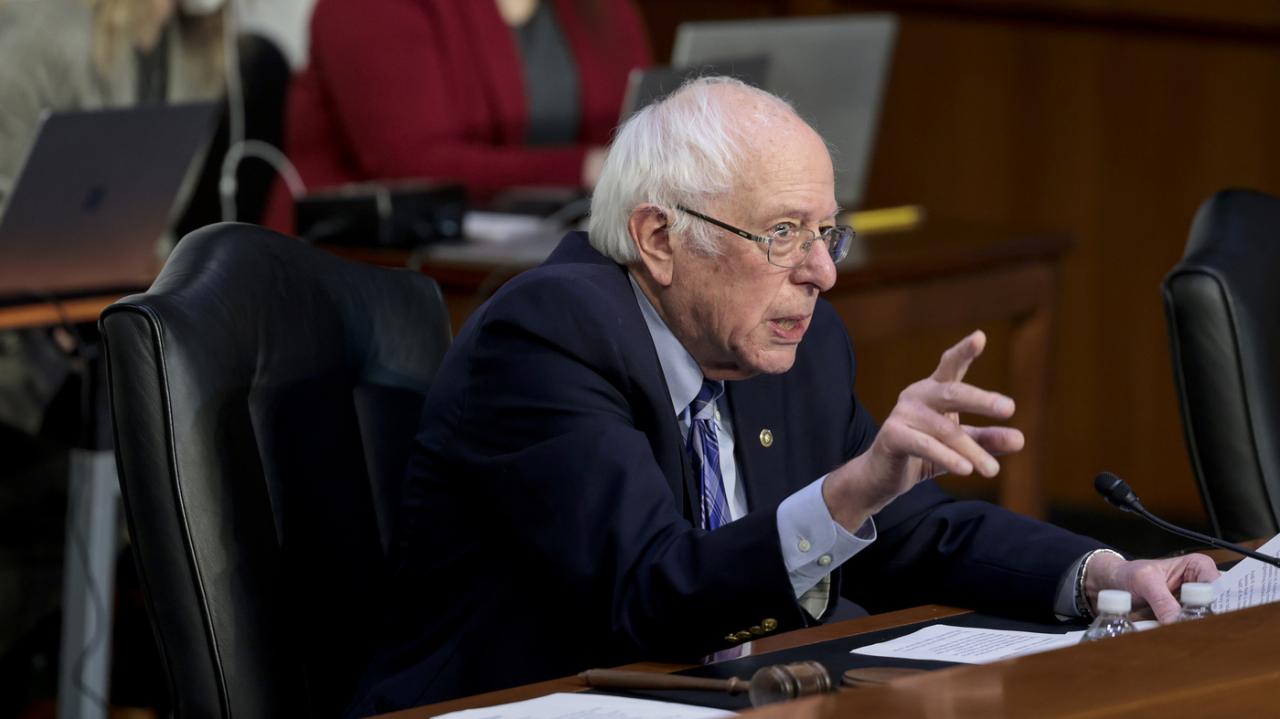
- Senator Bernie Sanders, a self-described democratic socialist, is a vocal advocate for labor unions and has consistently supported policies that strengthen their power. He has been a staunch critic of corporate greed and has called for a “reawakening of the labor movement” in the United States.
- Senator Elizabeth Warrenhas been a vocal supporter of labor unions and has introduced legislation to strengthen their rights. She has been a critic of the “right-to-work” laws, which weaken the power of unions, and has called for a “revival of the labor movement” in the United States.
It’s a fair question to ask whether Democrats’ support for unions extends to their own employees. After all, the principles of worker rights and fair treatment should apply across the board. This raises the broader issue of corporate social responsibility (CSR) and how to ensure its impact for all stakeholders , including employees.
Ultimately, true commitment to these values should be reflected in actions, not just words, and that includes how political organizations treat their own workforce.
Alignment with Democratic Party Platform
The views of these Democratic leaders align with the Democratic Party’s platform, which emphasizes the importance of a strong middle class and a level playing field for all Americans. The platform states that “the Democratic Party believes that unions are essential to a strong middle class and a thriving economy,” and calls for policies that “strengthen collective bargaining rights and ensure that workers have a voice in the workplace.”
Differing Views on Labor Unions
While the vast majority of Democratic leaders support labor unions, there have been some instances where Democratic leaders have expressed differing views on the role of unions in society. Some Democrats have argued that the labor movement needs to adapt to the changing nature of the workforce, particularly in the face of the rise of the gig economy.
It’s a common talking point that Democrats support unions, but do they practice what they preach when it comes to their own employees? It’s a question worth pondering, especially when you consider that this is the 1 reason why 65 businesses fail in the first 10 years and many founders still dont get it – a lack of understanding and empathy for the needs of their workforce.
The same principle applies to political parties – if they truly believe in union representation, should they be leading by example?
Others have raised concerns about the potential for union corruption and the need for greater transparency and accountability.
- Former President Barack Obama, while generally supportive of labor unions, has also acknowledged the need for unions to adapt to the changing nature of the workforce. In his 2009 State of the Union address, he called for a “new era of labor-management cooperation” and urged unions to “embrace the challenges of the 21st century.”
- Former Vice President Al Gorehas expressed concerns about the potential for union corruption and has called for greater transparency and accountability in the labor movement. In a 2007 speech, he stated that “we need to make sure that unions are accountable to their members and that they are not engaged in corrupt practices.”
Unionization Efforts in the Private Sector and Democratic Support
The relationship between Democratic politicians and unionization efforts in the private sector is complex and multifaceted. Democrats have historically been strong supporters of labor unions, seeing them as crucial for protecting workers’ rights and promoting economic fairness. However, the landscape of unionization has shifted in recent decades, with declining membership and a growing trend of unionization efforts in the private sector.
This section examines recent unionization efforts in the private sector, the role of Democratic politicians in supporting these efforts, and the impact of this support on the success of these campaigns.
Examples of Recent Unionization Efforts in the Private Sector
Recent years have witnessed a surge in unionization efforts across various industries, particularly in the private sector. This resurgence is fueled by a confluence of factors, including growing dissatisfaction with working conditions, the rise of gig economy jobs, and a renewed focus on workers’ rights.
Here are a few prominent examples:
- Amazon Labor Union:The Amazon Labor Union (ALU) successfully organized a union at an Amazon warehouse in Staten Island, New York, in April 2022, marking a significant victory for organized labor. The ALU’s campaign highlighted issues such as low wages, grueling working conditions, and a lack of worker voice.
The success of the ALU’s campaign inspired other Amazon workers across the country to organize, and several other unionization efforts are currently underway at Amazon facilities.
- Starbucks Workers United:Since late 2021, Starbucks workers across the United States have been organizing under the banner of Starbucks Workers United, a campaign aimed at unionizing Starbucks stores nationwide. This effort has seen significant success, with dozens of stores successfully unionizing, and the movement continues to grow.
Starbucks Workers United has focused on issues such as wages, benefits, and workplace safety.
- Apple Retail Workers:In June 2023, Apple Retail Workers, a union affiliated with the International Brotherhood of Electrical Workers (IBEW), filed for a union election at an Apple store in Maryland. This effort, while still in its early stages, represents a potential shift in the traditionally non-unionized tech sector.
The campaign highlights concerns regarding employee treatment, working conditions, and the lack of a union voice.
Democratic Support for Private Sector Unionization Efforts
Democratic politicians have consistently voiced their support for unionization efforts, both in the public and private sectors. They see unions as crucial for protecting workers’ rights, ensuring fair wages, and promoting economic security. Here are some examples of how Democratic politicians have supported unionization efforts:
- Legislative Support:Democratic lawmakers have introduced and supported legislation aimed at making it easier for workers to organize and bargain collectively. For instance, the Protecting the Right to Organize (PRO) Act, a comprehensive labor reform bill, was passed by the House of Representatives in 2021 but did not receive a vote in the Senate.
This legislation aimed to strengthen workers’ rights, limit employer interference in unionization efforts, and increase penalties for unfair labor practices.
- Public Statements:Democratic leaders have repeatedly made public statements in support of unionization efforts, often emphasizing the importance of worker rights and the need for a strong labor movement. President Biden has frequently expressed his support for unions, calling them “the backbone of the middle class” and urging workers to organize.
- Financial Contributions:Democratic politicians and their campaigns have received significant financial support from labor unions. This financial support allows unions to play a significant role in supporting candidates who are sympathetic to their cause. In return, Democratic politicians often make public commitments to supporting labor unions and their priorities.
Impact of Democratic Support on Unionization Efforts
The impact of Democratic support on the success of unionization efforts is a complex issue. While Democratic politicians have provided significant support, the ultimate success of these efforts depends on a variety of factors, including the strength of the union organizing campaign, the level of employer resistance, and the broader economic and political climate.
- Increased Visibility and Support:Democratic support has helped to raise the visibility of unionization efforts and garner public support for organized labor. This increased visibility has emboldened workers to organize and has made it more difficult for employers to suppress unionization efforts.
- Legislative Advocacy:Democratic politicians have played a crucial role in advocating for legislation that would make it easier for workers to organize. While the PRO Act did not pass the Senate, it has generated significant public debate and has helped to advance the issue of labor rights.
- Challenges and Limitations:Despite their support, Democratic politicians face challenges in promoting unionization efforts. The decline in union membership, the rise of the gig economy, and the increasing power of corporations have made it more difficult to organize workers. Additionally, the political landscape has become increasingly polarized, making it difficult to pass comprehensive labor reform legislation.
The Role of Labor Unions in Democratic Politics
The historical and contemporary relationship between labor unions and the Democratic Party is deeply intertwined, shaped by shared values and a common goal of advocating for the working class. This alliance has been a defining characteristic of American politics, with unions playing a significant role in shaping the Democratic Party’s platform and its electoral success.
Historical Relationship and Evolution
The relationship between labor unions and the Democratic Party has evolved over time, reflecting shifts in the political landscape and the changing nature of the labor movement. In the early 20th century, unions were instrumental in the rise of the Democratic Party as a champion of workers’ rights.
The party’s support for legislation such as the Fair Labor Standards Act of 1938, which established minimum wage and overtime pay, solidified its alliance with organized labor. During the New Deal era, unions played a key role in mobilizing voters and advocating for policies that benefited working families.
Contemporary Relationship and Shared Values
In contemporary American politics, labor unions remain a strong force within the Democratic Party. They continue to advocate for policies that promote workers’ rights, such as collective bargaining, fair wages, and workplace safety. The Democratic Party’s platform reflects this commitment, advocating for policies that support unions and their members.
The party’s stance on issues such as raising the minimum wage, expanding access to healthcare, and protecting workers’ rights resonates with the values and priorities of labor unions.
Labor Unions’ Support for Democratic Candidates and Campaigns
Labor unions have traditionally been a significant source of financial and organizational support for Democratic candidates and their campaigns. They contribute heavily to campaigns through political action committees (PACs) and individual donations. Moreover, unions mobilize their members to vote for Democratic candidates and engage in get-out-the-vote efforts.
This support is crucial in close elections, particularly in key swing states where unions have a strong presence.
Impact of Labor Unions on the Political Landscape
Labor unions have a significant impact on the political landscape, influencing the policy agenda and the electoral outcomes of political parties. Their advocacy on issues such as workers’ rights, healthcare, and education shapes the priorities of the Democratic Party. Unions also mobilize their members to participate in political campaigns, influencing the outcome of elections.
Their ability to mobilize voters and advocate for specific policies makes them a powerful force in American politics.
Influence within the Democratic Party
Labor unions hold considerable influence within the Democratic Party, shaping the party’s platform and its policy priorities. They have a strong voice in party deliberations and are often consulted on key issues. This influence is evident in the party’s commitment to policies that promote workers’ rights, such as collective bargaining and fair wages.
The Democratic Party’s reliance on union support for campaign contributions and voter mobilization further enhances the influence of labor unions within the party.
Examples of Labor Unions’ Influence on Democratic Politics
- The AFL-CIO, the largest federation of labor unions in the United States, has played a key role in supporting Democratic candidates and shaping the party’s platform.
- The American Federation of Teachers (AFT) has been a vocal advocate for policies that support public education, including increased funding and teacher rights.
- The Service Employees International Union (SEIU) has been instrumental in organizing workers in the healthcare and service sectors, advocating for policies that improve working conditions and wages.
End of Discussion
The question of whether Democrats truly support unions for their own employees is multifaceted and nuanced. While the party platform supports labor rights and unionization, the reality is more complex. There are instances where Democratic leaders have supported unionization within their own institutions, but there are also cases where they have opposed it.
The historical and contemporary relationship between labor unions and the Democratic Party is undeniable, but the future of this relationship remains uncertain. As the political landscape evolves, it will be interesting to see how the Democratic Party balances its support for labor unions with its responsibilities to the institutions it controls.