DNC Weighs Changes to Presidential Nominating Process
DNC Weighs Changes to Presidential Nominating Process, a move that has sparked intense debate and scrutiny within the Democratic Party. The current system, a complex blend of caucuses, primaries, and delegate allocation, has come under fire for its perceived shortcomings, particularly in its ability to accurately reflect the will of the Democratic electorate.
The proposed changes, aimed at addressing these concerns, have the potential to reshape the landscape of presidential nominations, impacting everything from candidate strategies to the overall political landscape.
This article delves into the heart of this evolving issue, examining the proposed changes, their potential impact on Democratic candidates, and the broader political implications. We’ll explore the historical context of past reforms, analyze public opinion on the proposed changes, and assess the potential consequences for the 2024 presidential election.
The Current DNC Presidential Nominating Process
The Democratic National Committee (DNC) oversees the process by which the Democratic Party nominates its presidential candidate. The process is designed to be democratic and representative, allowing voters across the country to have a voice in selecting the nominee. The current process involves a series of primaries and caucuses, culminating in the Democratic National Convention, where the nominee is officially chosen.
The Delegate Allocation System
The delegate allocation system is the mechanism by which delegates to the Democratic National Convention are awarded to candidates based on the results of primaries and caucuses. The system is designed to ensure that all states and territories have a fair chance to influence the outcome of the nomination process.The Democratic National Committee (DNC) allocates delegates to the Democratic National Convention based on a formula that takes into account a state’s population, its history of voting for Democratic candidates, and its level of political engagement.
The DNC is considering changes to the presidential nominating process, aiming to make it more representative and inclusive. While this internal debate continues, the political landscape is also grappling with the implications of the January 6th committee report and its revelations about the role of Ginni Thomas, wife of Supreme Court Justice Clarence Thomas, in the events leading up to the insurrection.
This has sparked a debate about the impartiality of the court, with some arguing that Justice Thomas should recuse himself from cases related to the January 6th attack. The latest news on this topic, mccarthy defends clarence thomas ability to rule on jan 6 committee after report about his wifes texts with meadows , suggests that the controversy surrounding Justice Thomas is likely to persist, further complicating the already contentious political climate.
The delegate allocation system is designed to ensure that all states and territories have a fair chance to influence the outcome of the nomination process.
- Proportional Representation:Most states allocate delegates proportionally based on the percentage of votes each candidate receives. This ensures that even candidates who do not win a majority of the vote in a state can still earn delegates.
- Pledged Delegates:These delegates are awarded based on the results of primaries and caucuses and are obligated to vote for the candidate they are pledged to support.
- Superdelegates:These are unpledged delegates who are free to vote for any candidate at the Democratic National Convention. They include members of the Democratic National Committee, elected officials, and other prominent party members.
Caucuses and Primaries
Caucuses and primaries are the primary methods by which voters choose their preferred presidential candidates. They differ in how they are conducted, but both serve to determine the allocation of delegates to the Democratic National Convention.
- Caucuses:Caucuses are meetings where registered Democrats gather to discuss and vote for their preferred presidential candidates. They are typically held in small, local venues, and voters must attend in person to participate.
- Primaries:Primaries are elections where voters cast ballots for their preferred presidential candidates. They are held on a specific date in each state, and voters can participate in person, by mail, or online.
Rules and Regulations
The Democratic National Committee (DNC) establishes rules and regulations governing the presidential nominating process. These rules address various aspects of the process, including delegate allocation, candidate eligibility, and the conduct of primaries and caucuses.
The DNC is weighing changes to the presidential nominating process, and it’s a move that’s attracting a lot of attention, especially given the current political climate. It’s a time when a legal effort to disqualify Republicans as insurrectionists is gaining momentum, and the DNC’s decision will undoubtedly be viewed through this lens.
It’s a pivotal moment for the party, and their choices will have significant implications for the future of American politics.
- Candidate Eligibility:To be eligible to run for president, a candidate must be a registered Democrat and meet certain age and residency requirements.
- Campaign Finance:The DNC has rules governing campaign finance, including limits on the amount of money that candidates can raise and spend.
- Primary and Caucus Conduct:The DNC sets standards for the conduct of primaries and caucuses, ensuring that they are fair and transparent.
Proposed Changes to the Process: Dnc Weighs Changes To Presidential Nominating Process
The Democratic National Committee (DNC) is considering changes to the presidential nominating process, aiming to make it more representative, transparent, and accessible. The proposed changes address concerns about the current system, which some argue favors certain candidates and regions over others.
Rationale for Proposed Changes, Dnc weighs changes to presidential nominating process
The rationale behind the proposed changes is to address concerns about the current system, which some argue favors certain candidates and regions over others. These concerns include:* Lack of diversity:The current system has been criticized for favoring candidates from larger states and those with more resources.
Limited accessibility
Some argue that the current system makes it difficult for candidates without significant name recognition or financial backing to compete.
Focus on early states
The emphasis on early states like Iowa and New Hampshire can disproportionately influence the outcome of the nomination process.
Comparison to the Current System
The proposed changes would significantly alter the current system. Here are some key differences:* Calendar:The proposed changes would likely shift the focus away from the early states and create a more nationalized calendar.
Delegate allocation
The proposed changes could involve changes to the delegate allocation system, potentially giving more weight to states with larger populations or more diverse demographics.
Early voting
The proposed changes could allow for early voting in more states, potentially giving more voters a chance to participate.
Potential Impact of Proposed Changes
The proposed changes could have a significant impact on the nomination process. Some potential impacts include:* Increased diversity:The changes could lead to a more diverse field of candidates, reflecting the diversity of the Democratic Party.
The DNC’s debate over the presidential nominating process feels like a distant echo, a relic of a life before. It’s a reminder of how much can change in a short time. Reading about the process, I found myself thinking about how much my own life has changed.
In a moment of reflection, I was drawn to a recent post I wrote, while making my mothers velvety sai bhaji i grieved my former life , and the profound shift in perspective it reflects. The DNC’s process, with its rules and debates, seems almost trivial in comparison to the deeply personal journey I’ve been on.
Maybe that’s the point – sometimes, we need to see the bigger picture to truly understand the smaller details.
Greater accessibility
The changes could make it easier for candidates with limited resources to compete.
More national focus
The changes could shift the focus away from the early states and create a more nationalized nomination process.
Historical Context and Lessons Learned
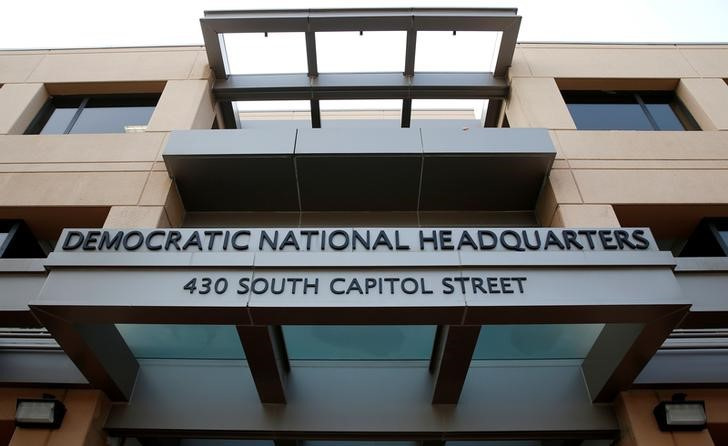
The Democratic National Committee’s (DNC) presidential nominating process has undergone significant changes throughout history, reflecting evolving political landscapes, technological advancements, and societal shifts. Understanding the historical context of these changes is crucial for evaluating the current process and considering future reforms.
Evolution of the Nominating Process
The DNC’s nominating process has evolved dramatically since its inception. Here is a timeline illustrating key milestones:
- Early 20th Century:The process was largely controlled by party bosses and state delegations, with limited input from the general public.
- 1968:The tumultuous Democratic National Convention in Chicago, marked by protests and violence, led to reforms aimed at increasing the role of ordinary citizens in the nominating process.
- 1972:The McGovern-Fraser Commission, established in response to the 1968 convention, implemented significant reforms, including proportional representation, open primaries, and increased participation of minorities and women.
- 1980s and 1990s:The rise of superdelegates, party leaders and elected officials who can vote at the national convention, sparked debate about their influence on the process.
- 2008:The Democratic National Committee adopted a new set of rules, including a national primary calendar and a more streamlined process for awarding delegates.
- 2016:The 2016 Democratic primary contest, marked by a close and contentious race between Hillary Clinton and Bernie Sanders, led to calls for further reforms, including the potential elimination of superdelegates.
Lessons Learned from Past Reforms
Past reforms to the DNC’s nominating process have yielded valuable lessons. Some key takeaways include:
- Increased Participation:Reforms have significantly increased the participation of ordinary citizens in the nominating process. Open primaries, proportional representation, and a national primary calendar have given more voters a voice in selecting the party’s nominee.
- Diversity and Inclusion:Reforms have also led to greater diversity and inclusion within the Democratic Party. The McGovern-Fraser Commission’s recommendations ensured that minorities and women were better represented in the nominating process.
- The Role of Superdelegates:The introduction of superdelegates has been a subject of controversy, with some arguing that they give too much power to party elites. However, others contend that they provide valuable experience and insight into the nominating process.
- The Impact of Technology:The rise of the internet and social media has transformed the nominating process, allowing candidates to reach voters directly and engage in real-time communication. This has also led to concerns about the potential for misinformation and manipulation.
Similarities and Differences Between Past and Present Changes
The current debate over reforms to the DNC’s nominating process echoes previous discussions. While the specific proposals may differ, the underlying themes remain similar.
- Increasing Voter Participation:Like past reforms, the current proposals aim to increase voter participation in the nominating process. This includes measures such as early voting, online registration, and expanded access to voting.
- Addressing Concerns About Superdelegates:The role of superdelegates has been a recurring issue. Some proposals seek to reduce their influence or eliminate them altogether.
- Adapting to Technological Advancements:The DNC is also grappling with the challenges and opportunities presented by technology. Proposals include measures to ensure election security, combat misinformation, and enhance voter access to information.
Closing Notes
The DNC’s decision to weigh changes to its presidential nominating process is a significant development with far-reaching implications. While the proposed changes aim to address perceived shortcomings in the current system, they also raise concerns about unintended consequences and potential disruptions to the Democratic Party’s internal dynamics.
As the debate unfolds, it will be crucial to carefully consider the historical context, public opinion, and potential political ramifications of these changes, ensuring that any reforms ultimately serve the best interests of the Democratic Party and its voters.